



Does naturalization and mixed heritage hinder the development of Southeast Asian football?



The overwhelming trend of naturalization is causing heavy repercussions for Southeast Asian football, marked by deteriorating results, weakened youth development, and diminishing drive among homegrown players.
Indonesia U17’s 0-7 defeat to China U17 on home soil was not only a professional shock but also a warning signal about a troubling trend in Southeast Asian football: excessive reliance on foreign resources. When the skill gap is starkly revealed, the issue is no longer just a single loss but the consequence of an unsustainable development strategy.
Singapore once pursued a model using naturalized players to elevate their national team, but after years of underwhelming results, they proactively shifted focus back to nurturing local talent. In contrast, Indonesia and Malaysia have intensified their naturalization policiesin recent years, from club level to the national team, hoping to close the performance gap regionally and continentally.
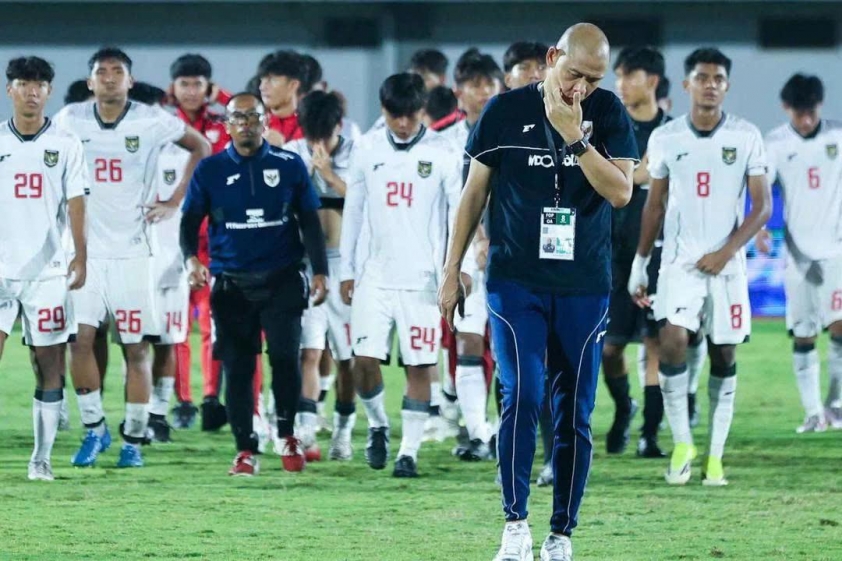
The price to pay is becoming evident. Large budgets spent on scouting and completing naturalization procedures have caused many clubs to lose investment in youth training. Local players gradually lose playing opportunities and motivation as national team slots shrink due to the influx of foreign-origin players. Consequently, the youth training ecosystem weakens, affecting coach quality and player succession.
The reality shows this misdirection. Indonesia’s U23 team won the 32nd SEA Games convincingly with a fully local squad and coach Indra Sjafri. But when entering the U23 Asian qualifiers with half the team naturalized and foreign coach Gerald Vanenburg, they failed to beat Laos and were eliminated. The U22 Indonesia team with 5 naturalized players also exited at the group stage of the 33rd SEA Games.
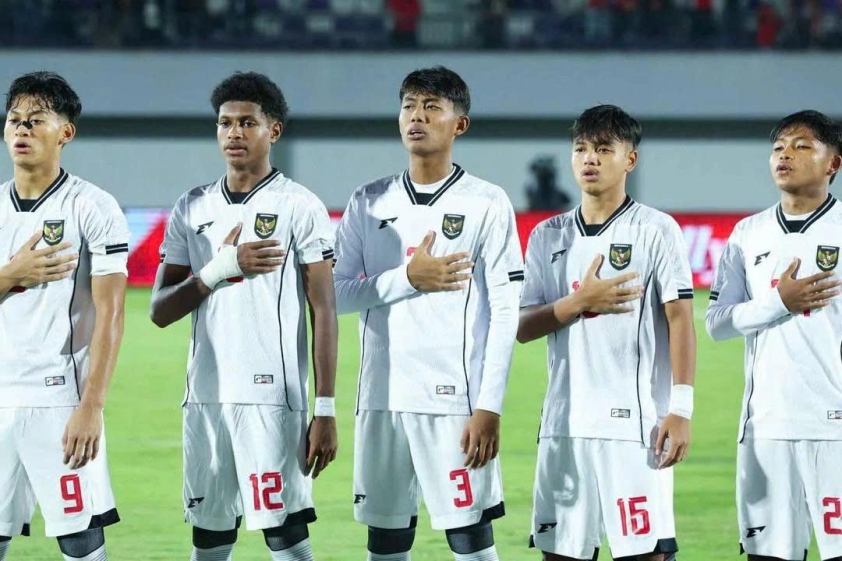
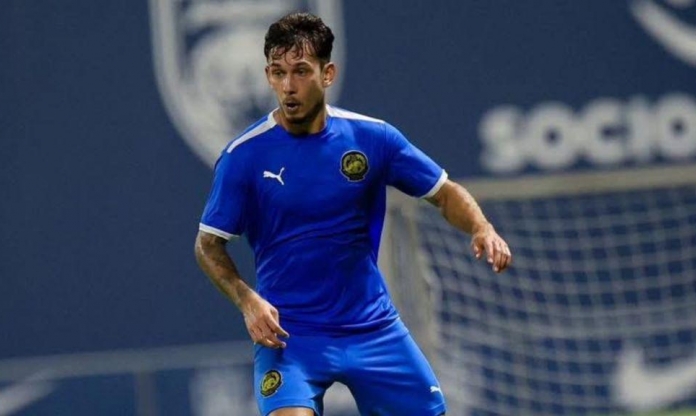
At the national team level, the “Netherlands 2.0” image has not brought the expected progress. Indonesia missed the 2026 World Cup and suffered heavy defeats to Japan, losing 0-5 and 0-6. Malaysia fared no better, with talented players like Rasid Safawi and Faisal Halim carrying the burden amid an unstable system.
Relying on foreigners for short-term success may create an illusion of strength. But in the long run, it erodes the foundation of training, drains local players’ motivation, and stunts domestic football. When the path to the national team is almost “blocked,” the consequence is not just heavy losses but the silent decline of an entire football culture.


Wonderfulshortvideo
Arsenal goal today arsenal 2-1 chelsea arteta interview arteta press conference


The movement is electric ⚡️
Mbappe injury mbappe surgery real madrid 0-1 getafe mbappe return date mbappe edit
tottenham relegation tottenham relegated
bruno assist today bruno goal today bruno highlights bruno interview bruno edit
Rodrygo ACL tear acl injury rodrygo injury real madrid 0-1 getafe
Great defending from Rüdiger 👏
 Links
Links
 Contact
Address:UNIT 1804 SOUTH BANK TOWER, 55 UPPER GROUND,LONDON ENGLAND SE1 9E
Number:+85259695367
E-mali:[email protected]
 App
App


