



Meeting again after a double victory! The U17 Asian Cup national youth team faces Indonesia once more, with the opponent possibly calling up more naturalized players.



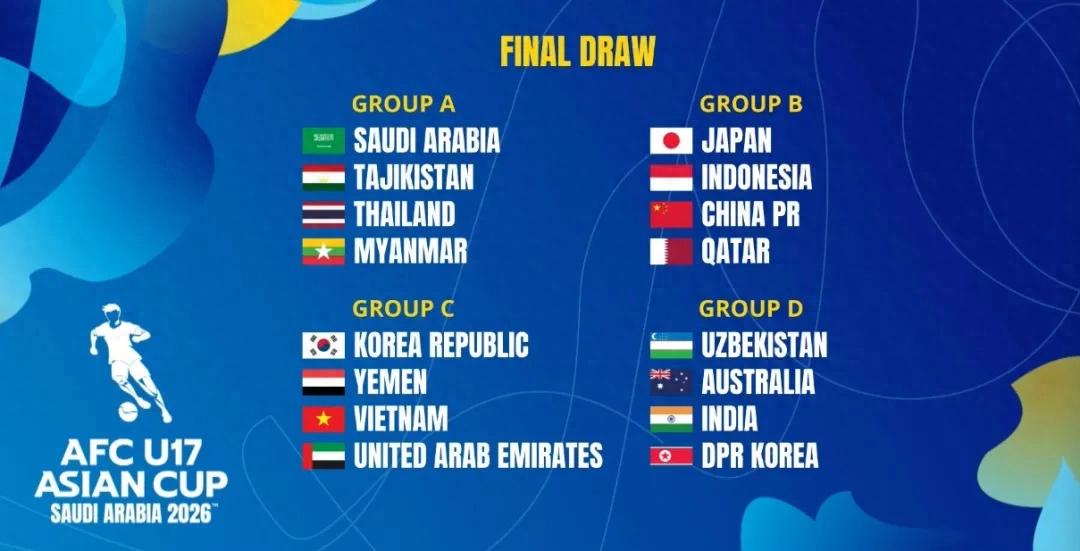
Written by Chen Yong and Han Bing On the afternoon of the 12th, the group draw for the U17 Asian Cup was revealed, placing the U17 national team (national youth team) in a group with Indonesia, Japan, and Qatar. The national youth team had recently faced Indonesia twice in friendly matches, winning both times.

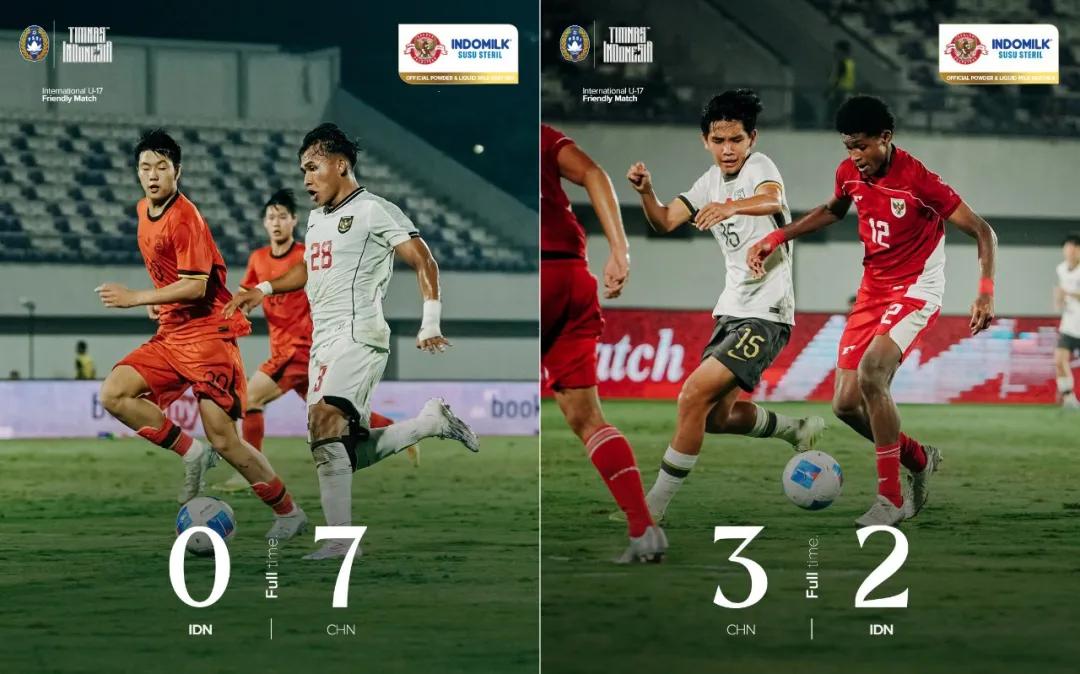
In the first match on the 8th, the national youth team triumphed 7-0, which was very disheartening for Indonesian fans; in the game on the 11th, the match was intense, and in the final moments, a miraculous long-range shot that bounced off led to an own goal by Indonesia, resulting in a 3-2 winning goal for the national youth team, completing a double victory over the opponent.
In the draw on the 12th, besides Indonesia, the group also includes a top-tier Japanese team and a fourth-seeded Qatar.
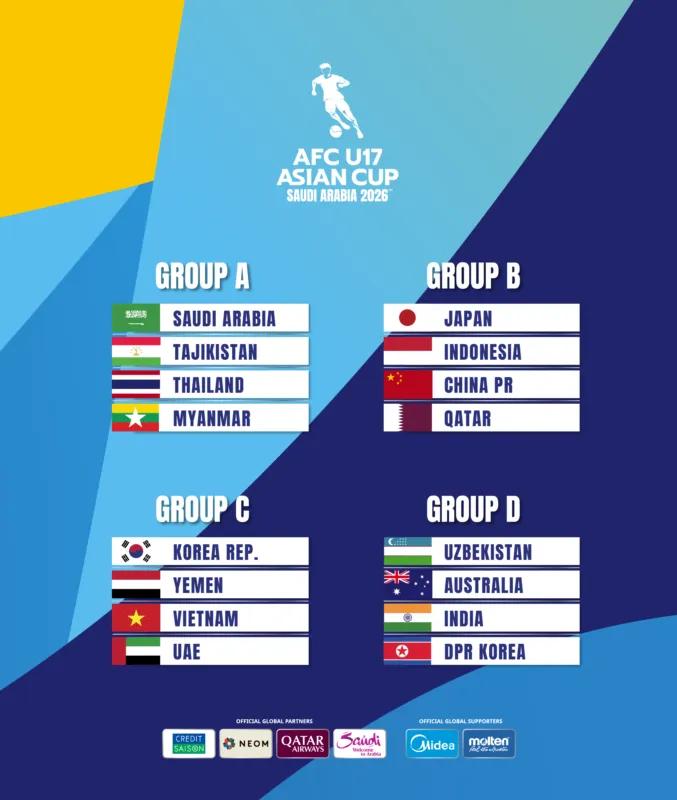
After the draw results were announced, domestic opinions generally regarded it as a favorable group: although Japan is a top Asian team, they are not unbeatable at the youth level; regarding Indonesia, whom the national youth team has already beaten twice, most believe the national youth team holds a clear advantage and is likely to defeat them again; Qatar, as the host of the U17 World Cup, has already qualified, so their participation in the U17 Asian Cup is primarily for practice, likely experimenting with lineups and tactics rather than focusing on results.
However, for the national youth team, there are still lessons to be learned and reflections to be made from the two matches against Indonesia.
In the first match, the national youth team’s 7-0 victory highlighted that Indonesia struggled greatly against the national youth team’s high pressing tactics, and the national youth team’s wing play was very effective. Once the game opened up, the national youth team played increasingly smoothly, ultimately winning 7-0.
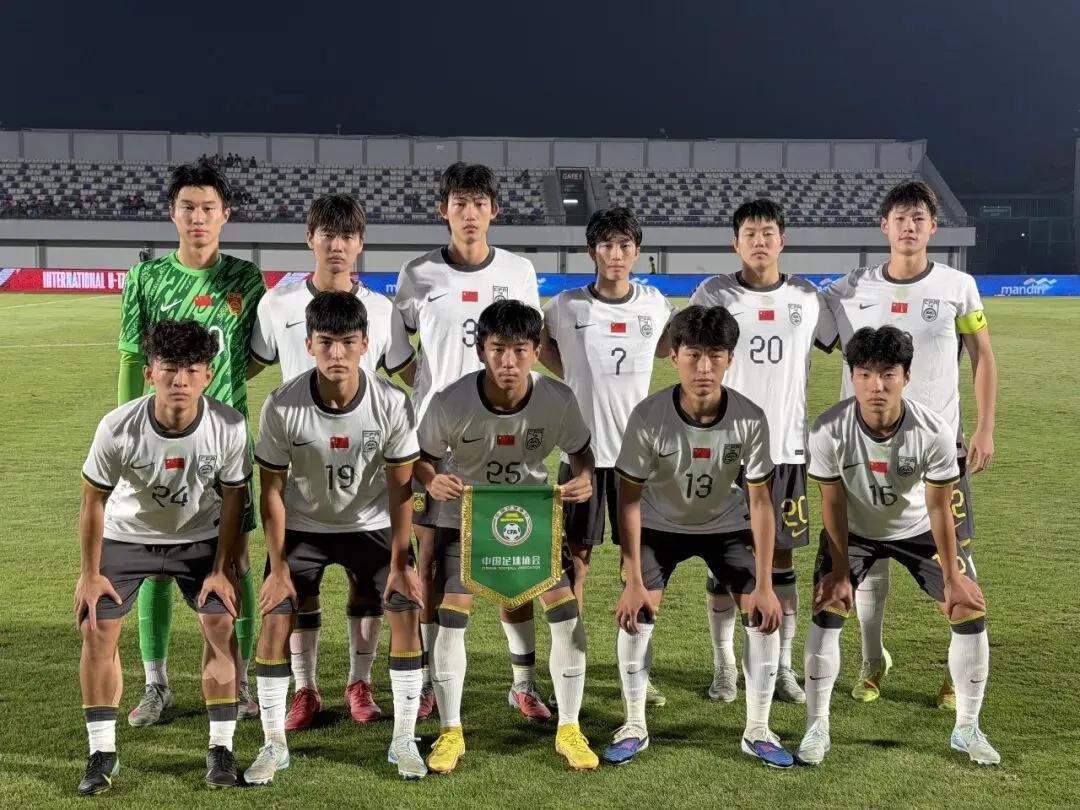
In the second match, the national youth team took the lead twice, but Indonesia equalized twice. Indonesia’s first goal was somewhat unexpected, coming from a deflected free kick, while the second was a penalty. Although the national youth team scored a last-minute winner, there remain many aspects to review from the match process.
Setting aside player evaluation and normal errors in this match, the national youth team has two issues worth noting. First, problems in the central defense and midfield areas caused frequent mistakes; if the opponent had been more clinical, the national youth team might not have secured the win. Second, regarding mentality, after the 2-2 equalizer, the national youth team launched many threatening attacks and created several excellent scoring chances, but under the tense circumstances, their mindset grew somewhat impatient, leading to missed opportunities.
In fact, the national youth team had mentality issues last year as well, with results against the same opponent often varying greatly. The two matches against Indonesia this year showed the same pattern. Coupled with problems in the central defense and midfield, despite drawing a favorable group, the national youth team still needs to improve and adjust significantly over the next three-plus months to strive for a World Cup qualification.

Among the three group stage opponents, the Japanese team coached by Nobuyoshi Ono is the strongest. They reached the U17 World Cup quarterfinals last year. Key players include the 1.90-meter-tall Nigerian-mixed central defender Motonuma Anshōjin, midfielders Nagamin Kaishi and Wada Takeshi, all mainstays and eligible for this year’s tournament.
To prepare for the U17 Asian Cup, Japan participated last year in several warm-up tournaments such as the Algarve Cup, Montaigu Cup, U16 International Dream Cup, and Peace Cup. They defeated teams like the Netherlands, Mexico, Colombia, Ivory Coast, and France, and drew against Germany, Portugal, Cameroon, and Egypt, showing strength at a significantly higher level.
Qatar played three warm-up matches last November, losing 1-4 to Spain, drawing 0-0 with Sweden U15, and losing 1-2 to the USA U15. While their strength is not weak, they are not focused on results. If they finish in the top two of this group, the best third-placed teams will qualify for the U17 World Cup. In fact, the national youth team’s direct competitor is Indonesia.
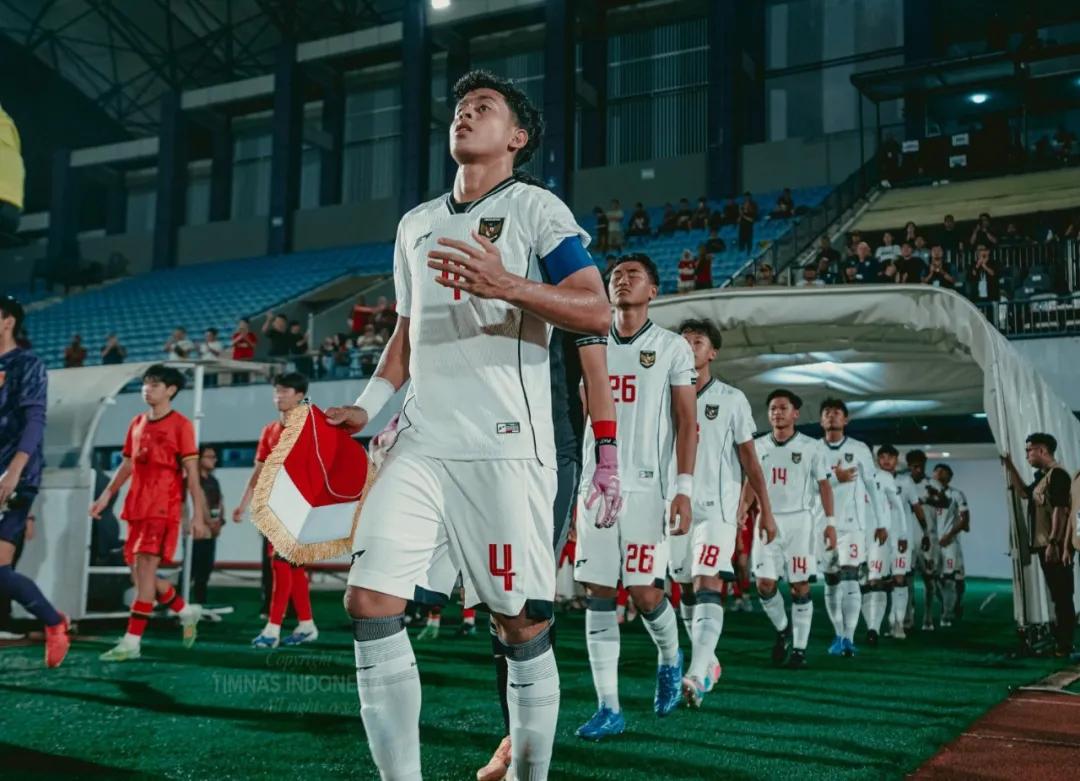
Indonesia’s head coach for the warm-ups against the national youth team, Arianto, was a temporary appointment. The football association has now appointed Yulianto as the new coach. Yulianto has served as assistant coach for Indonesia’s senior team and U23 team, worked under former Spanish youth national team coach Mira and Scottish coach McMenemy, and spent three years as assistant coach for Italy Como’s U19 team. The new Indonesian U17 squad was just formed, with main goals being the U16 Southeast Asian Cup in April and the U17 Asian Cup in May. The U16 Southeast Asian Cup will be crucial for team cohesion and player evaluation, fully revealing their true strength.
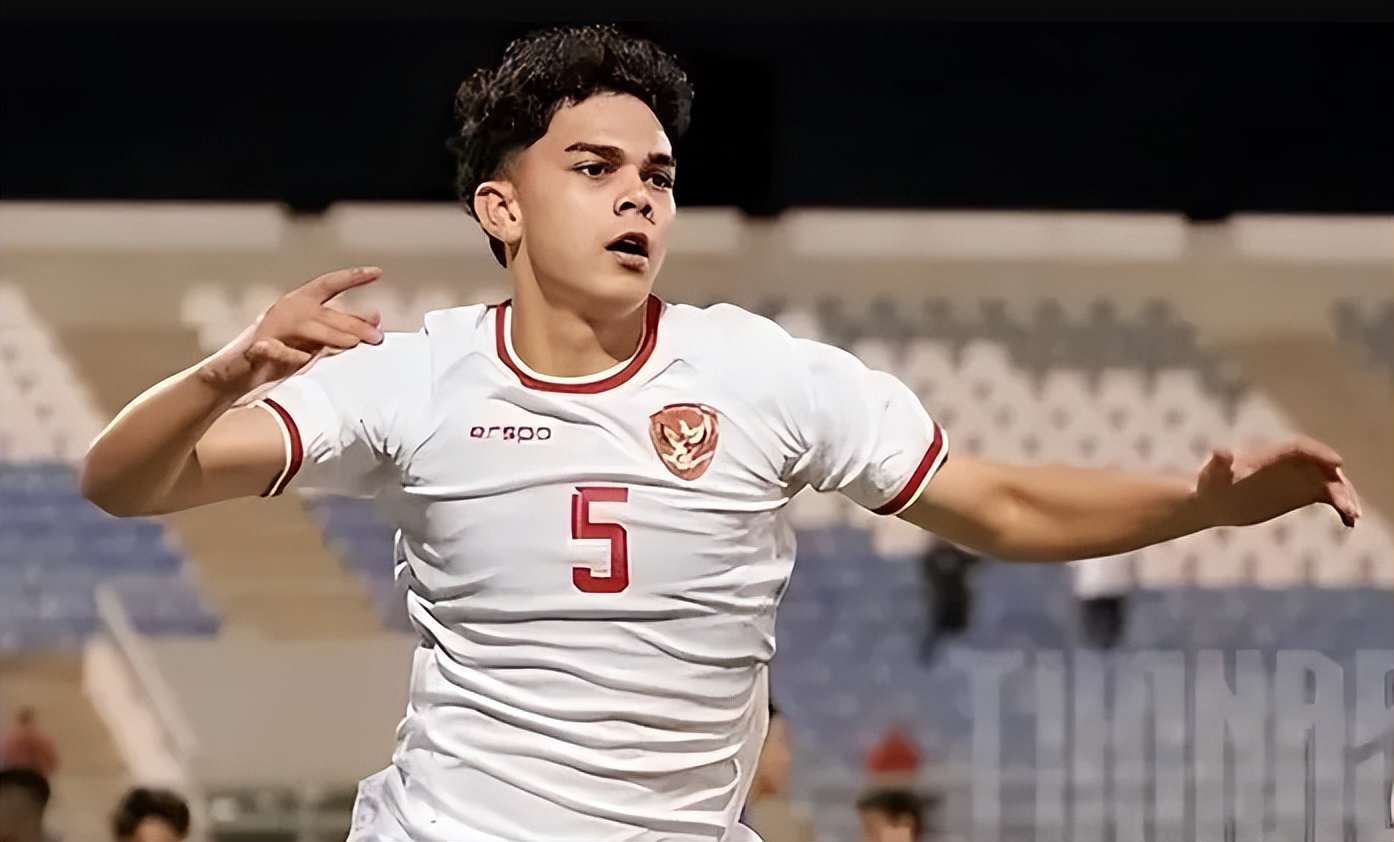
Indonesia hopes to strengthen the team by including more naturalized players. In the two matches against the national youth team, Indonesia had only one naturalized player, forward Indra, who grew up in Norway and plays for Rosenborg’s youth squad. Two other eligible naturalized players who played in last year’s U17 World Cup, goalkeeper Lagasa and defender Becker (Australian mixed heritage, shown below), were not selected this time but are expected to return for the U17 Asian Cup. Temporary coach Arianto said the players eligible from last year’s U17 World Cup will most likely participate again this year, ensuring experience is passed on.
Becker, who came through Melbourne City’s youth system, was naturalized by Indonesia in 2024. This season, he has joined Melbourne City’s first team and made his debut in the Australia Cup; goalkeeper Lagasa, naturalized from the Netherlands, only started once last year in the U17 World Cup against Honduras. Indonesia’s lineup in May may see significant changes, with strength improving as more naturalized players join, something the national youth team must pay special attention to.


Wonderfulshortvideo
Arsenal goal today arsenal 2-1 chelsea arteta interview arteta press conference


The movement is electric ⚡️
Mbappe injury mbappe surgery real madrid 0-1 getafe mbappe return date mbappe edit
tottenham relegation tottenham relegated
bruno assist today bruno goal today bruno highlights bruno interview bruno edit
Rodrygo ACL tear acl injury rodrygo injury real madrid 0-1 getafe
Great defending from Rüdiger 👏
 Links
Links
 Contact
Address:UNIT 1804 SOUTH BANK TOWER, 55 UPPER GROUND,LONDON ENGLAND SE1 9E
Number:+85259695367
E-mali:[email protected]
 App
App


