



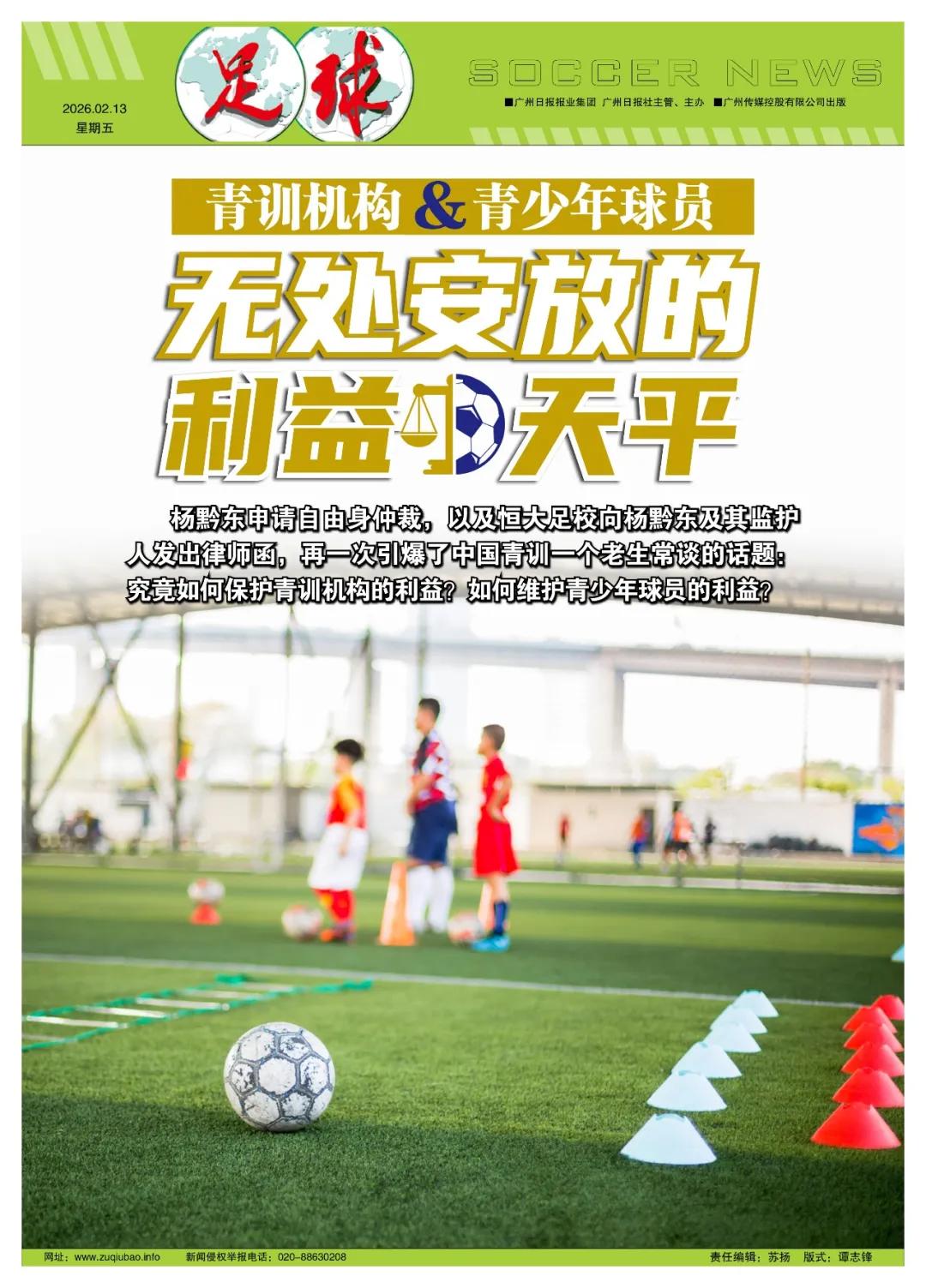
Youth Training Institutions & Young Players: The Unsettled Balance of Interests



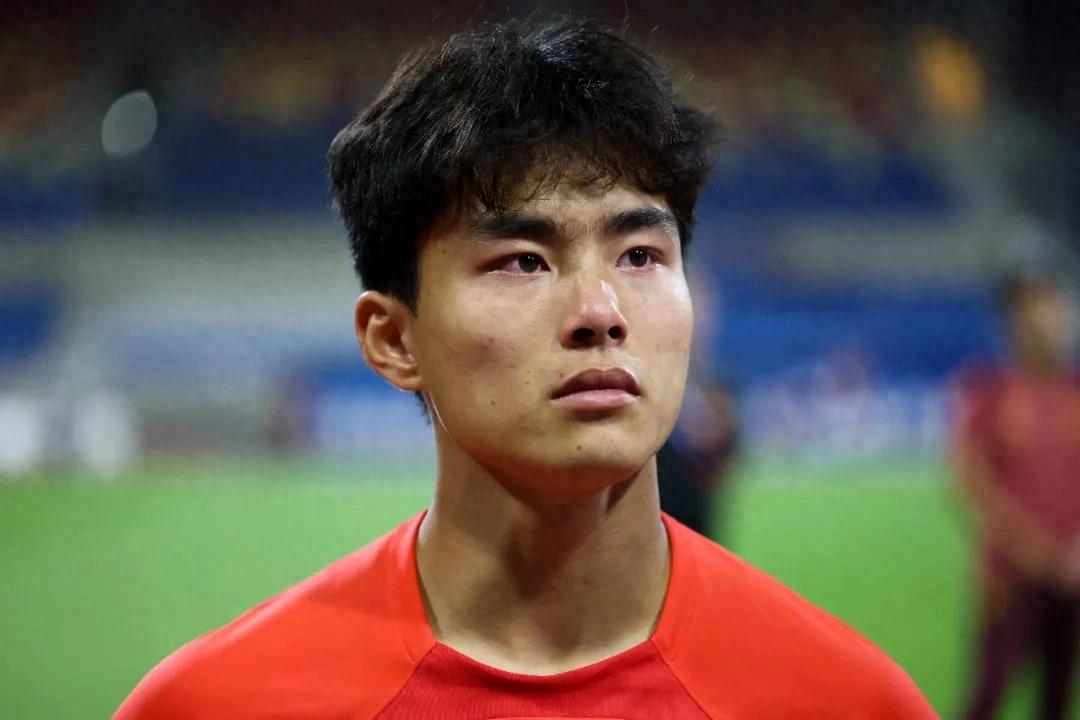
Reported by journalist Chen Yong Yang Qiandong’s request for free agent arbitration and the lawyer’s letter from Evergrande Football School to Yang and his guardian have reignited a familiar topic in Chinese youth training: How to protect the interests of youth training institutions? How to defend the rights of young players? In countries with well-established football systems, these interests may clash but are generally well-regulated; in China, they are often in extreme conflict.

At the end of 2025, the Chinese Football Association revised the "Player Identity and Transfer Management Regulations" again. According to the draft for public consultation released on January 14, 2026, the core amendment focuses on youth football, specifically abolishing the first signing right.
The "first signing right" first appeared in the 2018 "Implementation Opinions on Adjusting Youth Player Transfers and Training Compensation Standards." It allowed training units to sign amateur players to work contracts not exceeding three years (including three years) if the following conditions were met: 1) The training unit had completed annual registration and filing for the amateur player according to Article 29 of the Chinese FA registration rules; 2) The amateur player had been continuously registered with the training unit and had participated in official matches organized by the Chinese FA for at least four years; 3) The training unit was the current registered training institution for the amateur player; 4) The salary offered by the training unit was no less than three times the previous year’s average social wage in the region (city) of the training unit’s member association.
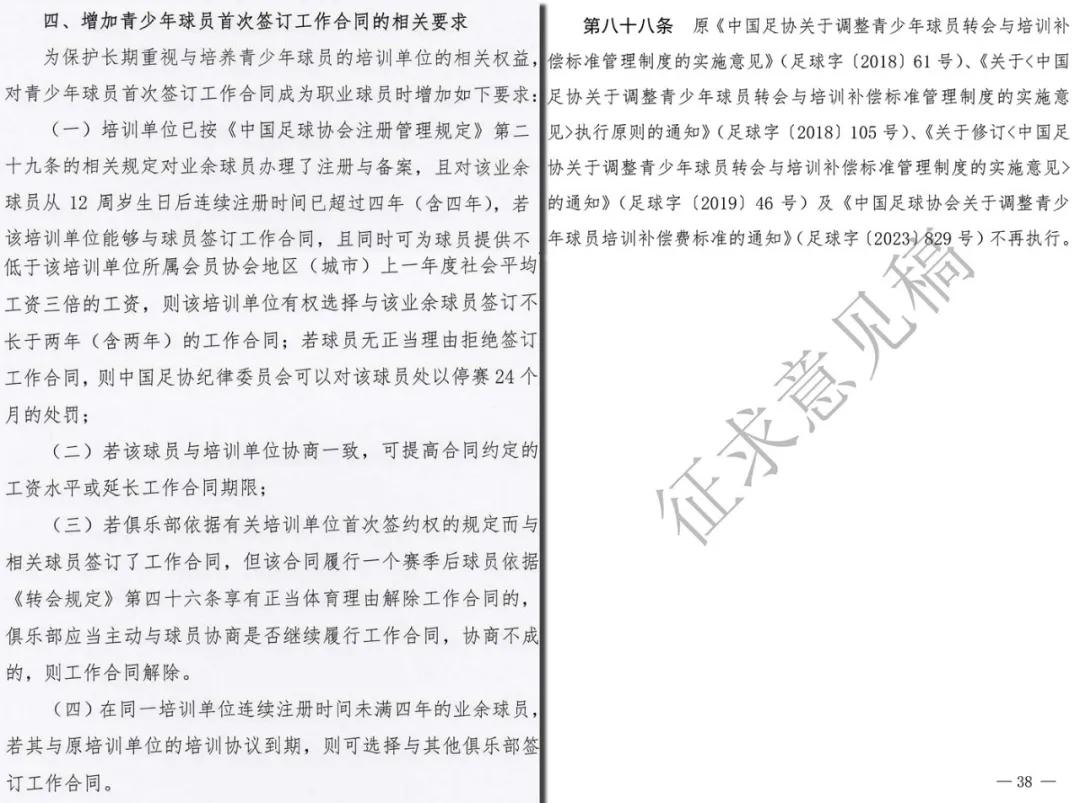
▲The 2018 "Implementation Opinions on Adjusting Youth Player Transfers and Training Compensation Standards" regulation regarding the "first signing right" has been abolished in the new "Player Identity and Transfer Management Regulations (Draft for Consultation)."
The new "Player Identity and Transfer Management Regulations (Draft for Consultation)" clearly state that the 2018 "Implementation Opinions on Adjusting Youth Player Transfers and Training Compensation Standards" and its subsequent principles and revisions will no longer be enforced.
The introduction of the first signing right was originally to protect youth training institutions whose interests were severely compromised. The recent abolition reportedly aligns with broader sports policy considerations.
Another contentious issue in youth training concerns the length of training periods. Previous cases highlighted significant disputes on this topic. Currently, training periods are being tightened, with transitional measures designed to balance the interests of both youth training institutions and young players, rather than directly aligning with international standards.
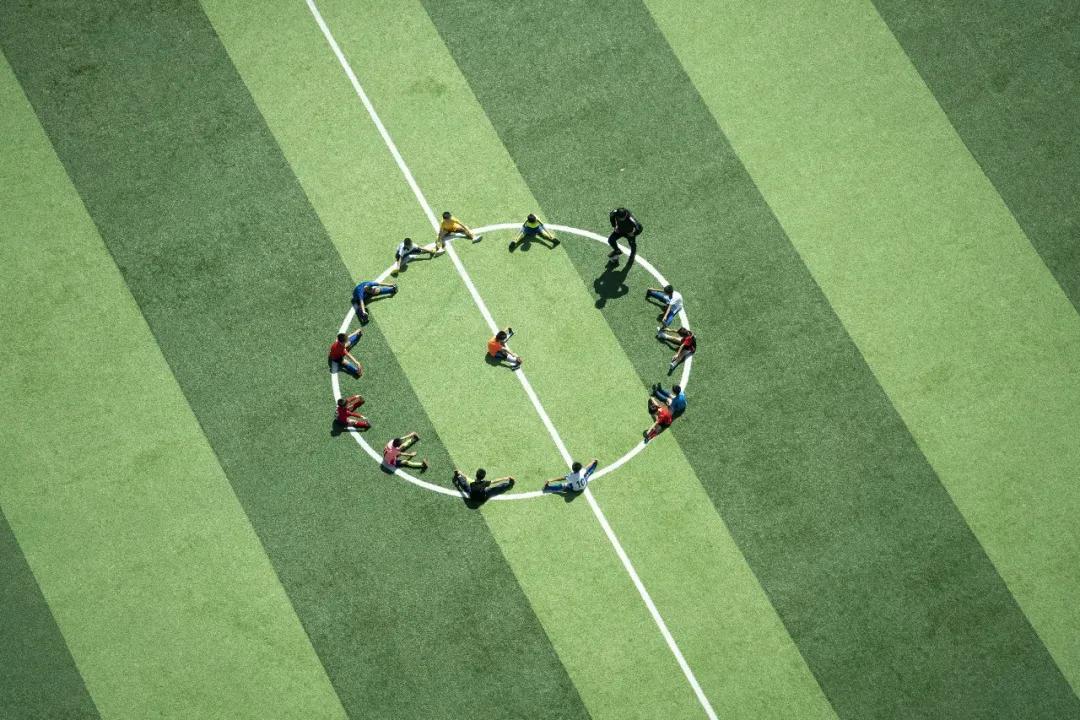

Policies related to young players have always focused on balancing the interests of youth training institutions and those of young players. Internationally, the mainstream trend prioritizes protecting young players’ interests while also considering the interests of training institutions. It is undeniable that Chinese football is moving toward this direction.
However, Chinese football has its unique characteristics, notably the scarcity of outstanding youth training institutions. Taking the Chinese Super League (CSL) as an example, among the 16 clubs in the 2026 season, six clubs entered the CSL recently: in 2024 (West Coast, New Pengcheng), 2025 (Yukun, Yingbo), and 2026 (Tonglianglong, Tieren). This reflects that most Chinese league clubs have been established only recently, with even shorter professional league experience, some jumping directly four levels into the CSL. Yet, it typically takes about ten years of youth training to develop talent, as seen with Evergrande Football School, founded in 2012, which only began to yield results after ten years.
Looking at the entire professional league, the aftermath of the era of heavy financial investment has led to many clubs withdrawing, severely impacting professional youth training. Currently, only about ten professional clubs maintain stable youth training programs. Consequently, there is a growing shortage of talented youth players, creating a supply-demand imbalance where young players become highly valuable assets. Agents and parents recognize these huge interests, which naturally leads to violations.
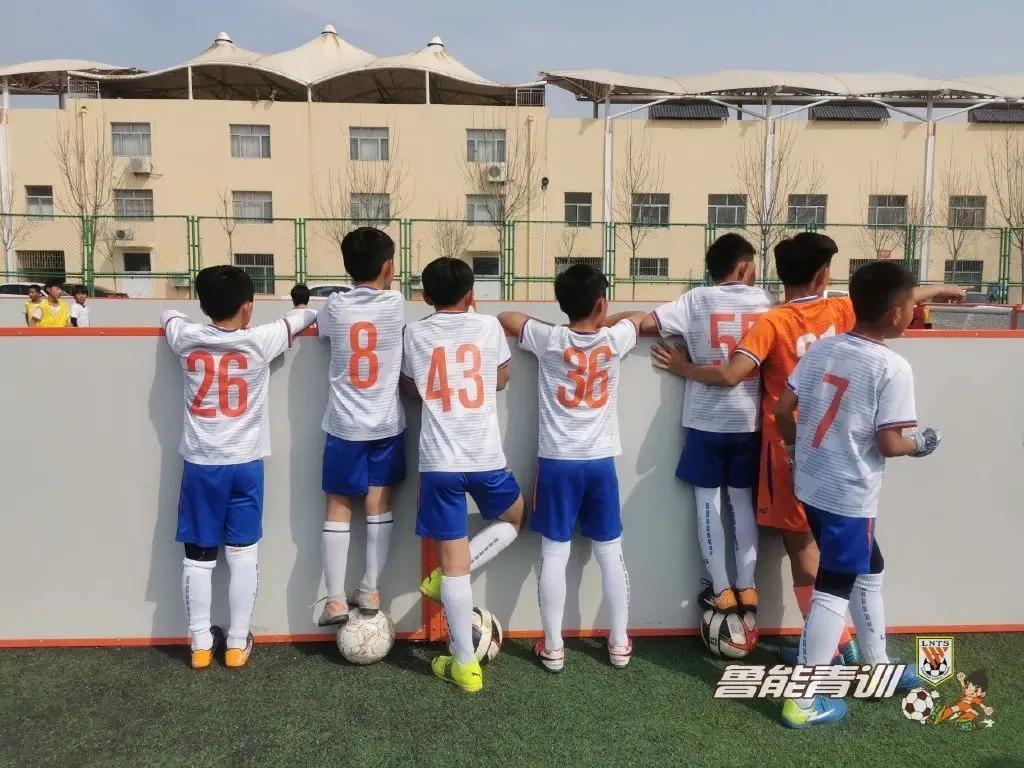
Violations include, but are not limited to, illegal contact with players and illicit payments to young players’ parents to induce them to refuse contracts with their original training institutions. High salaries are also a common lure. In fact, the impact extends beyond Evergrande Football School; Shandong Luneng Football School, backed by Shandong Taishan Club, has also been targeted by agents and other clubs, resulting in player losses and elevated costs to retain remaining players.
Currently, China's professional youth training, including some social training institutions, operates on a free training model, with clubs typically focusing on players from ages 8 to 10 (a model difficult to generalize). Developing a top player requires about ten years. The cost calculation is not limited to direct expenses for each player; the high dropout rate causes additional losses, multiplying costs several times over.
However, poaching players is easy and cheap. This issue brings up two additional problems: first, the joint mechanism for compensation is currently highly restricted in China, failing to provide sustainable benefits to youth training institutions; second, training compensation amounts are low. Previously, compensation for CSL clubs (first category) was 500,000 yuan, reduced to 200,000 in 2023, and now training compensation for players aged 12 to 15 (fourth category) is only 10,000 yuan RMB.
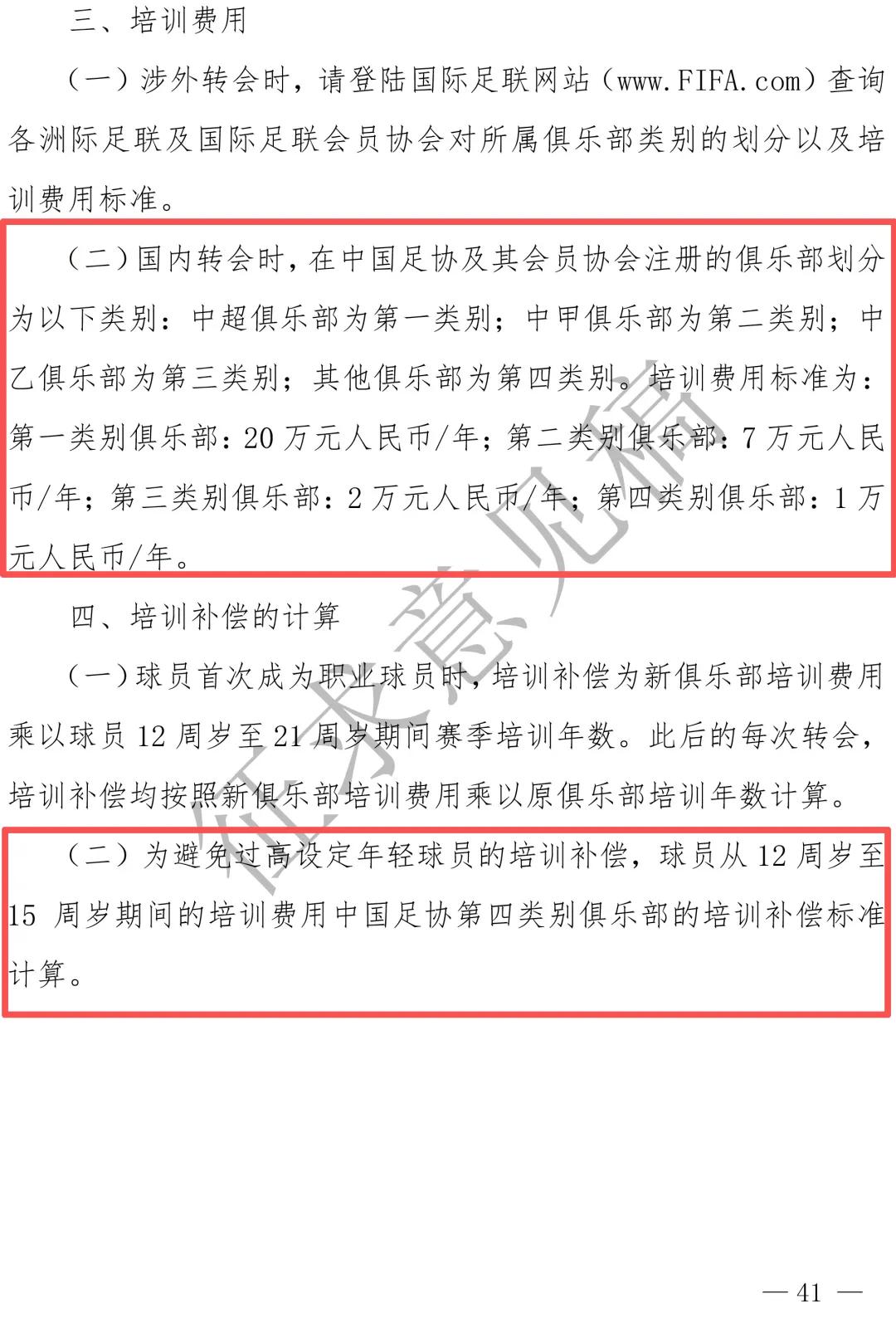
▲The new "Player Identity and Transfer Management Regulations (Draft for Consultation)" retains the 2023 revised training compensation standards.

More broadly, China's current youth training system is distorted. Some institutions start elite training as early as ages 8 to 10 with massive investment, whereas in Europe, professional clubs, schools, and amateur clubs share time and financial costs, focusing elite development on older age groups. Thus, while conflicts between institutional and player interests exist internationally, operations are generally well-regulated and can even align interests.
Considering the current state of Chinese professional football and youth training institutions, aligning with international standards should be a gradual process: if over 50% of professional clubs in the three-tier leagues have histories exceeding 15 years, over 80% have more than 10 years, and over 80% participate systematically in age-group competitions in CSL, China League One, and League Two, alongside improvements in school and amateur football, and if the professional transfer system offers substantial joint compensation mechanisms, then international alignment would be feasible. Currently, these conditions are clearly unmet.
At present, slowing down policy adjustments seems an effective approach. If policy changes are impossible, then strict enforcement is necessary: severely cracking down on illegal contact with youth players and harshly penalizing illicit benefit transfers.


Wonderfulshortvideo
Arsenal goal today arsenal 2-1 chelsea arteta interview arteta press conference


The movement is electric ⚡️
Mbappe injury mbappe surgery real madrid 0-1 getafe mbappe return date mbappe edit
tottenham relegation tottenham relegated
bruno assist today bruno goal today bruno highlights bruno interview bruno edit
Rodrygo ACL tear acl injury rodrygo injury real madrid 0-1 getafe
Great defending from Rüdiger 👏
 Links
Links
 Contact
Address:UNIT 1804 SOUTH BANK TOWER, 55 UPPER GROUND,LONDON ENGLAND SE1 9E
Number:+85259695367
E-mali:[email protected]
 App
App


