



Nine coaches replaced in five years! Self-sabotaging Marseille — how can they challenge PSG?



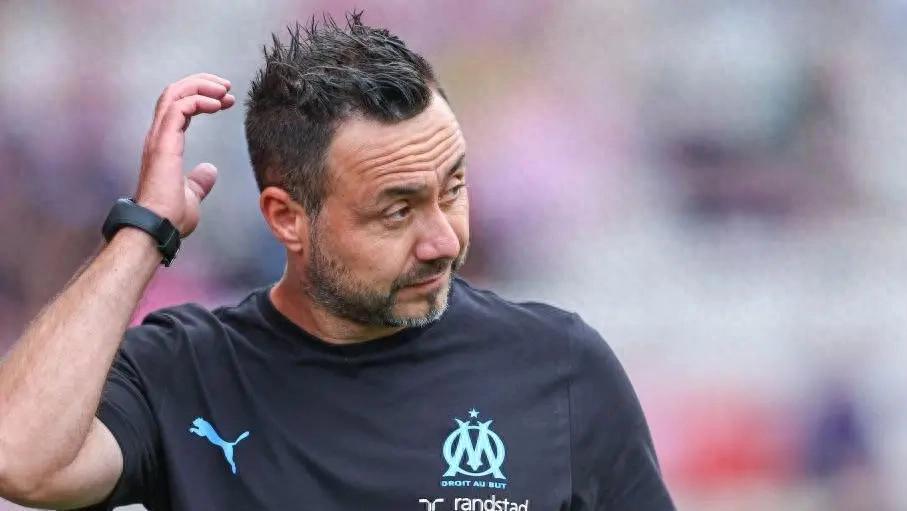
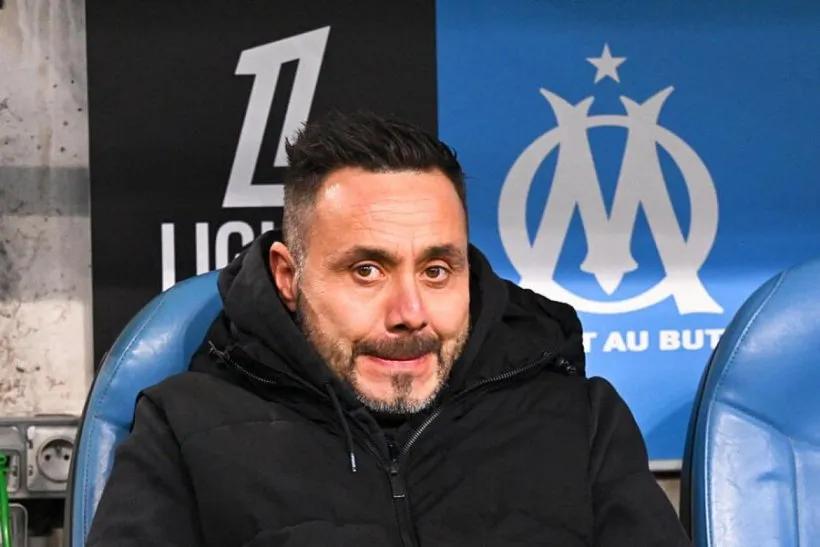
Written by Han Bing At 2:30 AM French time on February 11, Marseille parted ways with head coach De Zerbi. Ironically, two weeks prior, as the club’s most successful coach since 1993, Marseille president Longoria had expressed hopes that De Zerbi would become “Marseille’s Simeone” and stay for a long tenure. Yet, just 14 days later, the Italian was the ninth coach to be fired in five years. De Zerbi paid the price for emotional outbursts and frequent lineup changes, but both French media and fans believe the main culprit is still Marseille’s management.
De Zerbi’s coaching record wasn’t actually poor. Early in the season, he ended Marseille’s 14-year home winless streak against PSG in Ligue 1. After five consecutive wins by the eighth round, Marseille topped the league. By the end of last year, he became the fastest coach in club history to reach 30 Ligue 1 wins (in 50 matches). In mid-January, he also became Marseille’s coach with the highest win rate (59%) since the legendary Galtier in 1993 (62%). Although he should be held accountable for the Champions League exit against Club Brugge and the 0-5 away thrashing by PSG on February 9, the club’s executives, who have long lacked patience with coaches and constantly stirred scandals, bear greater responsibility.
On September 22 last year, during the Ballon d’Or night, De Zerbi ended Marseille’s 14-year shameful home winless run against PSG in Ligue 1. After the match, his remark “I came to Marseille to beat PSG because they represent hegemony, which contradicts my life philosophy” became widely discussed in French football circles. However, the courage to challenge an opponent with “unlimited capital” was something Marseille’s upper management lacked. President Longoria and sporting director Benatia hold overwhelming records in “creating scandals with ease.”
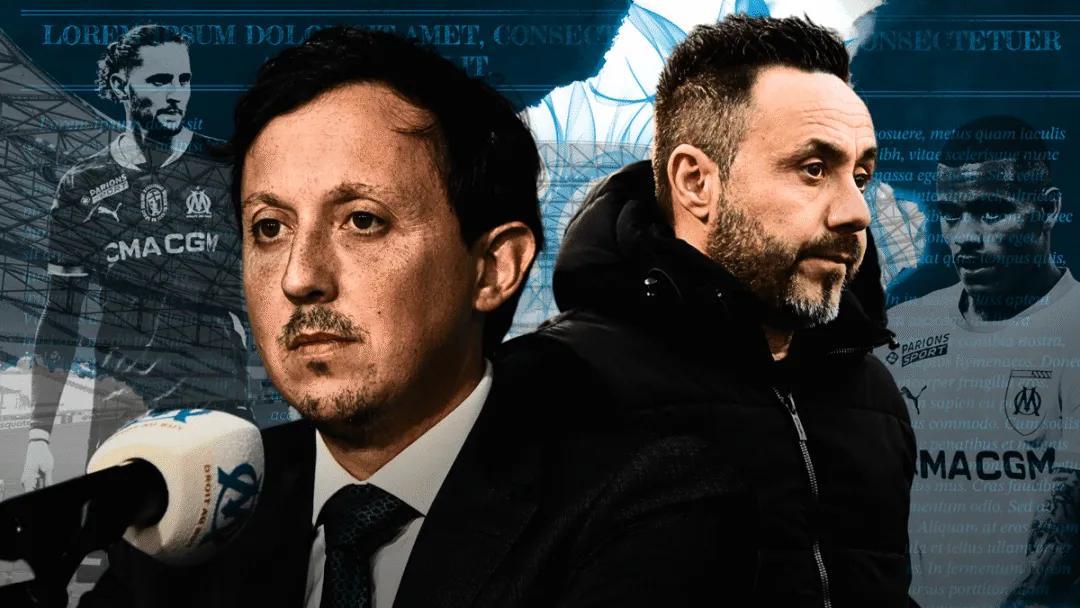
Since the Qatari royal family took over PSG in 2011, the only French club capable of challenging them was Marseille, the sole Ligue 1 club to have won the Champions League at that time. But after winning the French League Cup in April 2012, Marseille has gone nearly 14 years without a title — out of 49 trophies contested, they have only eight runner-up finishes, with the French Cup this season being the only hope left. Since February 2021, after firing Portuguese coach Villas-Boas, and now with De Zerbi’s dismissal, Marseille has replaced nine coaches in the last five years.
De Zerbi is directly responsible for Marseille’s current crisis; he often lost his temper with players and assistants, publicly criticized underperforming players during press conferences, creating a tense atmosphere and making players overly anxious on the field. This season, De Zerbi used 33 different starting lineups in 33 matches. Players were confused, and a “giving up” mentality spread within the squad. De Zerbi’s reason for resigning was his deep disappointment with the players’ attitudes.
However, the players’ negative attitude is largely due to the upper management’s self-destructive operations. In 2020, Longoria was elected president; this Spanish executive, fluent in six languages, is more focused on criticizing everything about French football. From blaming players for being too self-centered to complaining about the lack of elite coaches, poor marketing in Ligue 1, and low referee standards, he has offended the entire French football community. Even then-head coach Rudy Garcia had to publicly contradict his own president.
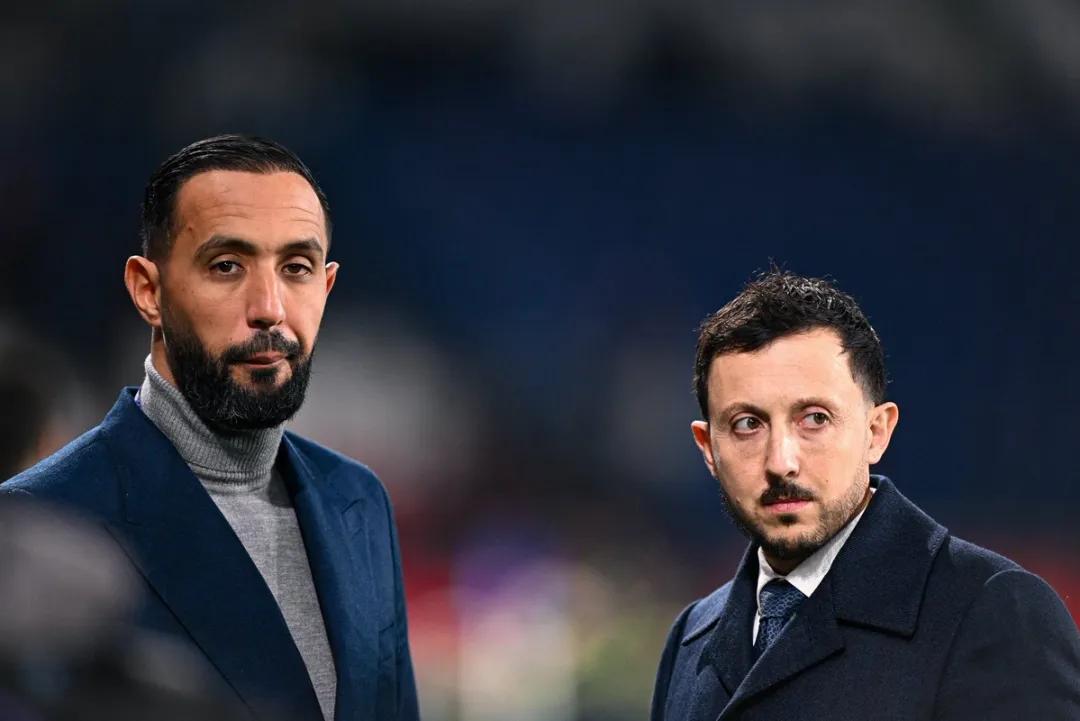
Since Benatia joined in November 2023, the management’s “destructive” behavior has escalated sharply. Starting October 2024, the two executives were punished three times by the professional league for harshly criticizing referees; Benatia was banned from stadiums for three months, and Longoria was suspended for 15 matches. Their impulsiveness not only brought unnecessary media and referee pressure off the pitch but also caused direct conflicts with players on the field. Last December, captain Baleardi spoke on behalf of players in a WhatsApp group shared by players, coaches, and executives, asking if the dressing room could be better isolated. Benatia shockingly retorted, “Are you paying the rent for the dressing room?” repeating the question at least three times, shocking the entire team.
Benatia’s public criticism of players is astonishingly frequent. After the humiliating Champions League exit against Club Brugge, he even “ranked” players, urging veterans with 200, 250, or 300 appearances to show more ambition, effectively calling them out by name. Earlier this year, Benatia and President Longoria held a “midnight critique session” with players. De Zerbi did not attend; the two-hour meeting was almost entirely Benatia criticizing players. Benatia has repeatedly publicly criticized Greenwood, and they never greet each other. Regarding player transfers, an area clearly within their remit, Marseille’s recent recruitment has been poor. Even coach De Zerbi couldn’t keep his trusted players Rongier, Rabiot, Murillo, and M’Baye, leaving others feeling insecure.
Local media reveal that Benatia may leave at the end of the season, but Marseille’s tradition of chaotic management is hard to change. As France’s oldest major club, Marseille is not accustomed to a peaceful existence. Frequent changes among club presidents, owners, players, and behind-the-scenes agents continue, with the only constant being the executives’ “self-destructive” ability to make scandal headlines.


Wonderfulshortvideo
Arsenal goal today arsenal 2-1 chelsea arteta interview arteta press conference


The movement is electric ⚡️
Mbappe injury mbappe surgery real madrid 0-1 getafe mbappe return date mbappe edit
tottenham relegation tottenham relegated
bruno assist today bruno goal today bruno highlights bruno interview bruno edit
Rodrygo ACL tear acl injury rodrygo injury real madrid 0-1 getafe
Great defending from Rüdiger 👏
 Links
Links
 Contact
Address:UNIT 1804 SOUTH BANK TOWER, 55 UPPER GROUND,LONDON ENGLAND SE1 9E
Number:+85259695367
E-mali:[email protected]
 App
App


