



OFFICIAL: UEFA makes decision on the ban of Russian football



Despite FIFA President Gianni Infantino's public backing for removing the ban on Russian football, UEFA insists on upholding the exclusion of the nation from global tournaments.
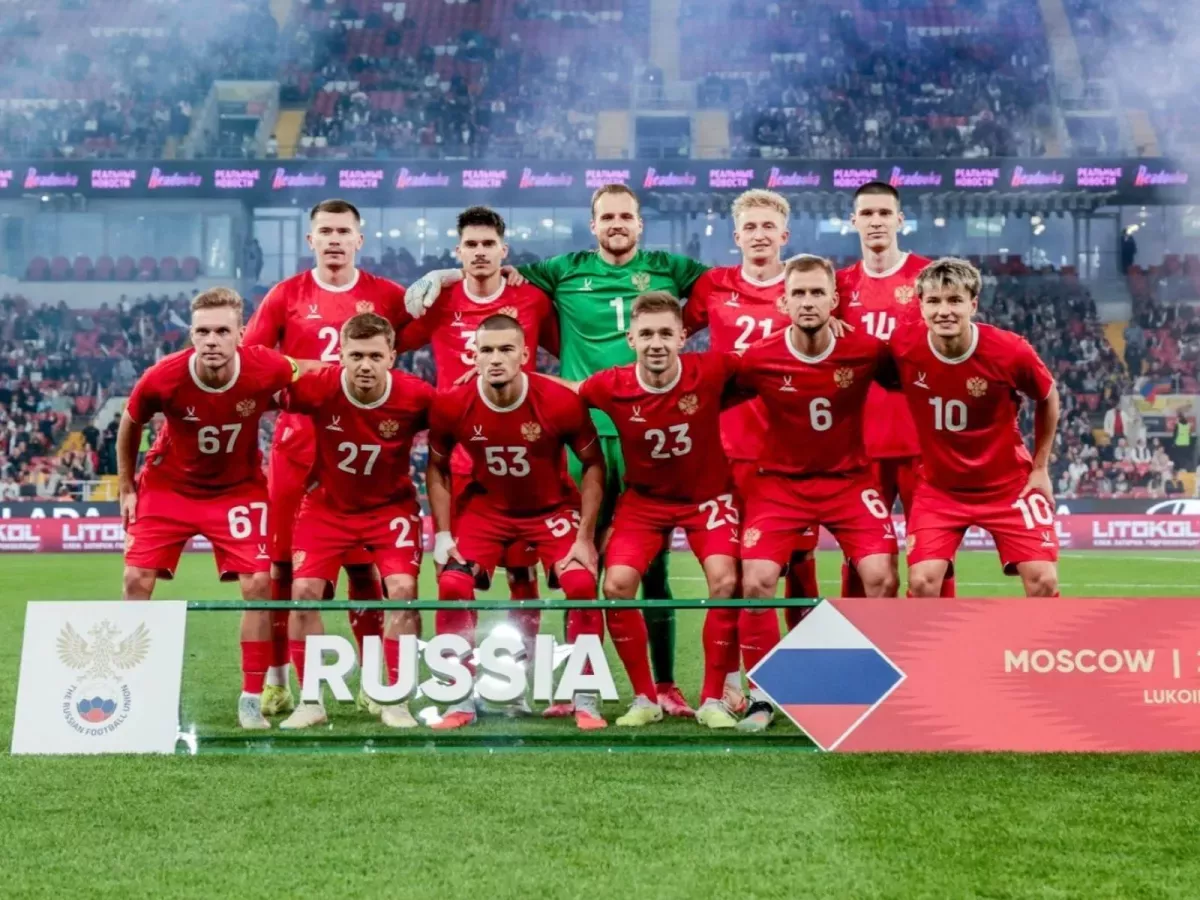
Since February 2022, Russian football has been completely isolated from the international scene. This ban not only caused the Russian national team to miss out on the 2022 World Cup and Euro 2024, but also extinguished the chance to participate in the upcoming biggest football event in North America.
However, the UEFA Congress held in Brussels this week became a focal point when FIFA President Gianni Infantino unexpectedly expressed a differing opinion.
Infantino voiced his support for lifting the sanctions, arguing that: “We must do it. Absolutely. Because this ban achieves nothing; it only breeds more frustration and hatred.”
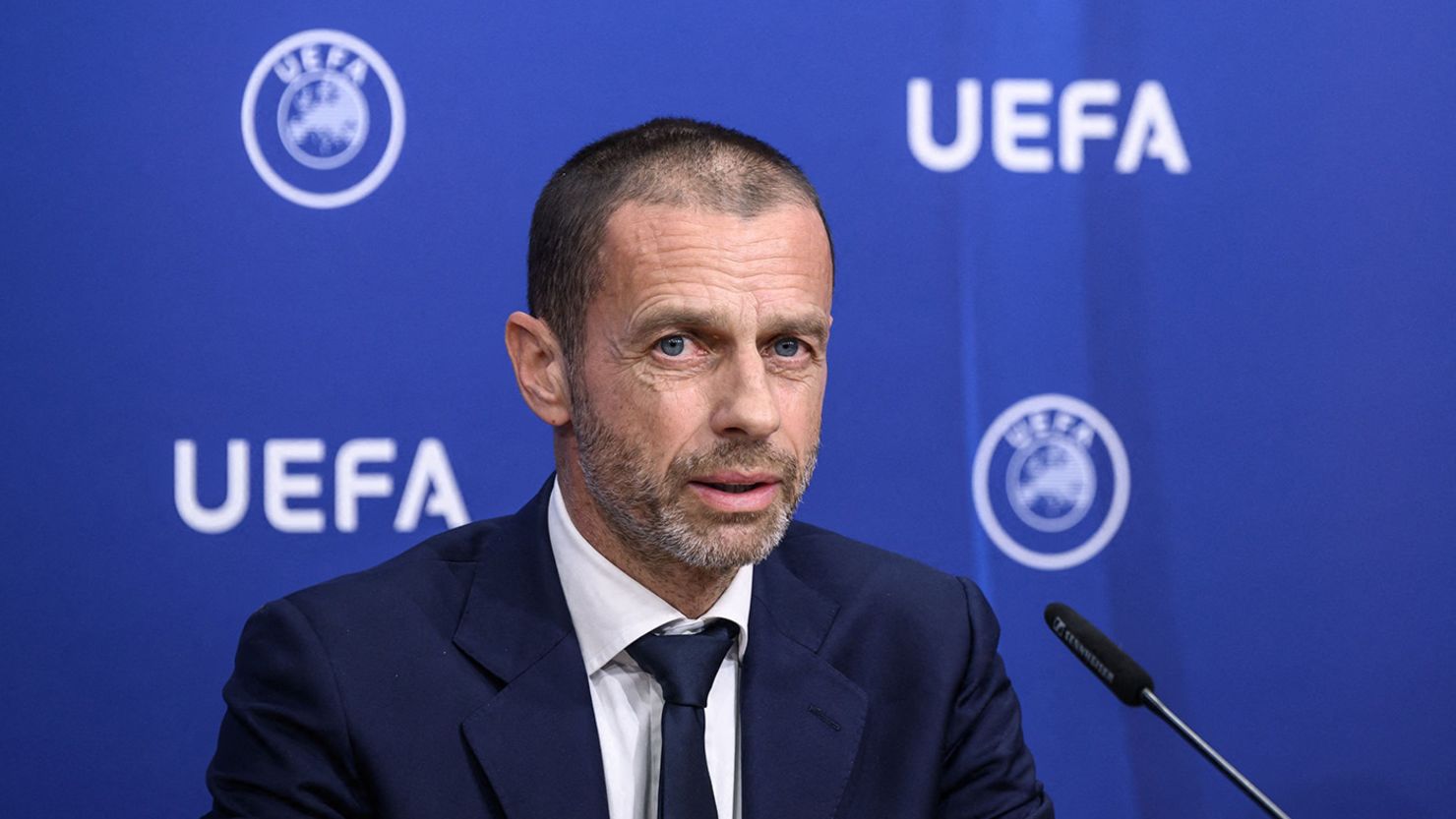
The FIFA chief emphasized that football should serve as a bridge and that young players should not suffer the consequences of political decisions. He even proposed that FIFA should “explicitly state in its statutes that no country should ever be banned from playing football due to the actions of their political leaders.”
Despite the “open” statements from FIFA’s head on the same stage, UEFA President Aleksander Ceferin quickly clarified the position of Europe’s most powerful football organization. He affirmed: “UEFA’s position is very clear and unchanged, but we are reviewing the situation daily.”
While maintaining the ban, Ceferin acknowledged the complexity of the situation amid the rapidly changing world. He added: “The world is changing so fast that it’s hard to keep up. Let’s wait and see what the future holds.”
Previously, Ceferin expressed doubts about sanctioning individual athletes, questioning: “What can an athlete do to their government to stop the war?”
The debate over Russian football takes place as other sports organizations adopt more flexible approaches. At the 2026 Winter Olympics, Russian athletes are allowed to compete under a neutral status if they prove no involvement in the conflict. The International Olympic Committee also reaffirmed the principle “that sport must remain neutral” to prevent athletes from being penalized for political actions.
However, in European football, the door to return remains firmly closed. The unity among UEFA members and political pressure, especially strong opposition from Ukraine, make reversing this decision a difficult challenge.
Currently, Russian football can only sustain itself through unofficial friendly matches while awaiting a genuine signal of change from UEFA headquarters in Nyon.


Wonderfulshortvideo
Arsenal goal today arsenal 2-1 chelsea arteta interview arteta press conference


The movement is electric ⚡️
Mbappe injury mbappe surgery real madrid 0-1 getafe mbappe return date mbappe edit
de bruyne edit de bruyne passing kdb edit kdb passing highlights rodrygo kevin de bruyne neymar kevin de bruyne
tottenham relegation tottenham relegated
bruno assist today bruno goal today bruno highlights bruno interview bruno edit
Rodrygo ACL tear acl injury rodrygo injury real madrid 0-1 getafe
 Links
Links
 Contact
Address:UNIT 1804 SOUTH BANK TOWER, 55 UPPER GROUND,LONDON ENGLAND SE1 9E
Number:+85259695367
E-mali:[email protected]
 App
App


