



Thailand: The Southeast Asian King in Continental Club Competitions



Thailand continues to firmly hold the top spot in Southeast Asia for club achievements in Asian competitions. Despite rising regional rivals, the legacy and resilience of Thai football remain a benchmark that is hard to surpass.
Main Content
In the context of Southeast Asian football growing rapidly, Thailand still asserts its leading position in the region when it comes to club performances in continental cups. With a brilliant history dating back to the 1990s and stability in the modern era, Thai clubs are not only a national pride but also a symbol of the region’s football progress. Let’s review this impressive journey through both historical and current perspectives.
A Glorious Legacy Since the 1990s
The history of Thai football witnessed the remarkable rise of Thai Farmers Bank FC, one of Southeast Asia’s most successful clubs at the continental level. Founded in 1987 and affiliated with the Thai Farmers Bank (now Kasikornbank), this club made a huge impact at the Asian Club Championship – the predecessor of the AFC Champions League.
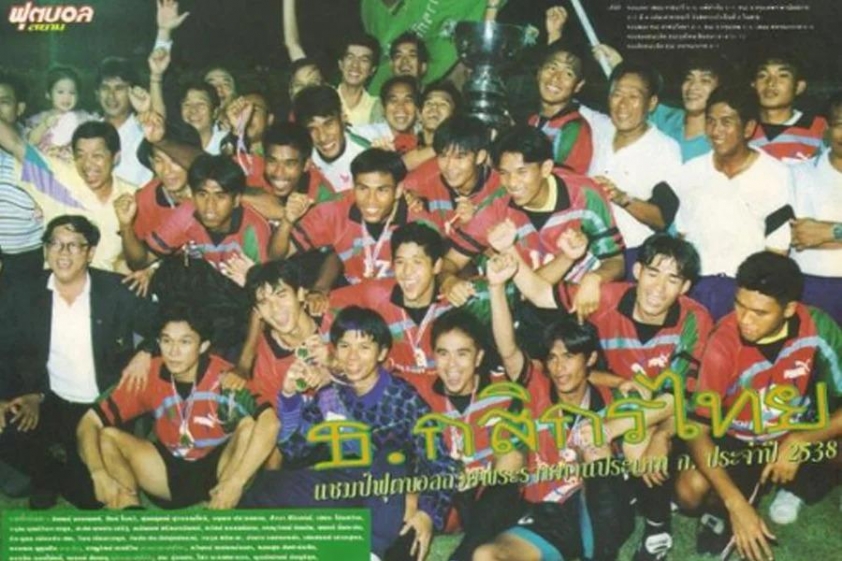
In 1994, Thai Farmers Bank FC became the first Southeast Asian club to win this prestigious tournament, defeating Oman Club 2-1 in the final. Just a year later, they successfully defended their title with a 1-0 victory over Qatar’s Al-Arabi. They also secured third place in 1996 and conquered the Afro-Asian Club Championship in 1994 by overcoming Egypt’s Zamalek on away goals. These achievements marked the pinnacle of Thai football and demonstrated Southeast Asia’s strength on the continental stage.
However, this glorious story ended tragically in 2000 when the club was forced to disband due to the aftermath of the 1997 Asian financial crisis. The parent bank – one of the hardest hit institutions – cut funding, leading to the team's dissolution. Nevertheless, the legacy of Thai Farmers Bank FC continues to inspire future generations.
BEC Tero Sasana: Asian Runner-up
Another icon of Thai football is BEC Tero Sasana (now Police Tero FC), a club that achieved a remarkable feat in the inaugural 2002/03 AFC Champions League season. They were the only Southeast Asian team to reach the final, ultimately losing 1-2 on aggregate to UAE’s Al Ain (0-2 in the first leg and 1-0 in the second). This accomplishment not only confirmed Thailand’s strength but also introduced many talents to the region.
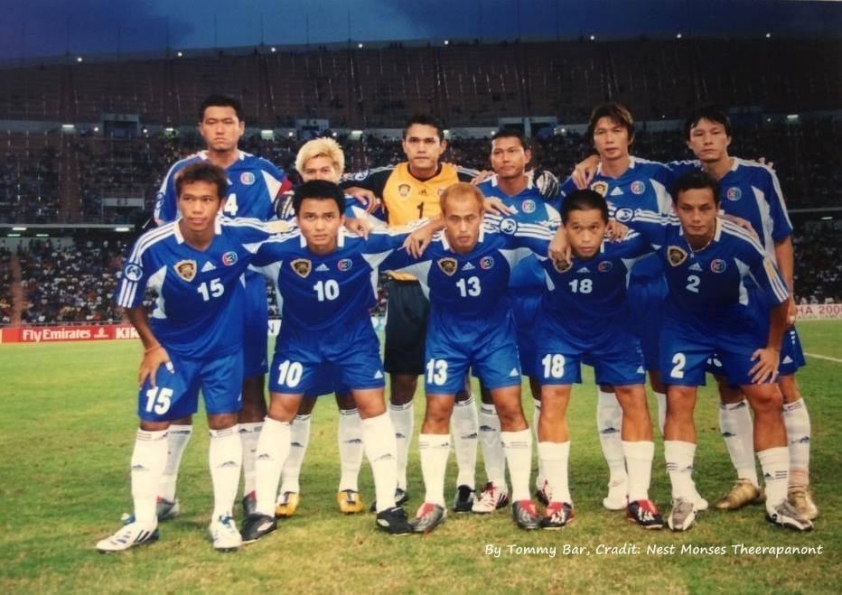
Notably, BEC Tero Sasana featured players familiar to Vietnamese fans, such as Datsakorn Thonglao, Dusit Chalermsan, and Nirut Surasiang, who previously played for Hoang Anh Gia Lai. These players helped build a bridge between Thai and Vietnamese football, fostering healthy competition and exchange within the region.
"New Generation" Buriram United and Stability
Although no longer reaching the heights of the 1990s, Thai clubs still maintain a formidable presence in the AFC Champions League Elite – Asia’s top-tier club competition. Among them, Buriram United stands out for its consistency and recent achievements.
In 2013, Buriram United reached the quarterfinals of the AFC Champions League, falling to Iran’s Esteghlal. In the 2023/24 season, they again impressed by advancing to the quarterfinals under the competition’s new format. Buriram often surprises strong opponents from West and East Asia thanks to disciplined play and investment from owner Newin Chidchob – a powerful figure in Thai football.
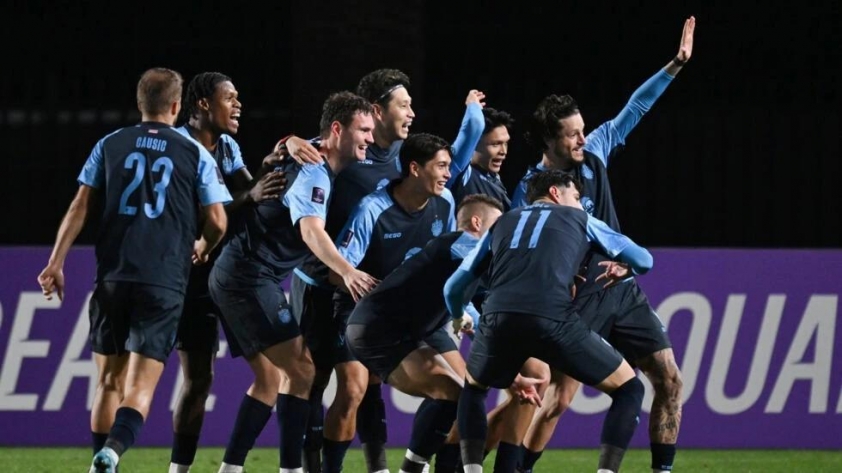
Compared to other Southeast Asian nations, Thailand clearly leads. No clubs from Vietnam, Malaysia, Indonesia, or Singapore have ever won or reached the AFC Champions League final. The best regional performances usually end at the round of 16 or zonal quarterfinals, such as Malaysia’s Johor Darul Ta'zim or some Vietnamese teams that have challenged the group stages.
With a solid foundation from history and modern investment, Thai football continues to be the flagship of Southeast Asia. Clubs like Buriram United, BG Pathum United, and Chiangrai United strive to bring the region closer to Asian powerhouses such as Japan, South Korea, and Saudi Arabia. However, the biggest challenge remains the financial and infrastructure gap, requiring regional cooperation to elevate the overall level.


Wonderfulshortvideo
Did you get it? 🤔😅


Haaland’s movement 🥵
When you use your girlfriends shower 🚿 @Emily Bourne @LUSH
Neymar highlights neymar edit neymar lamine yamal celebration
Arsenal 1-0 chelsea havertz goal
yamal goal yamal instagram yamal dribble barcelona 2-1 albacete yamal highlights yamal edit
casemiro goal casemiro assist casemiro 6 7 celebration
 Links
Links
 Contact
Address:UNIT 1804 SOUTH BANK TOWER, 55 UPPER GROUND,LONDON ENGLAND SE1 9E
Number:+85259695367
E-mali:[email protected]
 App
App


