



Because of MU, FIFA must take immediate action



FIFA keeps drawing focus with its proposal to increase the Club World Cup lineup from 32 to 48 clubs, beginning in 2029.
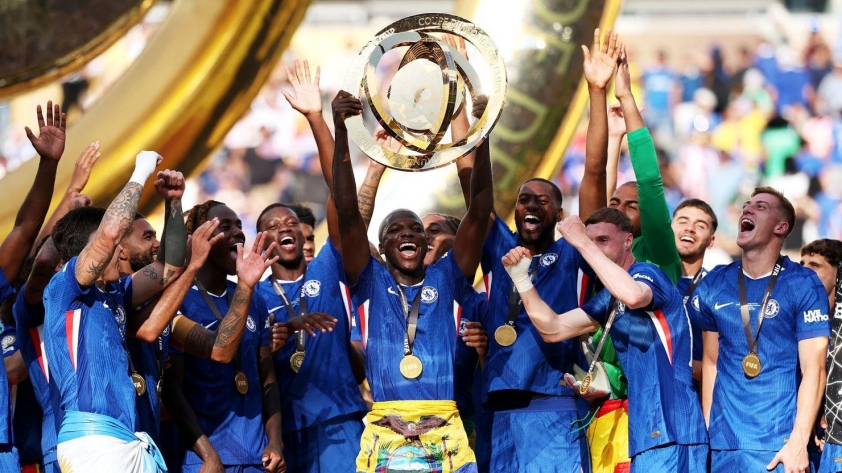
Following the successful commercial and media reception of the 32-team edition held in the United States in 2025, the World Football Federation is considering elevating the tournament to an unprecedented scale in club football history.
According to the released data, the 2025 Club World Cup attracted nearly three billion viewers worldwide and over two million spectators attending matches in person. Although some games had low attendance, FIFA still regards this as a significant step toward establishing a truly global “Club World Cup.”

However, the tournament has faced considerable controversy. One of the main criticisms comes from European fans, as many top clubs are absent. Big names like Barcelona, Liverpool, and Manchester United are all missing from the 2025 edition, causing many to question the tournament’s representativeness. Meanwhile, some lesser-known European clubs have secured spots, sparking mixed opinions.
According to The Guardian, FIFA and UEFA are gradually finding common ground regarding the tournament’s future. Previously, UEFA opposed holding the Club World Cup every two years due to concerns over the UEFA Champions League’s appeal. However, FIFA revised the plan to hold the event every four years, similar to the FIFA World Cup, to ease scheduling pressures and address federation concerns.
In the 2025 edition, the allocation of spots is as follows: Europe receives 12 slots, South America 6, North America 5, Asia 4, Africa 4, and Oceania 1. If expanded to 48 teams by 2029, FIFA will need to allocate 16 additional places. Will Europe gain a significant increase to ensure more “big clubs” participate, or will FIFA prioritize developing regions to broaden global influence?
Expanding the Club World Cup is not only about sporting significance but also involves massive commercial interests. Many experts believe that if the tournament can attract more top clubs worldwide, it could directly compete with the Champions League in terms of appeal.

Between now and 2029, negotiations between FIFA and continental federations are expected to be intense. But one thing is clear: the Club World Cup is on track to become the biggest club competition on the planet, both in scale and ambition.



Wonderfulshortvideo
When you use your girlfriends shower 🚿 @Emily Bourne @LUSH


Neymar highlights neymar edit neymar lamine yamal celebration
Arsenal 1-0 chelsea havertz goal
yamal goal yamal instagram yamal dribble barcelona 2-1 albacete yamal highlights yamal edit
casemiro goal casemiro assist casemiro 6 7 celebration
Man city haaland edit haaland goal haaland goal streak haaland drought man city table premier league table
australian open final carlos alcaraz wins australian open alcaraz interview alcaraz press conference djokovic interview djokovic press conference
 Links
Links
 Contact
Address:UNIT 1804 SOUTH BANK TOWER, 55 UPPER GROUND,LONDON ENGLAND SE1 9E
Number:+85259695367
E-mali:[email protected]
 App
App


