



High intensity + fast pace! With all foreign players in place, Zhejiang team accelerates winter training comprehensively



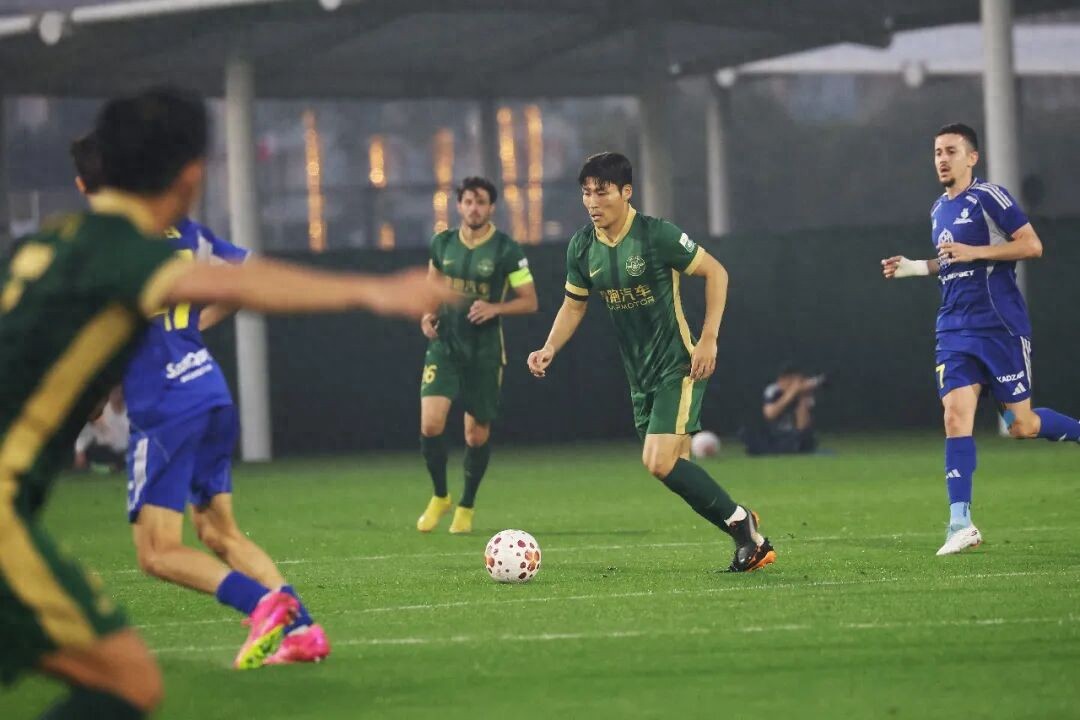
Written by Zuo Rui After winter training in Foshan and Dubai, the Zhejiang team under Ross Aloisi has made noticeable progress in training intensity and quick-paced duels compared to previous times. The Australian head coach aims to lead the team back into the CSL’s top group next season through collective hard work.

With the arrival of three foreign players — Korean defensive midfielder Park Jin-seop, Croatian attacking midfielder Marko Tolić, and Venezuelan striker Seul Guarilapa — a brand-new central axis for Zhejiang was formed during the Dubai winter training. Compared with previous seasons, these three foreign players have a more balanced age structure, stronger physiques, and more comprehensive skills. However, their accelerated integration with the whole team is crucial to significantly enhancing overall team strength.
Due to limited domestic player options in the winter transfer window, Zhejiang has only signed one forward, Fang Hao. This means the new central axis composed of foreign players represents the biggest variable for Zhejiang next season. The abilities of the original two foreign players, Lucas and Mitrić, are already well established, and deploying five foreign players simultaneously might become the preferred or standard approach in tough matches next season. Besides that, the remaining six positions on the field are expected to be optimized within last season’s squad framework.
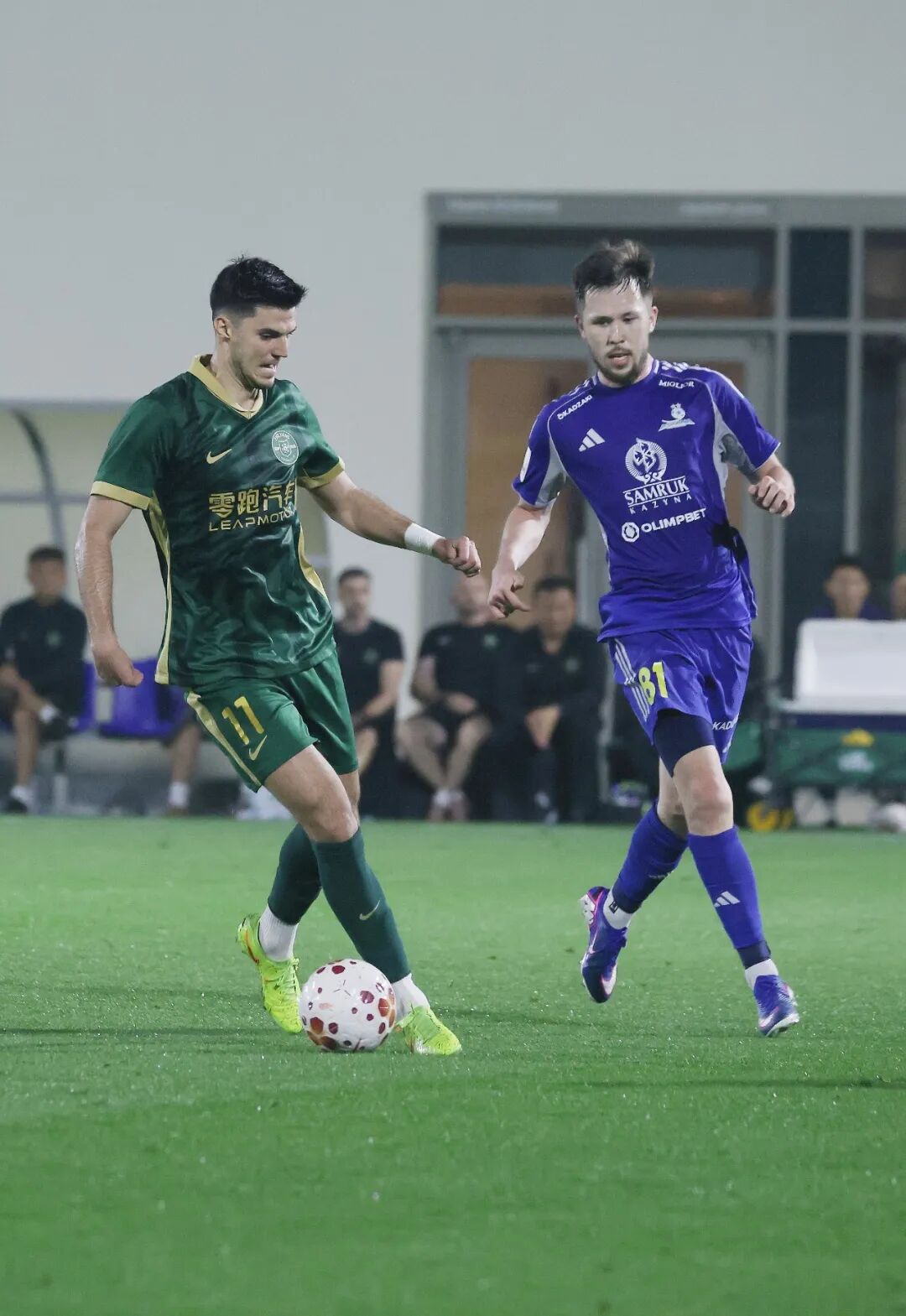
However, in the five friendly matches during the Dubai winter training, all three new foreign players appeared together only once — in the last game before the Spring Festival against Kazakhstan champions Almaty Courage. In that match, 30-year-old Park Jin-seop demonstrated excellent abilities in running, defensive support, physical duels, and organizing play; 29-year-old Tolić showed strong dribbling, skillful ball control, and passing. Compared with the first two who signed three-year contracts, 23-year-old Guarilapa, on a one-year loan, also met the new coaching staff’s expectations with his ball possession, breakthrough, and finishing skills.
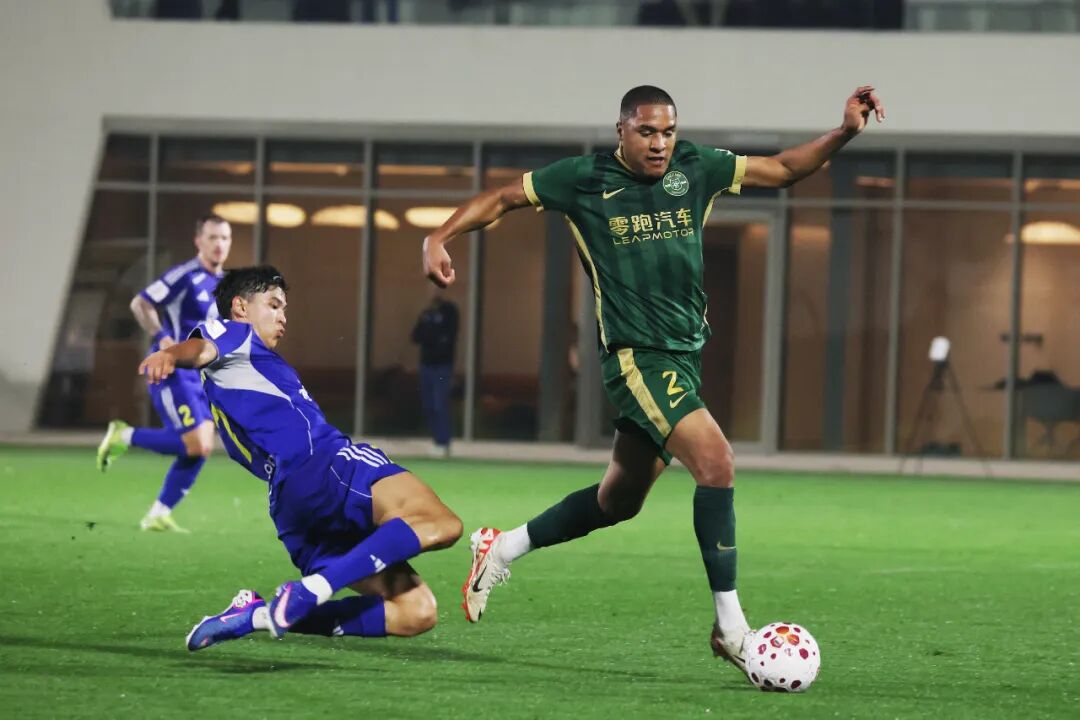
So far, Ross’s new formation and tactics have not been publicly revealed, but frequent attempts to shift the defense from three center-backs to four defenders, combined with the presence of five strong foreign players, have intensified competition for positions within the team. Under such circumstances, even Brazilian center-back Lucas and U23 national team captain Liu Haofan dare not slack off, while Zhang Aihui and Wang Shiqin need to frequently train their positional skills to cover weaknesses and strive for starting spots.
Compared with the addition of new players, the bigger change in the midfield and front line lies in the formation. Ross’s coaching team believes that having only one fixed tactical style is insufficient to handle the fierce competition starting with a "-5 point handicap" next season. Therefore, depending on different opponents and their own personnel situation, the tactics and positioning in midfield and attack will be more flexible, even heavily biased toward offensive directions.
The midfield and forward lineup including Tolić, Guarilapa, Mitrić, Wang Yudong, Cheng Jin, and Park Jin-seop is certainly exciting, but how to maximize individual effectiveness and build a strong team synergy is clearly Ross’s biggest concern at present. Perhaps the first home game of the new season on March 8 against Qingdao West Coast will provide an initial test of the coaching staff’s work results.

Since regrouping at the Hangzhou Zhongtai base on the third day of the Lunar New Year, Zhejiang’s winter training has fully entered the CSL preparation phase. Since taking office, the dedication and professionalism of the new coaching team have earned unanimous recognition throughout the club. The theme of "high intensity, fast pace" is not only reflected in training and matches but also in the extensive preparation work, which surpasses previous coaching teams.
It is understood that Ross’s coaching team operates differently. They schedule only one training session before and after matches, arriving at the training ground by 10:30 AM to discuss the afternoon session. If there are two training sessions in a day, Ross leads the coaching team to the base as early as 6:30 AM, a time when even the club’s cafeteria staff have not started work yet.
Making extra training a routine and strengthening the squad a habit is both the club’s demand for the first team and something the coaching staff practices daily. During winter training, Wang Yudong practiced shooting more, Wang Shiqin worked on passing, and Zhang Aihui focused on heading — the improvements not only showed on the players themselves but even helped reduce the weight of the accompanying staff.
Besides tactical refinement, physical fitness is another key focus of winter training. For this, fitness coach Bjorn Rosemail has been extremely busy. In addition to dedicating himself to injury prevention training and performance enhancement, maintaining the theme of "high intensity, fast pace" during winter training will also affect Zhejiang’s performance on the CSL field.
Since taking charge in early January, Ross has never publicly described his tactical model, only vaguely referring to it as "faster pace and more aggressive." However, the team’s working style has already made the players realize that achieving this goal is not easy. If Ross’s team can indeed raise the tempo of matches, it will be beneficial for the CSL, the players who depend on it, and the fans who enjoy it.


Wonderfulshortvideo
Things you really love to see


When you use your girlfriends shower 🚿 @Emily Bourne @LUSH
Neymar highlights neymar edit neymar lamine yamal celebration
Arsenal 1-0 chelsea havertz goal
Ahead of his 100th cap, Sir Keir Starmer had this message for Maro Itoje…
yamal goal yamal instagram yamal dribble barcelona 2-1 albacete yamal highlights yamal edit
casemiro goal casemiro assist casemiro 6 7 celebration
 Links
Links
 Contact
Address:UNIT 1804 SOUTH BANK TOWER, 55 UPPER GROUND,LONDON ENGLAND SE1 9E
Number:+85259695367
E-mali:[email protected]
 App
App


