



American Capital Acquires Atlético Madrid, Villa Joins "Star Player Board Club"



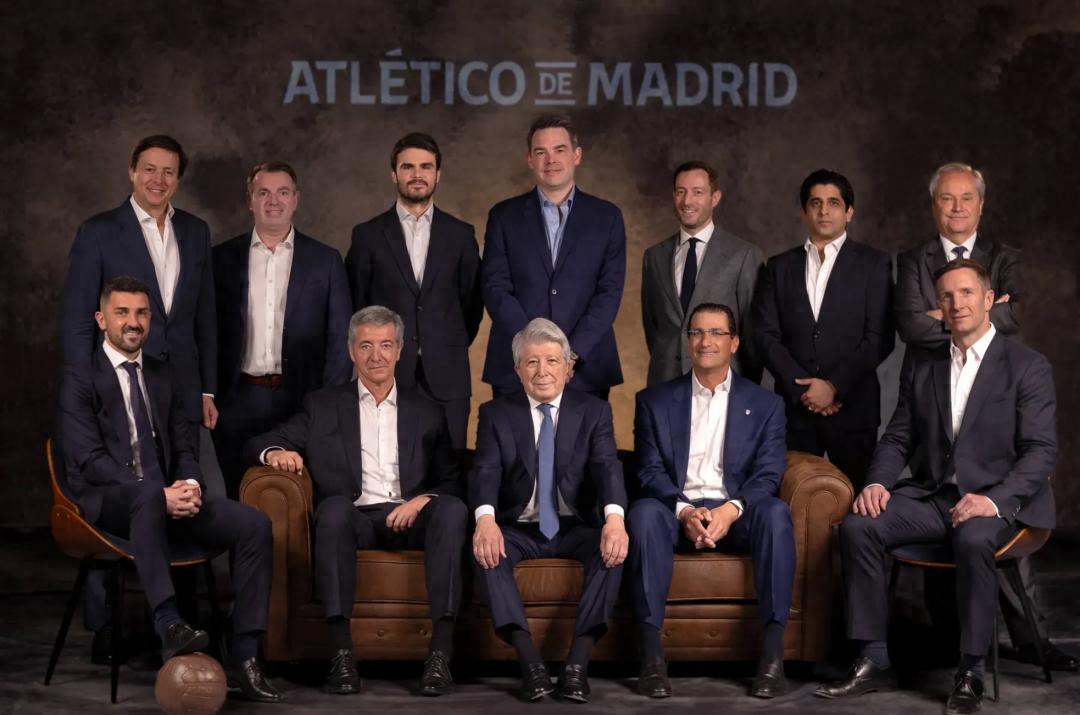
Written by Han Bing On March 12, Spanish giants Atlético Madrid held a special shareholders meeting, formally approving the acquisition by North American Apollo Capital Sports Capital. Apollo Sports is expected to bid 25 billion euros to acquire 55% of Atlético Madrid's shares, becoming the new owner. Among the nine new board members is a name familiar to Atlético fans: Villa. The 44-year-old Spanish legendary player played for Atlético Madrid in the 2013/14 season, helping the team win its 10th La Liga title and reach the Champions League final for the second time. Twelve years later, he returns to Atlético Madrid as a board member, embarking on a new career as a football executive.
After leaving Atlético Madrid in the summer of 2014, Villa embarked on a "global tour" of his career. Over seven years, he played in North America (New York City FC), Australia (Melbourne City), and Japan (Vissel Kobe). In the Emperor's Cup final on January 1, 2020, Villa came on as a substitute in the 92nd minute, securing his last championship before retirement.
After retiring, Villa shifted his career path to management. He participated in the investment of Queensboro FC in New York and served as the Global Football Operations Director for Odisha FC in the Indian Super League in May 2021. In March 2023, Villa's own DV7 Group acquired Benidorm FC, a club in the Valencia regional league. His football executive career reached new heights upon joining Atlético Madrid's board.
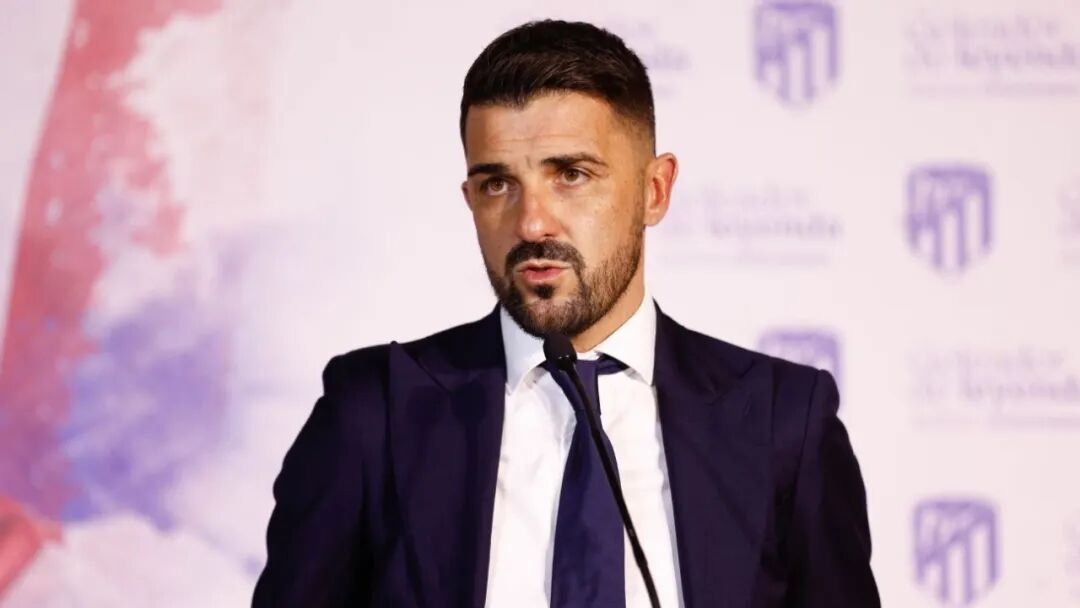
There are many star players who enter club management after retirement, serving as sports directors or general managers, but joining the board and becoming part of the decision-making layer is not easy.
Previously, the most familiar star player board member to fans was Beckham, a board member of Inter Miami. Although he is not a capital investor, he has significant influence in club commercial, promotional, and football matters. Now, Inter Miami has almost become the "Messi Club," largely due to Beckham's active efforts in facilitating the Argentine star's smooth arrival, which elevated the club's fame, popularity, revenue, and commercial value by several dimensions, making it a classic case in football club operations.
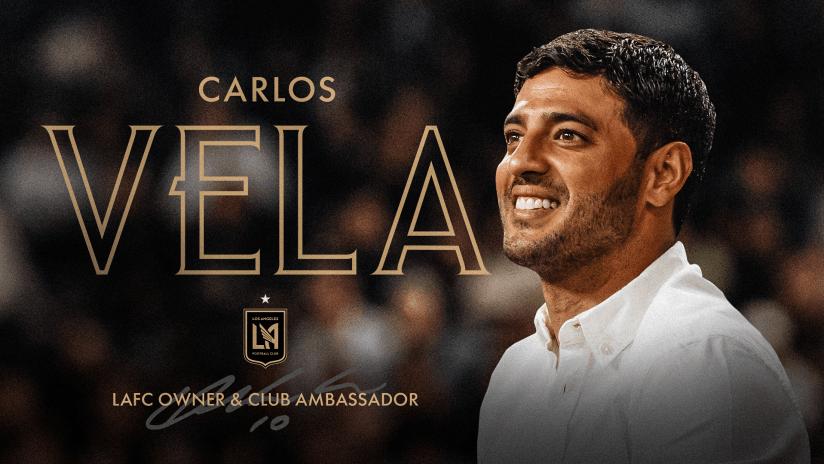
Just one day before Atlético Madrid announced Villa as a new board member, MLS club Los Angeles FC also announced that club legend Carlos Vela had joined its board. Vela is the first MLS player to transition into a board member of his club. He joined Los Angeles FC in the summer of 2017 as one of its founding players. Over six seasons, he became the club's record holder for appearances (152), goals (78), and assists (42). Vela created Los Angeles FC's golden era, enabling the club to rival LA Galaxy and establish itself among North America's top clubs.
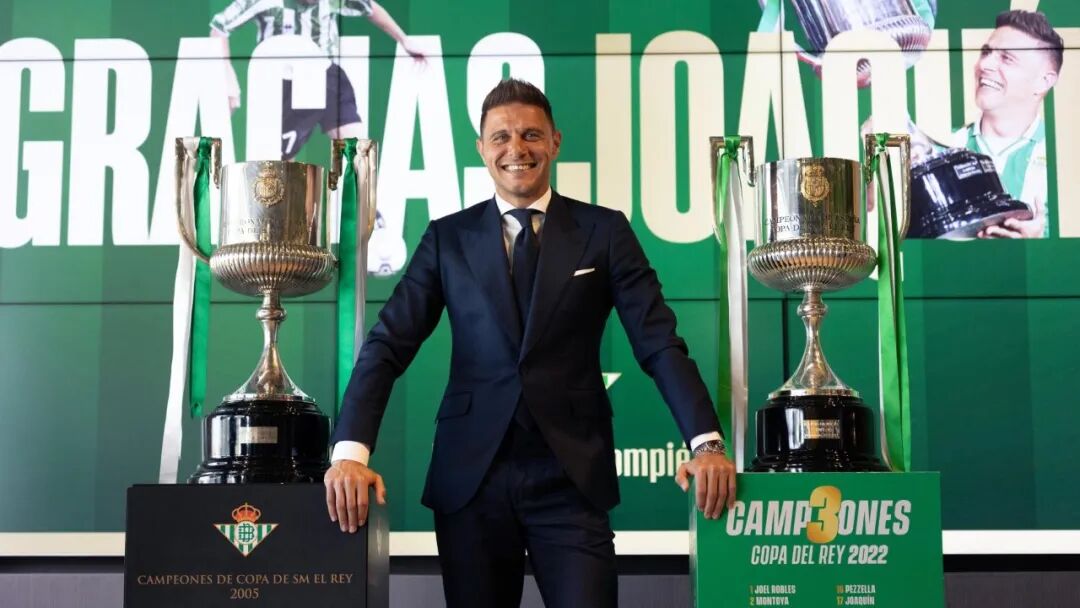
Last November, Betis announced that club legend Joaquín had become a new board member. Joaquín is the symbol of Betis in the 21st century. After retiring in 2023, he worked in the club's management and successfully ascended to the board by the end of last year, becoming a link between Betis's football department and the decision-making layer.
Other "star player board members" include Maldini, Drogba, Kanté, as well as Henry and Fabregas who became board members of Serie A surprise Como as minority shareholders. However, while many football stars join club boards, few like Villa become board members of a top-five league giant.
In February this year, Courtois joined the board of French second-tier club Le Mans through his personal investment vehicle NXTPLAYCapital, forming a luxurious "Sports Star Board" alongside tennis superstar Djokovic, F1 drivers Massa and Magnussen. In early March, Cristiano Ronaldo acquired 25% of Almería through his CR7 Sports Investment company, entering the board as a minority shareholder. Additionally, if no surprises occur, after stepping back from football, Cristiano Ronaldo and Messi will respectively join the boards of Al Nassr and Inter Miami, continuing to "serve" these two clubs.
Unlike former stars like Ronaldo, Piqué, Mbappé, and Vinícius who acquire clubs to become owners, "star player board members" do not have the capital to control the club, but they possess significant influence within the board and represent the investor's emphasis on football professionalism.


Wonderfulshortvideo
Kvaratskhelia and Ronaldo 🫶


🇪🇸 Spain 🆚 Argentina 🇦🇷
Arsenal goal today arsenal 2-1 chelsea arteta interview arteta press conference
When Diogo Costa saved EVERY penalty he faced in the shoot-out 🤯🤯🤯
The movement is electric ⚡️
Mbappe injury mbappe surgery real madrid 0-1 getafe mbappe return date mbappe edit
ronaldo almeria ronaldo buying new club ronaldo owner ronaldo manchester united owner
 Links
Links
 Contact
Address:UNIT 1804 SOUTH BANK TOWER, 55 UPPER GROUND,LONDON ENGLAND SE1 9E
Number:+85259695367
E-mali:[email protected]
 App
App


