



Double disappointment, is Pep Guardiola's era at Manchester City nearing its end?



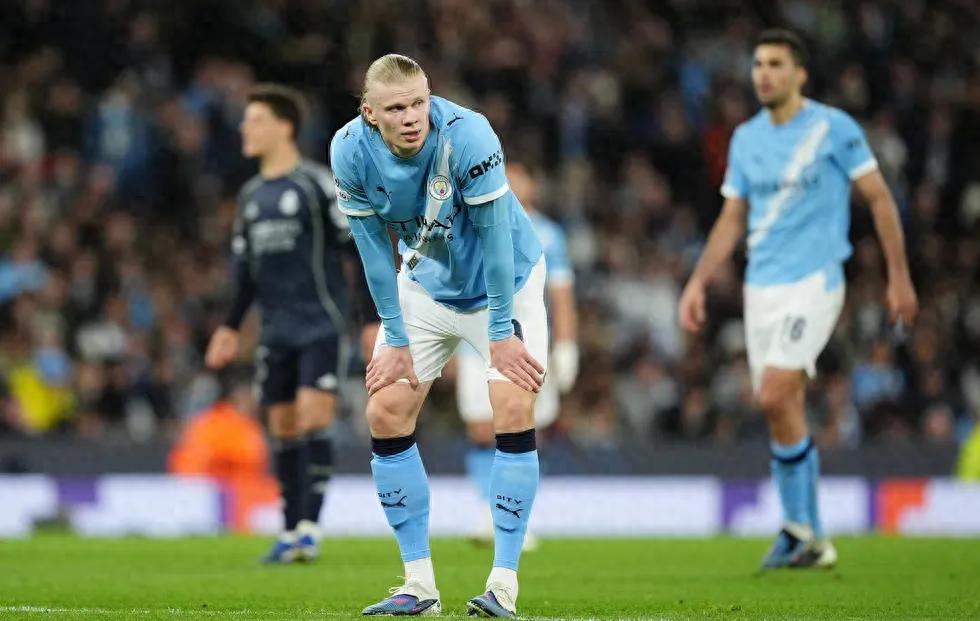
Written by Han Bing The night of March 17 was a blue night of melancholy for the Premier League. Manchester City and Chelsea, both trailing by a net deficit of three goals in the first leg of the Champions League quarter-finals, failed to stage miraculous reversals at home in the second leg, instead suffering defeats once again.
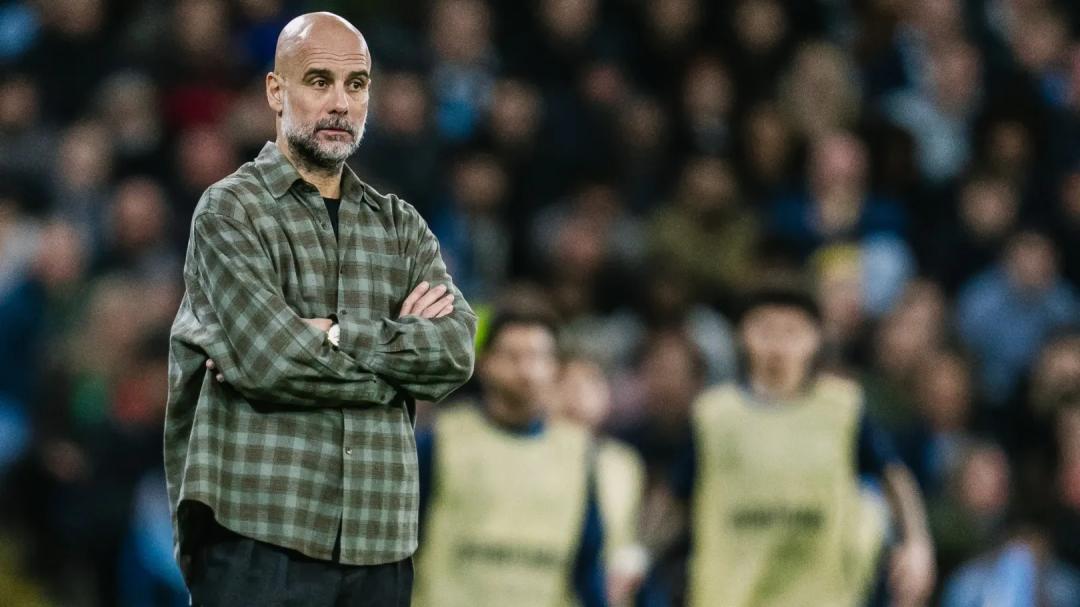
Compared to Chelsea, which is already in a rebuilding phase, the future direction of the Sky Blues and Guardiola, who still has a contract, is a topic of greater external concern. Although Guardiola, after the match, still pondered whether a major reversal could truly have happened if they hadn't been reduced to ten men early on, the harsh reality of being eliminated from the Champions League quarter-finals for two consecutive years and trailing Arsenal by nine points in the league with one fewer game played cannot be ignored.
Guardiola's Manchester City era has once again reached a crossroads, this time each direction leading to the final chapter of the story, with the outcome being either joyful or sorrowful.

Before the match, the stadium's big screen played a compilation of Manchester City's historic goals, especially Aguero's last-minute winner in 2012 that secured the title reversal—the "9320" moment... Another Champions League quarter-final second leg held two hours earlier, where Sporting Lisbon defeated Bodø/Glimt 5-0 at home, successfully reversing a 3-0 deficit from the first leg, filled Manchester City with even greater anticipation.
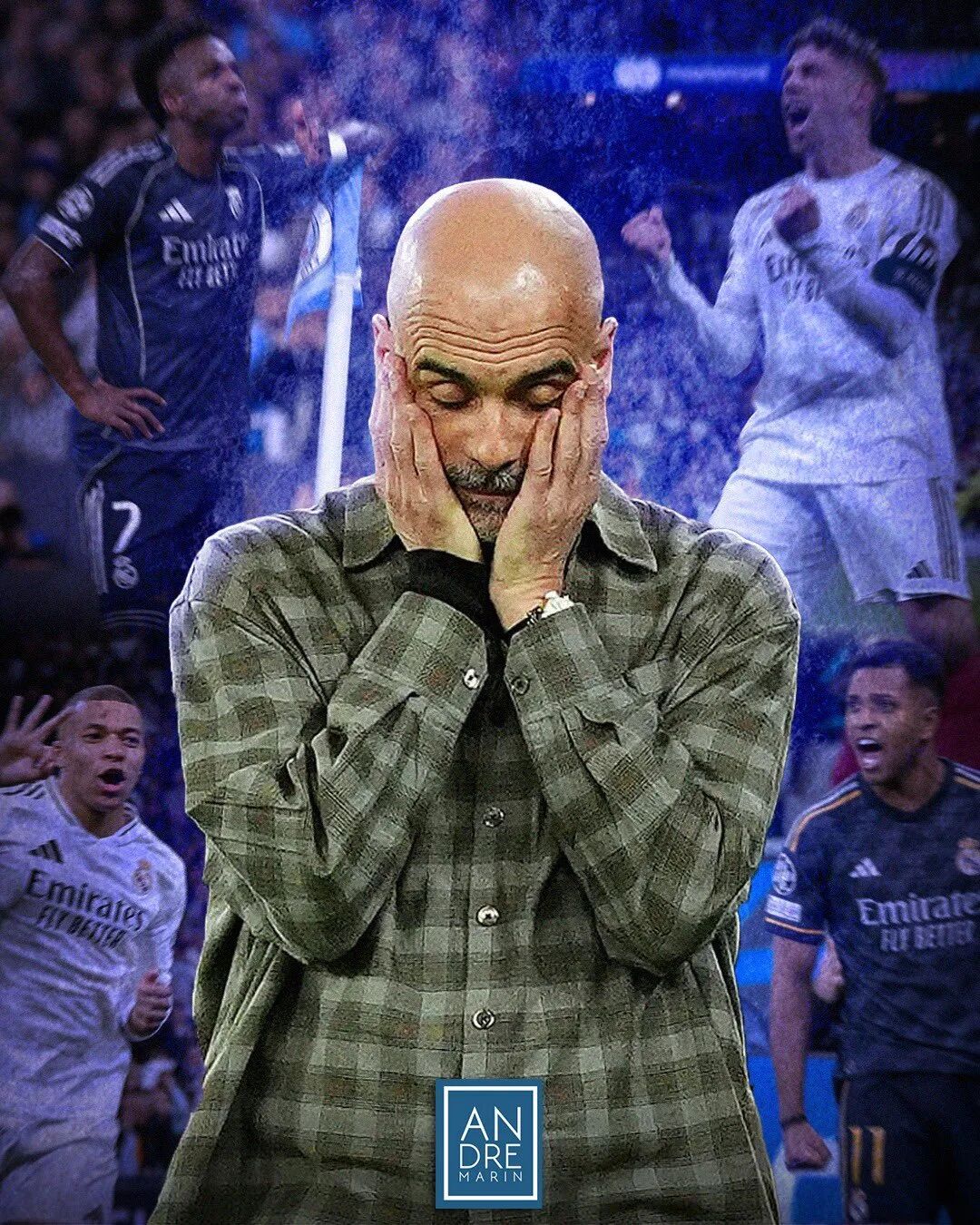
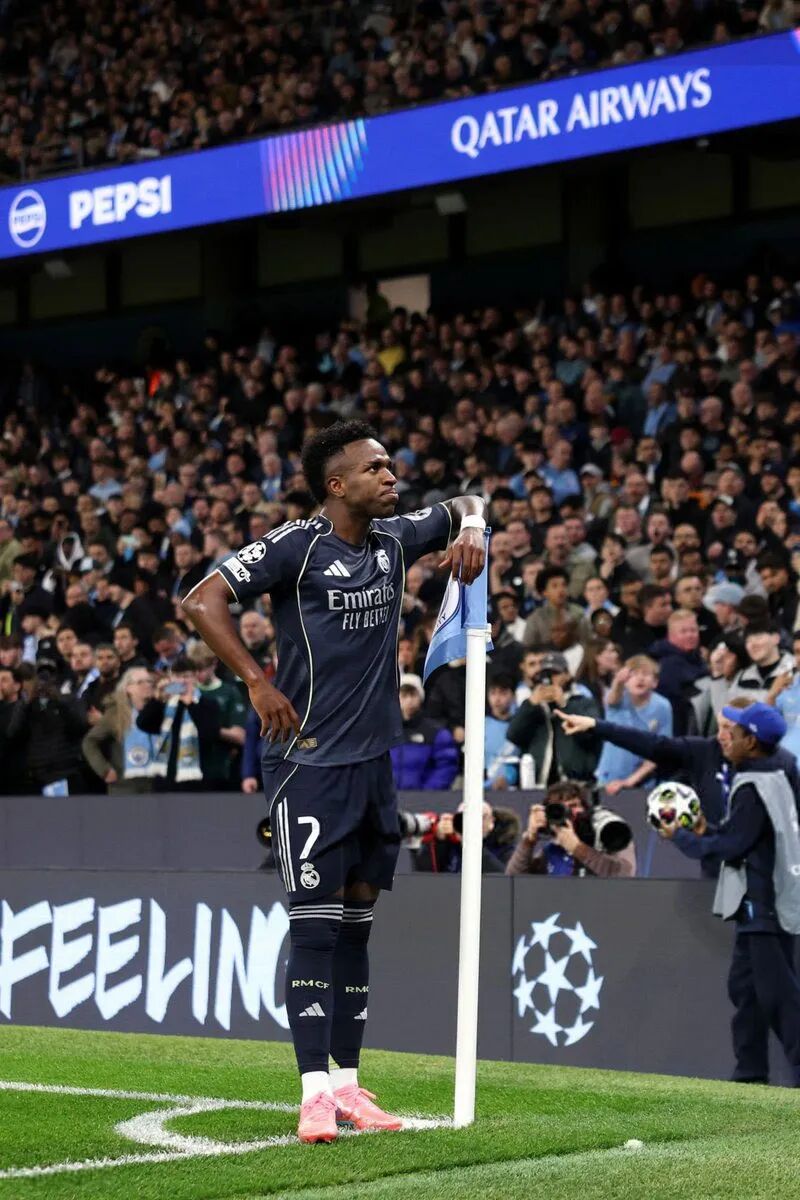
But such anticipation lasted only 20 minutes: B. Silva blocked Vinícius's shot with his elbow, resulting in a "red card + penalty" combo for Manchester City. Vinícius converted the penalty, and with a 0-4 deficit, Manchester City's Champions League journey ended 70 minutes early. Haaland's goal in the 41st minute was merely consolation; even the substitution of injured goalkeeper Courtois with Lunin could not change the outcome. Vinícius's second goal in the 93rd minute marked Manchester City's fifth elimination by Real Madrid in the Champions League and their third double defeat by the Galácticos.
Guardiola suffered his fifth Champions League elimination by Real Madrid in his coaching career and his fourth double defeat in the Champions League, with three of those against Real Madrid, and being eliminated by Real Madrid for three consecutive seasons. The Spanish maestro has only failed to reach the quarter-finals twice in 16 Champions League knockout campaigns—both in the last two seasons, against Real Madrid, who seem to be Guardiola's "destined nemesis."
Before the match, Guardiola was still boosting morale: "We have scored four goals in many matches at the Etihad Stadium, we have the ability to do it again." In the previous 23 home games this season, Manchester City only scored at least four goals three times, including a 5-1 win against Burnley in the Premier League and a 4-1 victory over Dortmund in the Champions League; additionally, there were six 3-0 wins that could have pushed Manchester City into extra time, opponents including Manchester United and Liverpool—but what truly dashed hopes was the Sky Blues' poor attacking prowess recently.
At home against Real Madrid, 22 shots yielded only one goal. Before this match, Manchester City's four main attackers—Haaland, Doku, Foden, and Cherki—combined for only four goals in 65 matches, which was the decisive factor. Foden's goal drought extended to 19 games, Doku's to 18, both last scoring last year. Cherki's goal drought lasted 10 games, and Haaland scored only four goals in his last 18 matches. In the first leg, Haaland had only 10 touches and zero shots on target; at home, although he scored one goal, he was substituted in the 56th minute, and the goal droughts of the other three increased by another game. Substitute Semenyo was the only striker with stable form (7 goals, 2 assists in 15 games), but it was too late.

The home match against Real Madrid was Guardiola's 191st Champions League game as a coach, surpassing Ferguson (190 games) to rank second in Champions League history, behind only Ancelotti (218 games). But what people care about is that they seem to be witnessing Guardiola's Manchester City era slowly and irreversibly drawing to a close. Guardiola still joked: "Only if I win six Champions League trophies will I be considered successful, otherwise it's a failure." Regarding external rumors about his departure, Guardiola insisted that his transformation of Manchester City is not yet complete: "Even after being eliminated from the Champions League and ranking low in the Premier League, we are still an incomplete team, and we have all seen a Manchester City that was more like a cohesive unit."
Guardiola hasn't given up on the entire season; he mentioned the Sunday League Cup final and the subsequent FA Cup quarter-final against Liverpool: "We are still competing for the Premier League title, next season we will again compete in the Champions League, this is what we must do." Leading the team through difficult times for two consecutive seasons, Guardiola repeatedly emphasized that he will fulfill his contract, solely to hand over a Sky Blues squad that has once become a "complete team" to his successor.
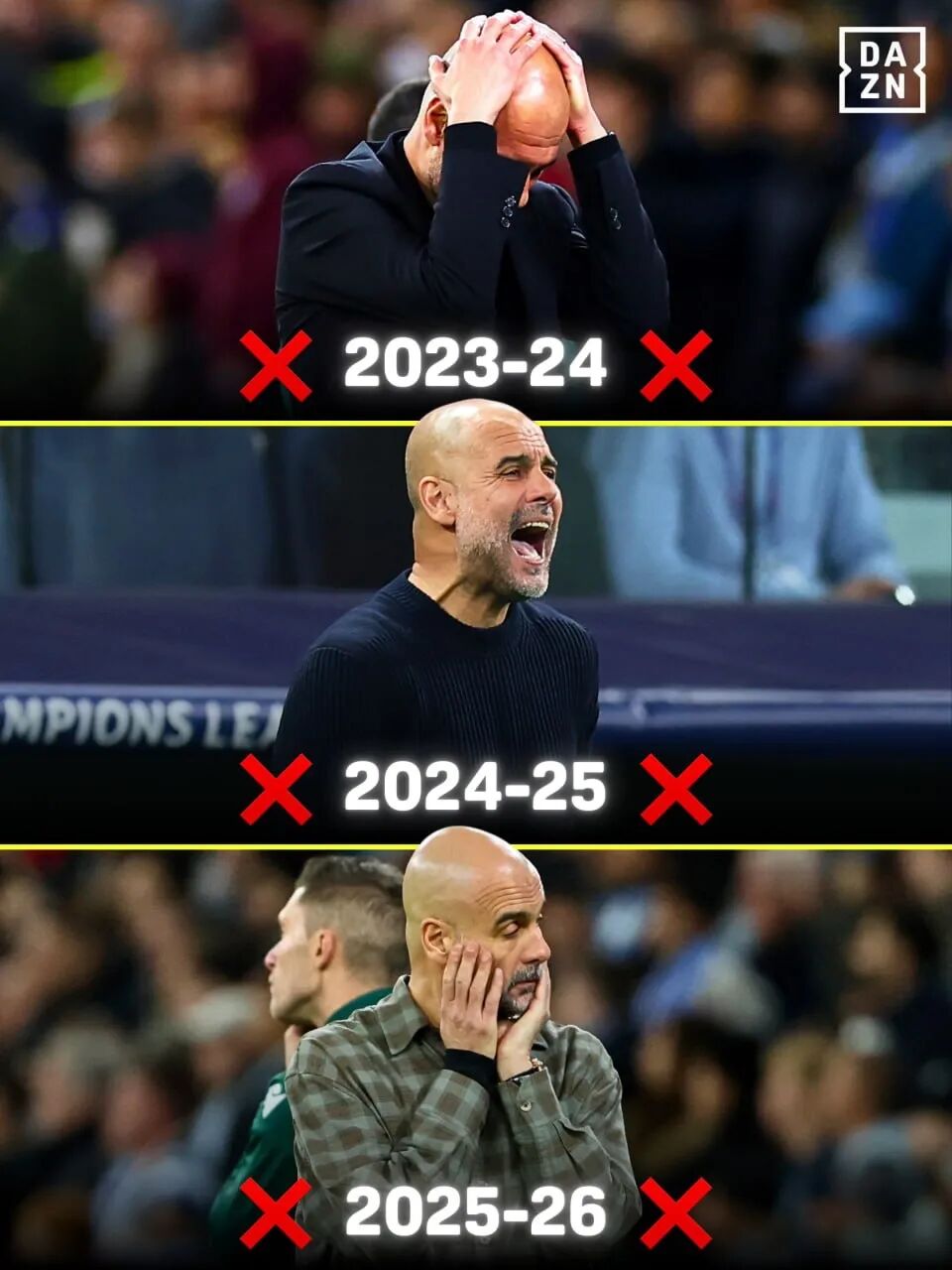
Guardiola spoke optimistically about Manchester City's bright future, but externally, what is seen seems to be an endless period of painful transition. In the last two seasons, Manchester City's investment in transfers reached 540 million euros, with mid-season "reinforcement" spending in just two winter windows amounting to 313 million, but the results have been minimal. Synchronized with the last two "rebuilding seasons" is not only dismal Champions League performance; Guardiola's dynasty at Manchester City, spanning eight seasons with seven titles and one runner-up finish, no longer exists. Last season, Manchester City only finished third in the Premier League and lost to Crystal Palace in the FA Cup. This season, they again missed the Champions League quarter-finals and trail Arsenal by nine points in the Premier League with one fewer game played. Concurrent with the double defeat in the Champions League are two draws after four consecutive Premier League wins, costing four points, making hopes of overtaking Arsenal for the title as slim as Champions League advancement.
Previously, whether at Barcelona or Bayern Munich, major trophies were key factors determining Guardiola's stay. He left Barcelona after simultaneously missing out on Champions League and La Liga trophies for the first time, and departed Bayern after three consecutive seasons stopping at the Champions League semi-finals. At Manchester City? Can the Abu Dhabi owners tolerate Guardiola missing out on both major trophies for three consecutive seasons?


Wonderfulshortvideo
Kvaratskhelia and Ronaldo 🫶


🇪🇸 Spain 🆚 Argentina 🇦🇷
Arsenal goal today arsenal 2-1 chelsea arteta interview arteta press conference
When Diogo Costa saved EVERY penalty he faced in the shoot-out 🤯🤯🤯
The movement is electric ⚡️
Mbappe injury mbappe surgery real madrid 0-1 getafe mbappe return date mbappe edit
ronaldo almeria ronaldo buying new club ronaldo owner ronaldo manchester united owner
 Links
Links
 Contact
Address:UNIT 1804 SOUTH BANK TOWER, 55 UPPER GROUND,LONDON ENGLAND SE1 9E
Number:+85259695367
E-mali:[email protected]
 App
App


