



FIFA grants unprecedented privilege to South American team at World Cup 2026



Despite strict regulations, FIFA has officially allowed Uruguay to use four stars on their badge at World Cup 2026 to honor their unparalleled historical legacy.
The latest decision from FIFA has drawn public attention as Uruguay is permitted to continue using four stars on their team badge at World Cup 2026. Notably, this South American team has only won two World Cup titles, in 1930 and 1950, and according to current rules, each title corresponds to one star.
However, FIFA accepted Uruguay's special request, allowing them to retain two additional stars. These stars do not come from World Cup victories but represent two Olympic gold medals from 1924 and 1928. This is the main point of controversy, as FIFA typically only recognizes titles within its own system.
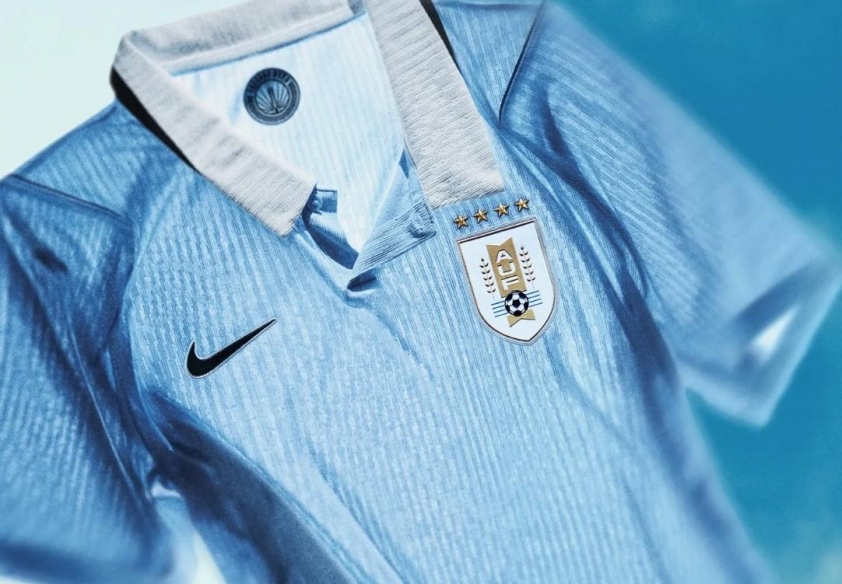
The reason behind this decision lies in historical factors. Before the World Cup was established in 1930, FIFA regarded Olympic football tournaments as the world championships for national teams. Therefore, Uruguay's two Olympic titles are recognized as equivalent to world titles during that period.
Uruguay is one of the teams with the most unique history in world football. They not only hosted and won the first World Cup in 1930 but also created one of the biggest shocks in history by defeating Brazil away to claim the title in 1950.
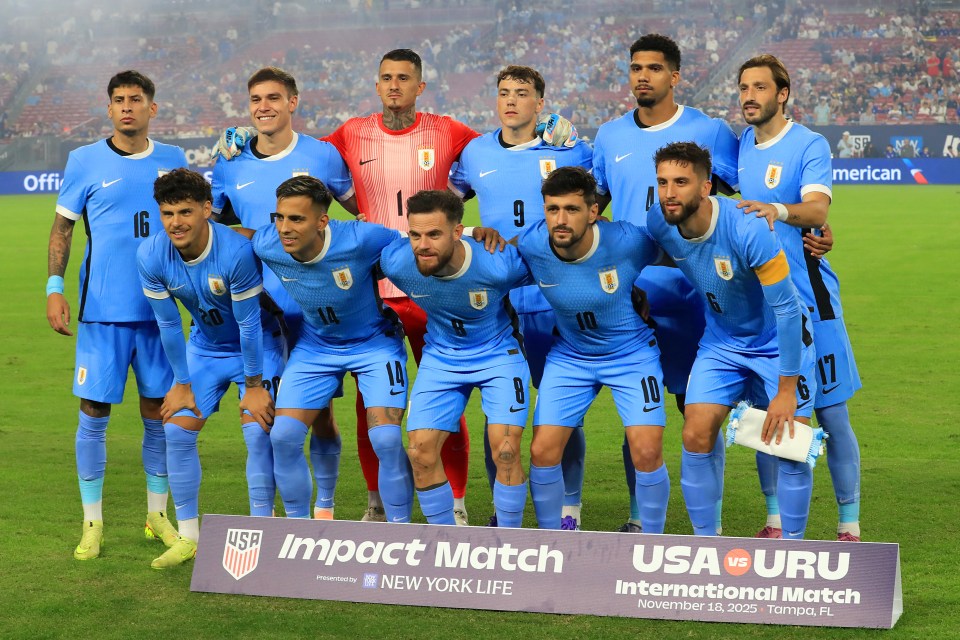
Thus, keeping four stars on their jersey is seen as FIFA's way of honoring a special historical era in world football. However, not every country receives similar favor.
In the past, Egypt requested to add seven stars to their jersey to represent their CAN championship wins, but FIFA refused. The reason given was that the African tournament is not under FIFA's management system, so it does not qualify for inclusion as stars on the jersey.

The difference in handling these two cases leads many to believe FIFA applies inconsistent criteria. Nevertheless, Uruguay will still enter World Cup 2026 with the emblem of four stars on their chest, as part of the historical legacy they built nearly a century ago.
This decision not only carries professional significance but also reflects how FIFA recognizes and preserves football's traditional values. While debates persist, Uruguay maintains its unique position on the world football map.


Wonderfulshortvideo
🇪🇸 Spain 🆚 Argentina 🇦🇷


Arsenal goal today arsenal 2-1 chelsea arteta interview arteta press conference
When Diogo Costa saved EVERY penalty he faced in the shoot-out 🤯🤯🤯
The movement is electric ⚡️
Mbappe injury mbappe surgery real madrid 0-1 getafe mbappe return date mbappe edit
ronaldo almeria ronaldo buying new club ronaldo owner ronaldo manchester united owner
de bruyne edit de bruyne passing kdb edit kdb passing highlights rodrygo kevin de bruyne neymar kevin de bruyne
 Links
Links
 Contact
Address:UNIT 1804 SOUTH BANK TOWER, 55 UPPER GROUND,LONDON ENGLAND SE1 9E
Number:+85259695367
E-mali:[email protected]
 App
App


