



Wang Qiang: Teaching children a skill that benefits them throughout their life provides a sense of accomplishment that other positions cannot offer.



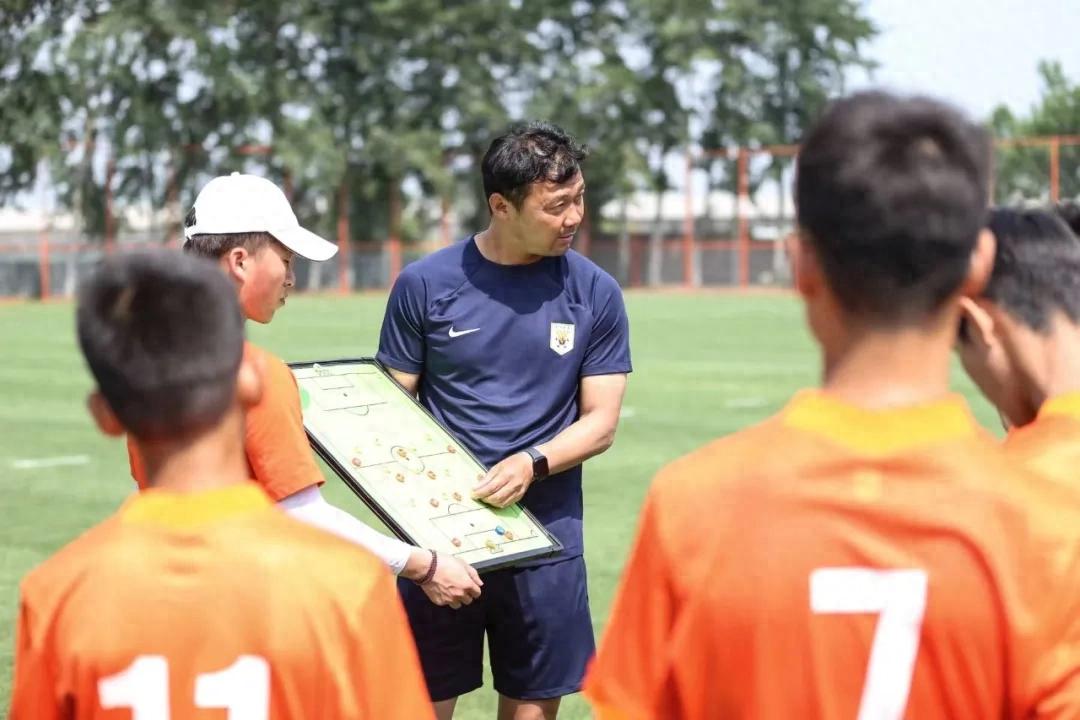
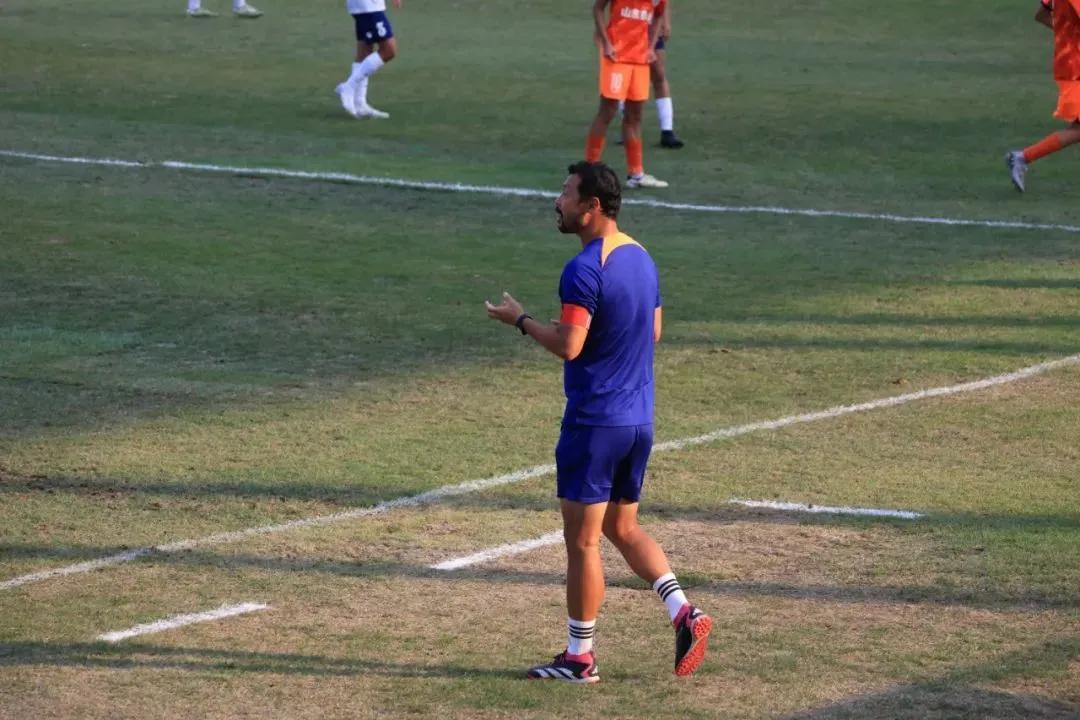
Report by journalist Lu Mi. After retiring, Wang Qiang immediately engaged in grassroots youth training. He endured the challenges of school football, and after seven years of dedicated work, he now coaches the Shandong Taishan U17 team. Regarding the open letter from Chinese Football Association President Song Kai urging veteran national team players to dedicate themselves to youth training, Wang Qiang expressed deep agreement. Drawing from his own experience, he called for improvements in the evaluation, support, and development systems for coaches, so that retired national team players can confidently engage in youth training, thereby enhancing the quality of Chinese football talent from the grassroots level.

◆Football: What is your view on the open letter from CFA President Song Kai urging veteran national team players to dedicate themselves to youth training?
Wang Qiang: I believe this is a very timely topic. President Song Kai’s open letter urging veteran national team players to engage in youth training not only continues his consistent emphasis on technical football and youth development since taking office, but also addresses a key long-standing weakness in Chinese football. In my view, for a long time, knowledgeable individuals have not been on the frontline of coaching. Many retired players, especially those with national team experience, face difficulties transitioning. Due to salary disparities or lack of systematic development pathways, they often choose to stay away from grassroots youth training—either leaving football altogether or pursuing coaching positions in professional teams. President Song Kai’s open letter breaks this “moving upward” inertia and leverages the professional expertise and exemplary influence of retired national team players to address the long-standing issue of insufficient professional competence among grassroots youth coaches. I think this is a very good direction.
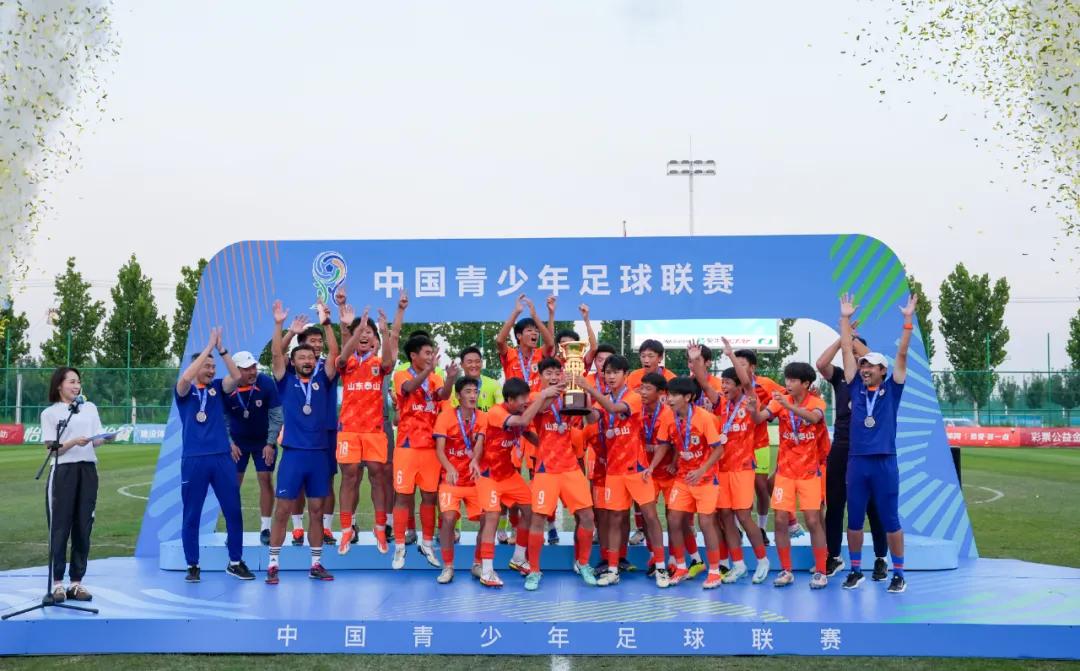
◆After retiring, you immediately engaged in grassroots youth training work, which was a “counter-trend” decision at that time. What were your thoughts?
I wanted to coach a team myself to see if the children could play the style of football I envisioned. I’m not afraid to admit that our generation of players received plenty of criticism during our playing days. Comments like “static defending” and “only long balls” were heard more by me than anyone. Sometimes it felt unfair, sometimes I felt the criticism was justified. Our understanding of the game during our playing era indeed lagged behind that of Japan, South Korea, Iran, and Saudi Arabia. Where did this gap originate? It didn’t start at the national team level; it began at ages seven or eight, ten or twelve, in sports schools and youth teams.
After retiring, I wondered if I could impart my lifelong understanding of football and the lessons from my own missteps to the next generation, so that they wouldn’t have to address issues that should have been resolved during their youth only when they reach the senior level, as I did.
◆If we talk about sense of accomplishment, being an assistant coach in a professional team might bring higher recognition. Youth training coaches require a long time and may not achieve desired results.
Being an assistant coach for a national team or a professional team indeed appears glamorous, closer to the core, and seems to offer a smoother career path. But honestly, that involves more managerial and supportive tasks. The main responsibilities of an assistant coach in a professional team are analyzing opponents, assisting the head coach with tactical arrangements, and leading training sessions. I feel that is far from fundamentally changing a player.
An 8-year-old child who doesn’t even push the ball correctly with the inside of the foot—you teach him for three days, he corrects it, and he can use that technique for life. A 12-year-old child who doesn’t know when to pass or dribble on the field—you use a tactical session one afternoon, a video analysis, and he understands. His games for the next ten years will benefit. This sense of accomplishment from creating something from nothing, from rough to refined, cannot be provided by any other position. I believe what Chinese football lacks is not one more assistant coach in professional teams, but rather thousands of knowledgeable, responsible coaches at the grassroots level who can properly nurture promising talents from the root. During my years at Luneng Football School, watching those children from U13 to U15 develop physically, technically, and tactically year by year—that sense of accomplishment was much stronger than scoring a goal myself.
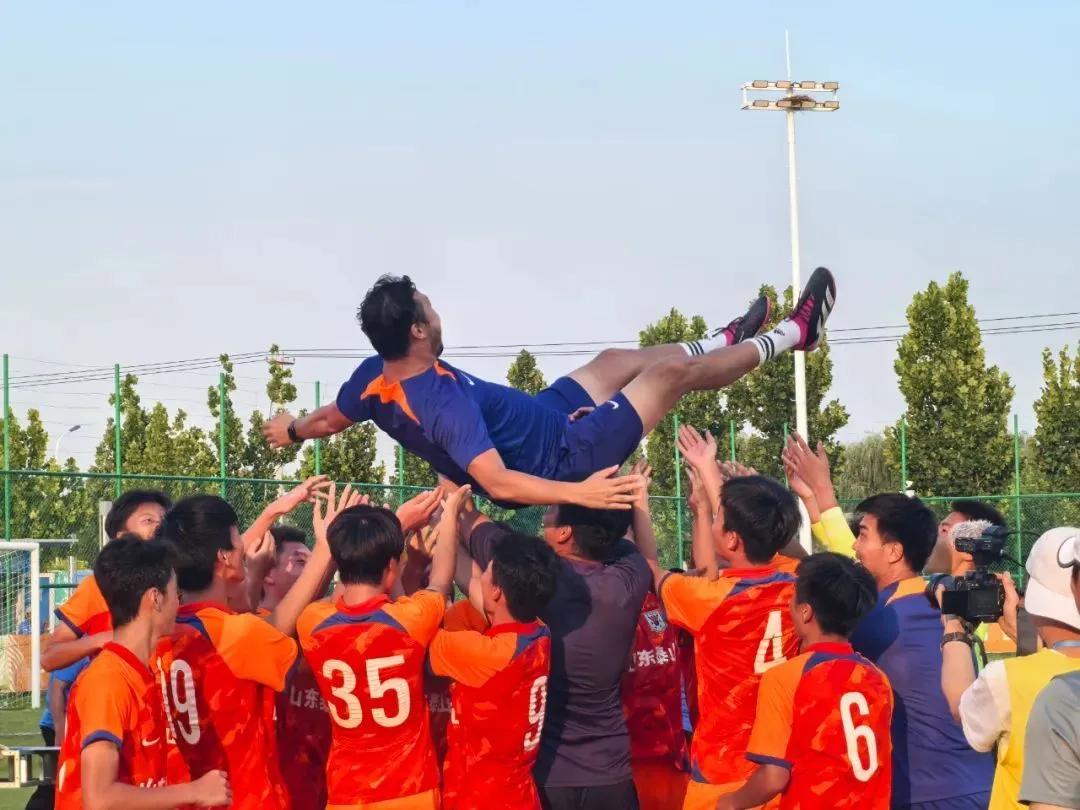

◆Football: From retirement to now, you have been in youth training roles for seven years. What difficulties did you encounter during this transition?
Wang Qiang: Initially, I coached a girls’ team at a school. About a month later, one day when I went for normal training, the school’s football administrator told me I didn’t need to coach that afternoon. I asked why. The football teacher said the principal had assigned a former student of his to be the coach, so I was no longer needed. That was my first taste of helplessness and reality. Then I went to another school, coaching first-grade children with zero foundation. Parents thought I coached very well. At that time, the monthly salary was 4000 yuan; after deducting fuel costs, I received about 1000 yuan. I was truly passionate and motivated, but encountered the same scenario again. The school couldn’t provide a reason, and I was forced to leave once more. These experiences made me feel that teaching football steadily at the grassroots level is very difficult.
◆How was the situation later at Luneng Football School?
Within the platform of Luneng Football School, I could more安心地 focus on studying football, thinking about how to coach children and teams well, and helping them grow. At least I didn’t have to worry about being suddenly told I was dismissed on the way to training.
Speaking of Luneng Football School, I have特别感触. Our宗旨 is一切为了孩子. A grassroots coach working alone is very challenging. No matter how passionate or knowledgeable you are, without systemic support, regular training updates, and guidance from high-level experts, you容易走偏 or lose motivation over time. Luneng Football School provided me not just a job, but a platform for continuous growth and contribution. Here, I am not fighting alone; there is a complete system supporting me, enabling me to better help the children.
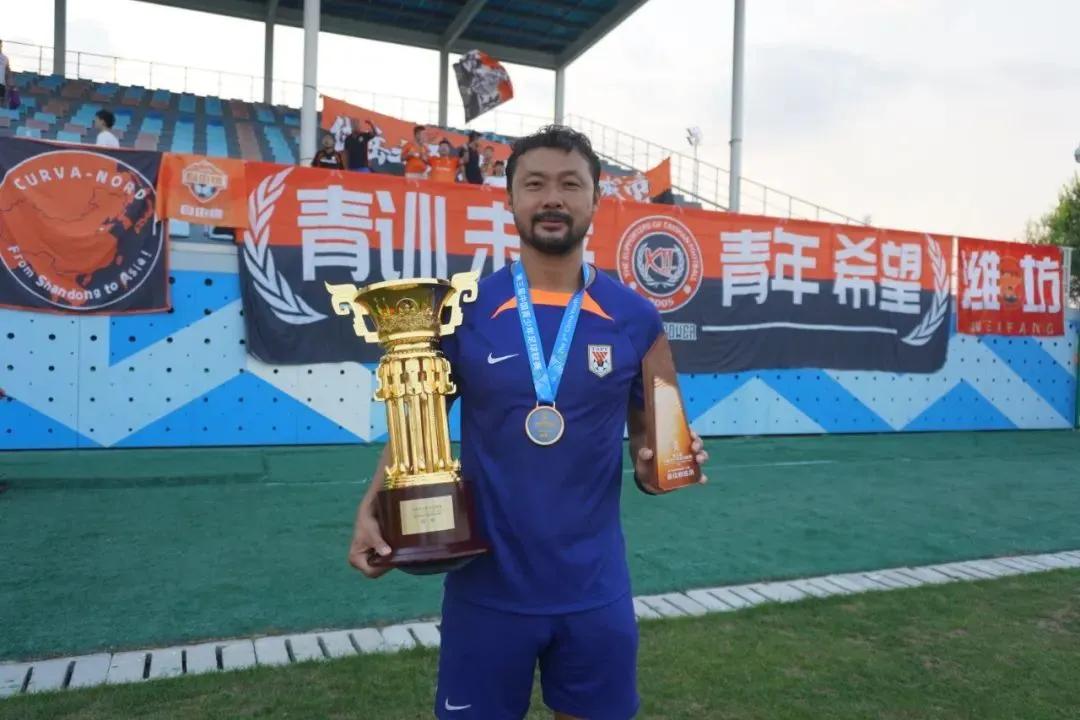

◆Football: Song Kai mentioned that the CFA will全力为退役国脚搭建平台、完善保障、畅通渠道, so that veteran national team players engaging in youth training have舞台、尊严、回报、荣光. What specific assistance do you most希望 the Chinese Football Association to provide?
Wang Qiang: First, establishing a scientific evaluation system for coaching effectiveness is particularly crucial and currently most lacking. How do we评价 a youth training coach now? Many look at the ranking of the team you coach. That is problematic. Because一旦用名次来考核, coaches will拼命用那些发育早、能冲撞的孩子,忽略技术打磨,忽略替补队员的培养. Ultimately, championships are won, but promising talents are wasted.
Secondly, the evaluation criteria for youth training coaches should not focus on short-term results, but on long-term output. For example, consider player retention rate: how many of the children you coach are still坚持踢球 three years later? Also, technical growth curve: have your players shown systematic improvement in core indicators like basic skills, positional awareness, decision-making ability? And职业转化率: how many children enter professional梯队若干年后?
I suggest the CFA could establish a “Golden Coaching鞭 Award for Youth Training,” not rewarding how many championships you win, but rewarding how many good players you培养出, and how advanced your coaching理念 is. Let outstanding grassroots coaches also stand on the颁奖台 like professional team head coaches, enjoying deserved荣光.
◆You have also obtained the professional级教练证 now. How does this help your youth training work?
Obtaining the professional级教练证 is important. I hope to learn knowledge from foreign instructors to broaden my见识和思路, striving to become a better coach in the future. The examples of Han Peng and Zhou Haibin are good. During their youth coaching phase, they learned how to polish players’基本功, design training, and address the psychological and developmental needs of children at different ages. These积累 gave them more底气 when they took up positions as head coaches of professional teams and the national youth team.
I suggest the CFA could构建“上下贯通”的成长与交流平台. For example, annually organize grassroots youth training coaches to learn with professional clubs and observe national team集训. Let grassroots coaches know what playing styles are流行 in professional teams currently and what qualities national teams看重 in selection, so their direction in coaching children is more精准. Also,打通教练从基层到职业队的晋升通道, regularly organize培训、交流、考核, forming a dynamic, vibrant群体. Let veteran national team players feel that扎根基层 is not an终点, but a new起点.


Wonderfulshortvideo
Arsenal goal today arsenal 2-1 chelsea arteta interview arteta press conference


The movement is electric ⚡️
Mbappe injury mbappe surgery real madrid 0-1 getafe mbappe return date mbappe edit
ronaldo almeria ronaldo buying new club ronaldo owner ronaldo manchester united owner
de bruyne edit de bruyne passing kdb edit kdb passing highlights rodrygo kevin de bruyne neymar kevin de bruyne
Never gives up 💪
tottenham relegation tottenham relegated
 Links
Links
 Contact
Address:UNIT 1804 SOUTH BANK TOWER, 55 UPPER GROUND,LONDON ENGLAND SE1 9E
Number:+85259695367
E-mali:[email protected]
 App
App


