



Manchester United's £9 million sale now worth £50 million! England's Valverde uninterested in returning, reasons revealed.



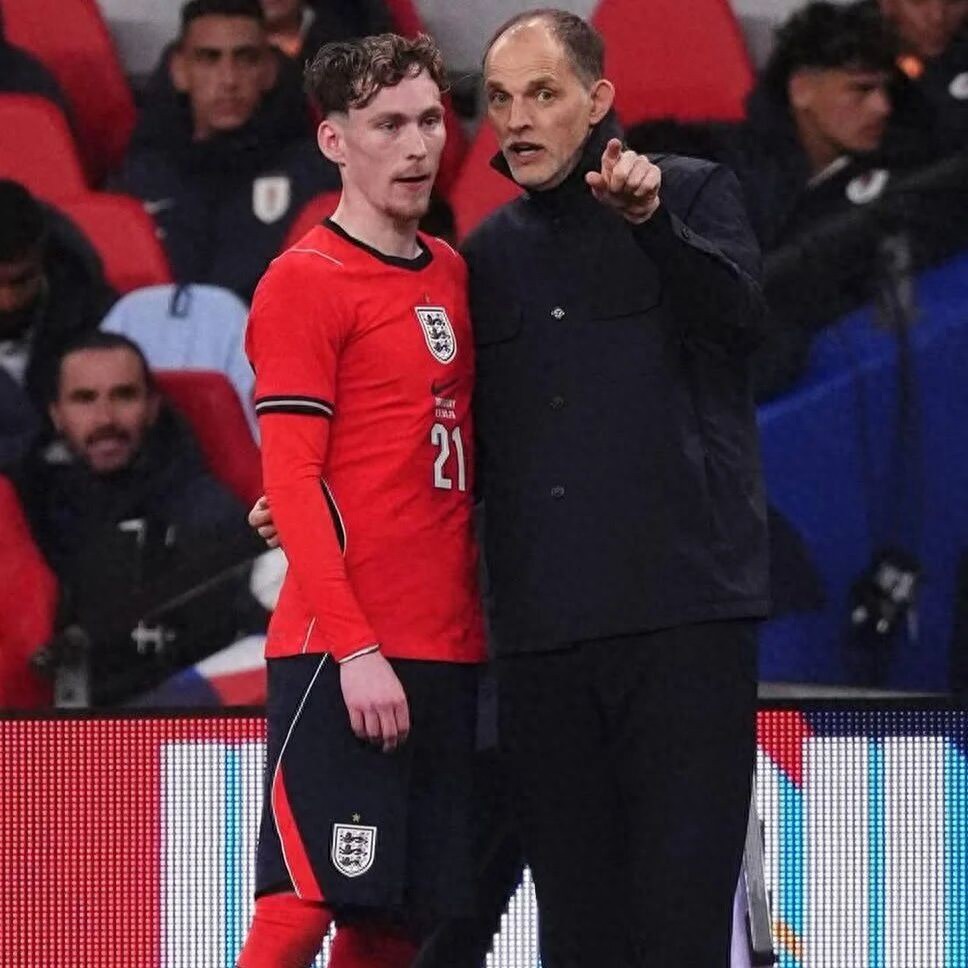
In England's friendly match last weekend, 25-year-old James Garner made his debut, a delayed international debut. This somewhat late-blooming midfielder's original nickname has been forgotten, but England coach Tuchel created a new one for him: Mini Valverde.
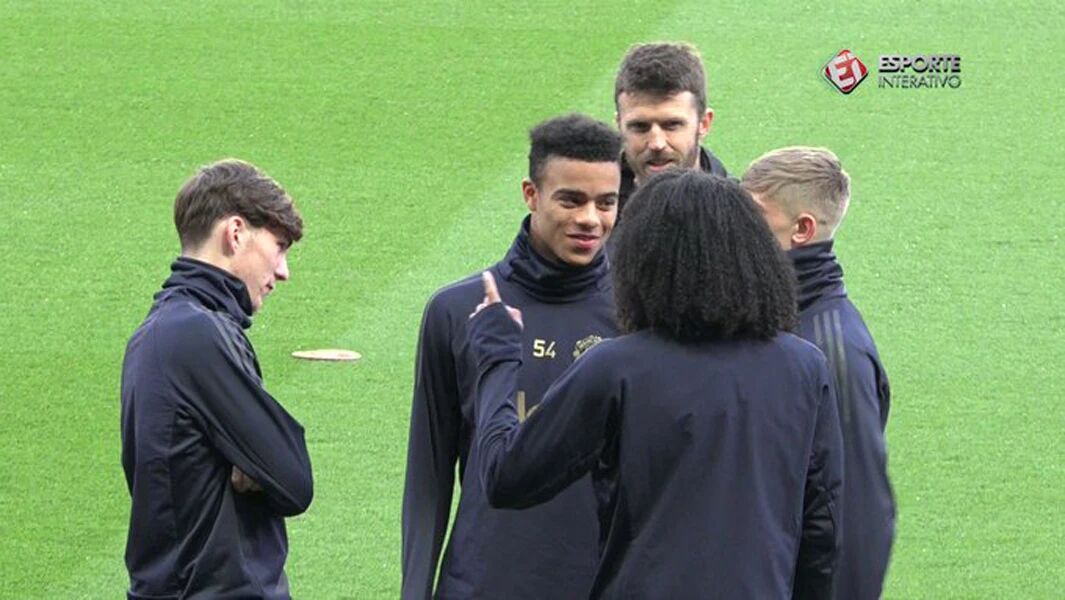
When Garner was at Manchester United, he was called the "new Carrick" because his style resembled that of the current Red Devils manager—both seemingly unremarkable yet capable of controlling the game. In 2018, Carrick, nearing the end of his playing career, had high hopes for two youth players: Mason Greenwood and Garner.
Mourinho first promoted Garner to Manchester United's first team when he was only 17, telling his trusted assistant to nurture him: "This is a talented player."
Ole Gunnar Solskjaer, who succeeded Mourinho, shared the same view, saying Garner had the potential to become a top player; interim manager Ralf Rangnick also recognized Garner's growth potential.
Current Manchester United captain Bruno Fernandes expressed his anticipation of partnering with Garner while he was still playing for the youth team. However, that never happened; Garner was sold by United before he could collaborate with Bruno.
During the 2022 summer transfer window, Manchester United's decision to sell Garner sparked controversy. Club executives did not inform Garner directly but notified his agent of their intention to sell him. Garner had just returned from a loan spell at Nottingham Forest, where he helped the club return to the Premier League after 23 years.
This left Garner resentful. At that time, Pogba and Matic had left United, creating a midfield vacancy, and Garner thought he might get a chance. Moreover, Ten Hag from Ajax was known for utilizing youth players. Unfortunately, Ten Hag deemed Garner unsuitable for the team's needs.
One reason United sold Garner was to generate profit. As a youth academy product, Garner's entire transfer fee counted as pure profit, so he and another academy player Andreas Pereira became the club's chosen cash cows—the only two sold that summer.
Garner's luck at United was also poor. He missed the preseason tours to Thailand and Australia due to injury, playing only the final friendly in Perth, Australia, for 23 minutes against Aston Villa. In Melbourne, Garner expressed willingness to go on loan again to a Premier League club. However, Ten Hag did not grant that opportunity, as the Dutchman was eager to sign his former Ajax player Frenkie de Jong from Barcelona.
Garner was selected to play against Atlético Madrid and Rayo Vallecano, but his performance was unsatisfactory. He told friends he felt condemned. In the match against Rayo Vallecano, Garner was overly nervous and underperformed, substituted after 74 minutes—his last appearance in a United shirt. Once the season started, Ten Hag never used him again.
United failed to sign De Jong and briefly sought to acquire Rabiot from Juventus for £20 million, but that also fell through. Eventually, the club spent £70 million to bring Casemiro from Real Madrid, offering a weekly wage of £350,000. Selling Garner became even more inevitable.
United initially valued Garner at £20 million. Nottingham Forest wanted him, while Southampton and Everton also showed interest. Garner's agent Steven Beck was Wayne Rooney's teammate at Everton's youth academy, and Everton's manager at that time was England midfield legend Lampard. Ultimately, Garner, who grew up supporting Liverpool, chose Everton—another rival of his childhood club.
The transfer fee agreed between United and Everton was £9 million, potentially rising to £15 million based on future performance. At Goodison Park, despite two managerial changes, Garner improved steadily. His England call-up was widely anticipated, and now, as an England international, his value has reached £50 million.
Before Garner renewed his contract with Everton in January, rumors circulated that United might sign him for free. In reality, United did not seriously consider Garner, knowing the player did not want to return as a substitute. Some players are skilled but must be in the right team to perform at their best—not necessarily a top-tier club.
Scott McTominay, another robust player sold during Ten Hag's tenure, serves as a clear example. At United, he was a substitute; at Napoli, he became a core player. Unlike Garner, Ten Hag actually did not want to sell McTominay. Another United academy teammate, Anthony Elanga, is also an example—he excelled at Nottingham Forest but faded after moving to Newcastle.
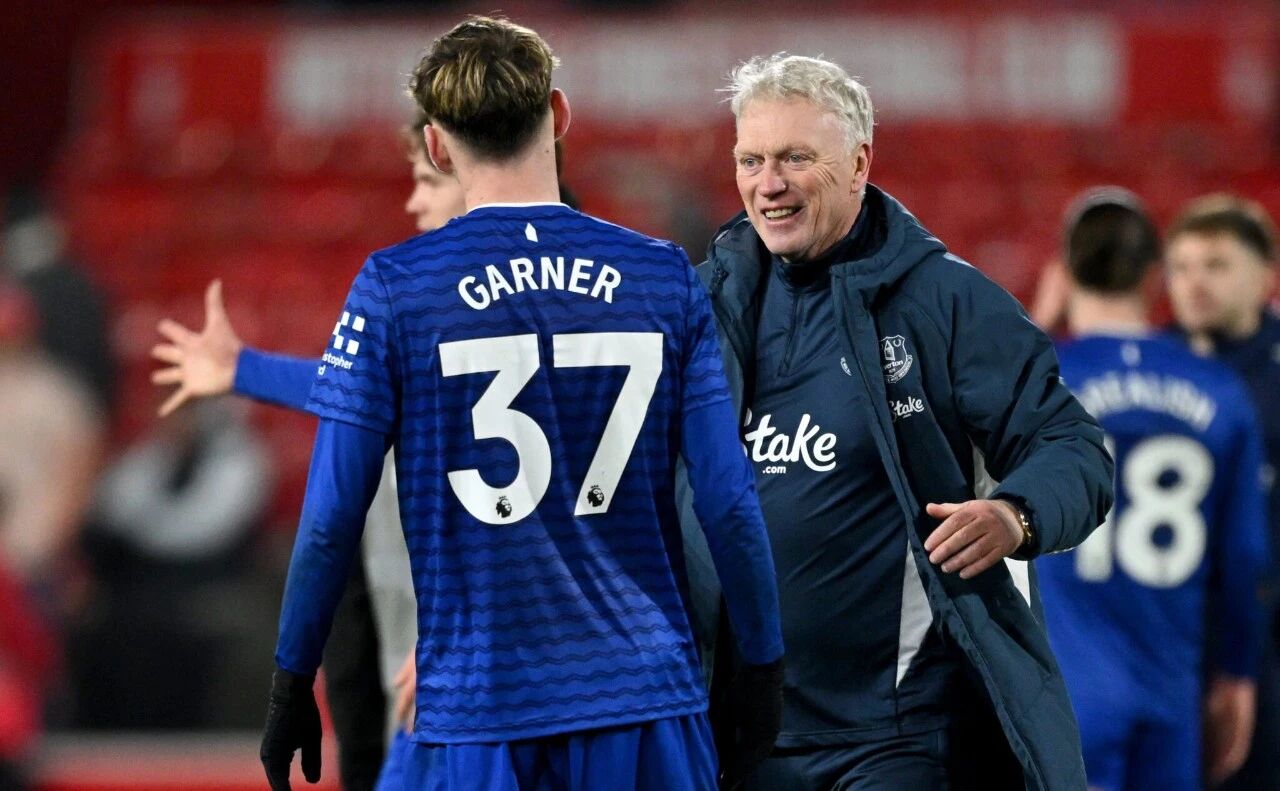
Garner knows that Everton and Moyes can utilize him better, and staying at the new Hill Dickinson Stadium is most beneficial for his long-term development. This season, he scored 3 goals and provided 6 assists. In Tuchel's England squad, Garner even receives more attention than United's new star Kobbie Mainoo, who also wears number 37, starting against Uruguay. Tuchel praised Garner extensively, calling him "Mini Valverde," referring to his versatility. Garner can play not only as a defensive midfielder but also as a full-back, center-back, and attacking midfielder—all competently.


Wonderfulshortvideo
Arsenal goal today arsenal 2-1 chelsea arteta interview arteta press conference


The movement is electric ⚡️
Mbappe injury mbappe surgery real madrid 0-1 getafe mbappe return date mbappe edit
tottenham relegation tottenham relegated
bruno assist today bruno goal today bruno highlights bruno interview bruno edit
Rodrygo ACL tear acl injury rodrygo injury real madrid 0-1 getafe
Great defending from Rüdiger 👏
 Links
Links
 Contact
Address:UNIT 1804 SOUTH BANK TOWER, 55 UPPER GROUND,LONDON ENGLAND SE1 9E
Number:+85259695367
E-mali:[email protected]
 App
App


