



Italian Football Continues Its Decline



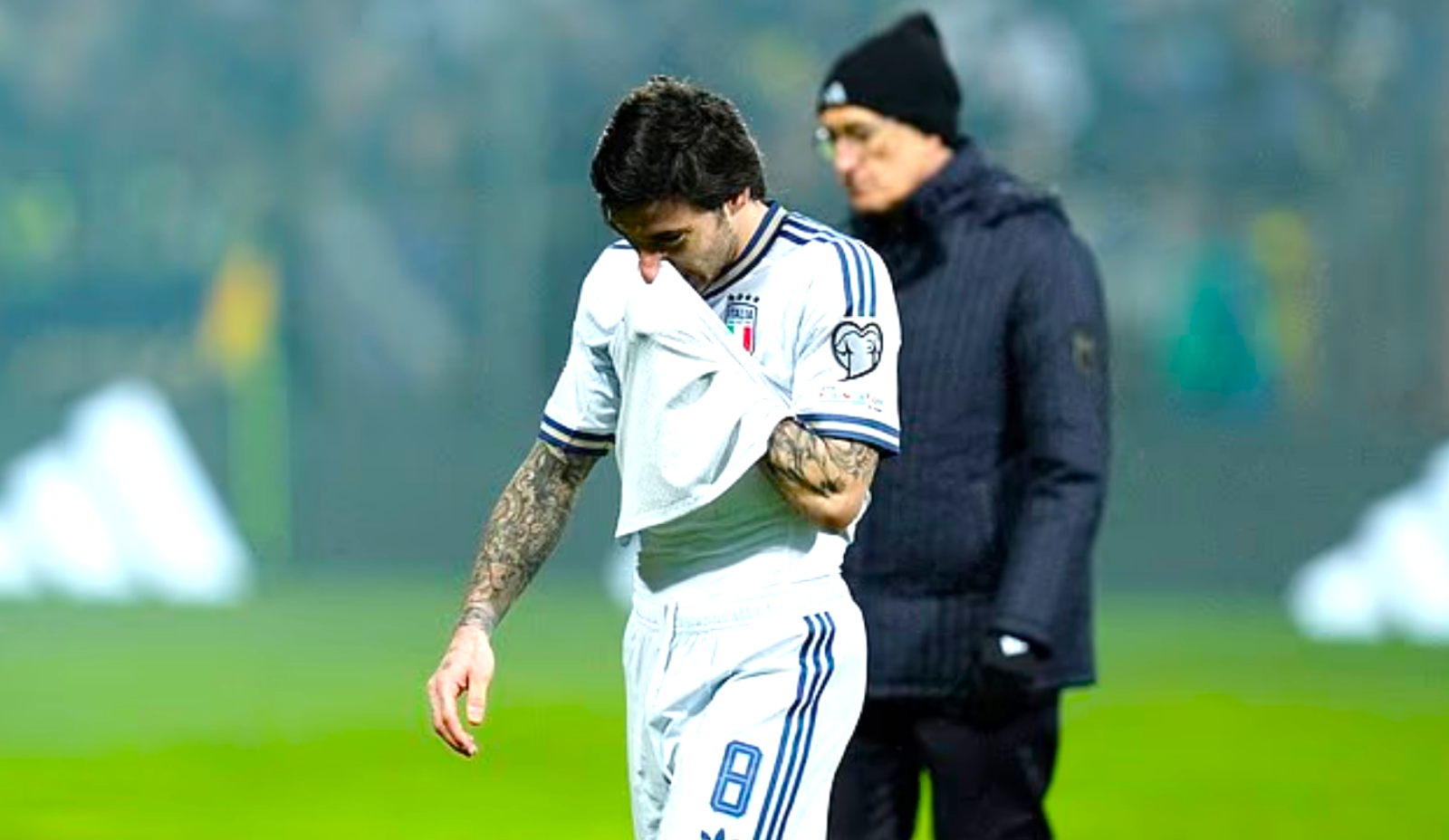
The defeat against Bosnia & Herzegovina in the playoff not only ended Italy's dream of reaching the 2026 World Cup but also plunged this world football power into a sorrowful milestone never seen before. For a country that has lifted the golden World Cup trophy four times, being spectators at the World Cup three times in a row is a massive shock. This is also the first time in history that a former World Cup champion has missed three consecutive editions of the tournament, even as the competition expanded to 48 teams.
In the European playoff final, the Azzurri did not lack effort. They scored early to take the lead in the 15th minute. However, the composure of a former "giant" that knew how to finish opponents had vanished. Alessandro Bastoni's disastrous red card at the end of the first half symbolized the current impatience and lack of control of the Italian team.
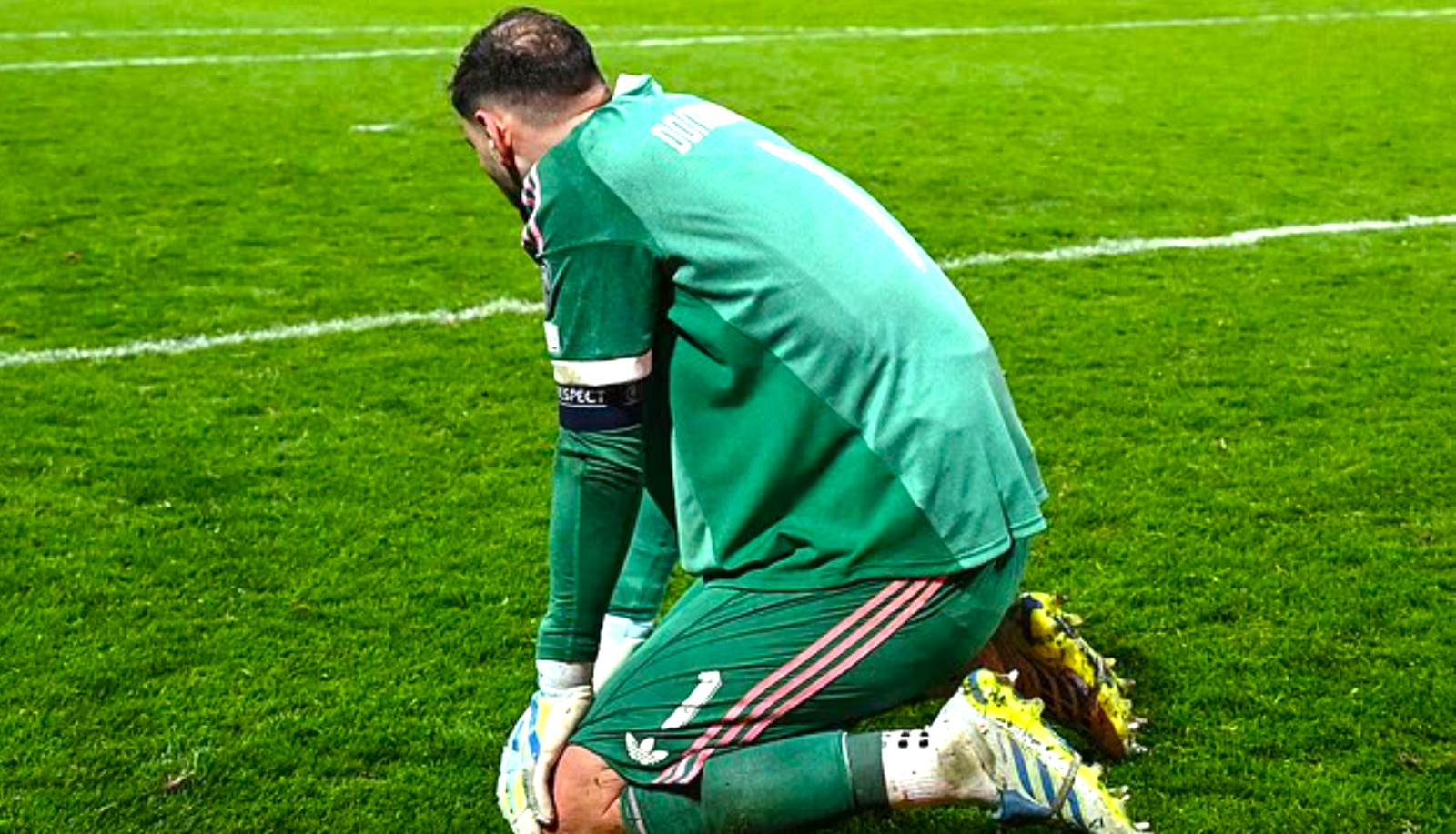
After fighting with a man disadvantage and holding out until the end of extra time. Yet, when pressure peaked, the trademark resilience of Italian football did not appear. At the penalty spot, they were defeated by Bosnia & Herzegovina, who secured their ticket to the 2026 World Cup.
Italy was eliminated by an opponent ranked outside the world's Top 60, in a match where they were completely overshadowed in terms of chances. This recalls the defeat against North Macedonia in 2022, but this time it was worse as Italy was no longer the dominant team.
Following the 2006 world championship, Italy began a prolonged slump with two consecutive group-stage exits at the World Cup. The EURO 2020 title once brought hope for a new development cycle for the Azzurri, but that was merely a rare bright spot in a gloomy picture. Since then, the Italian national team has lost its identity. They have strayed in defining their style, abandoning the traditional defensive Catenaccio approach but lacking the sophistication to operate an imposing attacking system.
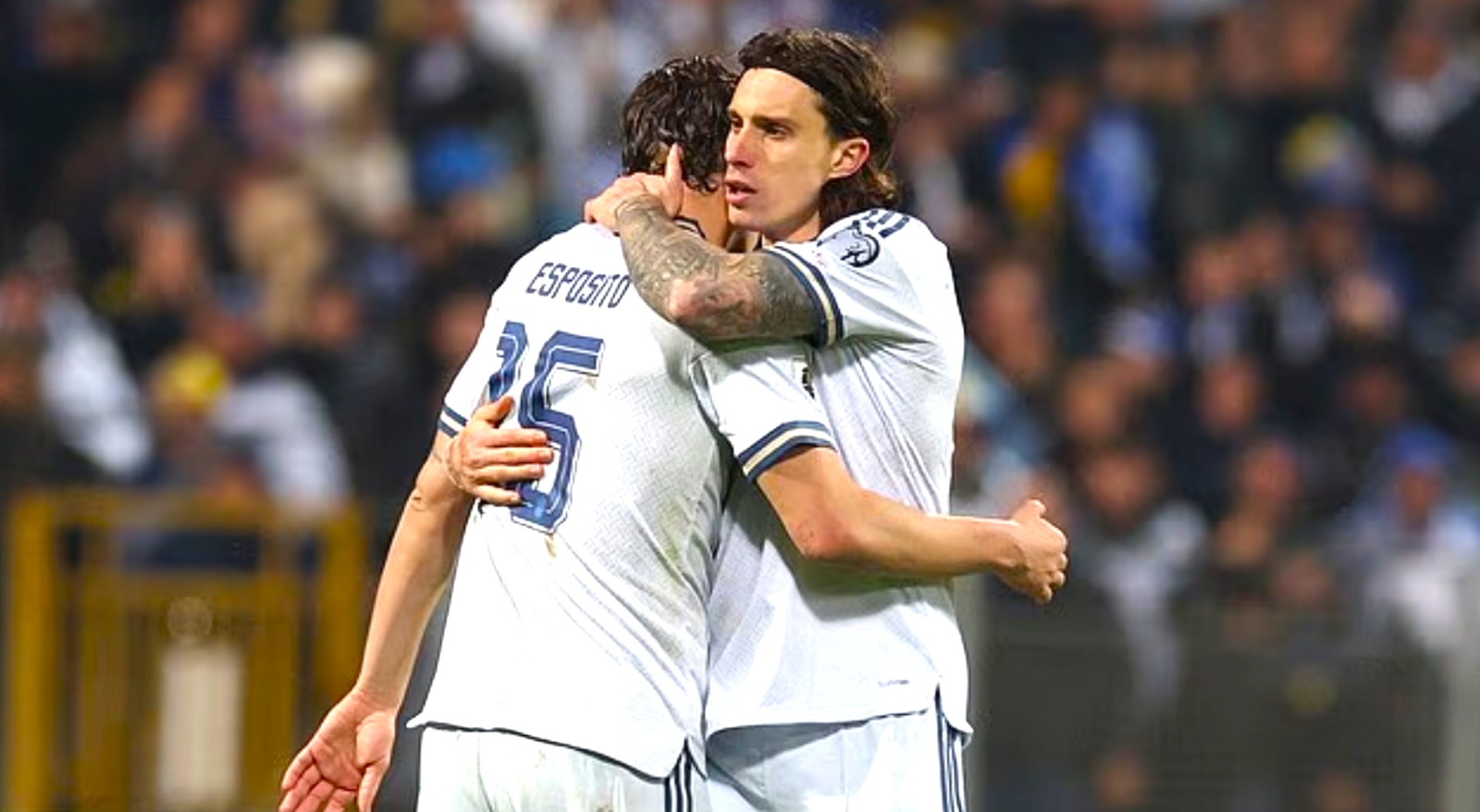
The loss to Bosnia & Herzegovina is not just a stumble; it is a clear manifestation of a prolonged decline. The problems of Italian football stem from both individual and systemic factors.
Italy's current coach Gattuso, despite being mentored by great strategists like Marcello Lippi and Carlo Ancelotti, has yet to replicate those values on the coaching bench. The issue is not that Italy lacks skilled coaches. Previously, they were led by names like Roberto Mancini, the EURO 2020 champion, or Serie A winner Luciano Spalletti. But these top-tier coaches also could not guide the Azzurri through the qualifying rounds.
The constant changes on the coaching bench, from Roberto Mancini to Luciano Spalletti and then to Gattuso, have left the Italian national team like a ship without direction.
A clear issue is that Italian football has ceased producing top-tier stars. Since midfielder Jorginho's Ballon d'Or bronze achievement (in 2021), only Nicolò Barella and Gianluigi Donnarumma have been among the top 30 Ballon d'Or nominees. This indicates a severe scarcity of talent in the Italian national team.
The departure of the legendary defensive duo Giorgio Chiellini and Leonardo Bonucci, along with some attacking stars like Ciro Immobile and Lorenzo Insigne, has left a significant gap that the next generation has yet to fill.
A football culture that once produced Maldini, Baggio, and Pirlo now cannot find a world-class striker or a spiritual leader of sufficient stature to rally teammates during adversity.
Additionally, Serie A clubs, under pressure for short-term results, have opted to purchase cheap foreign players or rely on aging veterans. Not providing opportunities for young academy talents has hindered the development of the next generation. It leaves Italian domestic players lacking high-level competitive experience.
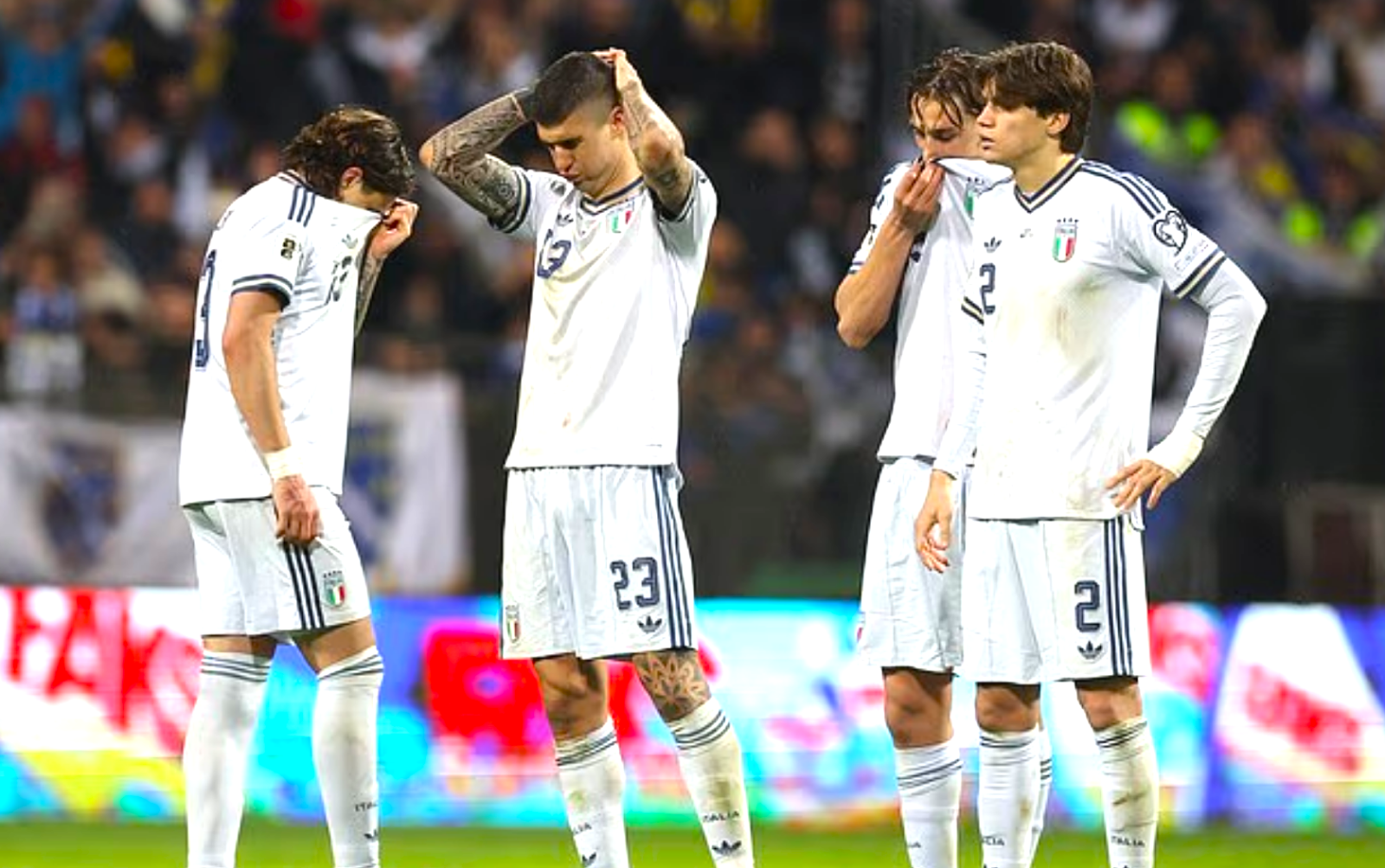
It is no coincidence that clubs like Atalanta or Como are seen as phenomena in Serie A; simply, these clubs dare to play attacking, entertaining football with young players in their lineup—something quite normal in the Premier League, La Liga, or Bundesliga. It is no coincidence that Serie A is viewed as a retirement home for veterans over 30, and it is no coincidence that star Italian players capable of competing in Europe's top leagues are now countable on one hand.
Missing the 2026 World Cup could cause the Italian Football Federation (FIGC) to lose approximately 30 million euros from sponsorship deals, commercial revenue, and prize money. This loss will directly impact reinvestment capabilities for the entire system, leading to a worsening spiral of crisis.
16 years outside the World Cup and not knowing the feeling of competing in a World Cup final tournament is a profound pain for the pride of Italian football fans. The azure blue is fading to near invisibility on the world football map. Without a deep-rooted reform, the Azzurri will continue to wander on their journey to reclaim lost glory.


Wonderfulshortvideo
Mbappe injury mbappe surgery real madrid 0-1 getafe mbappe return date mbappe edit


tottenham relegation tottenham relegated
Rodrygo ACL tear acl injury rodrygo injury real madrid 0-1 getafe
Great defending from Rüdiger 👏
Ganglion cyst removed
max dowman highlights today max downman vs mansfield town arsenal 2-1 mansfield town
User SportScoop has posted a video.
 Links
Links
 Contact
Address:UNIT 1804 SOUTH BANK TOWER, 55 UPPER GROUND,LONDON ENGLAND SE1 9E
Number:+85259695367
E-mali:[email protected]
 App
App


