



Malaysia faces insane pricing for the 2026 World Cup broadcasting rights.



Even with FIFA's substantial price reduction, Malaysian television stations are stepping back from the financial weight, highlighting the growing likelihood that supporters won't be able to watch the 2026 World Cup.
With only about two months left before the 2026 World Cup kicks off, the broadcasting rights issue in Malaysia remains unresolved. According to local media, fans are at risk of not being able to follow the planet's most exciting tournament live on domestic television.
According to Hmetro, the biggest hurdle lies in the price set by FIFA. Initially, the figure reached around 200 million RM (over 1.3 trillion VND), but even after being reduced to 140 million RM (approximately 931 billion VND), the financial burden is still too heavy for Malaysian broadcasters – this is the crucial knot of the entire problem.
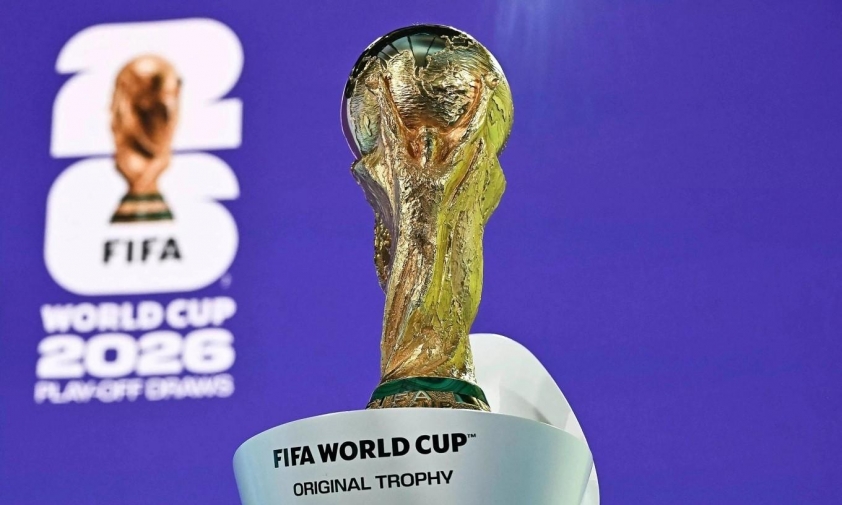
In reality, negotiations are ongoing but progressing slowly. FIFA is reportedly considering allowing some matches to be broadcast free on state-owned channels. However, for private stations, the high fee and the tight timeline to secure sponsors make it difficult for them to join the game.
Additionally, the economic context and the packed sports calendar in 2026 also make broadcasters more cautious. Malaysia must also allocate resources for major events like the Commonwealth Games and the Asian Games, forcing broadcasters to budget more meticulously.
Compared to the past, the current situation shows a clear difference. In 2018, the Malaysian government supported RTM to broadcast 41 out of 64 matches, with costs only around 30–40 million RM thanks to contributions from large corporations. Meanwhile, Astro had previously been the broadcaster for all matches since 2006.
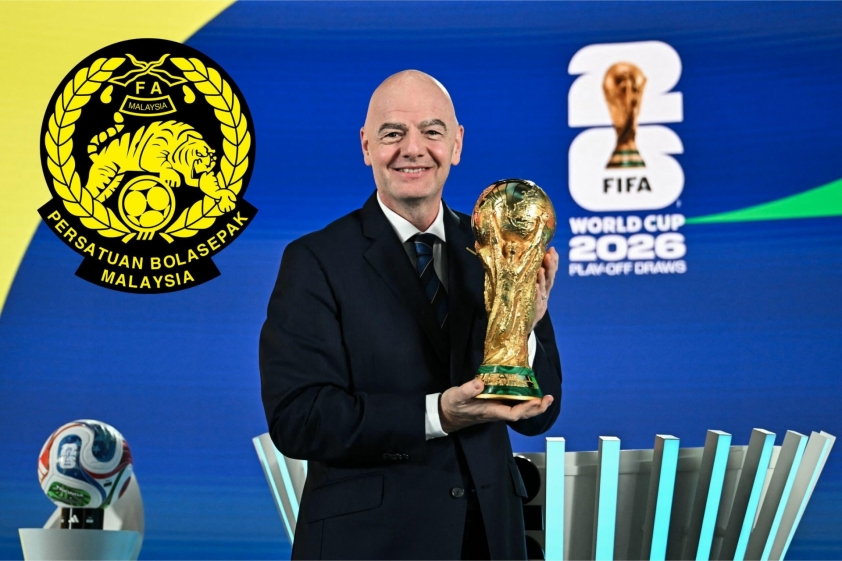
Currently, Astro confirms there is no updated information regarding the 2026 World Cup rights and will announce when there are new developments. Meanwhile, Malaysia's Minister of Youth and Sports, Mohamed Taufiq Johari, acknowledges increasing public pressure as people wish to watch the tournament on domestic channels.
He emphasized: “In fact, this is an issue between the broadcaster, relevant ministries, and FIFA. Certainly, broadcasting rights involve costs and discussions between media companies and relevant ministries with foreign partners. However, from KBS's perspective, we recognize there is significant societal expectation for broadcasting the FIFA World Cup in this country. Therefore, discussions will be conducted, and I will convey these viewpoints to the relevant ministries.”
With the price, even reduced, still hovering near 1 trillion VND, the puzzle of the 2026 World Cup broadcasting rights in Malaysia remains unsolved, making the risk of a “broadcast blackout” for this tournament more tangible than ever.


Wonderfulshortvideo
👍 OR 👎


No mistake from Dael Fry on the second attempt 🫡
Josh Coburn equalises for Millwall against his former club and look how much he enjoyed that 👏
Josh Coburn - two goals against your former club 👏
Even the wedding ring is @arsenal 😅💍
Omer was a happy man after his side came from behind to win at the Riverside
Oldham’s Ryan Woods wild with this one 🤣
 Links
Links
 Contact
 App
App


