



Why did Leicester have to drop down to the third tier?



Ten years after creating a miracle in the world of sports, Leicester City has officially been relegated to League One (England's third tier). This is the result of disastrously poor management, negligence, and years of misguided decisions at Leicester.
Leicester has been relegated for the third time in four seasons following a 2-2 home draw against Hull City. The club that won the Premier League in 2016 made a series of poor decisions from the top, leading to this sad conclusion.
Leicester's Mistakes
Leicester receiving a 6-point deduction for breaching financial regulations, enforced in February, was another heavy blow. However, it also highlighted issues with how King Power managed the club.
Although Leicester established a new football structure in recent weeks, it was too late. Currently, they have 11 players whose contracts expire as the summer transfer window approaches. This was also a problem when Leicester was relegated from the Premier League in the 2022/23 season, when too many players were uncertain about their futures. Most Championship coaches would point out that, with Leicester's current squad, they should not be in this position.
The image of player Harry Winks arguing with fans as he boarded the bus after the loss at Portsmouth last Saturday perfectly captured the rift between the team and its supporters. This midfielder has clashed with three of the last four coaches but is still affectionately referred to as "Winksy" on the club's official media channels.
The famous spirit from the 2015/16 Premier League-winning season has vanished. Leicester's £100 million training ground is very modern, but it seems to have stripped away the team's fighting spirit. Gary Rowett was appointed interim manager in February. He tightened the leaky defense and drew 7 of his 11 games in charge, but only won one.
Yet even before the Hull match, statistics from the previous five games painted a bleak picture for Leicester: 99 shots (33 on target) but only 3 goals. Recruitment must be identified as a major failure for Leicester. The club spent too much on wages over roughly five years, then struggled to offload players. In fact, too many average players were signed by Leicester on exorbitant salaries.
Even last year, during their disastrous Premier League season, Leicester still offered midfielder Wilfred Ndidi a salary exceeding £100,000 per week to prevent him from leaving as a free agent.
When Wrexham AFC signed Conor Coady for £2 million in August 2025, Leicester had no choice but to accept a deal where they still had to contribute part of the player's wages.
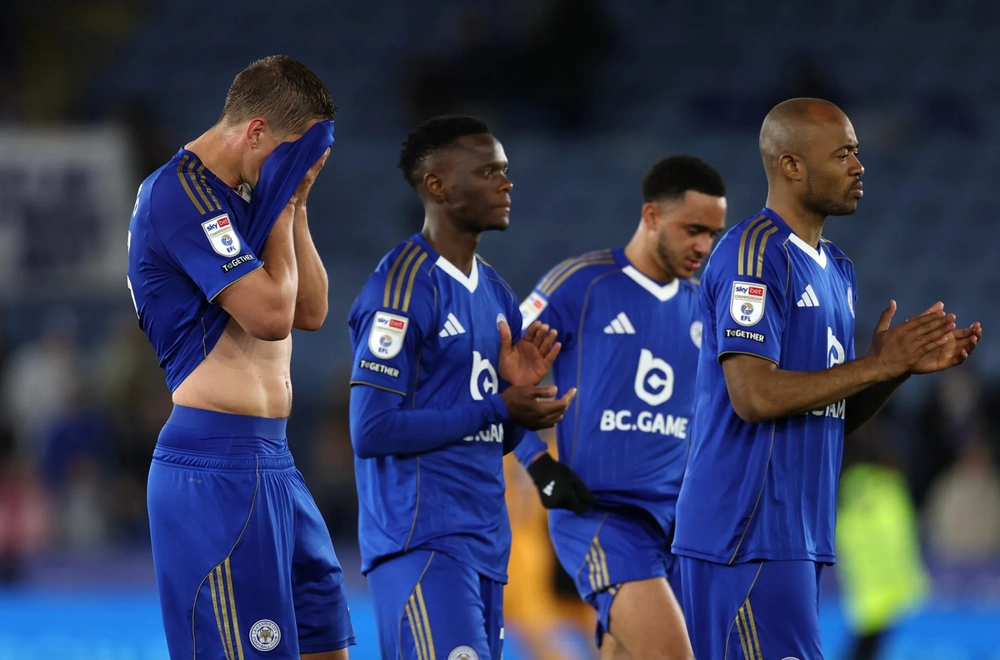
Leicester's decline accelerated as they fell to the third tier
What awaits Leicester?
Just four years ago, Leicester finished 8th in the Premier League and reached the semi-finals of a European competition. At that time, that result was considered an average season. That perhaps marked the beginning of the alarming decline that led to them facing trips to Bromley and Burton's grounds next season.
The tragic death of chairman Vichai Srivaddhanaprabha in October 2018 was an immeasurable loss. Leicester lost a crucial, authoritative figure, which inadvertently diminished the influence of former CEO Susan Whelan. Whelan is a respected figure who left the club last season after a disagreement over a club deal. Additionally, Leicester allowing players like Youri Tielemans, Jonny Evans, Ayoze Pérez, Kelechi Iheanacho, and Caglar Soyuncu to leave as free agents stunned many.
Former Leicester player Andy King was tasked with leading four games as interim manager despite clearly stating he did not want the job. Leicester lost all four and spent nearly four weeks finding a new manager before appointing Rowett, who had been available throughout that period.
Falling to League One is a nightmare for the accountants, with the pressure to achieve promotion immediately next season. Parachute payments will expire in the 2027/28 season, and if still stuck in League One that year, Leicester could face serious trouble.
Players will face deep wage cuts in case of relegation, and the prospect of a mass exodus from the "sinking ship" is unavoidable. Leicester will have to build its future around the academy, trying to re-establish a bond between players and a completely disillusioned fan community.
Kevin Davies was recently promoted from Financial Director to CEO and has plans for both short-term and long-term. Without Davies, the financial picture would likely be much worse.
Overall, Leicester's relegation to the third tier is a sad story, and unfortunately, Leicester can only blame itself.
In English football history, many clubs that have won the top division have still not avoided relegation. Blackburn Rovers won the Premier League in 1994/95 before being relegated in 1998/99 and continued to decline in lower leagues. Leicester City achieved the miracle of winning in 2015/16 but was also relegated in 2023. Nottingham Forest, champions in 1977/78 (First Division), had to be relegated in the inaugural Premier League season 1992/93. Aston Villa won in 1980/81 and later twice were relegated in 1987 and 2016. Leeds, champions in 1991/92, were relegated in 2004, while Man City, champions in 1936/37, were also relegated in 1938 and 1998.


Wonderfulshortvideo
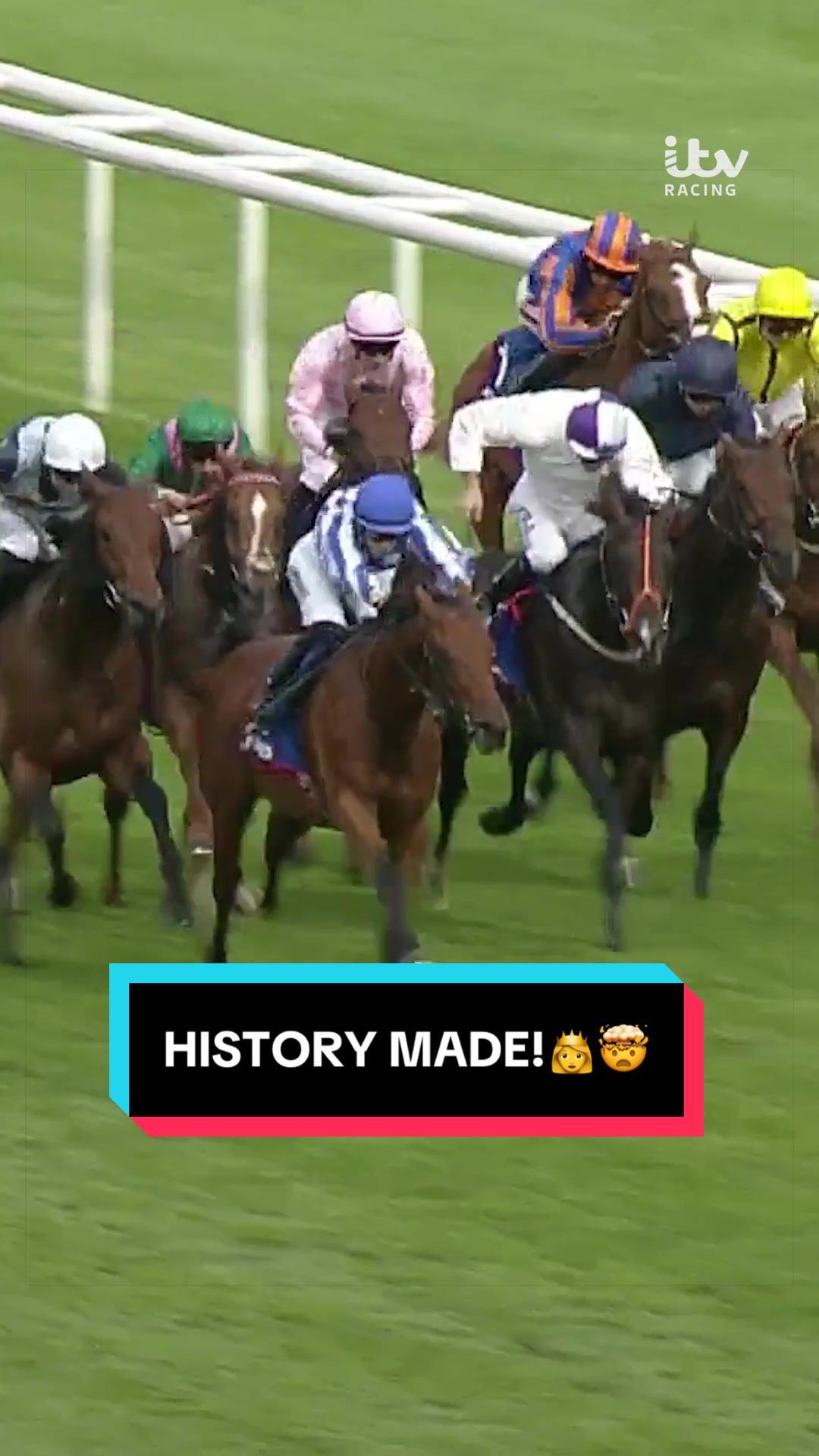
HIGHWAYMAN WINS THE BETFRED ST LEGER! 🏆


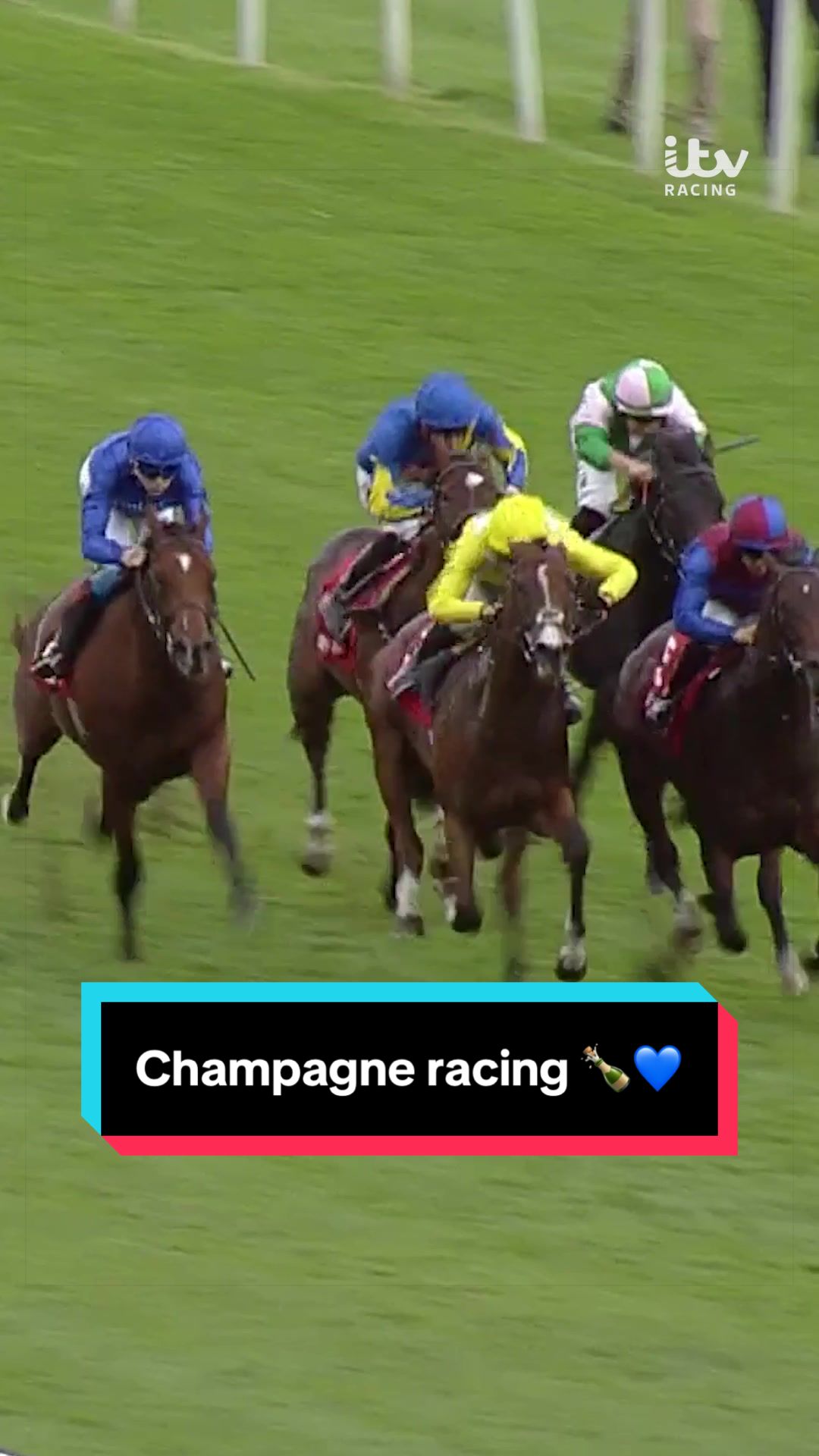
DESERT CASTLE DOMINATES! 🏆🍾

mbappe ballon d'or interview lequipe mbappe edit mbappe interview

Harry Maguire 99 pens. 🤯

Cristiano Ronaldo vs Abha, Saudi Champions league

bruno fernandes goal today sesko goal today cunha goal today manchester united vs sabah fk
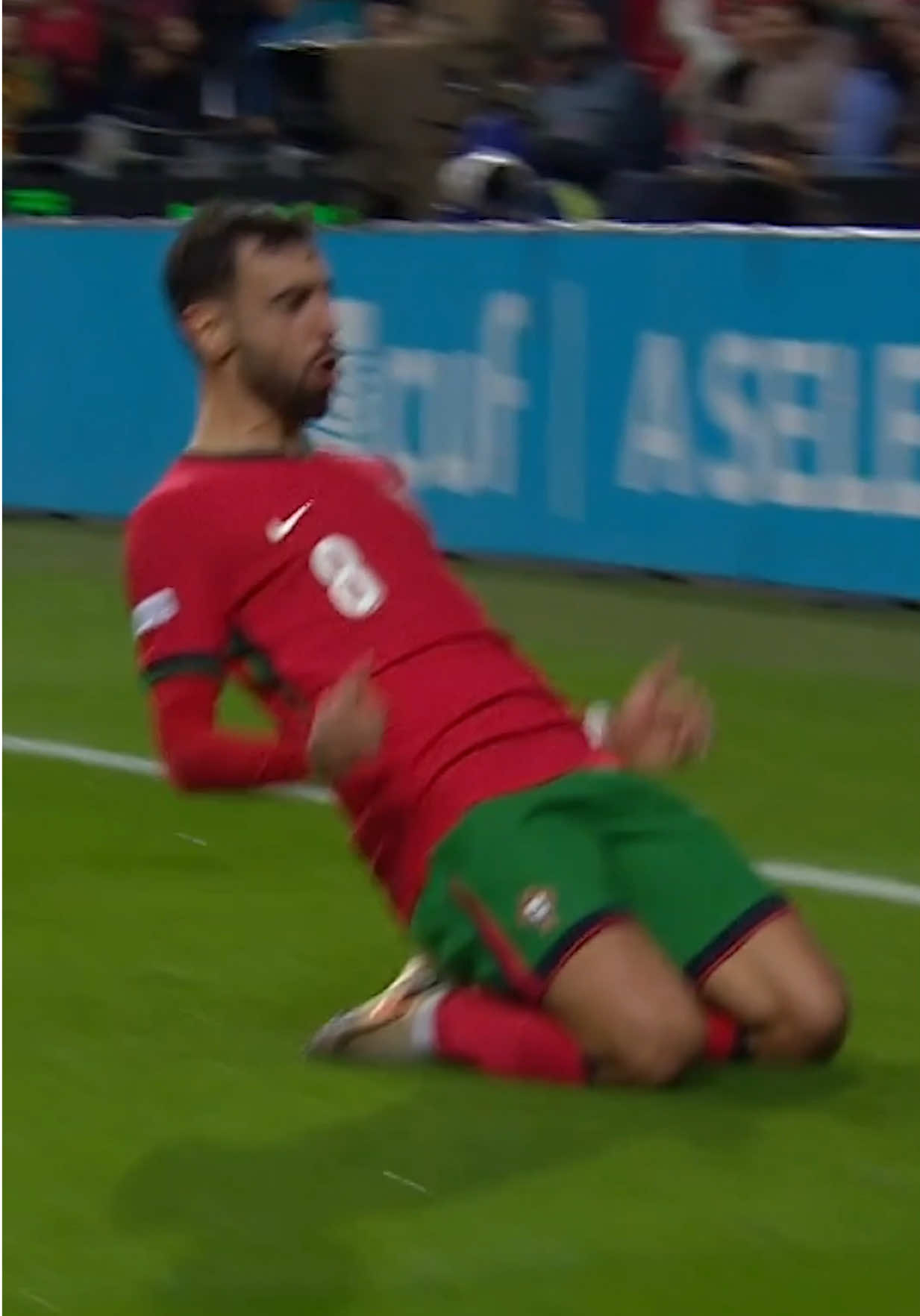
Stop that. 🚀😮💨
 Links
Links
 Contact
 App
App


