



Perspective: Chelsea's "experiments" spiraling out of control



Chelsea is sliding into a crisis that goes beyond mere performance. A dysfunctional operating system, where decisions from the top are pushing the club away from its inherent identity.
1. The image of Enzo Fernandez standing motionless after the defeat to Brighton is not just a personal reaction, but a symbol of a collective losing its direction. A captain who was just dropped from the lineup, then again wore the leader's armband, reveals the inconsistency in personnel management.
Chelsea at this moment does not resemble a football team, but rather a collection of individuals yet to be connected. Young players are continuously brought in under a long-term strategy, but lack a stable environment to develop. When the lineup changes constantly, the philosophy also becomes vague. No one truly understands what Chelsea wants to become.
The problem lies in the club losing its core element: Culture. Previously, Chelsea was always known for its pragmatism, discipline, and ability to win under pressure. Now, they strive to become a "modernized" version, but lack the foundation to sustain it.
Attempting to replicate Brighton's model further exposes the mismatch. Brighton succeeds due to its data analysis system and consistent direction over many years. Chelsea only takes the superficial part by buying young players, talking about football data, but lacks a corresponding operational structure.
2. A streak of 5 consecutive losses without scoring has pushed Liam Rosenior to the brink. However, attributing all responsibility to this manager would be a one-sided view.
Rosenior clearly has limitations, especially in managing the dressing room. Signs of losing control emerged when players themselves felt he "changed" and could no maintain a strong enough voice. But a broader view is needed as he was placed into an environment almost impossible to succeed in.
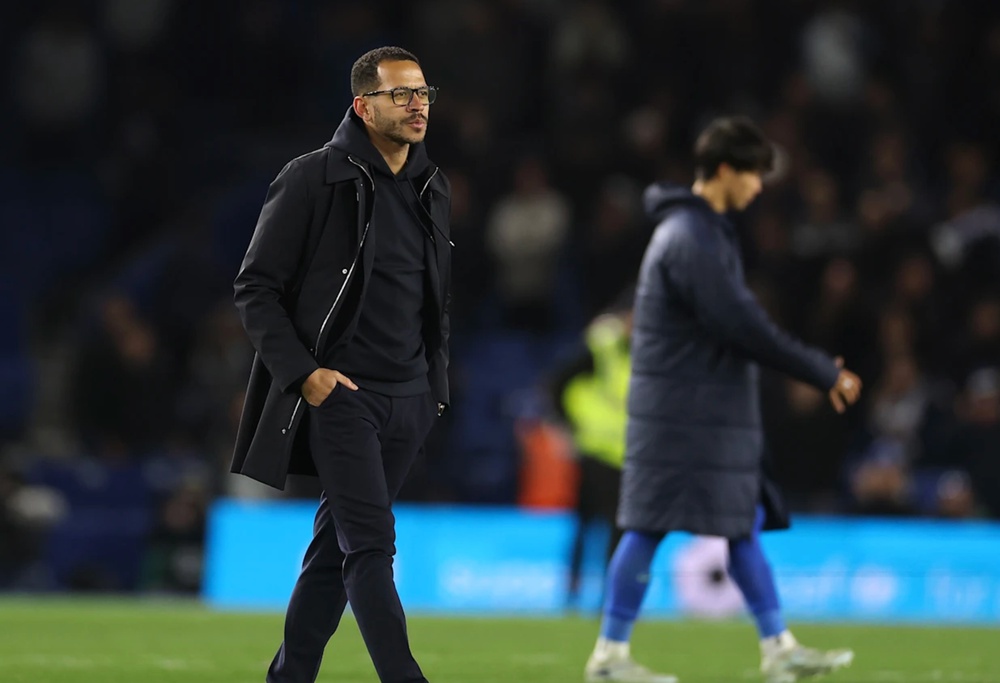
Chelsea is completely losing direction
Chelsea placed a young manager into one of the most pressure-filled jobs in top-level football, amidst an unstable squad and unclear club structure. That is akin to a risky experiment. And like any uncontrolled experiment, a failing outcome is almost predictable.
The role of Chelsea's ownership thus becomes pivotal. They not only decide transfer strategy but also shape how the club operates. When those at the top treat football as a financial model that can be optimized with data, they overlook the human factor, which determines success or failure in the dressing room.
In that context, Rosenior is not the root cause, but a product of a chain of wrong decisions. His appointment might fit a "controlled" vision, but does not suit the actual needs of a team requiring stability and experience.
3. Looking broadly, Chelsea's situation is not an isolated case. Tottenham Hotspur over many years has also fallen into a similar spiral, though the context differs.
Tottenham once possessed a stable foundation under Mauricio Pochettino, but then continuously changed managers with opposing directions. From Jose Mourinho to Antonio Conte and then changing managers three times this season, each choice carried a different philosophy, preventing the club from building continuity. Chelsea currently is following that path, even at a more extreme level. They not only change managers but also change the squad structure and development strategy within a short time.
The biggest commonality between the two clubs lies at the top. Both Chelsea and Tottenham make mistakes in decision-making by showing inconsistency, lacking long-term vision, and particularly choosing managers unsuitable for the existing structure. Manager appointments at both teams often are reactive rather than proactive. When results decline, they seek a new name as a temporary solution, instead of solving the problem from its root. This creates a loop of "change manager - change philosophy - instability - then change manager again." Of course, no team succeeds with such a repetitive loop!


Wonderfulshortvideo
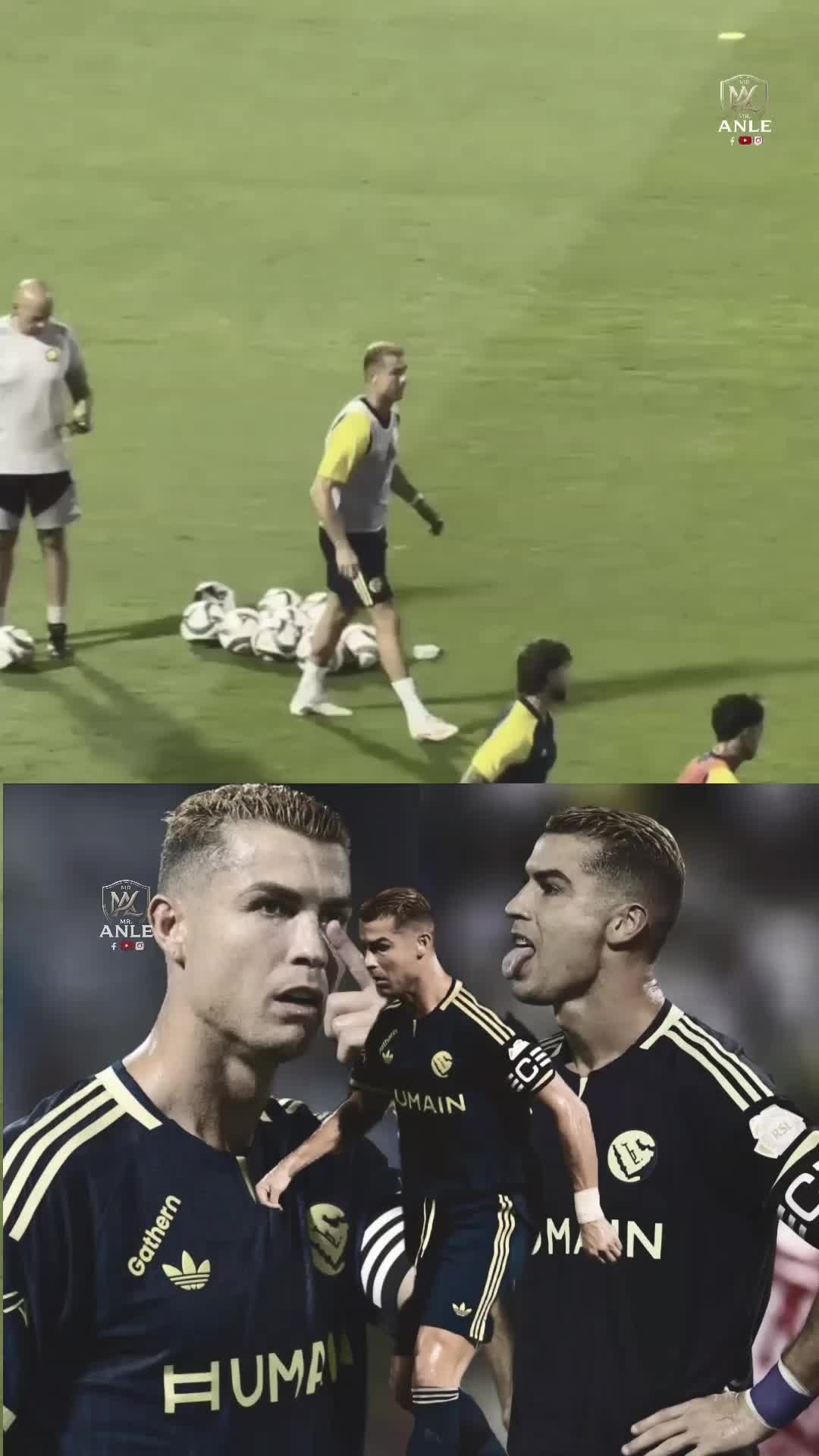
Cristiano Ronaldo and Al Nassr vs Al Khaleej


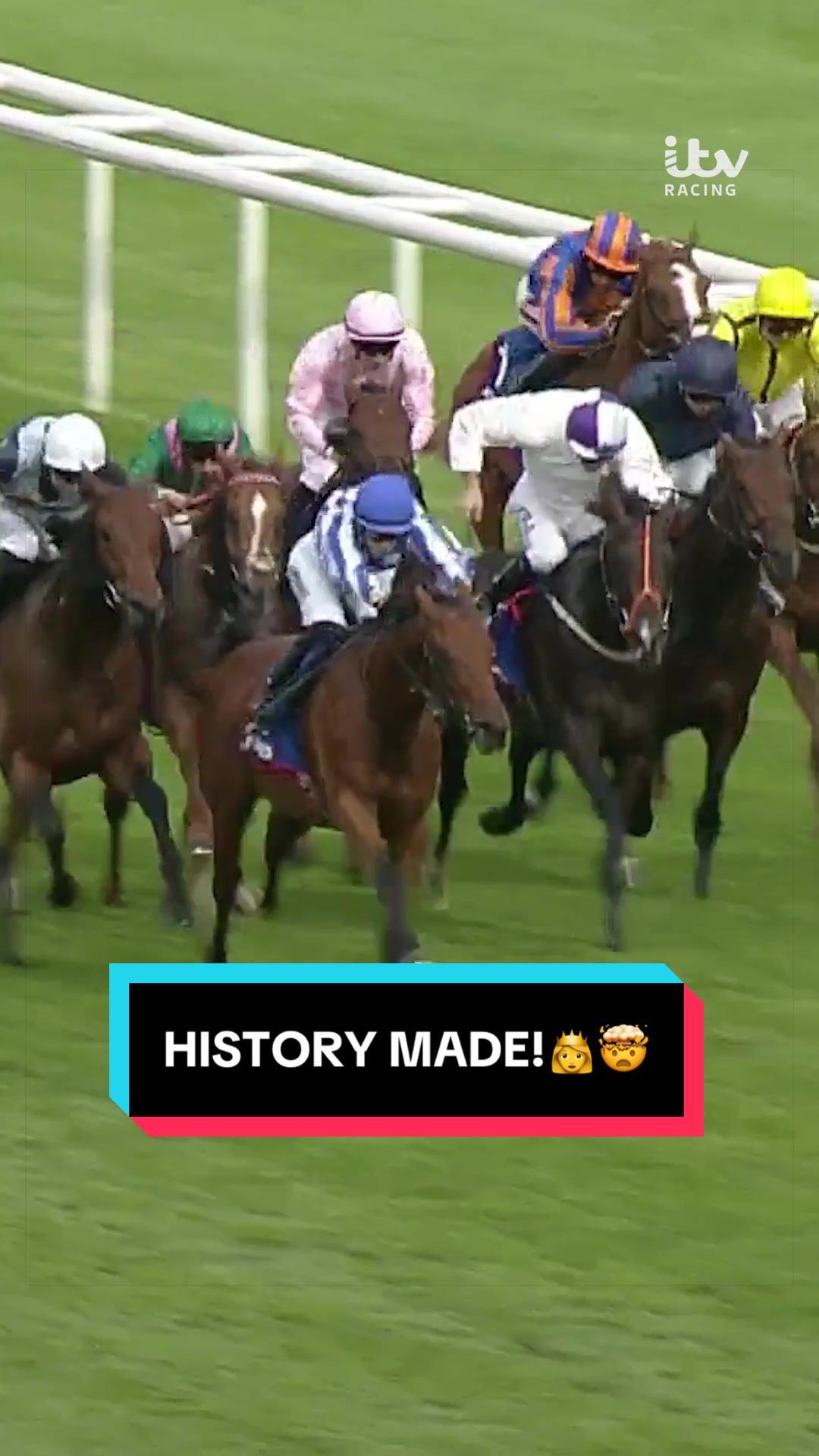
HIGHWAYMAN WINS THE BETFRED ST LEGER! 🏆
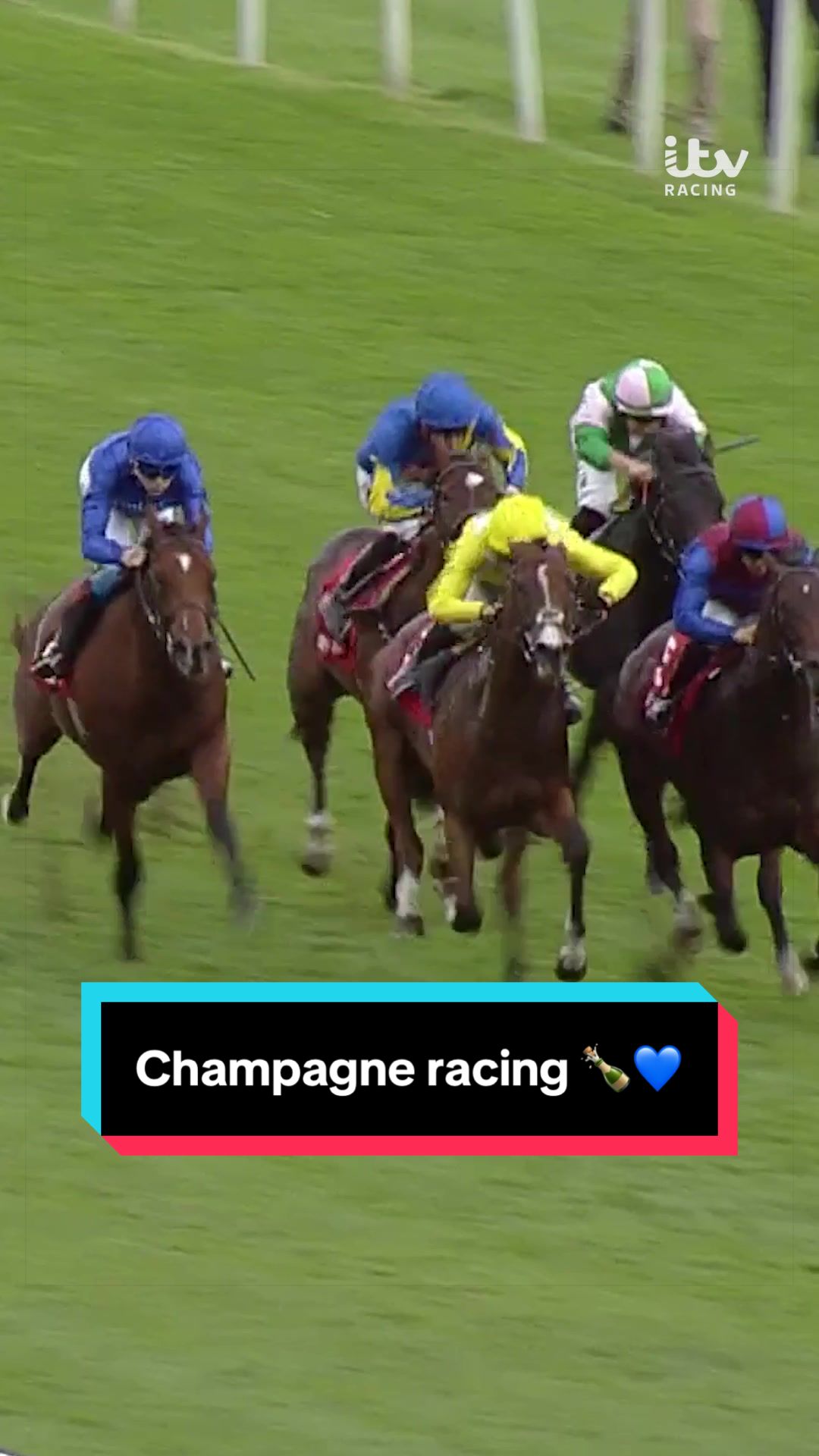
DESERT CASTLE DOMINATES! 🏆🍾

mbappe ballon d'or interview lequipe mbappe edit mbappe interview

Harry Maguire 99 pens. 🤯

Cristiano Ronaldo vs Abha, Saudi Champions league

bruno fernandes goal today sesko goal today cunha goal today manchester united vs sabah fk
 Links
Links
 Contact
 App
App


