



Despite a slow start, Manchester City remains a strong contender for the domestic treble.



Manchester City faced significant questions about their identity and stability this season. However, as they entered the decisive phase, they once again demonstrated their adaptability and champion's mentality, opening the door to completing a domestic treble.
1. Manchester City began the season with notable changes in their tactical approach. Their pressing system became more energetic, demanding high intensity from the wing-backs and tight coordination in midfield. However, as Guardiola himself acknowledged, the adaptation process could not happen overnight.
After a convincing win against Wolves in the opening round, Manchester City quickly revealed their issues. They were overwhelmed by Tottenham, struggled to maintain control against Brighton, and at times had to concede possession—a rare sight under Guardiola. Victories during this period, if achieved, often came explosively but lacked consistency, such as the high-scoring matches against Fulham or Leeds.
A notable point was the misalignment between attack and defense. When pushing their pressing formation higher, Manchester City exposed gaps behind, forcing their center-backs to operate in vulnerable situations. This led to slip-ups against Newcastle and Aston Villa. Although they remained close to the top of the table, compared to Arsenal, Manchester City was viewed as less capable of controlling the title race.
2. The difficult period peaked when Manchester City went through a string of unconvincing performances, with consecutive draws and a defeat to Manchester United. A recurring weakness was their tendency to lose control in the second half, failing to maintain rhythm and initiative.
In that context, Guardiola opted to return to core principles. He reconstructed the team's structure, employing a 4-2-2-2 system to enhance control in the central zone and minimize defensive risks. This was not a revolutionary change, but an adjustment to bring the team back to its familiar identity.
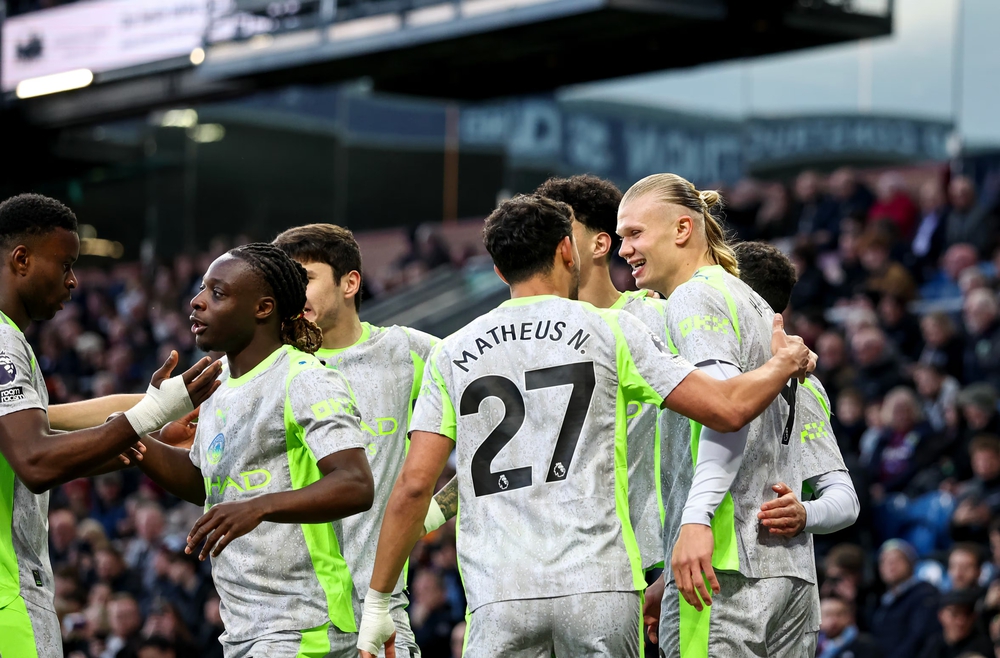
Manchester City now faces a significant opportunity to secure a domestic treble despite a shaky start.
The victory over Liverpool at Anfield became a crucial turning point. Beyond its points value, this result helped Manchester City rebuild confidence and reignite motivation within the squad. From there, they began a more stable run, though occasional wobbles persisted.
Another milestone was the win against Arsenal in the League Cup final. There, Manchester City displayed superior organization and tactical flexibility, particularly in their adaptive pressing approach. This trophy not only relieved pressure but also established a psychological foundation for the final stretch.
3. Alongside tactical adjustments, the brilliance of individual players played a key role in Manchester City's return to peak form. Rayan Cherki was one of the most notable highlights. From a substitute role, he gradually emerged as a creative focal point with performances full of unpredictability, especially in matches against Liverpool, Chelsea, and Arsenal.
After a quiet spell, Erling Haaland clearly improved his output thanks to adjustments in his playing time and physical condition.
In the defensive line, Khusanov or Marc Guehi provided solidity. This factor is crucial in a title race that could be decided by goal difference.
Currently, Manchester City leads the Premier League, tied on points with Arsenal but with a slight advantage in goals scored. This narrow margin means any mistake could prove costly. However, their advantage lies in experience and the ability to maintain stability under high pressure.
Furthermore, being free from European competition allows Manchester City to focus fully on domestic objectives. Meanwhile, Arsenal must split their efforts with the Champions League.
Having secured the League Cup and reached the FA Cup semi-finals (against Southampton), Manchester City now stands before a major opportunity to achieve a domestic treble, despite their shaky beginning.


Wonderfulshortvideo
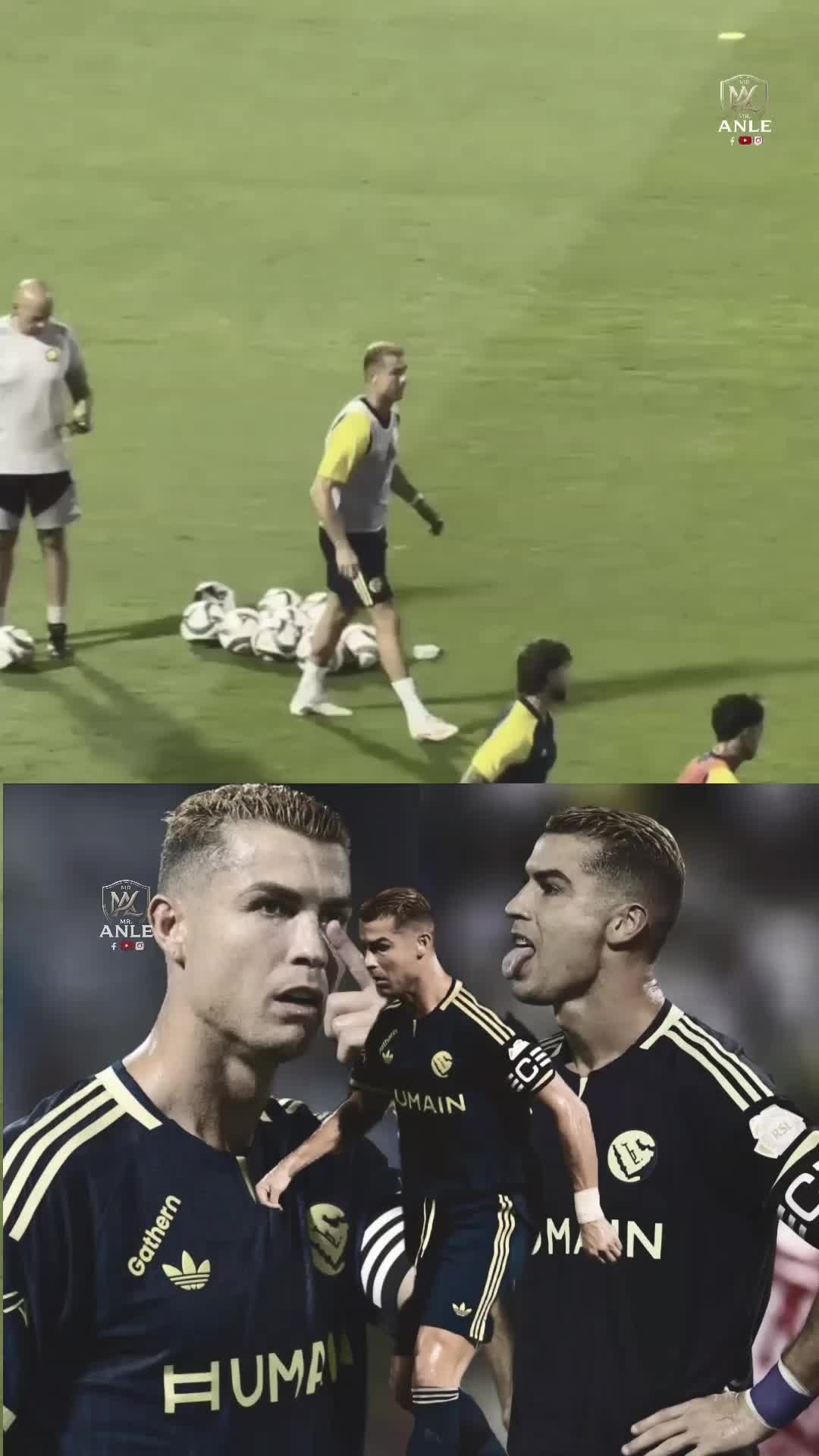
Cristiano Ronaldo and Al Nassr vs Al Khaleej


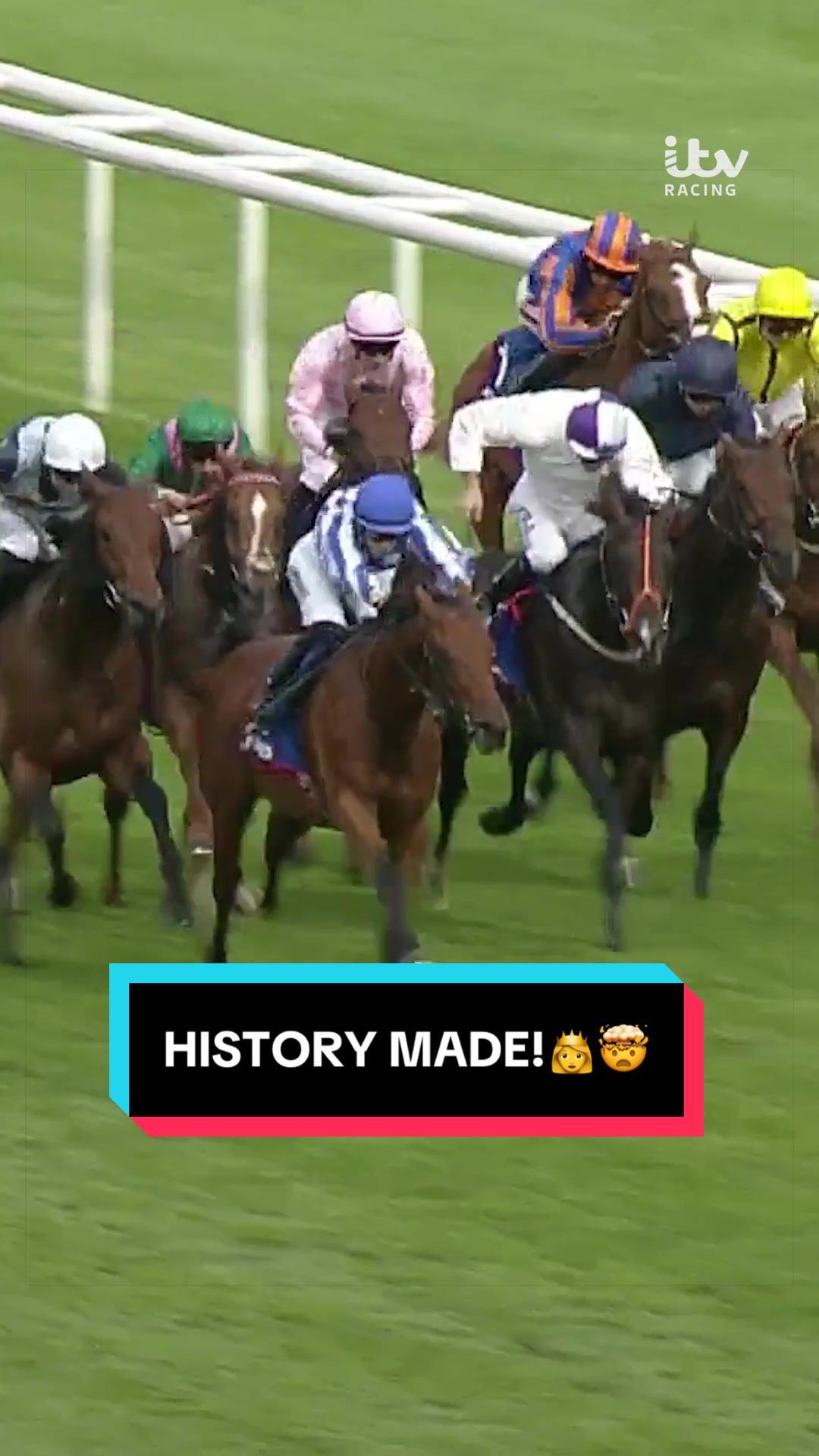
HIGHWAYMAN WINS THE BETFRED ST LEGER! 🏆
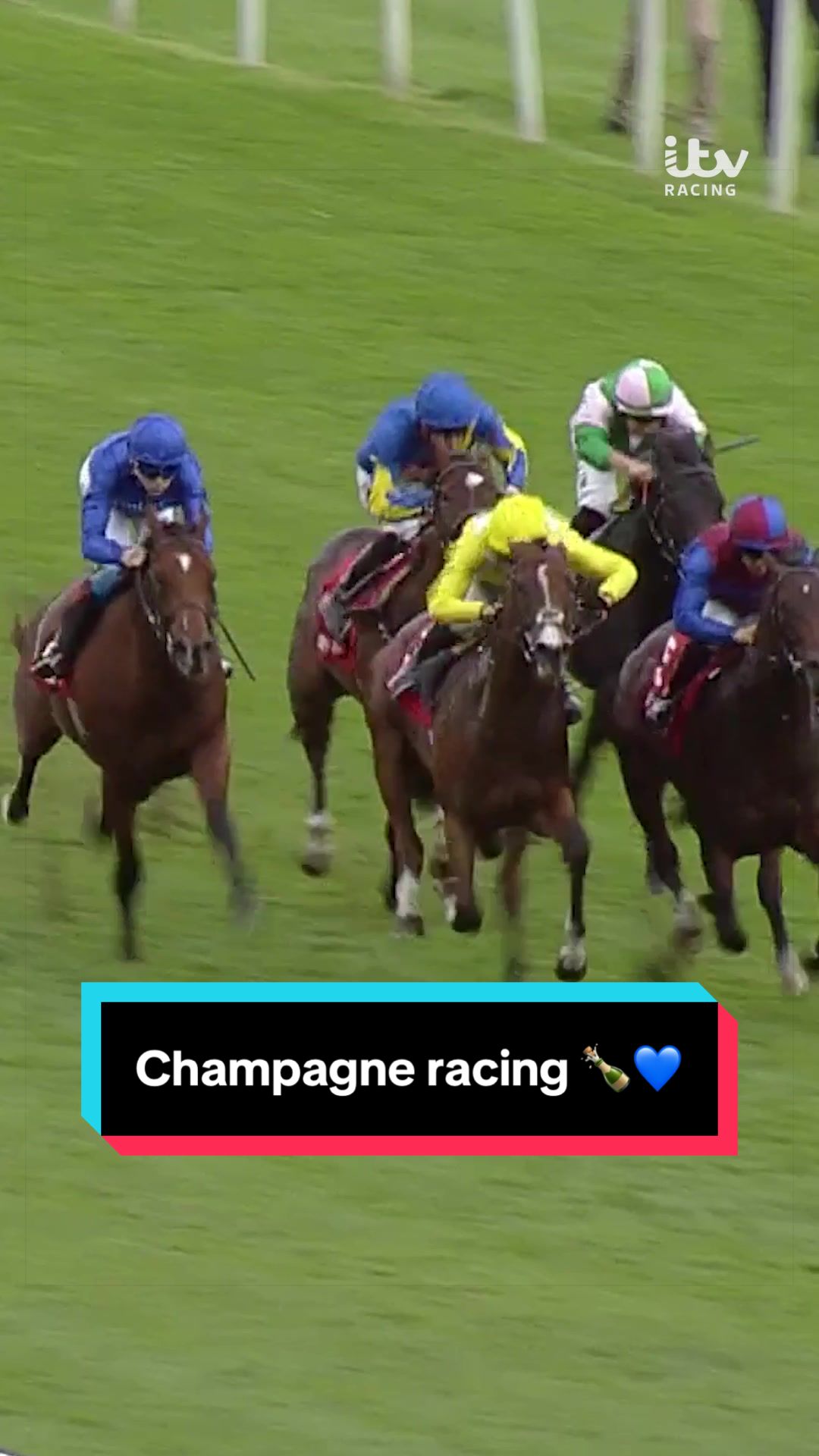
DESERT CASTLE DOMINATES! 🏆🍾

mbappe ballon d'or interview lequipe mbappe edit mbappe interview

Harry Maguire 99 pens. 🤯

Cristiano Ronaldo vs Abha, Saudi Champions league

bruno fernandes goal today sesko goal today cunha goal today manchester united vs sabah fk
 Links
Links
 Contact
 App
App


