



Vietnam U17 vs Malaysia: Caution is not excessive...



At the Olympic Stadium (Cambodia), on July 23, 2016, the Vietnam U16 national team confidently entered the final of the expanded Southeast Asia U16 tournament (the first time with guest participant Australia), facing again the opponent they had defeated 3-0 in the group stage, precisely the youth team from the kangaroo country.
Coach Đinh Thế Nam's players started quite well, despite the relatively unfavorable artificial turf of the Olympic Phnom Penh stadium and the peak of the hot summer season. We quickly scored two goals to lead within less than two-thirds of the official match time, one of which belonged to Nguyễn Trần Việt Cường (B. Bình Dương), a rare player from the Vietnam U16 squad ten years ago who now wears the national team jersey.
Many Vietnamese journalists covered that final match, along with thousands of fans with red-star flags, present in the Olympic stadium with a capacity of over 50,000, all believing we would win the championship. Especially when Khắc Khiêm once again created a two-goal lead at the 77th minute. However, the young Australian players did not give up but staged a comeback, pushing the final into a fateful penalty shootout after a 3-3 draw in regular time.
They succeeded in all five penalty shots, while Vietnam U16 only had four. The journey home for those young boys at that time felt incredibly distant.
The history of Vietnamese youth football from U23 level downwards has not been short of bitter experiences, having to fall before the gates of paradise. From the AFC U16 Championship in Đà Nẵng in 2000, to the SEA Games 22 at home in 2003, SEA Games Bacolod 2005, Korat Nakhon Ratchasima 2007, Vientiane 2009, Phnom Penh U16 in 2016, U23 Thường Châu 2018... all share the same ending.
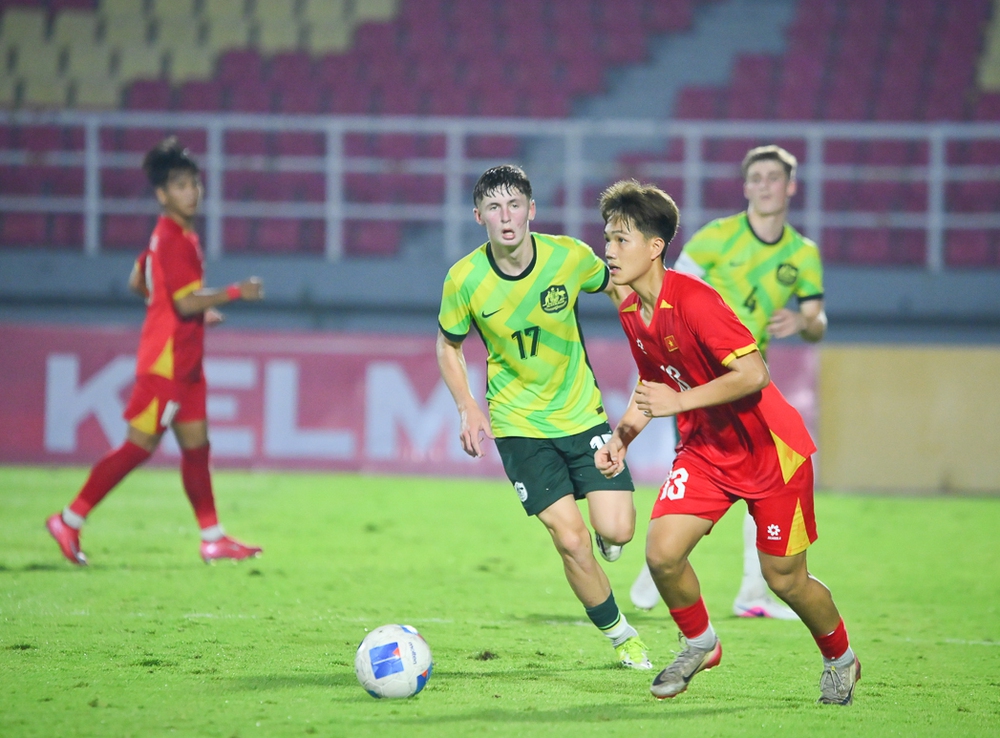
Vietnam U17 heroically reversed the result against Australia U17 to reach the final, but meeting Malaysia U17 again is a very different story. Photo: VFF
It's not that we lack strength, but composure at decisive moments remains a deficiency, a weakness of a young football system that has only reintegrated for just over three decades. Additionally, excessive praise leading to illusions in the minds of some young players must be mentioned. Through many generations, failure is not always the mother of success.
Now facing Malaysia U17 once more, the team we also defeated 4-0 in the group stage, there is a feeling somewhat similar to ten years ago with Australia U16. If further evidence is needed, Malaysia U23 themselves once knocked us down in the SEA Games 25 final in Vientiane, Laos in 2009, despite losing 1-3 in the group stage. The attitude towards the opponent and approach to the match will determine success or failure for coach Cristiano Roland and his team.
Over the past decade, Vietnamese football has benefited from successive generations of talented young players, creating necessary continuity. That is the crystallization of academies, centers, and large-scale training factories spread from North to South like Hanoi, Viettel, PVF, SLNA, Đà Nẵng, and HAGL.
National youth teams naturally benefit and achieve certain successes, from regional to continental levels. But that is only a necessary condition, not sufficient, because the national team is the decisive measure of the football system's conquering capability. We still lack achievements at the output end.
This Vietnam U17 generation, following the development sequence, must continue to find their place in the main club team and compete in Vietnam's professional football system in the coming years. Or returning to academic pursuits is still timely. Professional football's elimination is harsh indeed.
So, seemingly red but not necessarily ripe yet. Take it easy!


Wonderfulshortvideo

arda guler assist today guler vs rayo vallecano mbappe goal today jude bellingham goal today


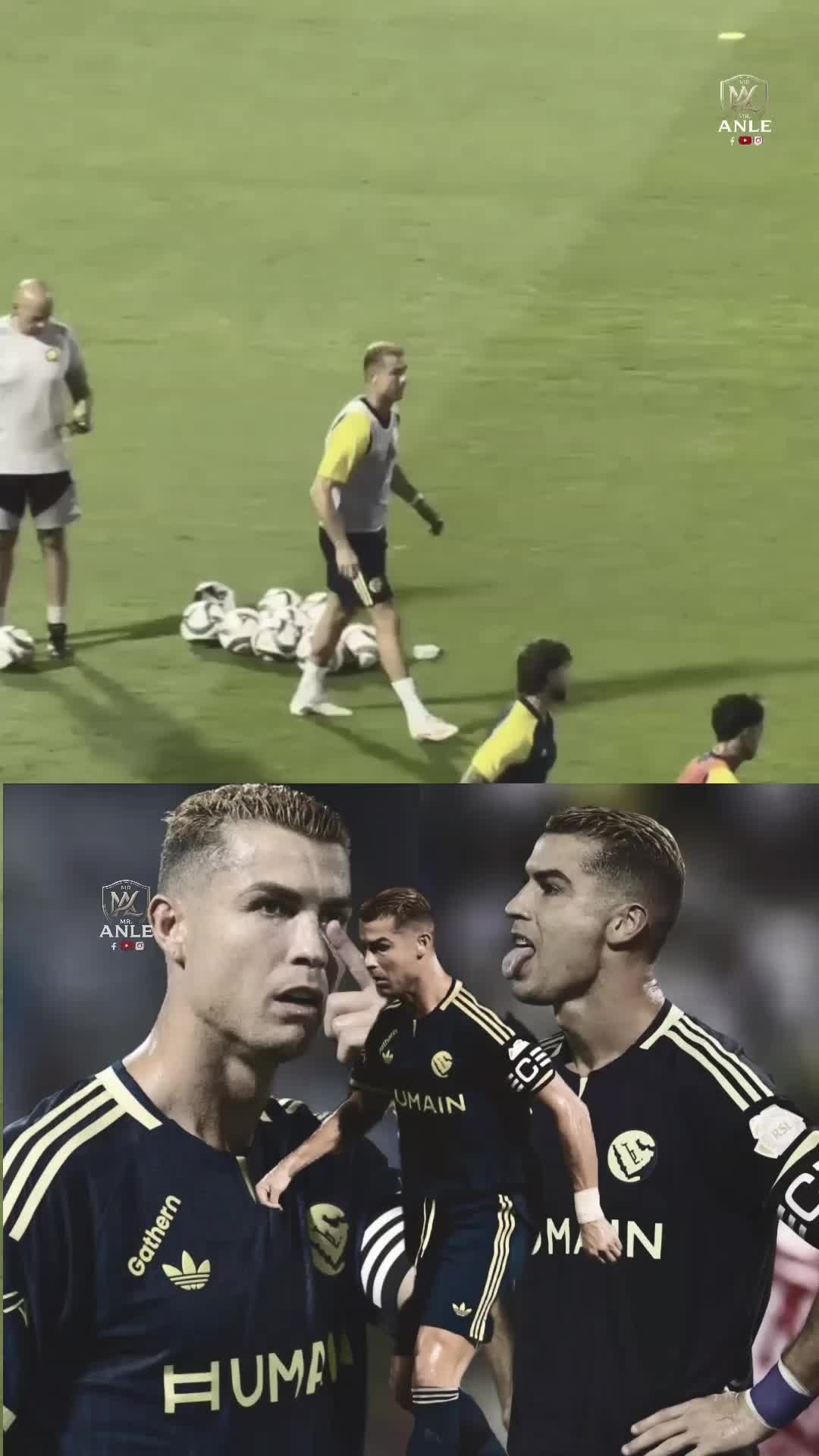
Cristiano Ronaldo and Al Nassr vs Al Khaleej
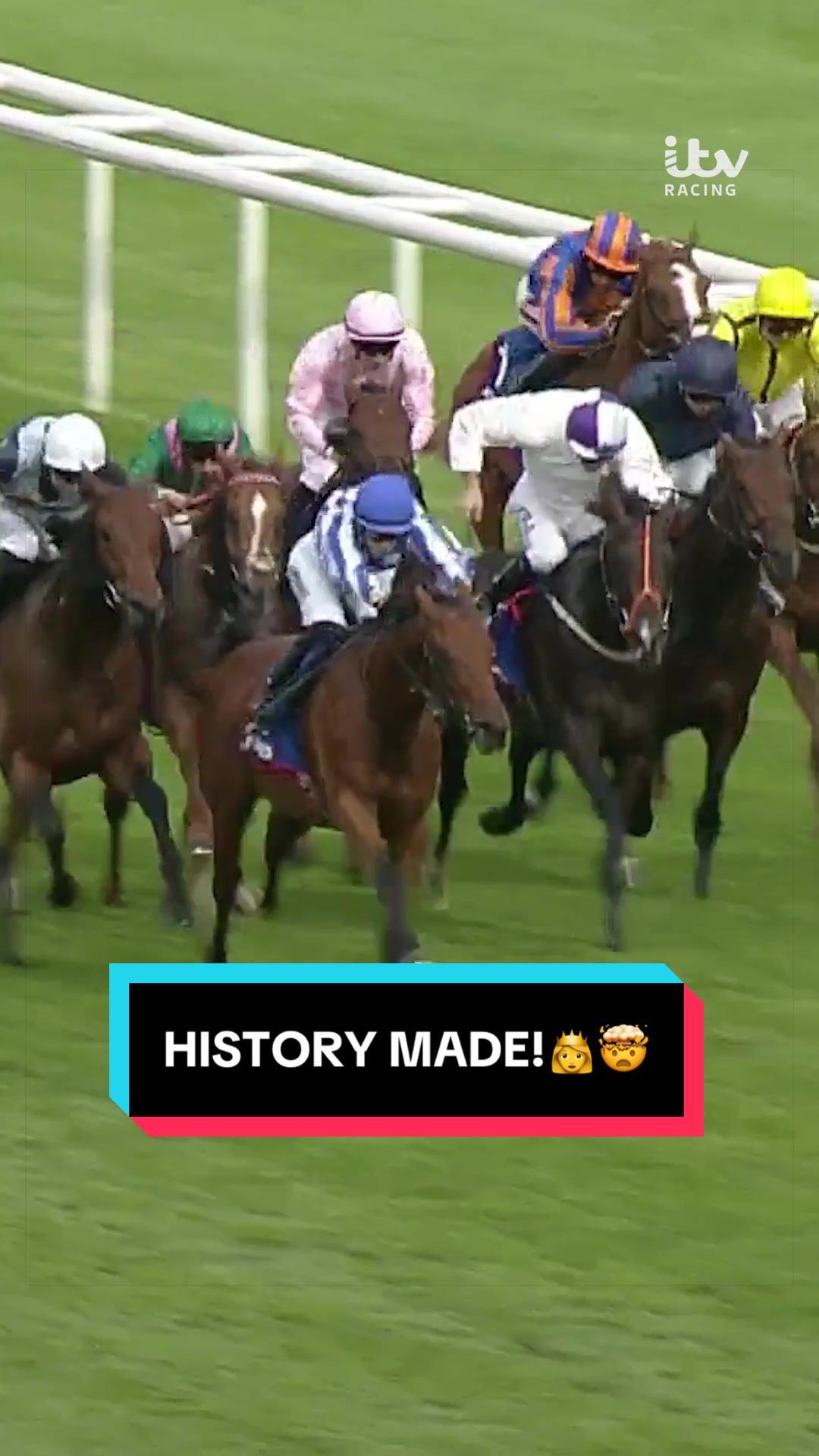
HIGHWAYMAN WINS THE BETFRED ST LEGER! 🏆
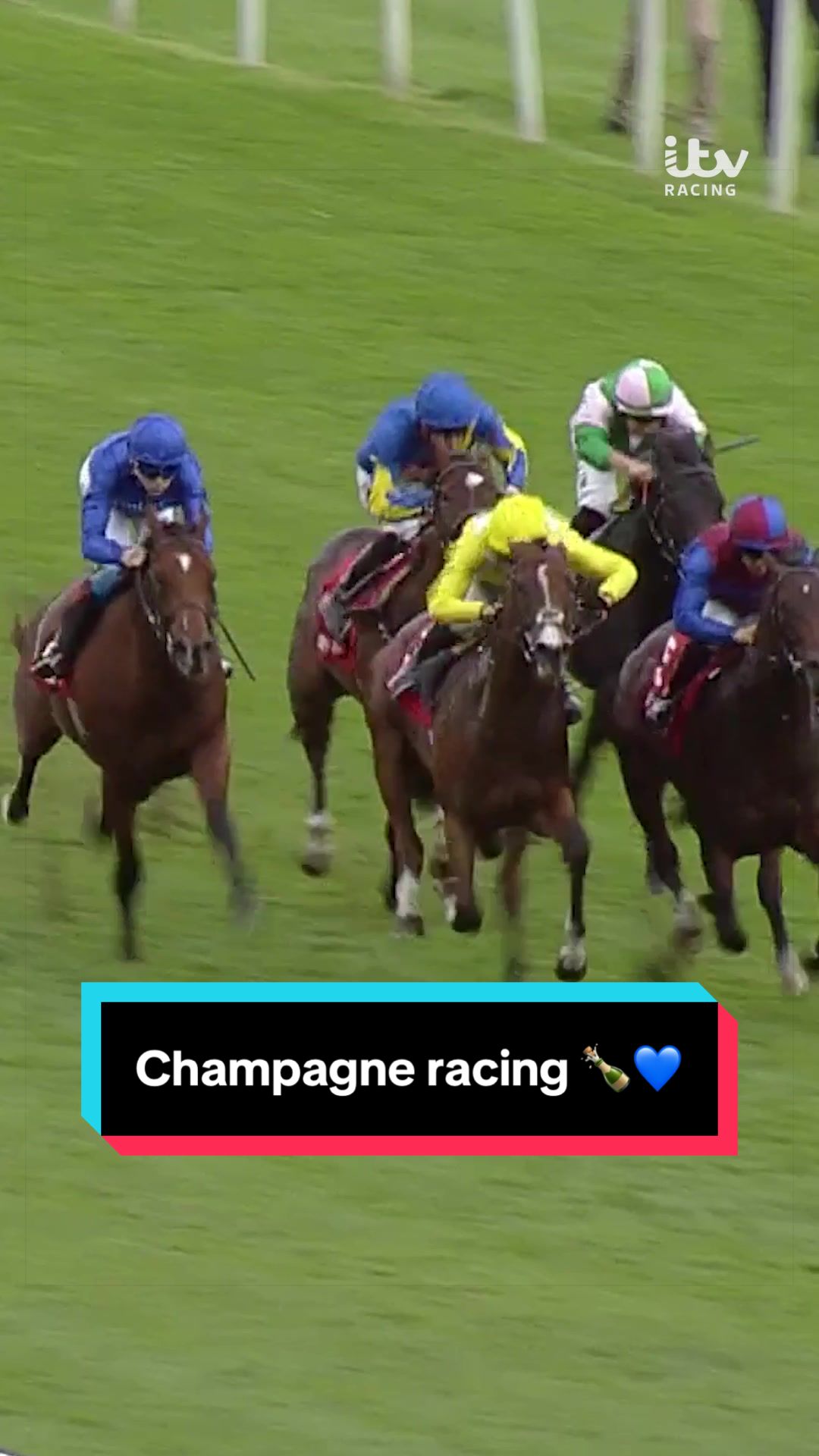
DESERT CASTLE DOMINATES! 🏆🍾

mbappe ballon d'or interview lequipe mbappe edit mbappe interview

Harry Maguire 99 pens. 🤯

Cristiano Ronaldo vs Abha, Saudi Champions league
 Links
Links
 Contact
 App
App


