



Can a legendary Japanese high school football coach overthrow the defending champion in the AFC Champions League final?



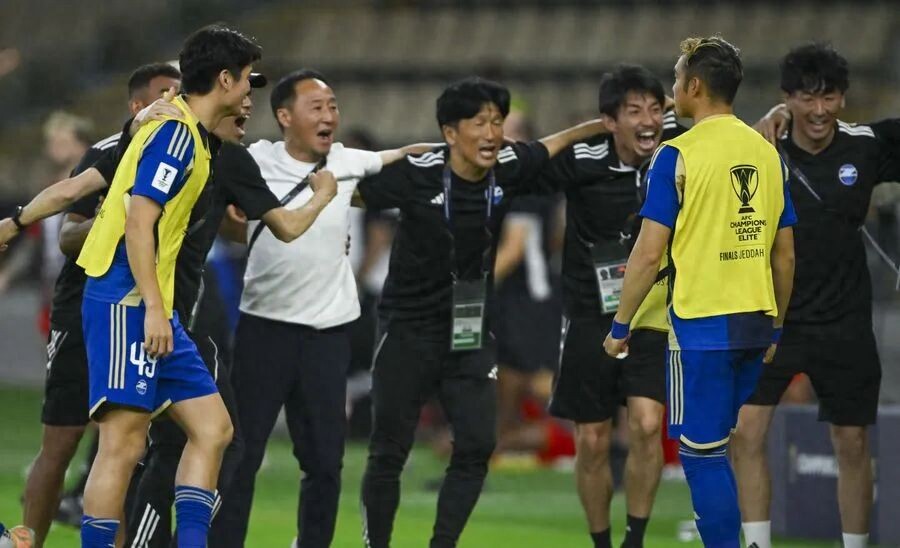
Written by Han Bing At 00:15 Beijing time on April 26, the 2025/26 AFC Champions League final will be staged, with Saudi Arabia's Al-Ahli facing Japan's Machida Zelvia. Since 2014, this is the 12th consecutive final featuring a clash between West and East Asian teams. Saudi clubs have appeared in four of the last five finals, and Japanese clubs have reached the final for four straight seasons. Compared to past editions, this season's final might be the most unique in history. Just three years ago, both Al-Ahli and Machida Zelvia were playing in their respective second divisions, but both have rapidly progressed. Al-Ahli won the AFC Champions League last year; Machida won the Emperor's Cup last year and, in their first-ever participation this season, have reached the final.

This is the seventh time since 1987 that a Saudi team and a Japanese team have met in the AFC Champions League (including its predecessor, the Asian Club Championship) final. In the previous six encounters, each side won three times. However, in 1987, Japan's Yomiuri FC (the predecessor of Tokyo Verdy) did not defeat Al-Hilal on the pitch; they won because nine of Al-Hilal's players were called up to the Saudi national team, making them unable to field a squad. In 2000, Al-Hilal defeated Júbilo Iwata 3-2 in extra time at home to win the title. Later, in three meetings with Urawa Red Diamonds, they only secured one championship, but remained unbeaten at home with one win and two draws. Last year, Al-Ahli defeated Kawasaki Frontale 2-0 at home to claim the title, and this year they again have the home advantage. Japanese teams have previously failed to win in five away matches in Saudi Arabia. Their sole victory was in the Asian Club Championship semifinal group stage in December 1986: Furukawa Electric SC (the predecessor of JEF United Chiba) defeated Al-Hilal 4-3, ultimately winning all three matches to take the championship.
This AFC Champions League final represents a clash between a star-studded strategy and a youth development tradition. Al-Ahli is one of Saudi Arabia's four major clubs. Coaches like Santana, Scolari, as well as Lazaronni, Farias, Pereira, and Ivan, who have previously coached in China, have all managed the team. In 1987, even Diego Maradona wore Al-Ahli's jersey for a celebratory match. Al-Ahli has reached the AFC Champions League (including its predecessor) final four times. In recent years, they have brought in high-profile stars like Firmino, Mahrez, Ibañez, Mendy, Toni, Galeno, and Milo. Over the last three seasons, their transfer spending has reached €380 million. Players with experience in the Chinese Super League, such as Milligan, Paulinho, Marcao, Stanciu, and Mitriță, have also played for the club.
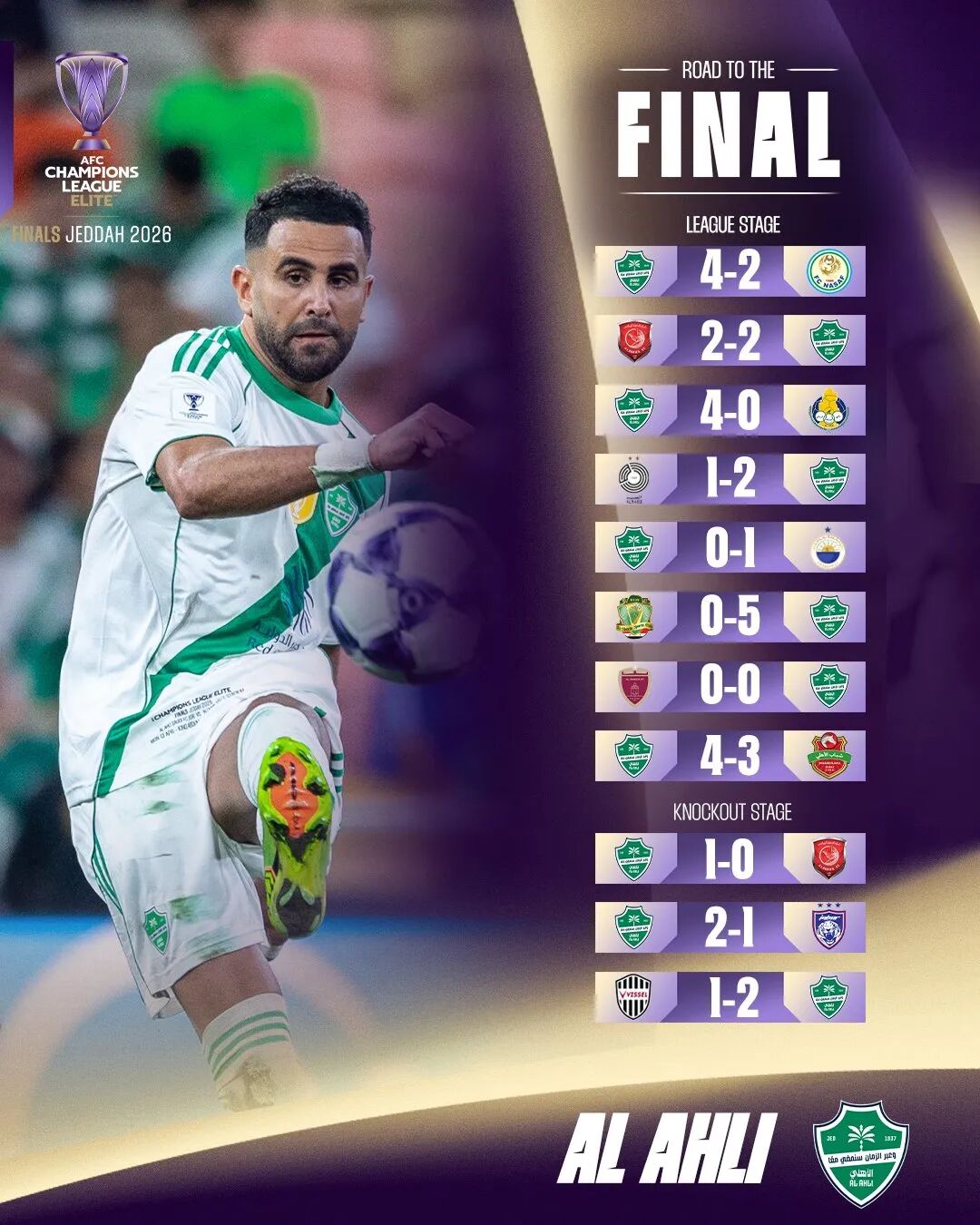
Al-Ahli's total squad value (€174 million) ranks second in Asia and is nine times that of Machida Zelvia (€19.3 million). The individual market values of their three key foreign players—Milo, Galeno, and Toni—each exceed the total value of the opponent's entire squad. However, football outcomes are never determined by market value. Both Al-Ittihad and Dubai Youth National, also packed with stars, have fallen to Machida Zelvia.
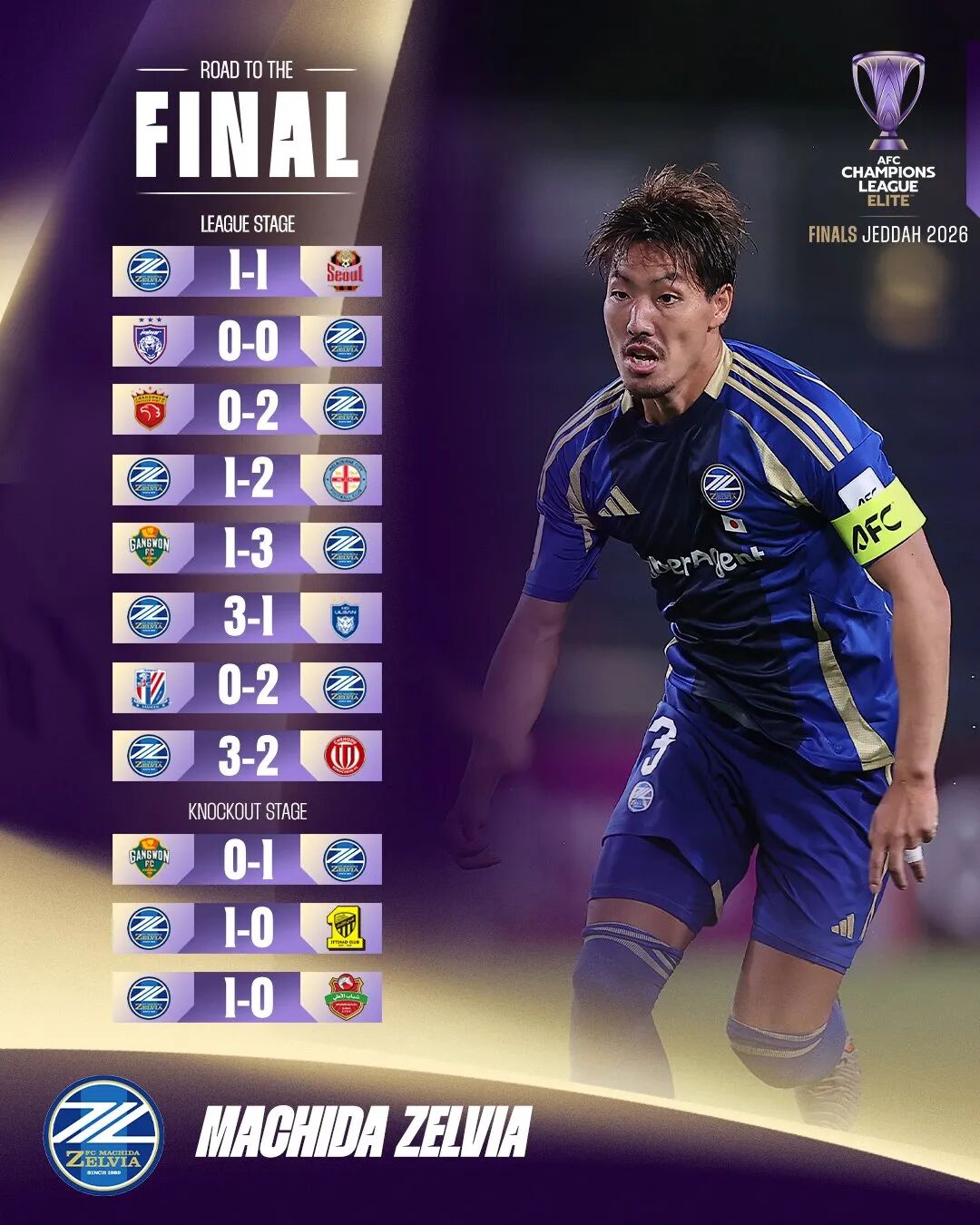
In contrast to Al-Ahli, Machida Zelvia, as the ninth Japanese team to reach the AFC Champions League (including its predecessor) final, is relatively unknown. Machida Zelvia originated from the Machida FC training center in the suburbs of Tokyo, built on a foundation of youth development, and is the second-most prolific club in producing J-League players. Starting from the Tokyo Metropolitan Football League (the fourth division) in 1991, they entered professional football for the first time in 2009, on the club's 20th anniversary. They are the only Japanese club to have risen from the lowest level (county league, fourth division) to the top-tier J1 League.

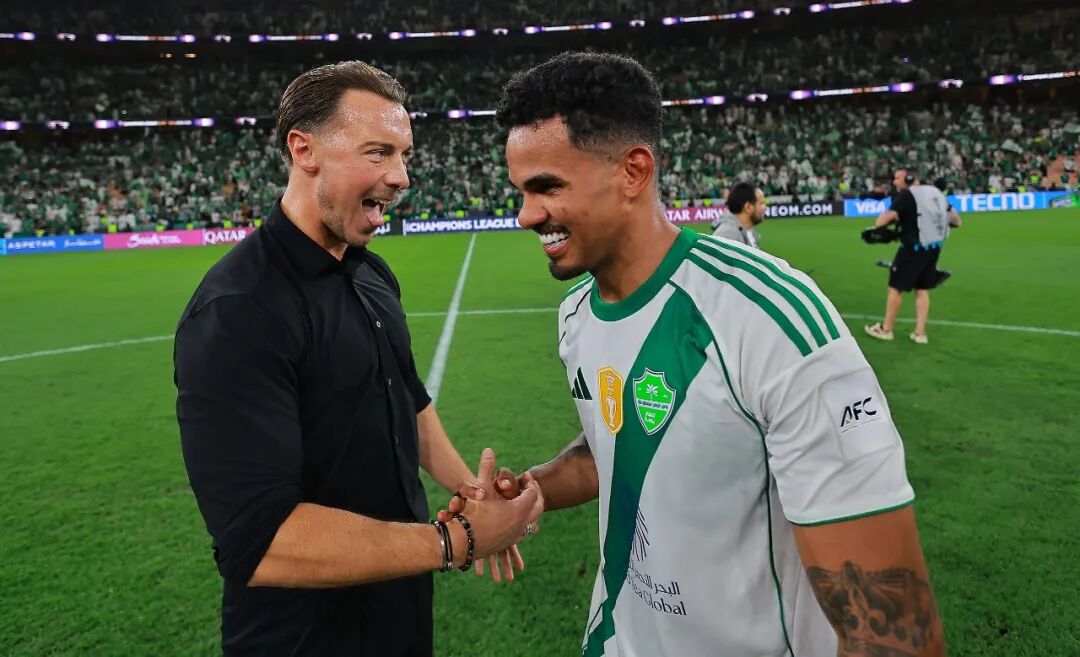
Another highlight of this final is the showdown between a German "Doctor Young Coach" and a Japanese high school team coach. Al-Ahli's head coach is the 38-year-old German Matthias Jaissle, who made his mark five years ago. At that time, he became Salzburg's youngest-ever coach at just 33, winning both the Austrian league and cup double and leading the team to their first-ever Champions League quarter-finals, shaking European football. During his playing career as a center-back, Jaissle had the potential to become a national team player, but recurring anterior cruciate ligament tears and Achilles injuries forced him to retire at 26. However, under the careful mentorship of renowned coach Ralf Rangnick, he quickly emerged from RB Leipzig's youth coach training program.
European media compared Jaissle to the young coach Nagelsmann, who was then managing Bayern. However, in 2023, Jaissle left Europe to take a lucrative €12 million annual salary coaching newly-promoted Al-Ahli. Nicknamed "The Doctor," he did not disappoint the heavily invested Saudi giants, achieving third place in the league in his first season and reaching the AFC Champions League final in his second season, winning the title for the club for the first time. This season, he has again reached the final, aiming to defend the crown. The last AFC Champions League defending champion was Al-Ittihad in 2005. If Al-Ahli successfully defends the title this time, they will share the glory with their city rivals.
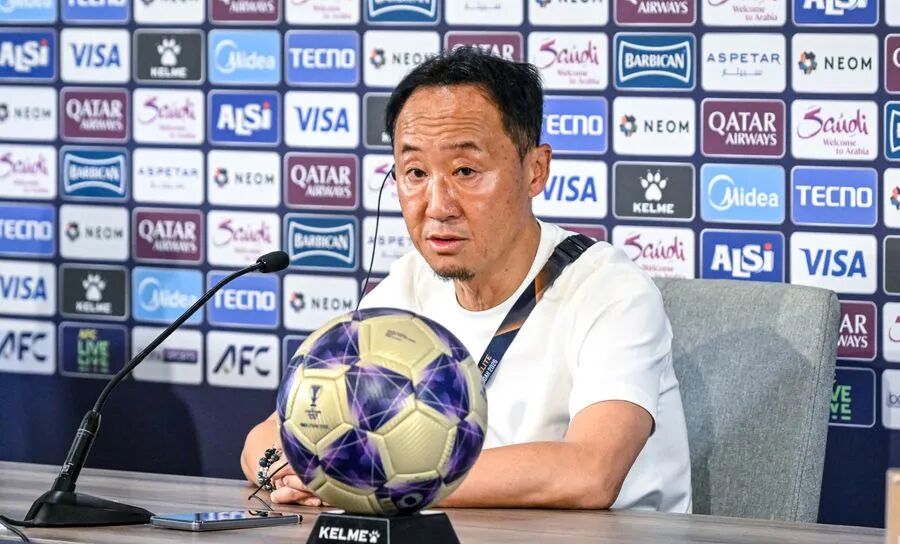
Opposing the German is the legendary Japanese high school football coach, Kuroda Takeshi. The 55-year-old has coached the Aomori Yamada High School team since 1994, for 28 continuous years. He led the team to its first national high school championship in 1997. After two decades of dedication to school football, from 2016 onward, the team became a top powerhouse in Japan's U18 competitions, winning six national titles in seven years. In 2023, he took his first professional club coaching role at Machida Zelvia, a club with a long tradition of youth development. In his first year, Kuroda led the team to promotion to J1 League; in his second year, they finished third in the league, earning a spot in the AFC Champions League Elite; in his third year, they won the Emperor's Cup; and in his fourth year, they reached the AFC Champions League final for the first time in club history. Considering the team's foundation and capabilities, Kuroda's achievements arguably surpass those of Jaissle.
Two coaches with vastly different styles and backgrounds will determine the outcome in the AFC Champions League final.


Wonderfulshortvideo

arda guler assist today guler vs rayo vallecano mbappe goal today jude bellingham goal today


Cristiano Ronaldo and Al Nassr vs Al Khaleej
HIGHWAYMAN WINS THE BETFRED ST LEGER! 🏆
DESERT CASTLE DOMINATES! 🏆🍾

mbappe ballon d'or interview lequipe mbappe edit mbappe interview

Harry Maguire 99 pens. 🤯

Cristiano Ronaldo vs Abha, Saudi Champions league
 Links
Links
 Contact
 App
App


