



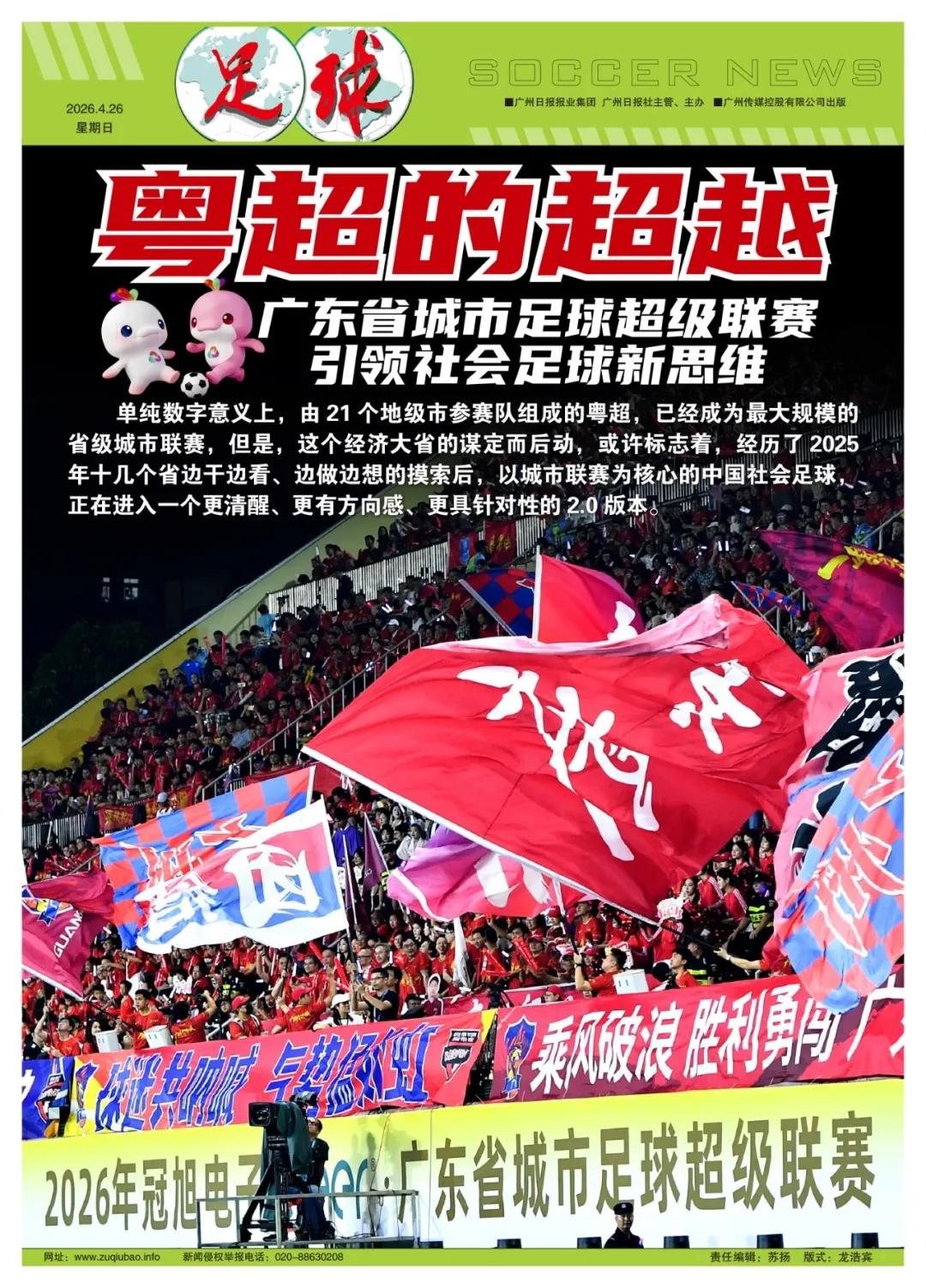
The Advancement of Yue Chao: Guangdong City League Leads New Thinking in Social Football


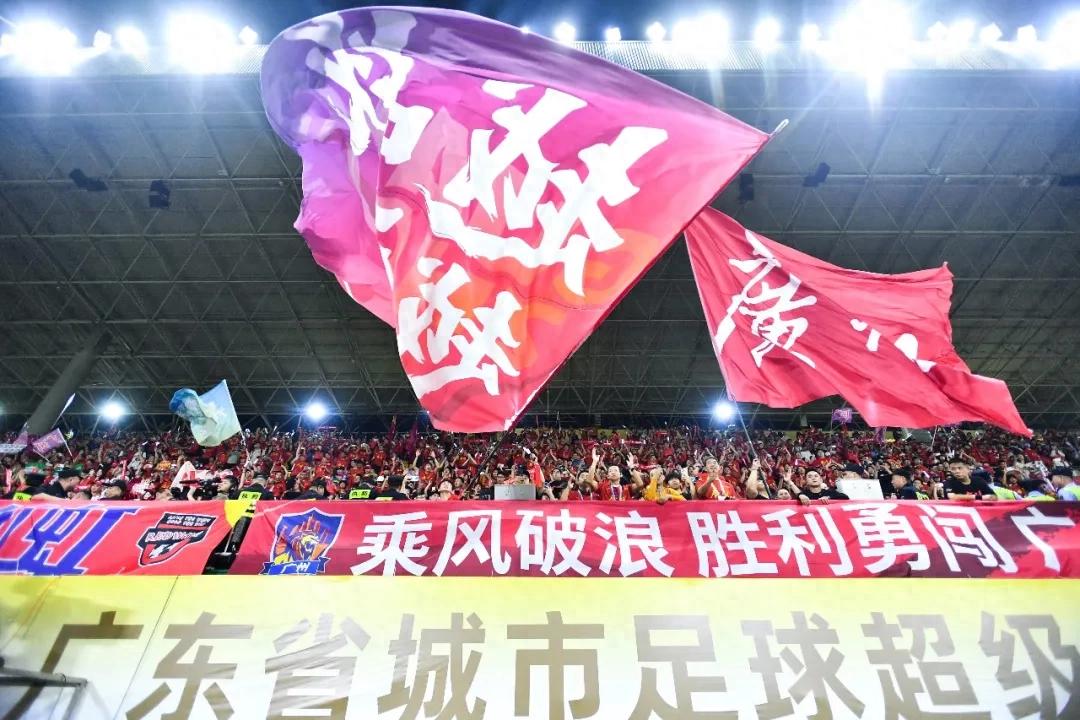
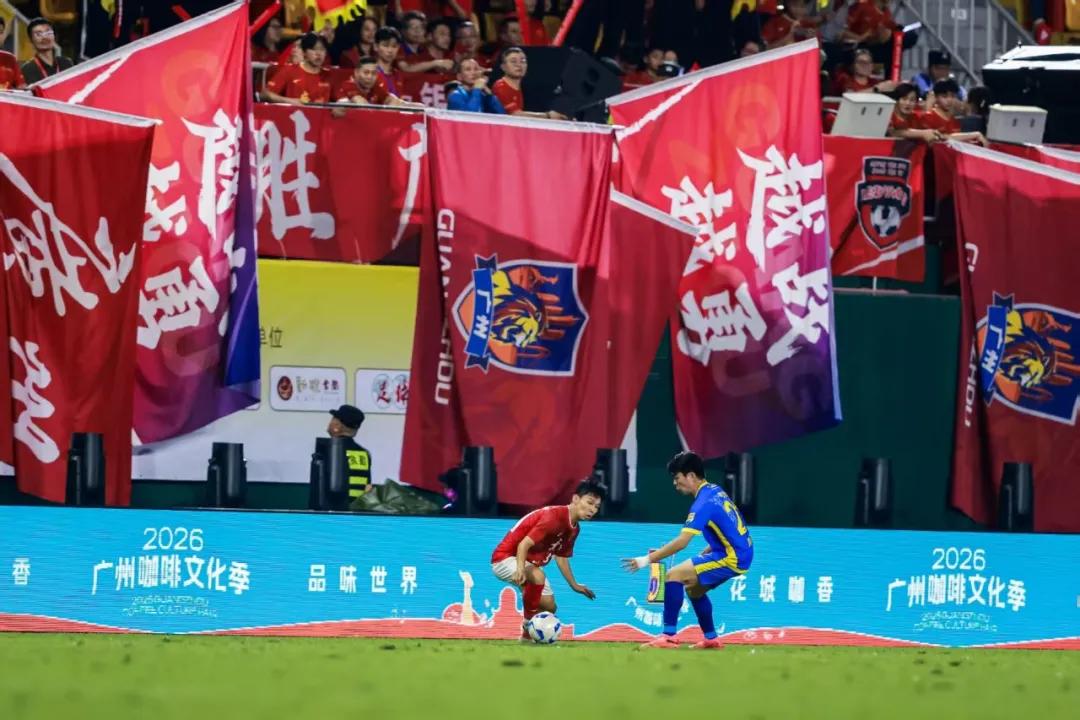
Commentator Liu Xiaoxin April 25th, 19:00, Guangzhou Yuexiu Mountain, Yue Chao opens. China's top economic province, Guangdong, has finally cautiously and decisively launched its own provincial city football league. At this moment, across the Pearl River, foreigners of various skin colors have just concluded another workday at the Canton Fair, while the Canton Fair for football has just begun.
Guangdong has led China's reform and opening-up for nearly half a century; the awareness and mindset of a market economy have long been rooted in this land, deeply ingrained in the bones of every local and non-local resident. Calling it cautious is because for such large-scale government-led, province-wide coordinated actions, they have always been accustomed to seeing more clearly and thinking more thoroughly. Calling it decisive is because once they identify the direction, they dislike procrastination and have their own swift, efficient, and pragmatic implementation methods. In purely numerical terms, the Guangdong Provincial City Football Super League, composed of teams from 21 prefecture-level cities, has already become the largest provincial city league. However, this economic powerhouse's strategy of planning before acting perhaps signifies that, after the exploration in 2025 by dozens of provinces who acted while observing and thought while doing, China's social football centered on city leagues is entering a more清醒, more directional, and more targeted version 2.0. Now it seems that last year's grand opening ceremony at Nansha Sports Stadium and the贯穿始终的 "Wu Chuan phenomenon" were更像是 using the shell of the originally competition-sequence Provincial Super League to conduct a planned and purposeful market预热 and regional test. The always business-savvy "old Guang" folks indeed have a rather shrewd and calculating flavor.

What is social football? What is a city league? Why such a nationwide mobilization and全民参与的大规模 action? Clearly, this is a question most people have been pondering. Frankly, even for "Football" newspaper, a professional and industry media that has persisted for nearly half a century, it is also constantly refreshing its judgments and understandings.
The earliest出现的 Village Super, we once thought was merely a successful marketing策划, akin to Zibo烧烤 and柳州螺蛳粉—a爆款, a特例, but not representative of规律. Then came苏超, with漫天飞舞的梗 and rapidly膨胀的市场活跃度,堪称现象级的经典, but we still cautiously considered it a provincial Village Super driven by more government and administrative resources合力. If tickets for Lin Junjie and张学友 concerts were 8.8 yuan, they would absolutely be hard to obtain, but could that be considered a successful case in the演出市场? Subsequently,赣超 and湘超, facing Yongzhou's "tree hanging," facing thousands of vehicles traveling between cities, and tens of thousands turning高铁 into统一着装的专列, our固执也在从未有过的体验面前一点点瓦解.
Unverified historical records say that Zhang Liang advised刘邦 at the dynasty's founding,大意是: to quickly恢复国家经济, a最基本的原则 is not to let the people stay at home without going out.姑且信之, this can almost be seen as the底层逻辑 of any economic theory and market法则:只要出门,就得人吃马喂, in modern terms,那就是供给侧和消费端的问题, and Zhang Liang's reminder大概就是要进行 "供给侧结构性改革." This道理放之于苏超,湘超: such大规模的城市之间的人口流动,车要加油,人要住店, isn't that经济?
Anything like city leagues that能让最大多数的老百姓关注同一个现象,谈论同一个话题,以城市荣誉为聚核,主观上全民同乐,客观上促进消费, then,无须讨论, this thing is definitely done right. Whether tickets are 5.8 or 8.8 yuan is actually just the most cost-effective引流成本 in the互联网时代.至于是不是消耗了大量政府资源,换个角度说,政府资源, including财政预算,不就是应该用来抛砖引玉,搭台唱戏,或者说用来引入题材,引领方向,引导消费? Never doubt the智慧 of our country and government: city leagues遍及全国, from抢一张票,出一次门开始,就已经在完成一整套GDP的逻辑. A Provincial Super,短短一个赛季下来,动辄上百亿,甚至高达数百亿的营收,难道不是真实支付的结果? Undoubtedly, this完全可以称得上是对 "有为政府,有效市场"的最具体而微的理解.

According to Guangdong Provincial Football Association主席 Xie Changjing,一件事,只有想清楚了为什么做,才能知道怎么做. This is a哲学问题. In fact, football's core value as the world's第一运动 originally lies in its energy and体量 to撬动市场,带动文旅,活跃经济. So, how to用好这根 "杠杆" is the终极命题 of the风起云涌的城市联赛. We have been关注粤超 from赛事组织 to招商运营的每一个动作, and更关注每一个动作背后的想法和逻辑.应该说,粤超孵化出来 on this中国经济的前沿阵地从一开始就抓住了他们理解的 "中心思想."
We简单地概括.
First, before organizing赛事,先思考办给谁看,谁会来看.不想让老百姓待在家里,就得努力去想,凭什么让老百姓出门? From职业足球 to社会足球, Guangdong无疑是中国最具传统的区域之一.如果说高水平的职业赛事是球迷喜欢看的赛事,那么以业余足球为标志的城市联赛就应该办成与包括球迷在内的更广泛的群众,更大多数的城市居民有关系的比赛,让他们通过足球,在这座自己生活的城市里,闻到更熟悉的味道,体验更好玩的事情,体会更有温度的文化.只有思想到了,那些有组织的表演,有想象空间的大礼包才会成为有的放矢的,有灵魂的细节.按照互联网的逻辑,这是典型的C端思维,用户思维和流量思维.
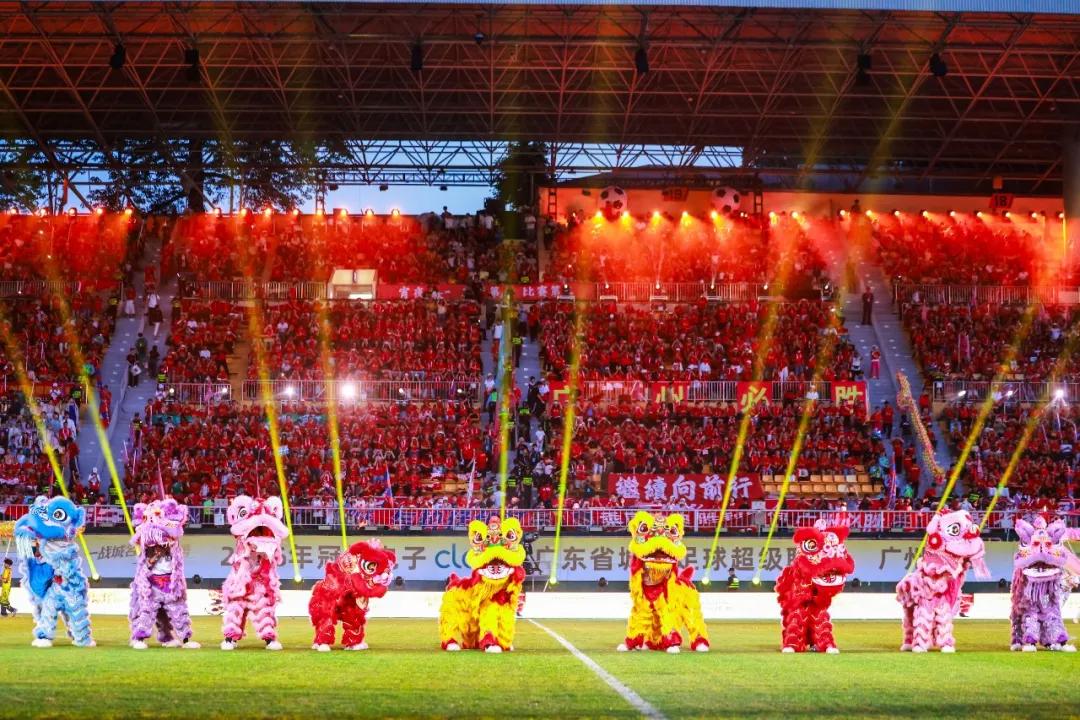
Second, each city才是联赛最核心的组织单位和战斗单位, because只有城市才是源于足球的荣誉感,归属感和参与感的根本依托. 21 cities, from粤西 to粤北 to潮汕 to客家 to广府的地域文化, from清远鸡 to陈村粉 to生腌虾的味蕾差异, from每一个城中村 to每一座祠堂的历史传承, from龙舟 to醒狮的民间艺术,业余联赛应该赋予城市更宽阔的内涵和更自由的发挥空间. On this舞台,展示和融合也许比对抗和竞技更具魅力.应该说,这算得上典型的B端思维和整合思维.
Finally,招商不是摊派,不是化缘,不是传统意义上贴牌式的赞助,而是在打造一个人尽其用,丰俭由人的赛企合作的平台. Whether it's a 30 million yuan总冠名 or a 50,000 yuan小微企业,都是因为有用,有得玩才能走到一起来,才能找到自己的存在感和参与感.赛事要吃饭,要穿衣,要坐车,要直播,要大数据,只有需求才能产生真正有黏性的合作.政府最合适的身份不是一纸红头文件,而是真正打造一个让所有人都能玩起来的平台,以及平台下因为需求而产生的入口.这是真正的G端思维.改革开放几十年,应运而生的广交会早就让广东人明白了聚而生财,有钱大家赚的硬道理.

From C to B to G,算得上涵盖了互联网营销的全链路.粤超的思路不是创新,甚至更谈不上什么模式,但恰恰证明了中国社会足球正走在深入思考逐渐成熟的路上.经历了最初的摸索,我们的城市联赛的管理者和组织者们必须在更多的问题中寻求答案:能不能更长久地维系全民的热情?能不能更有效地形成稳定的市场?能不能更快地让赛事转向平台,转向产业?也许只有更加全面深刻地定位城市联赛,这些问题才能找到越来越完善的解决途径,我们的社会足球才能迎来爆款之后的沉淀和良性循环.
Thought must always precede action.


Wonderfulshortvideo
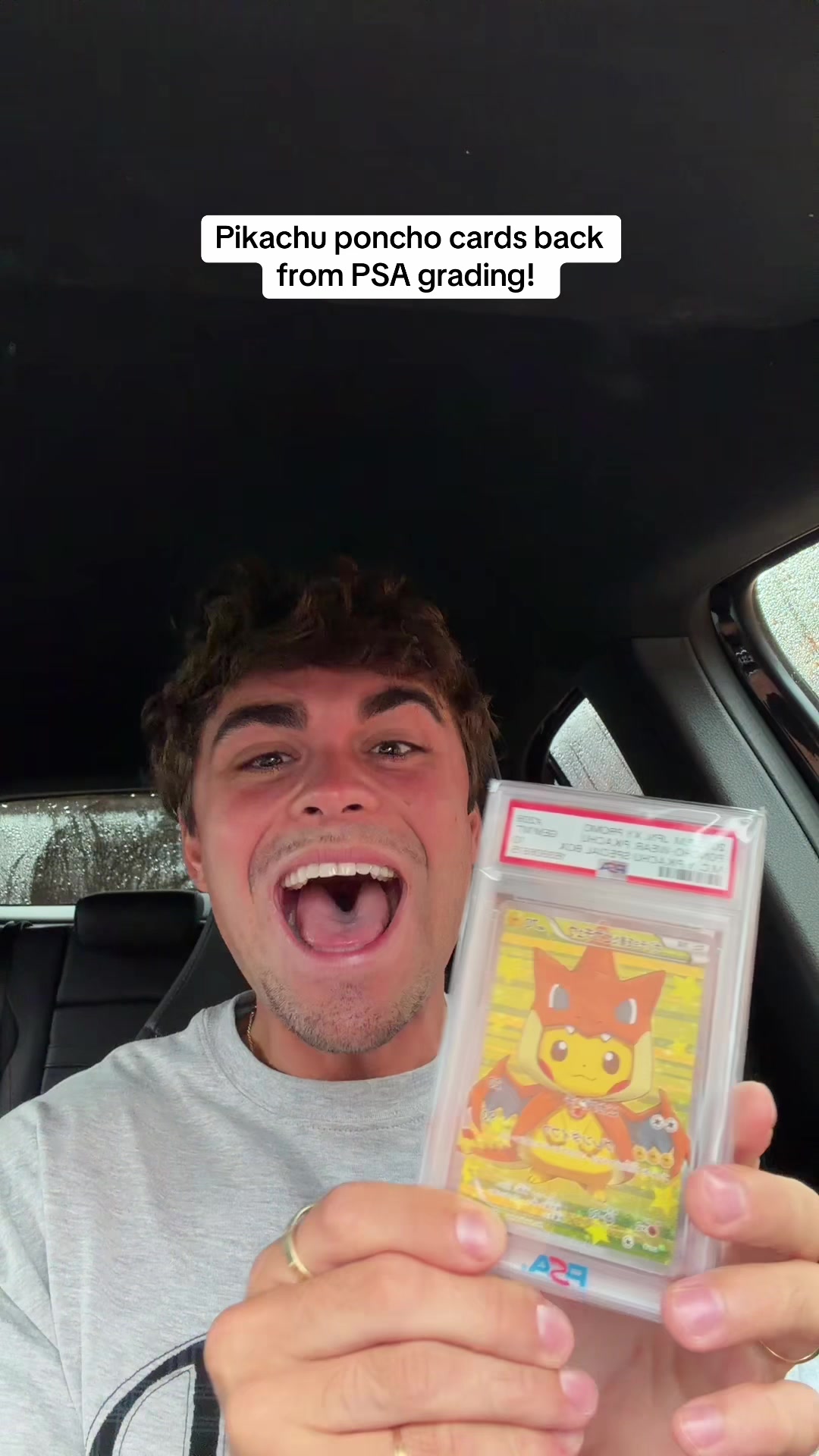
Follow for more pokemon content! So what do I do with them now?…



arda guler assist today guler vs rayo vallecano mbappe goal today jude bellingham goal today
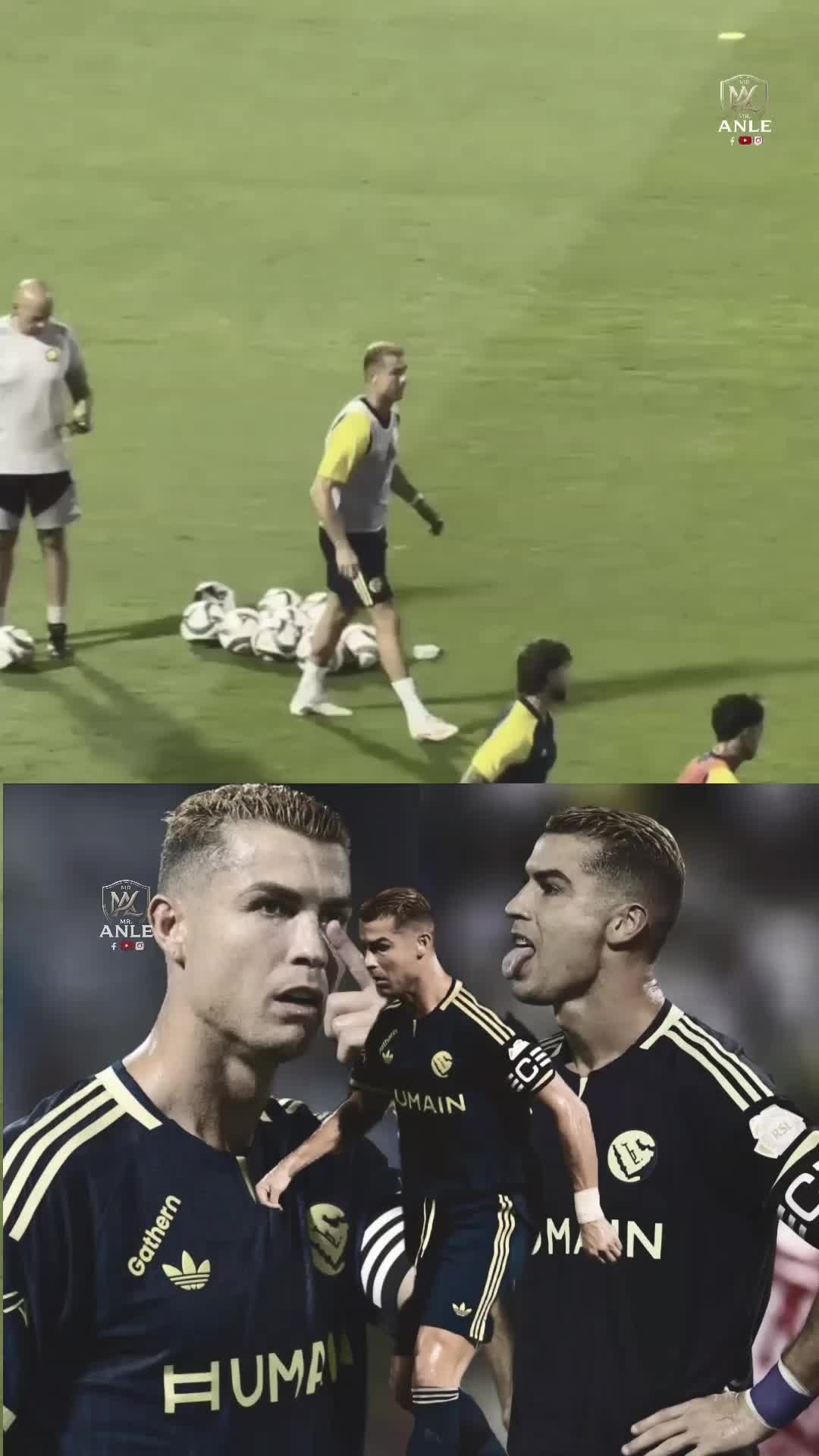
Cristiano Ronaldo and Al Nassr vs Al Khaleej
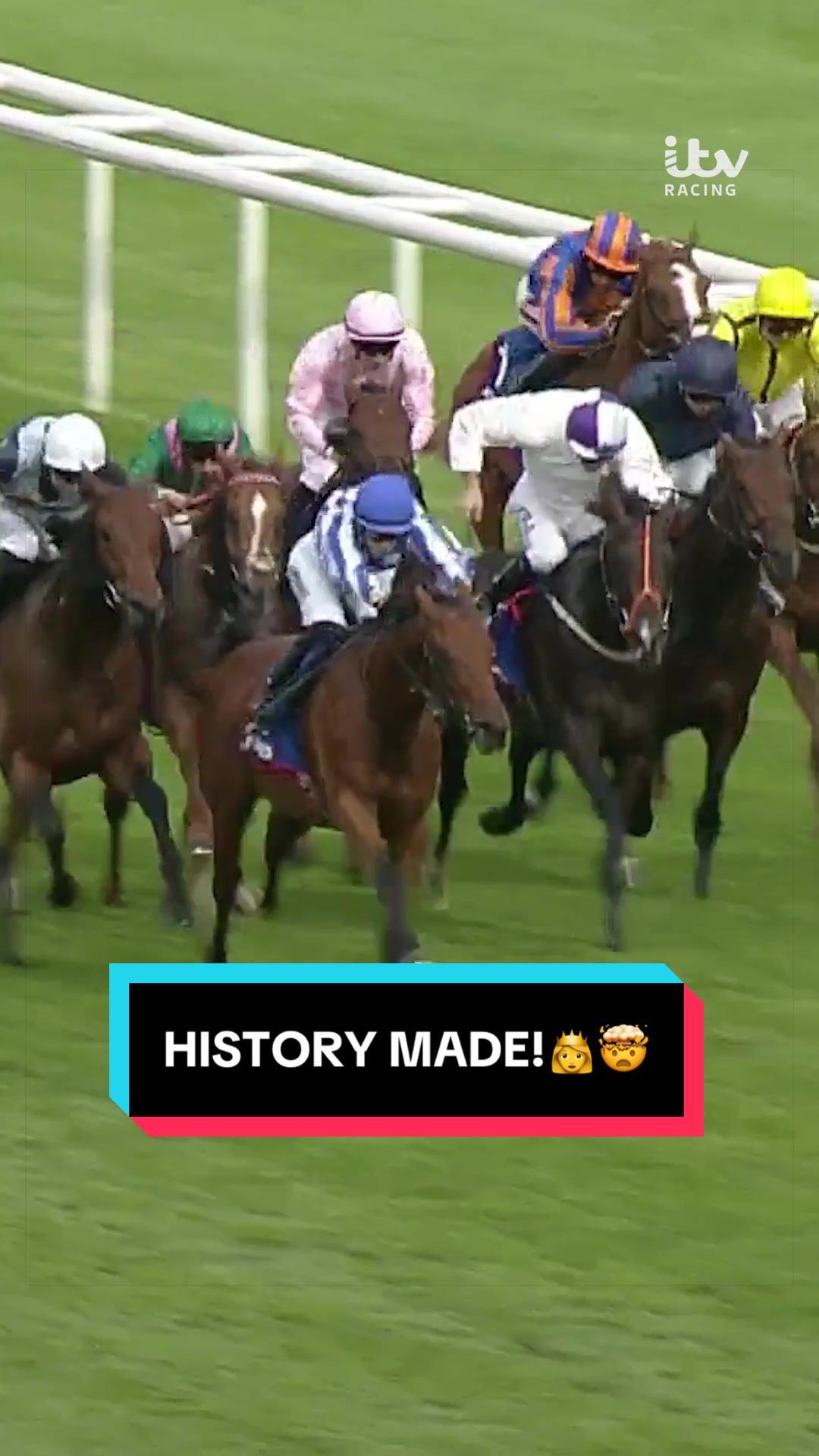
HIGHWAYMAN WINS THE BETFRED ST LEGER! 🏆
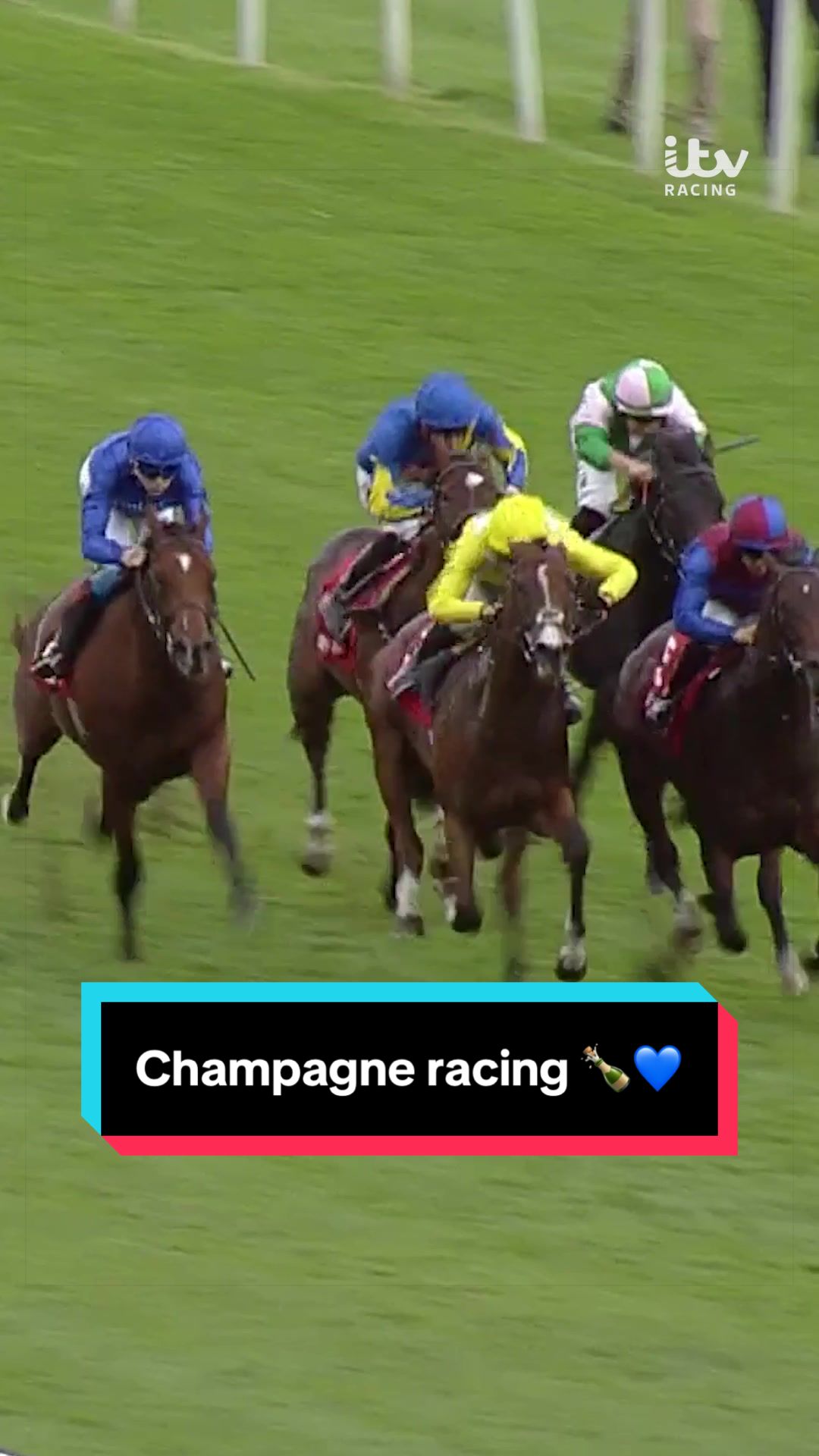
DESERT CASTLE DOMINATES! 🏆🍾

mbappe ballon d'or interview lequipe mbappe edit mbappe interview

Harry Maguire 99 pens. 🤯
 Links
Links
 Contact
 App
App


