



Sustainable Development and Industrial Revitalization—The Reality, Future, and Ultimate Vision of the City League


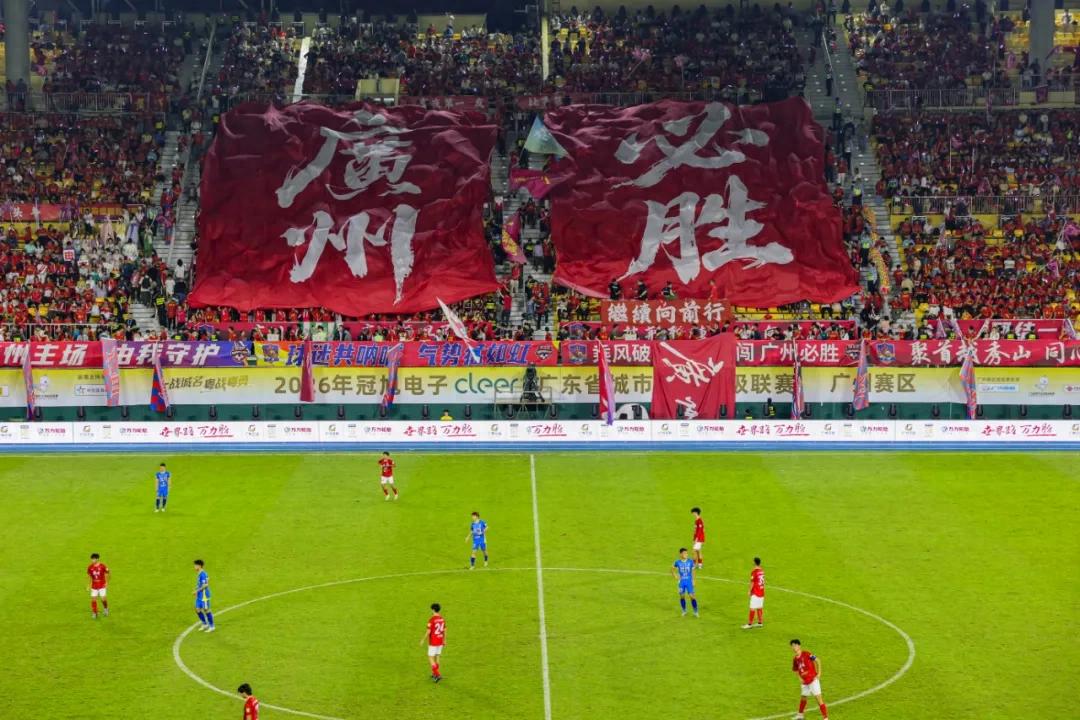
Reported by Chen Yong The Guangdong Super League kicks off, with Guangdong, Shandong, and Zhejiang provinces—three major economic powerhouses—joining the city league system. This has enabled the 2026 city league to achieve dual improvements in both quantity and quality. Thus, the city league has completed its first two stages: (I) The pioneering stage, being the founding and exploratory year of the city league in 2025; (II) The advancement stage, serving as the improvement and breakthrough year of the city league in 2026.
This is the current reality of the city league. Looking ahead, the city league system itself is expected to undergo two further phases: (III) The stabilization phase, where after its inception and rapid expansion, the city league will require a period of steady development. Compared to the previous stages, this phase actually faces more challenges, including tournament standardization, league business operations, stadium attendance, event popularity, cultural tourism impact, industrial development, and discipline; (IV) The system establishment phase, involving the proliferation of city-level leagues and the potential creation of a national league, thereby refining the three or four-tier league structure of the city league. The former is currently being promoted simultaneously, while the latter—whether and when to establish a national league—depends on the development of the city league.
In fact, the city league ultimately has a fifth stage, representing its ultimate vision: First, evolving from boosting cultural tourism consumption to constructing a comprehensive city league industrial system and even a holistic football industry ecosystem; Second, achieving orderly coexistence between the city league and the club league system (professional/semi-professional/amateur leagues); Third, on the basis of harmonious coexistence between administrative division-based tournaments and club-based tournaments, thoroughly driving the development of youth football. Through these three interconnected aspects, the revitalization of Chinese football can be realized.
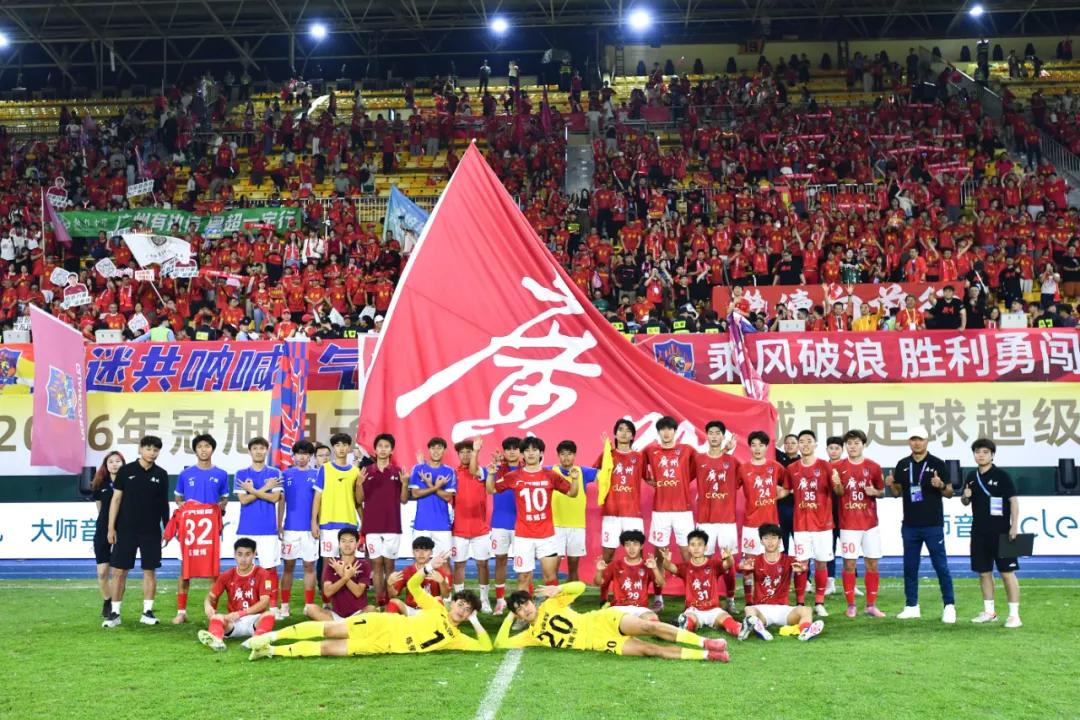

Without long-term planning, immediate troubles arise. The current popularity of the city league, including its demonstrated ability to stimulate cultural tourism consumption, does not guarantee stable and healthy development. For this new tournament to eventually grow into a sport deeply rooted in the hearts of the people, a cultural phenomenon, and an economic industry, it faces significant challenges in the coming years. In fact, each of the following points is crucial to the league's survival, all indispensable. Summarized, they are: two sustainability factors, two potential threats, one standardization requirement, and one coordination need.
(I) Sustainability of public enthusiasm. The core of the city league is its grassroots nature, a point explicitly emphasized by the Guangdong Super League regarding the league's community attributes. Currently, the city league enjoys high popularity and strong public participation, but only a portion of the attendees are genuine football enthusiasts with stable viewing habits. An interesting example: a reporter once encountered a young fan who quietly asked after seeing a back-pass, "Isn't that a backcourt violation?" Therefore, transforming casual spectators into stable fan groups is crucial, requiring 3 to 5 years of steady cultivation, supported by consistent resources and sustained exposure.
(II) Sustainability of government support. The most critical support for the city league comes from multi-departmental coordination within the government, which is rare in other sports events and uncommon in other governmental affairs. The continuity of government resources mobilized for the city league is another pillar of its vitality. A key issue here is how to reduce administrative costs while maintaining stable government support. The ideal scenario is for government support to gradually transition into broader societal participation, using social involvement and commercial operations to alleviate administrative burdens. Balancing this transition poses a significant challenge.
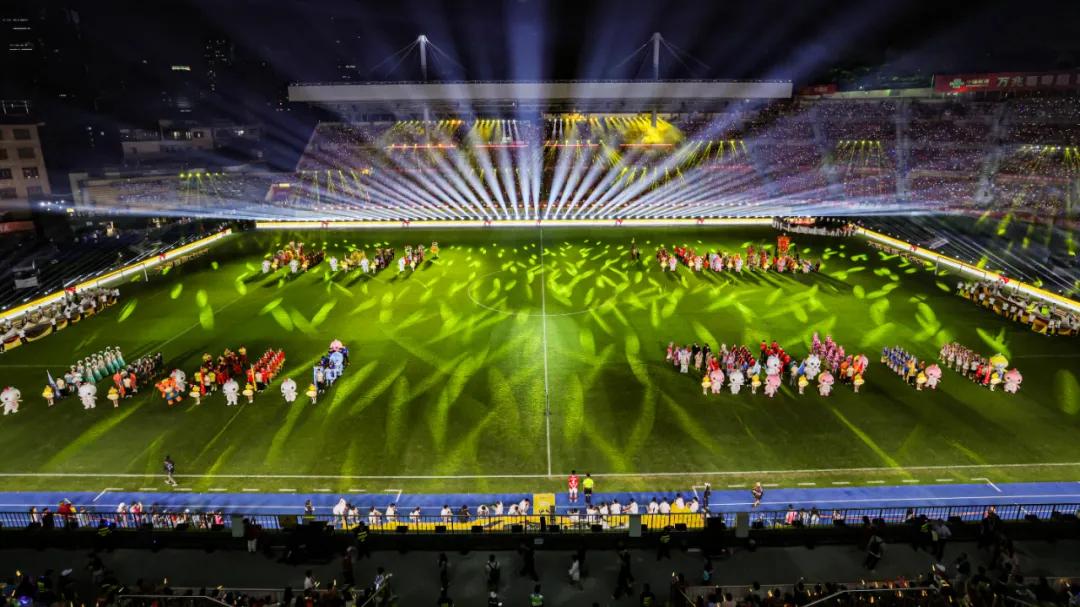
(III) Potential threat of financialized football. During the development of the city league, while the state maintains high-level attention and strives to avoid direct intervention, it has explicitly cautioned against the emergence of financialized football—where local governments use substantial fiscal support to pursue achievements—especially given precedents in professional leagues. Moreover, the city league currently attracts considerable attention from social capital; maintaining stable commercial operations is also key to its development.
(IV) Potential threat of disciplinary issues. The state monitors the city league without interference, offering moderate warnings regarding financialized football, but takes a stricter stance on disciplinary matters. In early 2026, the Chinese Football Association introduced the "List of Subjects for Severe Violations and Disciplinary Punishments in Social Football Events," aiming to comprehensively oversee discipline and serious misconduct in social football tournaments. Under this list, the CFA and local football associations will implement joint penalties, where local bans escalate to nationwide suspensions, to deter severe violations and uphold discipline on the football field. It is widely known that nationwide bans, such as the case of Ri Huo Wa Ti, are merely one among 59 listed individuals.
(V) Standardization of competition management. Current discussions about the city league's competition aspects focus more on outcomes rather than processes. However, as the league deepens and more ordinary people become genuine fans, driven by local pride and city honor, future attention may shift to issues like referee decisions and disciplinary actions, similar to today's professional leagues. This will inevitably pose greater challenges to the competition management of the city league. Two other key aspects of city league competition management are the degree of localization and youth involvement, as previously discussed.
(VI) Coordinated development across multiple levels. In the evolution of the city league, horizontal coordination involves synergy with the club league system, while vertical coordination involves alignment with city-level leagues and potential national-level city leagues, which will be detailed further below.
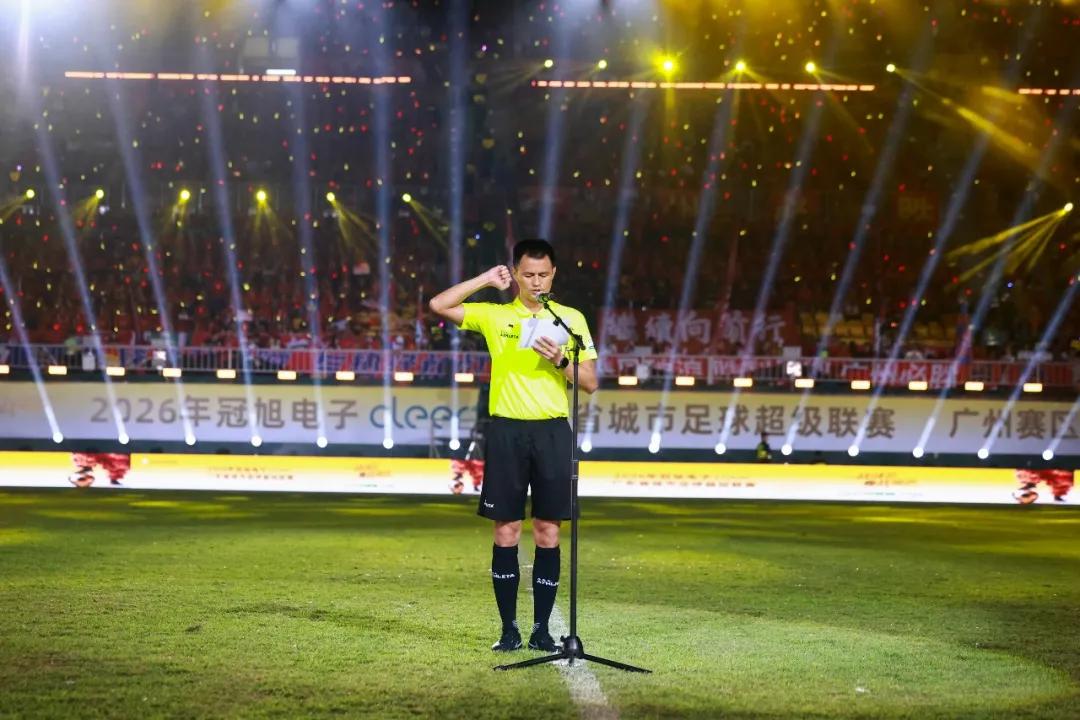

Currently, the city league primarily operates at provincial and municipal levels, but city-level leagues are gradually developing as well. For instance, the Wuhan City Football Super League (Han Super) was formally established in 2025. In Shenzhen, the Shenzhen Street Football Super League (Street Super), originally part of a district-level city league system, has now expanded into a municipal-level city league system, achieving flattened development. Similar approaches are seen in Guizhou and Guangxi, where county-level football leagues are directly launched.
Of course, greater attention is directed toward whether a national city league will be formally established. Currently, similar invitation tournaments exist domestically, such as the CMG Mass Football Invitational held in Tai'an from March 28 to April 3, featuring teams like Tai'an (champion of Qilu Super), Ganzhou (champion of Gan Super), Yongzhou (champion of Xiang Super), Hohhot (champion of Meng Super), Yushu (champion of Qing Super), and specially invited Harbin. However, such events are mainly organized by private or local entities, not constituting a true national city league. Theoretically, the city league system based on administrative division representatives could reach three or four tiers: national, provincial/municipal, city-level, and county-level city leagues.
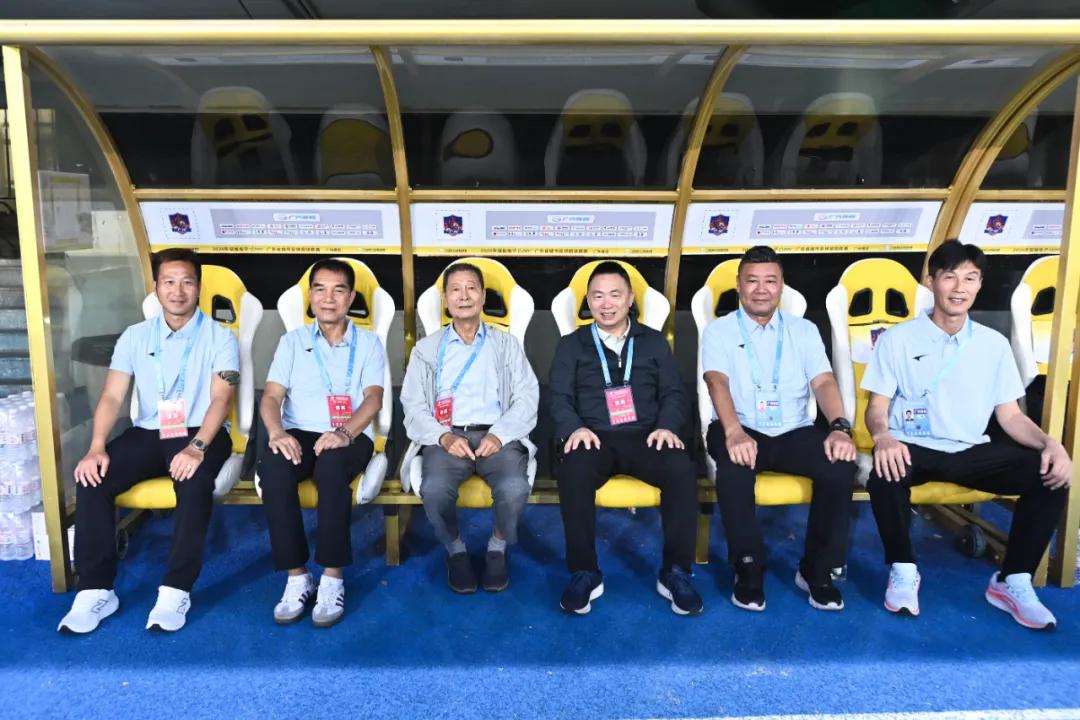
Compared to the provincial, municipal, and county three-tier city league system, the scheduling and format of a national city league present difficulties. Eligibility criteria could be unified, but the key lies in whether to implement a home-and-away format. Without it, the tournament's economic impact would be limited; with it, coordinating schedules across three or four tiers of city leagues would require careful consideration.
On the horizontal level, the current focus is on how to coordinate provincial/municipal city leagues with provincial/municipal club leagues (qualifiers for the China Champions League). In 2026, alongside the Guangdong Super League, the Guangdong Provincial Super League for club teams continues. In Jiangsu, the Jiangsu Football Club Champions League (Su Champions) develops parallel to the Su Super League. However, several provinces and cities have ceased organizing provincial/municipal club leagues, instead having top city league cities recommend club representative teams.
In summary, the future adult football tournament system in China may face conflicts in both vertical and horizontal scheduling, similar to previous youth tournament systems, which requires focused attention at the national level.
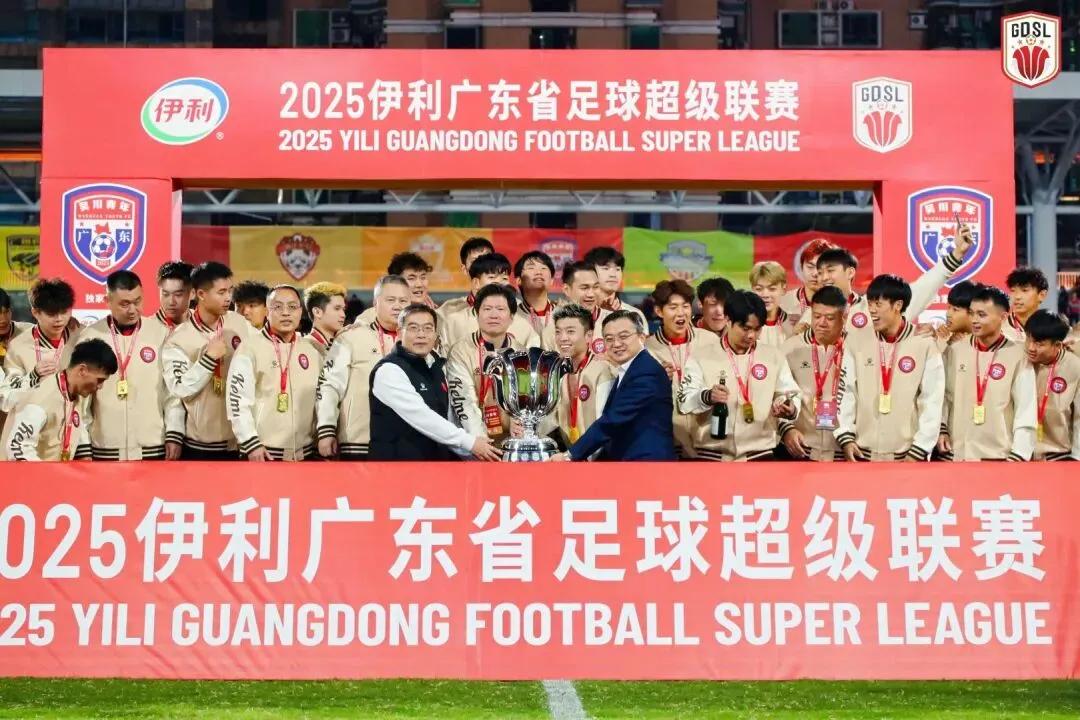

Within the construction of China's football system at national, provincial, and city levels, national-level structuring is nearing completion, with the current focus on whether to establish a national city league. Provincial and municipal-level structuring currently faces numerous issues, including coordination between city leagues and club leagues, alignment between provincial sports games and national games, and crucially, whether provincial three-ball sports games will ultimately harmonize with national three-ball sports games.
The city level, however, shows new developmental directions: local government coordination enables synergistic development among city league representative teams, club representative teams, and youth training systems. For example, in Zibo City, Shandong Province, the city league team Zibo Team and the club team Qi Ji United Team are integrated, sharing a base and youth training system. Key football cities like Qingdao adopt multi-track approaches, currently hosting 2 Chinese Super League clubs, 1 China League Two club, with comprehensive development across sports system youth training, professional youth training, and social youth training.
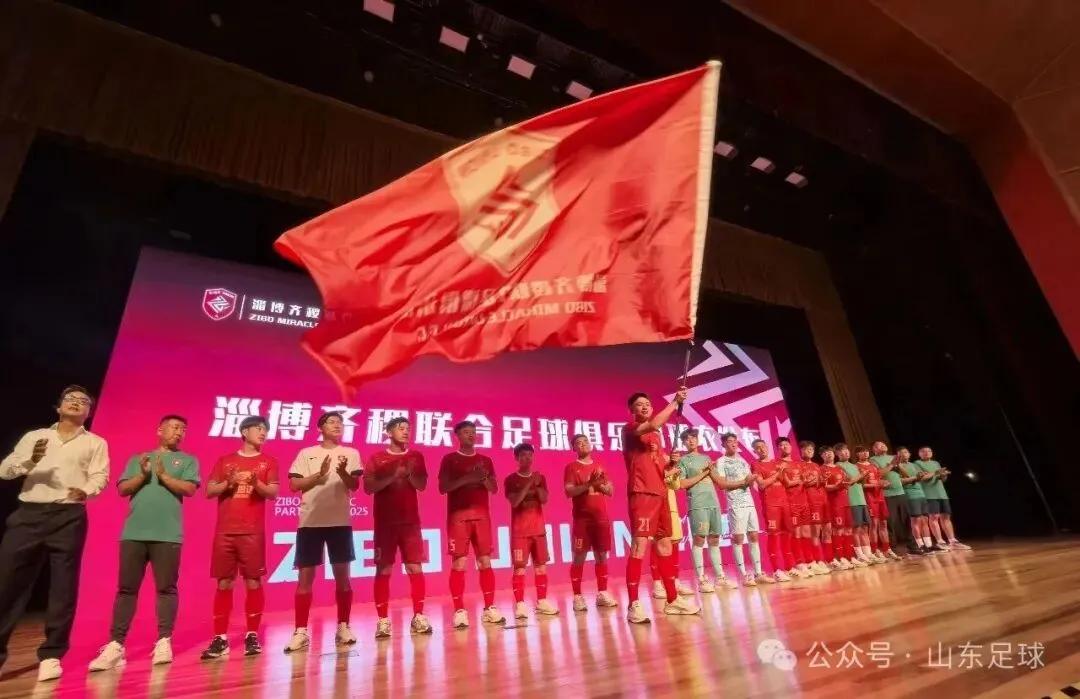
The ultimate vision of the city league is straightforward: Economically, the current model of stimulating cultural tourism consumption should evolve into a well-rounded football industry system, making football a growth driver and comprehensively boosting employment, which also relates to youth football development; Competitively, professional football, city leagues, social football, youth training systems, and school football should develop synergistically, with the city league particularly playing a key role in cultivating fans and fostering youth football; Culturally, football should become a landmark for each city and a spiritual home for its people.
Taking Guangdong Province as an example, it possesses a comprehensive professional league system, currently with 1 Chinese Super League club, 4 China League One clubs (two of which rank high in the League One standings), and 3 China League Two clubs; Guangzhou also boasts the most extensive and advanced youth training system domestically, with four of the eight quarter-finalists in the 2025 National Youth Tournament U15 boys' group coming from Guangzhou, including three in the semi-finals. Looking forward, Guangdong football can advance simultaneously across professional football, city leagues, youth football, and other aspects, achieving comprehensive success.


Wonderfulshortvideo

Follow for more pokemon content! So what do I do with them now?…



arda guler assist today guler vs rayo vallecano mbappe goal today jude bellingham goal today
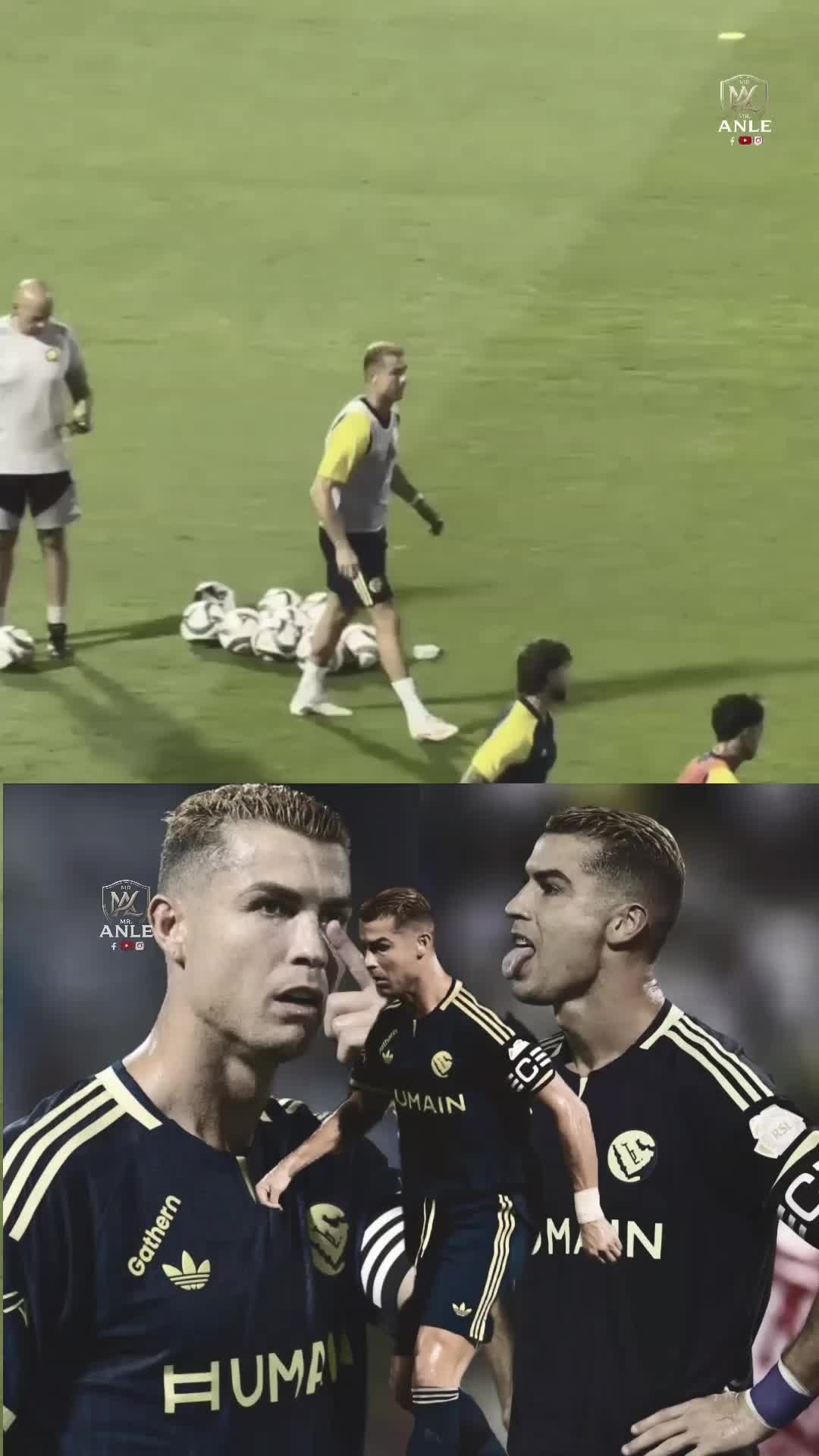
Cristiano Ronaldo and Al Nassr vs Al Khaleej
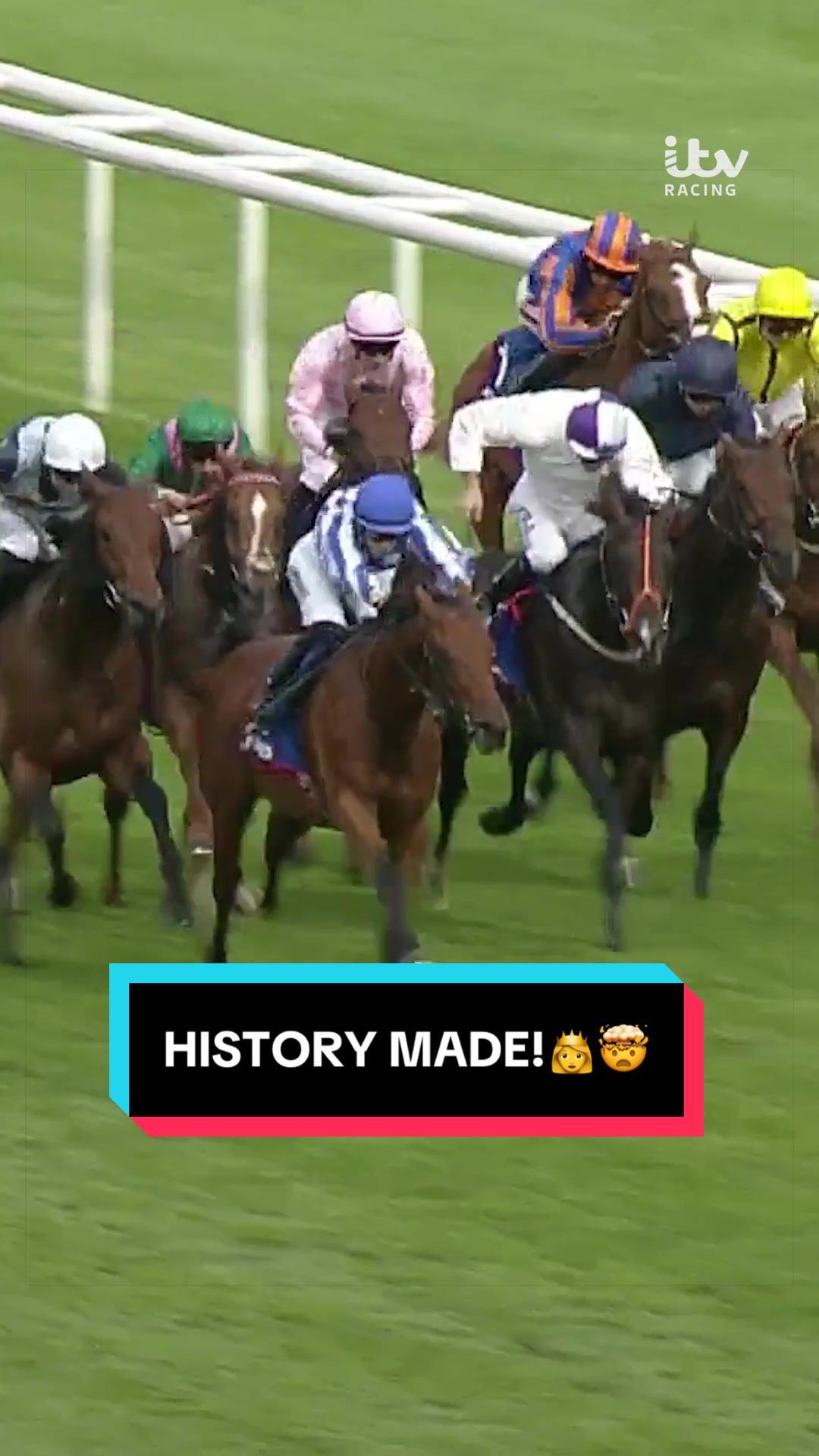
HIGHWAYMAN WINS THE BETFRED ST LEGER! 🏆
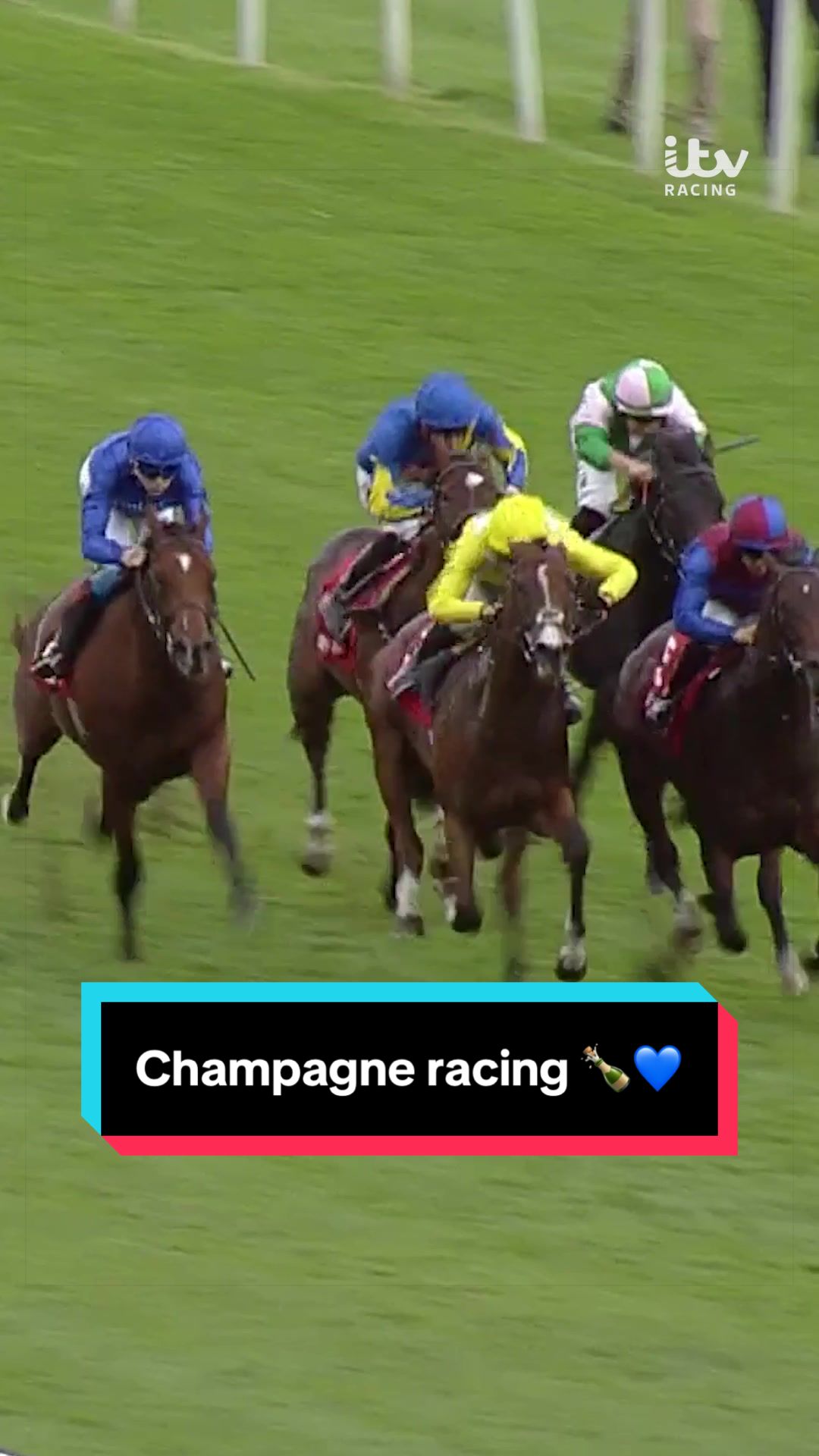
DESERT CASTLE DOMINATES! 🏆🍾

mbappe ballon d'or interview lequipe mbappe edit mbappe interview

Harry Maguire 99 pens. 🤯
 Links
Links
 Contact
 App
App


