



The average cost per match is just over 10,000 yuan! The Scottish Premiership has achieved full VAR coverage, should the China League One continue to wait?



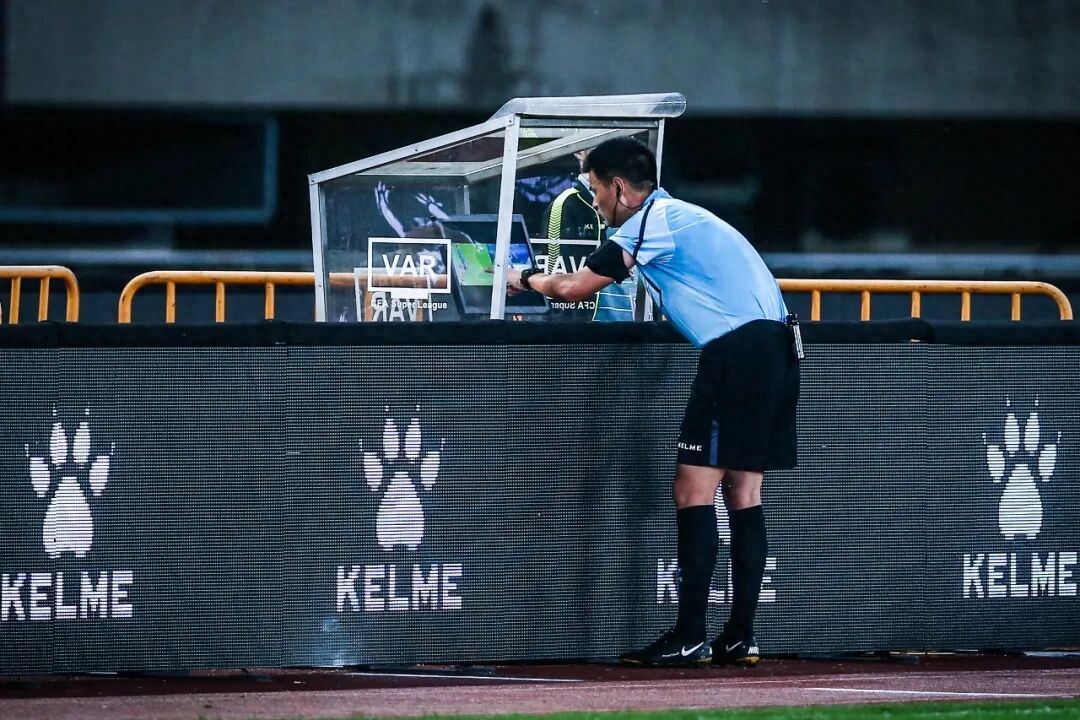
Reported by journalist Chen Yong Faced with increasing misjudgments, multiple teams in the China League One strongly advocate for the comprehensive application of the VAR system. Especially after the Scottish Premiership fully adopted VAR in the 2026 season, the demand for VAR at the competitive level is bound to become increasingly urgent, and the industrial development of VAR is also an inevitable trend.

Since the start of this season's China League One, Shijiazhuang Gongfu and Shaanxi Union have become the main victims of referee misjudgments. Shijiazhuang Gongfu experienced a missed penalty call in the 4th round, and a goal disallowed for offside in the 5th round was later confirmed as an erroneous decision. Similarly, Shaanxi Union faced a missed penalty call in the 1st round and another missed penalty call in the 4th round. Additionally, in the 3rd round of China League One, Wuxi Wu Gou encountered a missed penalty call, and in the 4th round, Dalian Kuncheng also experienced a missed penalty call.
The consequences of these misjudgments are severe: Shaanxi Union suffered two missed penalty calls, losing both matches by narrow margins of 0-1 and 1-2. Shijiazhuang Gongfu faced similar situations, with two misjudgments also resulting in narrow losses of 0-1 and 1-2. Currently, both clubs rank in the lower-middle positions of China League One.
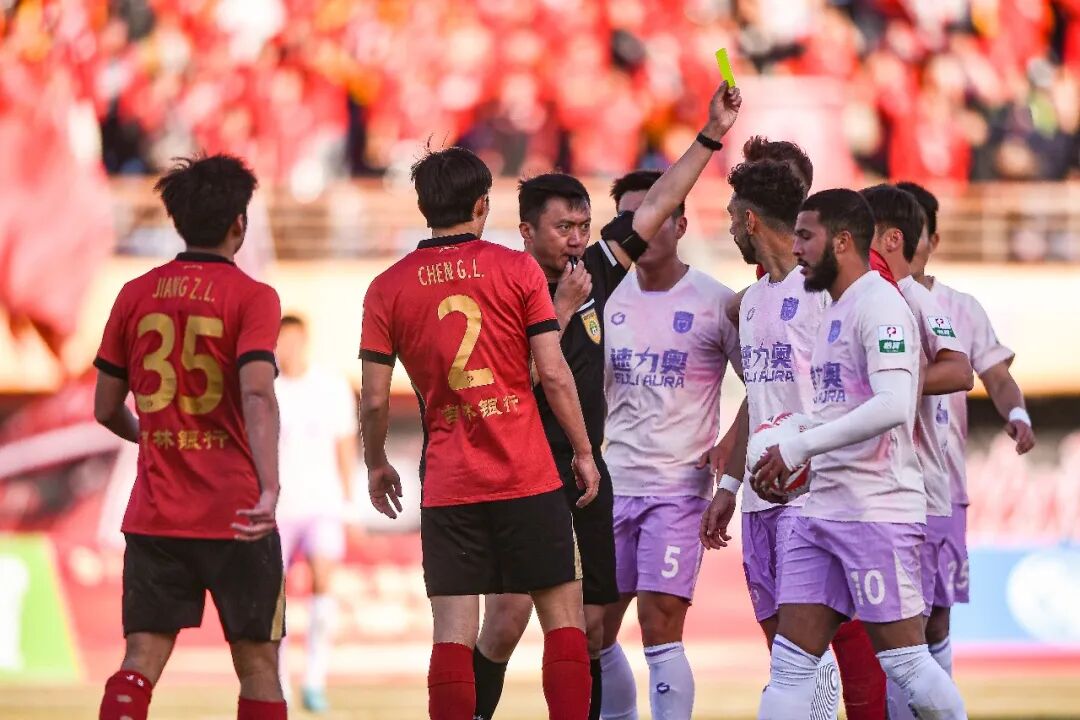
Multiple missed calls and misjudgments also exist in the China League Two: In the 3rd round, Wenzhou club experienced a missed penalty call, along with a missed red card for Taian Tiankuang's No. 29 player, and an incorrectly awarded penalty to Guangdong Mingtu. In the 4th round, Jiangxi Lushan faced a missed penalty call, along with a missed red card for Lanzhou Longyuan Athletic's No. 17 player.
Although the Chinese Super League also has incorrect and missed calls, they often relate to more subtle actions. However, many of the misjudgments in China League One could likely be avoided with VAR support. For instance, the two missed calls each for Shaanxi Union and Shijiazhuang Gongfu were quite obvious; with VAR assistance, the likelihood of such errors would be minimal.
Currently, there is a very strong call within China League One for the use of VAR. In 2025, Shijiazhuang Gongfu investor Zhai Zhihai, as a National People's Congress representative, submitted a proposal to the General Administration of Sport titled "Recommendation on Comprehensively Promoting the Use of Video Assistant Referee Technology in China's Secondary Professional Football Leagues," which received an official response. In 2026, reports indicate Zhai Zhihai submitted a similar proposal again.
After the Scottish Premiership also began using VAR, the demand for VAR in China League One and China League Two naturally became even stronger.

On June 26, 2025, the General Administration of Sport published an official response to Zhai Zhihai's proposal on its website. The response addressed challenges in VAR promotion: economic cost pressures (full promotion estimated at 12 million yuan for 600 matches, 20,000 yuan per match); weak stadium infrastructure; insufficient reserve of professional technical personnel. It also proposed measures such as encouraging secondary leagues to use domestic VAR systems, promoting digital technology R&D, improving standardized infrastructure construction, and strengthening professional training.
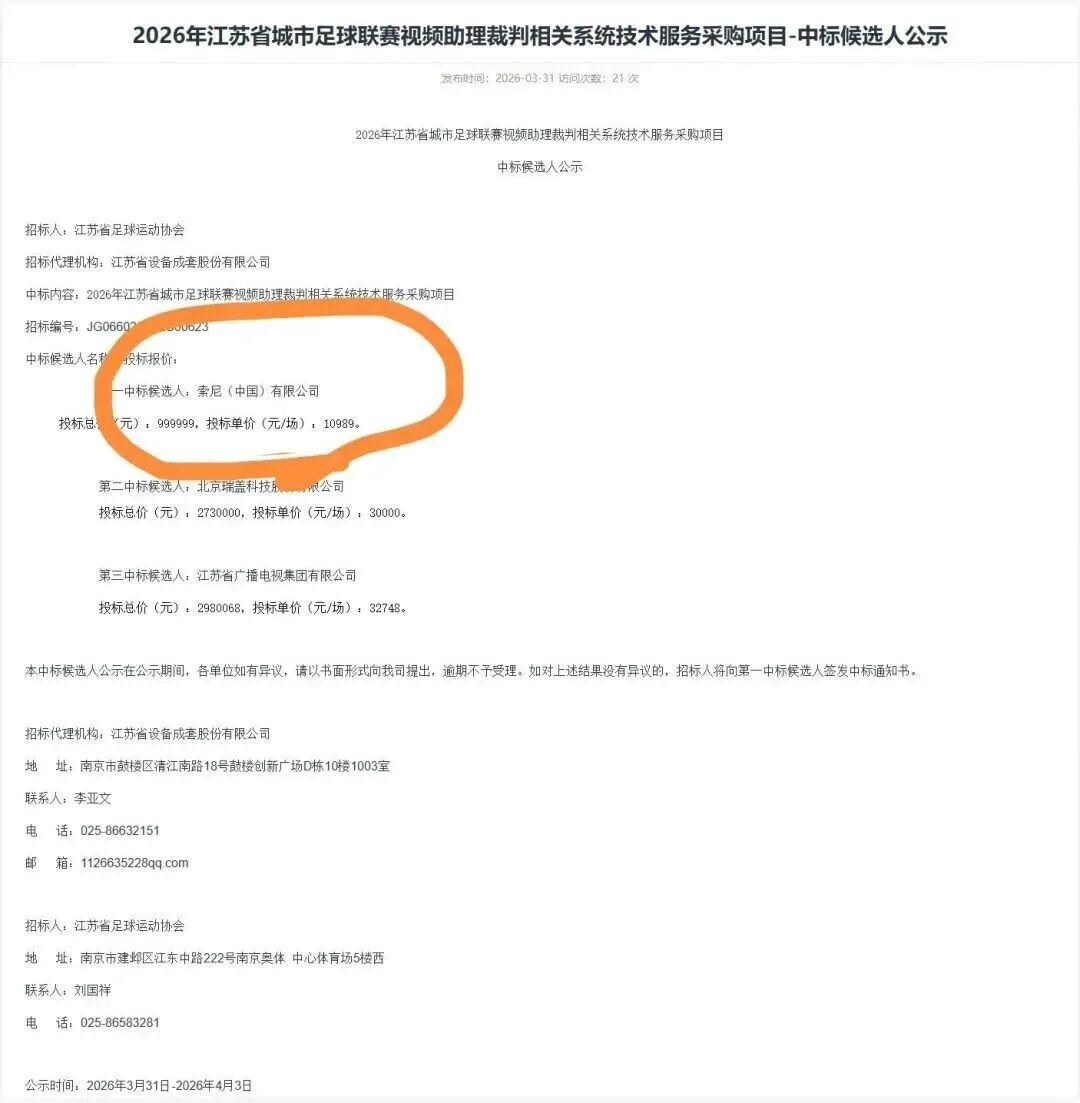
It should be said that the General Administration of Sport's response is very practical, especially considering the generally modest commercial development of China's professional leagues, with China League One and China League Two having almost no commercial development, making financial pressure quite evident. However, the use of VAR in the "Scottish Premiership" seems to have opened a door: Sony won the bid at a cost of 10,989 yuan per match. Such a low price is considered below cost, with its purpose more about leveraging the influence of the "Scottish Premiership" to maintain its industry position, but this also validates the potential of the VAR industry from another perspective.
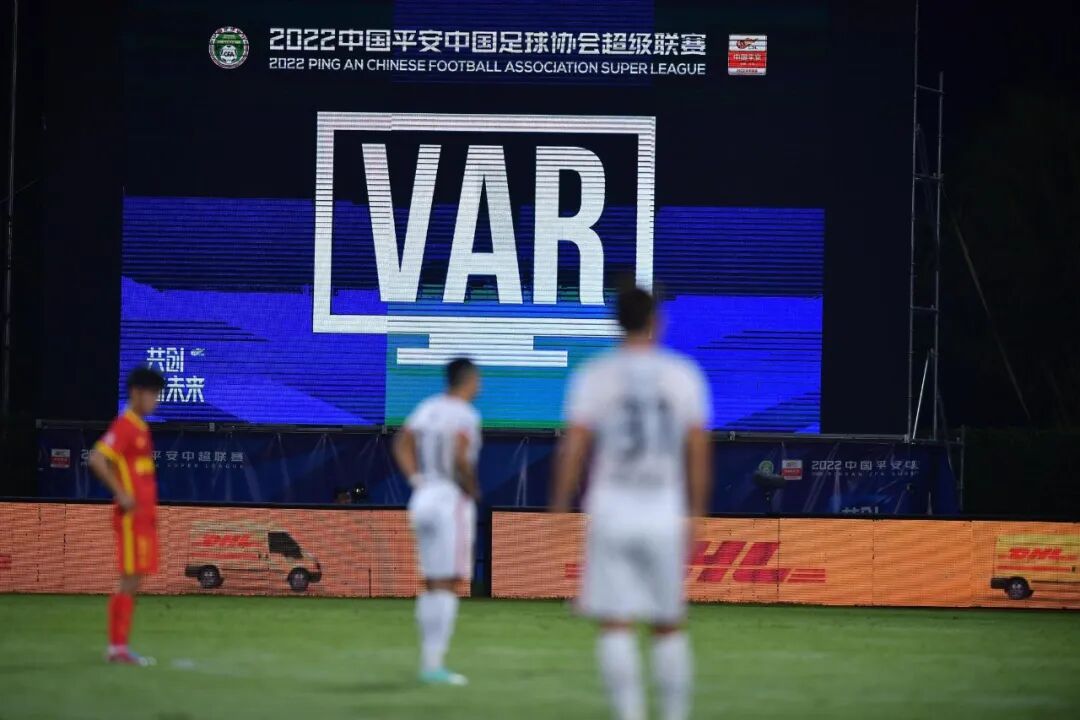
Domestic Chinese VAR systems are also developing rapidly. During the 2024 European Championship, Hisense was the official partner for VAR (Video Assistant Referee) displays. Moreover, the price of VAR systems inversely correlates with market scale: as the market expands, prices will inevitably decline, especially with the advantages of robust Chinese manufacturing, ensuring future VAR system prices will drop.
Currently, approximately 20 provinces and cities across China have launched city leagues. The Scottish Premiership's 91 matches represent a relatively small scale; the Guangdong Premiership has 123 matches annually, and the Qilu Super League has 134 matches. Estimating an average of 100 matches per league, provincial and city-level league matches alone reach about 2,000. Adding the Chinese Super League's 240 annual matches, China League One's 240, China League Two's 360, and the China Champions League's final stage of 72 matches, the total approaches 3,000 matches. In fact, leagues like the U20 League (mainly using a home-and-away format) and other key competitions also have similar demands.
Of course, transforming these potential markets into actual markets still requires a process, but the trend is clear. Currently, more practical difficulties lie in professional technical personnel, needing not only VAR referees but also VAR system operators and coordinators. Additionally, beyond VAR system costs, expenses for VAR referees are also significant. Actually, another market potential lies in simpler VAR systems with lower prices and fewer operational personnel.
For the Chinese Football Association League, gradually promoting VAR systems might be an effective approach. For instance, using VAR in more China League One matches in the latter half of this year, and comprehensively implementing VAR in China League One starting in 2027 while using VAR in some China League Two matches. This step-by-step method could alleviate pressures on funding and professional personnel and further nurture the VAR industry.


Wonderfulshortvideo
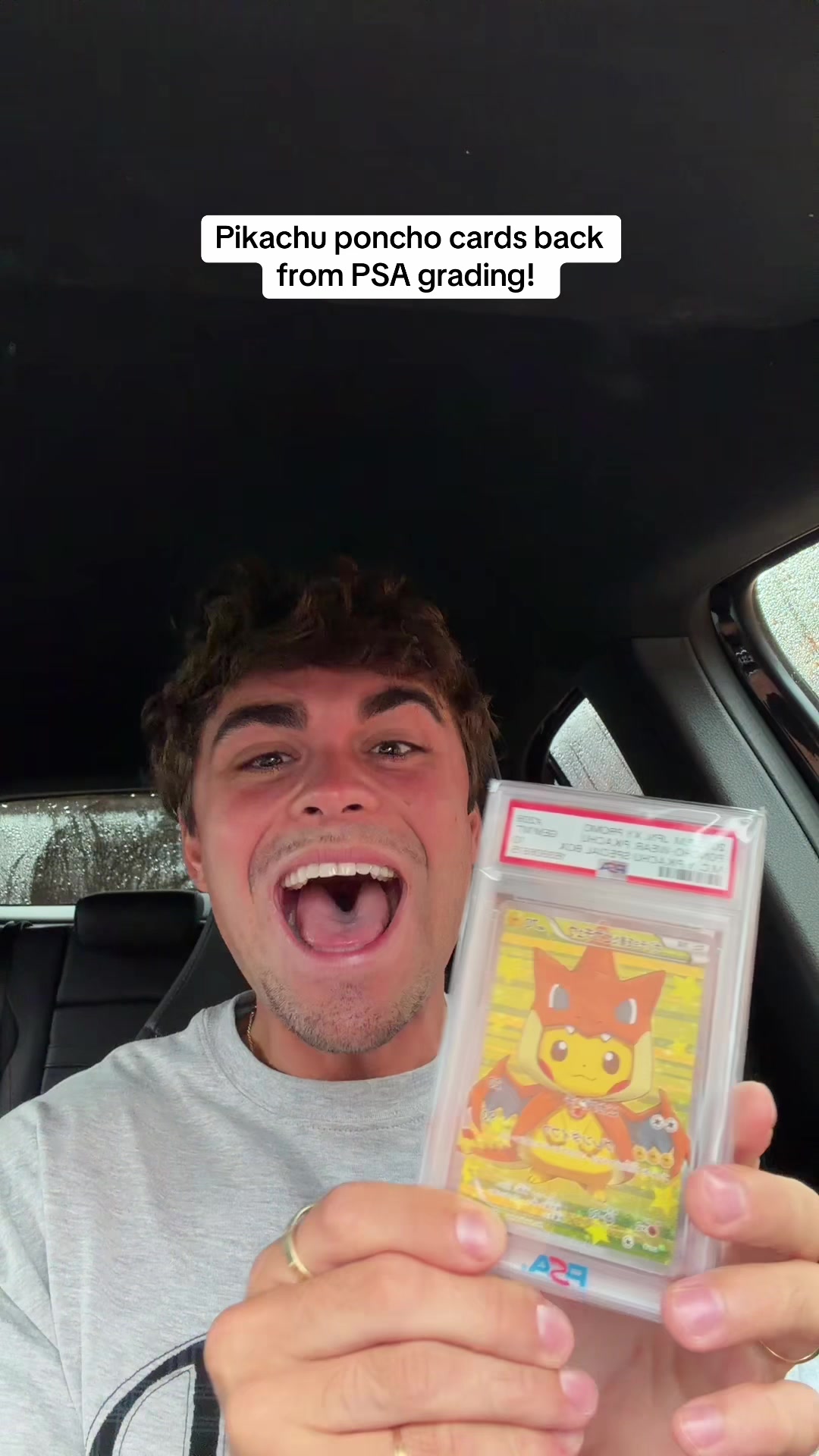
Follow for more pokemon content! So what do I do with them now?…



arda guler assist today guler vs rayo vallecano mbappe goal today jude bellingham goal today
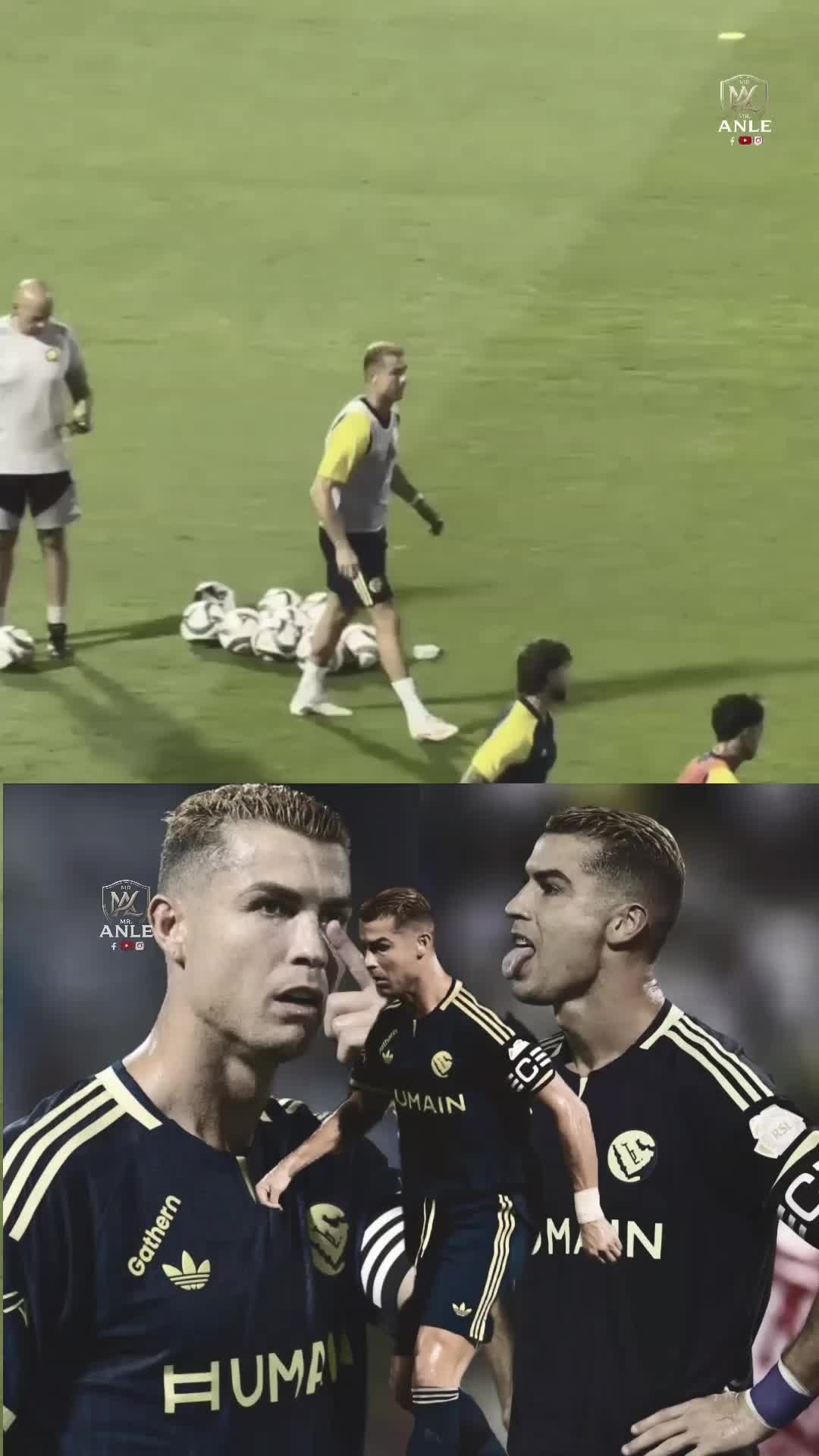
Cristiano Ronaldo and Al Nassr vs Al Khaleej

HIGHWAYMAN WINS THE BETFRED ST LEGER! 🏆
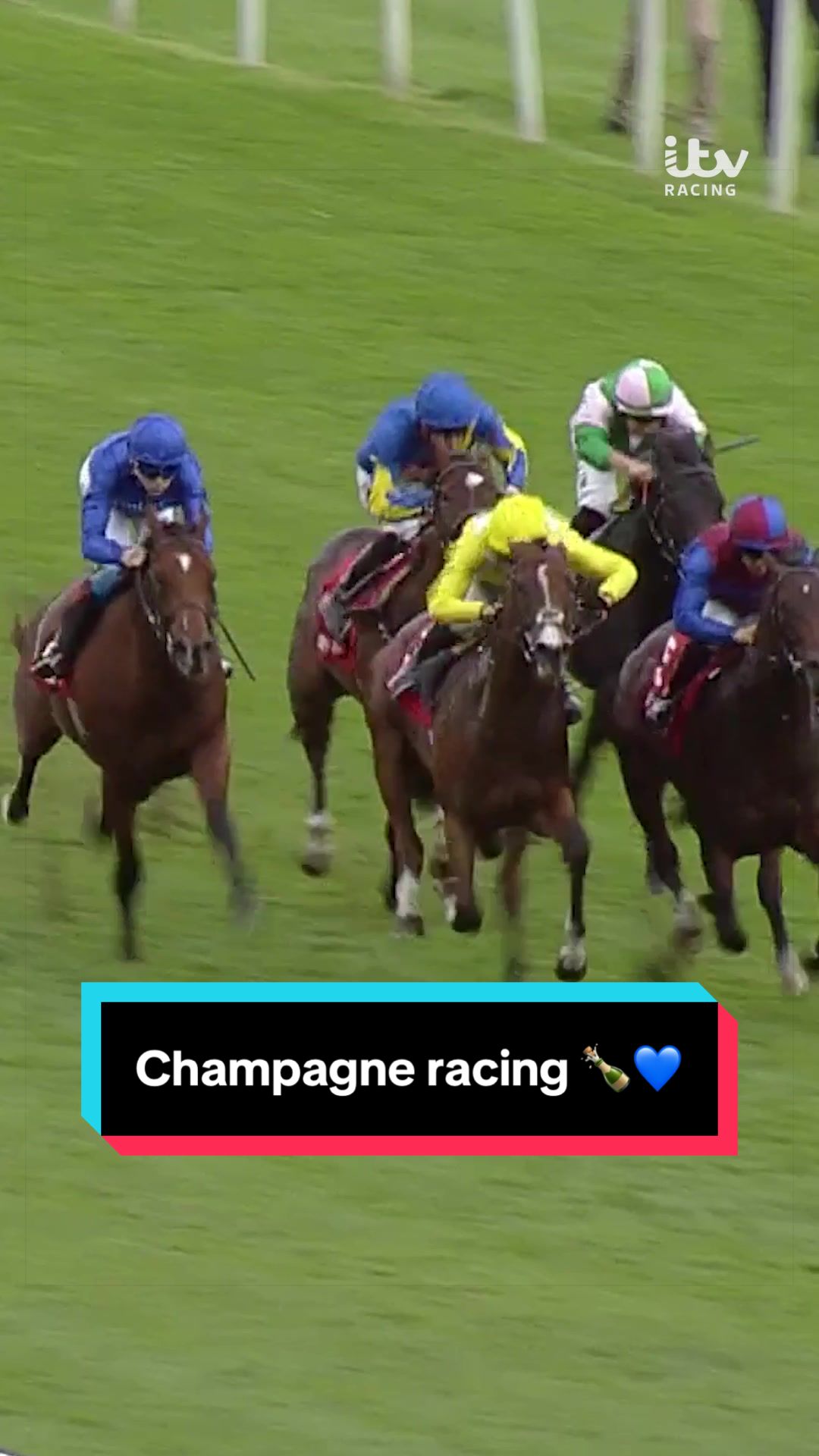
DESERT CASTLE DOMINATES! 🏆🍾

mbappe ballon d'or interview lequipe mbappe edit mbappe interview

Harry Maguire 99 pens. 🤯
 Links
Links
 Contact
 App
App


