



World Cup 2026: The Major Gamble of American Soccer




The tournament will take place from June 11 to July 19, 2026, across three host nations: the United States, Mexico, and Canada. Among these, the U.S. will host 11 out of 16 host cities—a major advantage in terms of infrastructure and fan support. However, once the ball starts rolling, the performance of the U.S. team itself will be the crucial factor determining the "legacy" of this World Cup in the "Land of Stars and Stripes."
According to the schedule, the U.S. team will play all three group stage matches on the West Coast: facing Paraguay (June 12 in Los Angeles), Australia (June 19 in Seattle), and Turkey (June 25 in Los Angeles). This means fans on the East Coast have very few opportunities to watch the home team live, unless the U.S. advances deep into the tournament.
Specifically, the New Jersey area—hosting the final at MetLife Stadium (now named New York New Jersey Stadium)—can only witness the U.S. team if they reach the knockout stage (expected on June 30) or further, such as the final on July 19.
In the group stage, the U.S. is in Group D and is considered the strongest team. However, with the new format of 48 teams—the first time applied in World Cup history—the eight best-performing third-place teams can still advance to the 32-team round. This opens opportunities but also creates pressure: if they must progress as a third-place team, it would be a result not commensurate with the expectations placed on the host nation.
With unprecedented scale and global attention, the 2026 World Cup is not just a sporting event but a comprehensive "test" for American soccer: from organization, commerce, to professional capability. And within that picture, the journey of the national team will be the decisive factor in whether the United States truly capitalizes on this "golden moment."


Wonderfulshortvideo
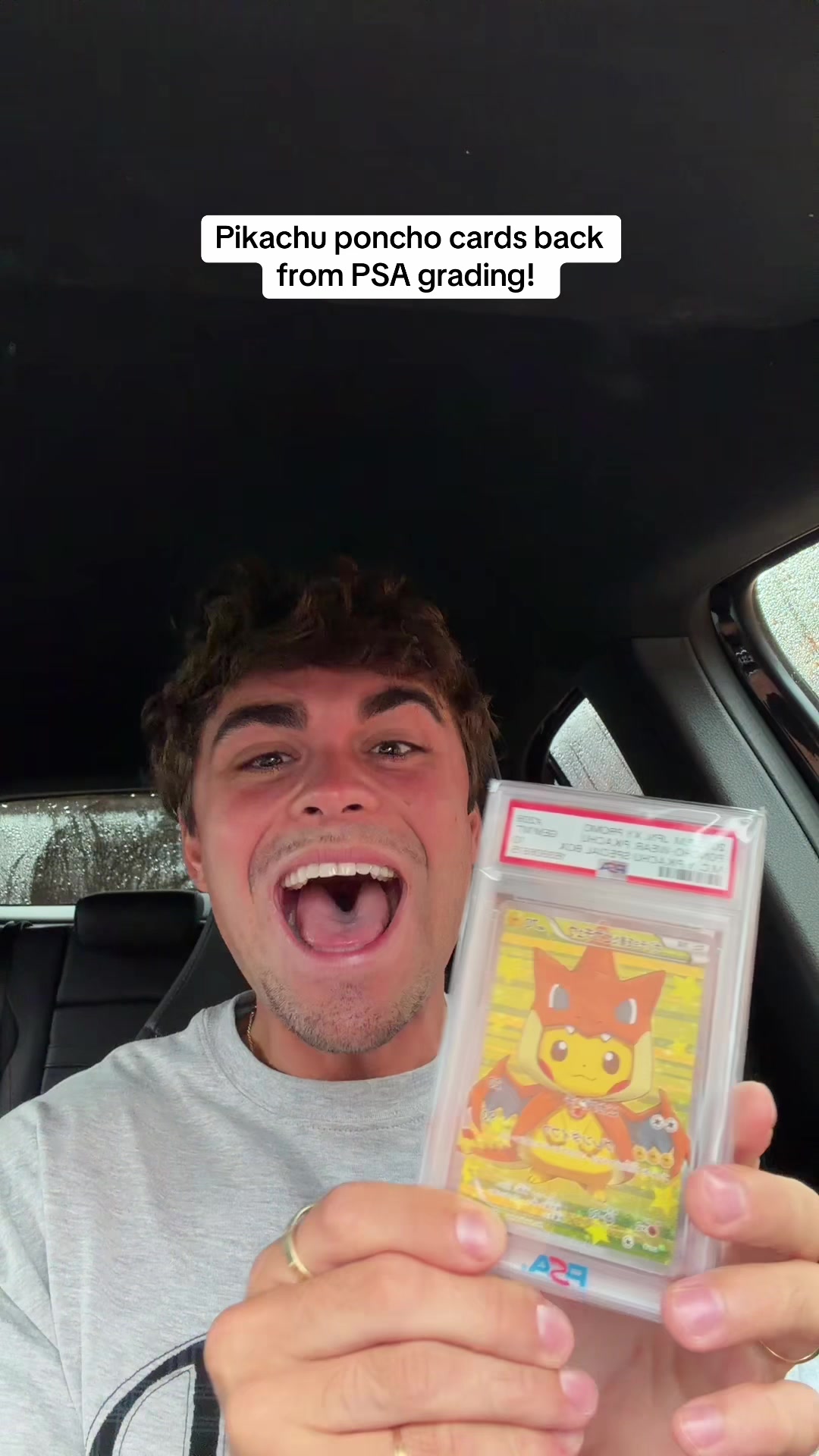
Follow for more pokemon content! So what do I do with them now?…



arda guler assist today guler vs rayo vallecano mbappe goal today jude bellingham goal today
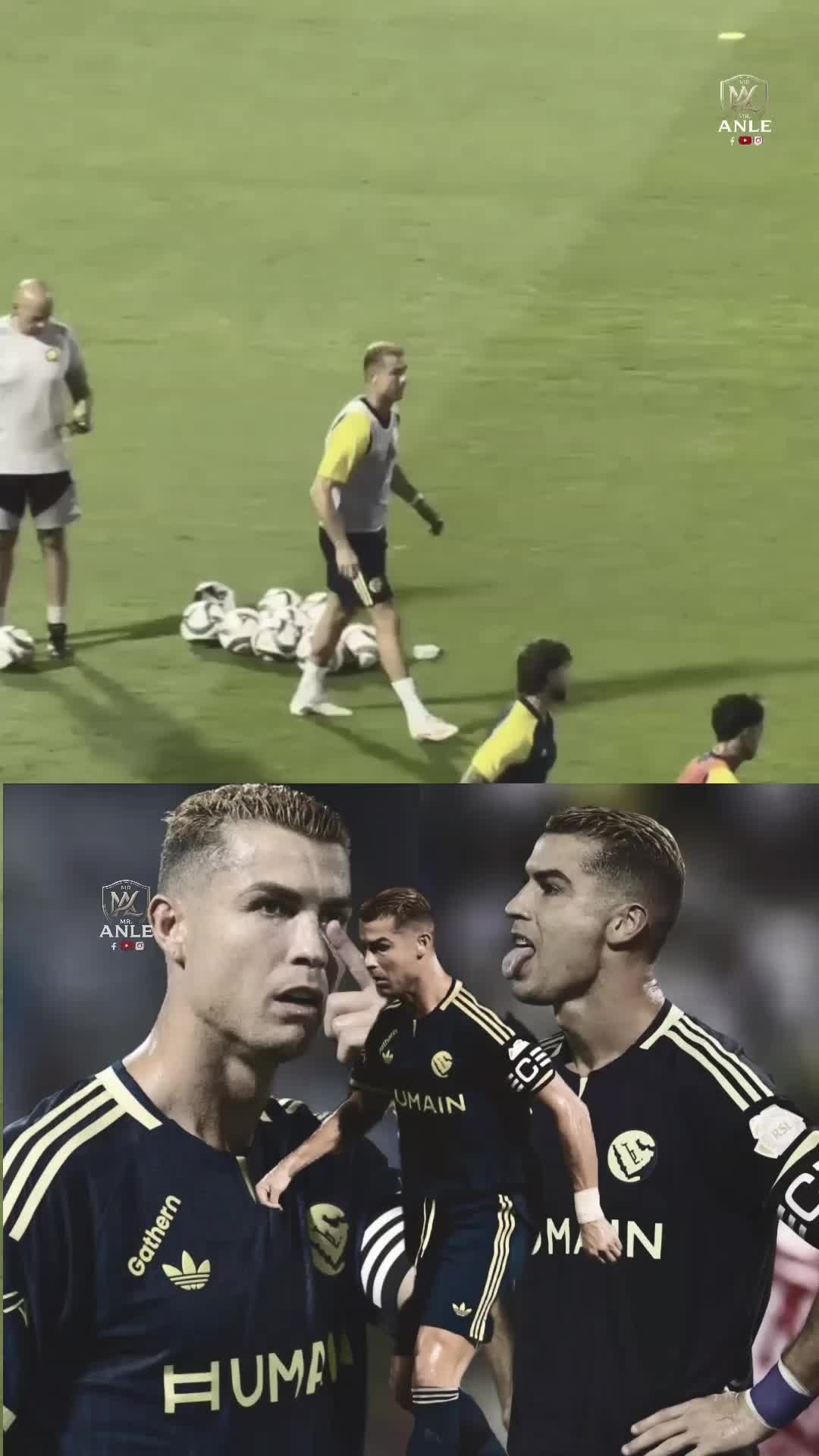
Cristiano Ronaldo and Al Nassr vs Al Khaleej
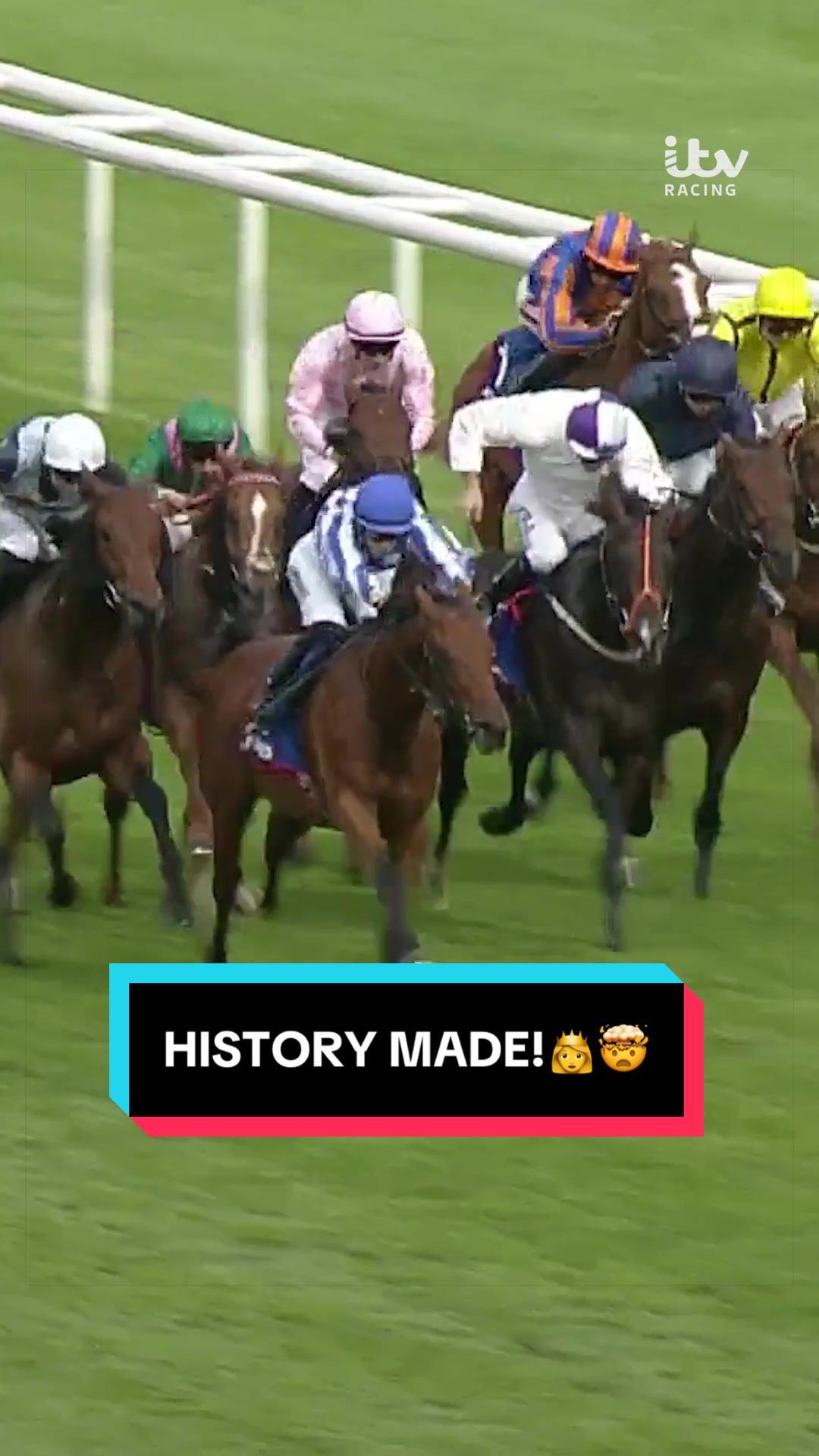
HIGHWAYMAN WINS THE BETFRED ST LEGER! 🏆
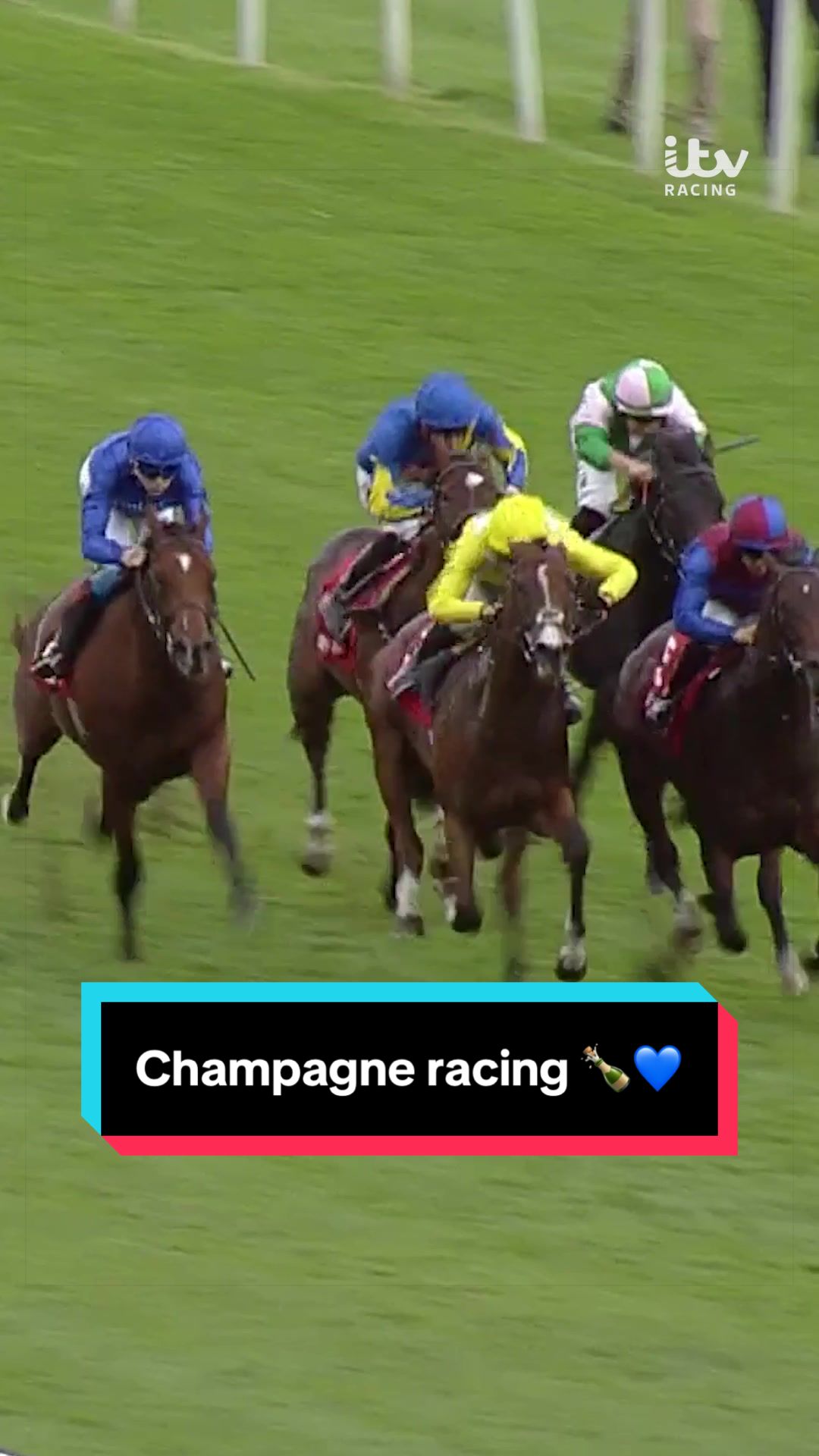
DESERT CASTLE DOMINATES! 🏆🍾

mbappe ballon d'or interview lequipe mbappe edit mbappe interview

Harry Maguire 99 pens. 🤯
 Links
Links
 Contact
 App
App


