



Germany 'warms up' to bid for hosting the 2038 World Cup



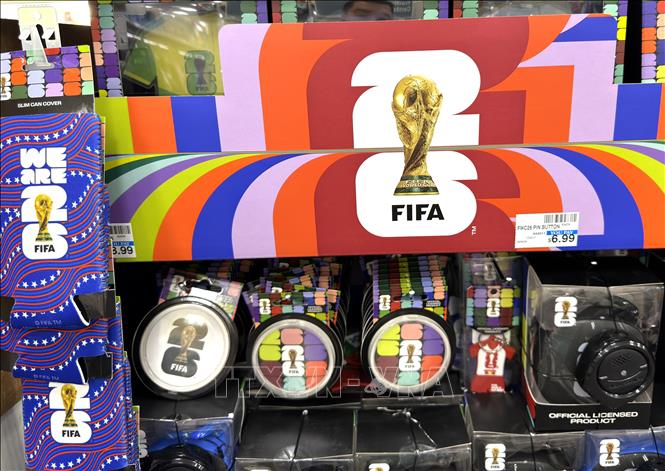
According to a TTXVN correspondent in Berlin, DFB President Bernd Neuendorf recently presented initial ideas for hosting the World Cup to the executive board of the German Professional Football League (DFL) organizing committee. Several issues related to the bid were discussed, notably FIFA's requirement for at least 14 stadiums with a minimum capacity of 40,000 seats.
The DFB currently plans to select cities including Berlin, Leipzig, Hamburg, Hanover, Bremen, Düsseldorf, Cologne, Gelsenkirchen, Dortmund, Frankfurt, Kaiserslautern, Mönchengladbach, Munich, and Stuttgart as host venues. This plan has received support from the DFL, especially its President Hans-Joachim Watzke.
In the eyes of the German Bundesliga, the World Cup hosting race is not only a sporting endeavor but also an opportunity to enhance the league's image and narrow the gap with the Premier League. Clubs also hope that hosting will provide momentum to upgrade and modernize stadium infrastructure across Germany.
After the 2026 World Cup, the DFB plans to further refine its strategy and intensify efforts to engage political figures in supporting the campaign. A key issue is the timing of FIFA's official launch of the bidding process for the 2038 World Cup and whether European nations will be allowed to submit bids by then.
In the two most recent World Cup hosting allocation cycles, FIFA applied a principle that each continent must "sit out" two consecutive editions before it can host again. Since the 2030 World Cup will primarily take place in Spain and Portugal, along with Morocco and commemorative matches in Uruguay, Argentina, and Paraguay, the DFB believes that Europe is likely only able to return to the race in 2042.
For now, German football remains focused on the 2026 World Cup. Coach Julian Nagelsmann has the team training behind closed doors to prepare for their final friendly match on June 6 before embarking on their journey at the world's biggest football festival.


Wonderfulshortvideo
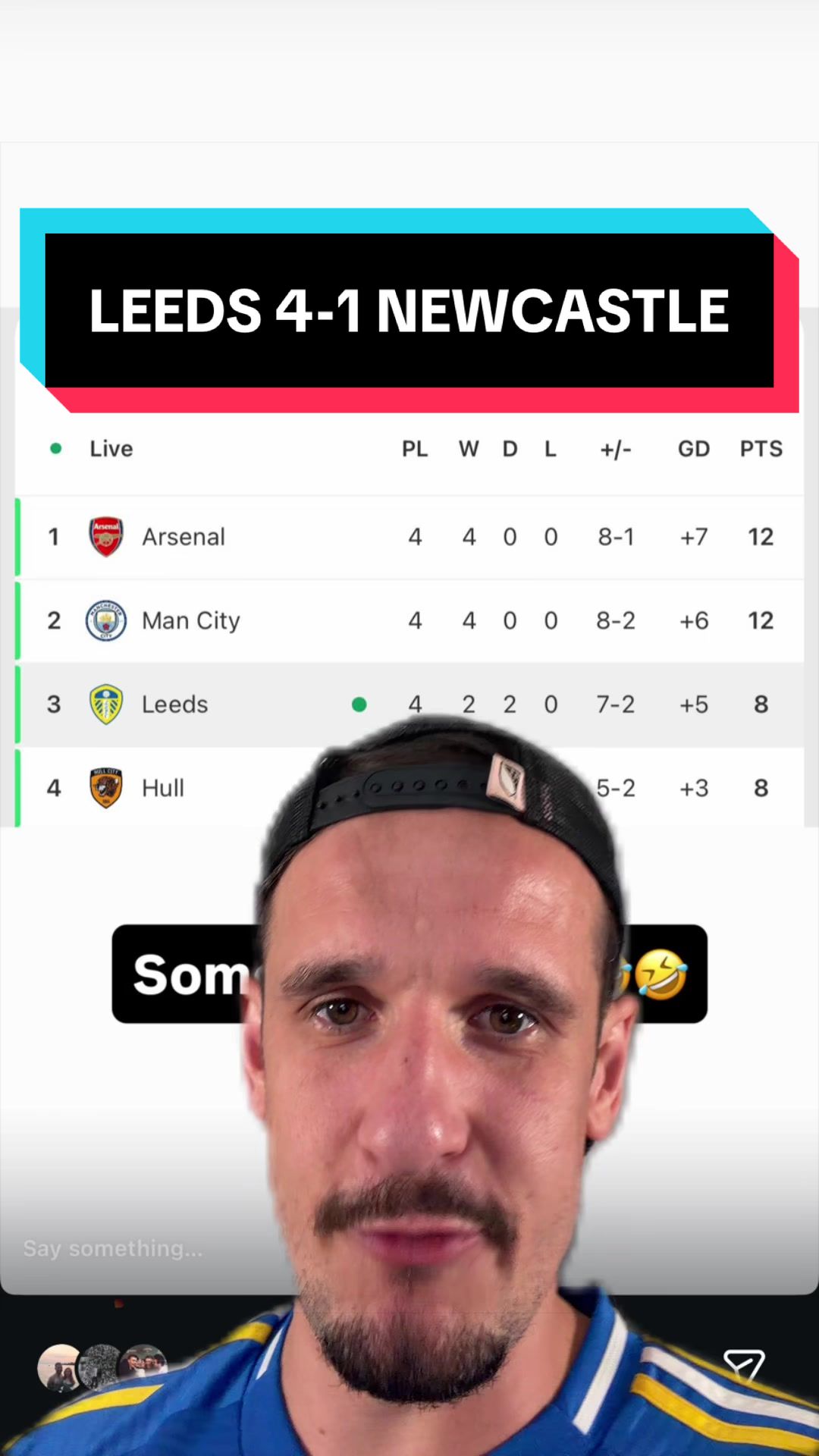
Leeds United demolish Newcastle at elland road


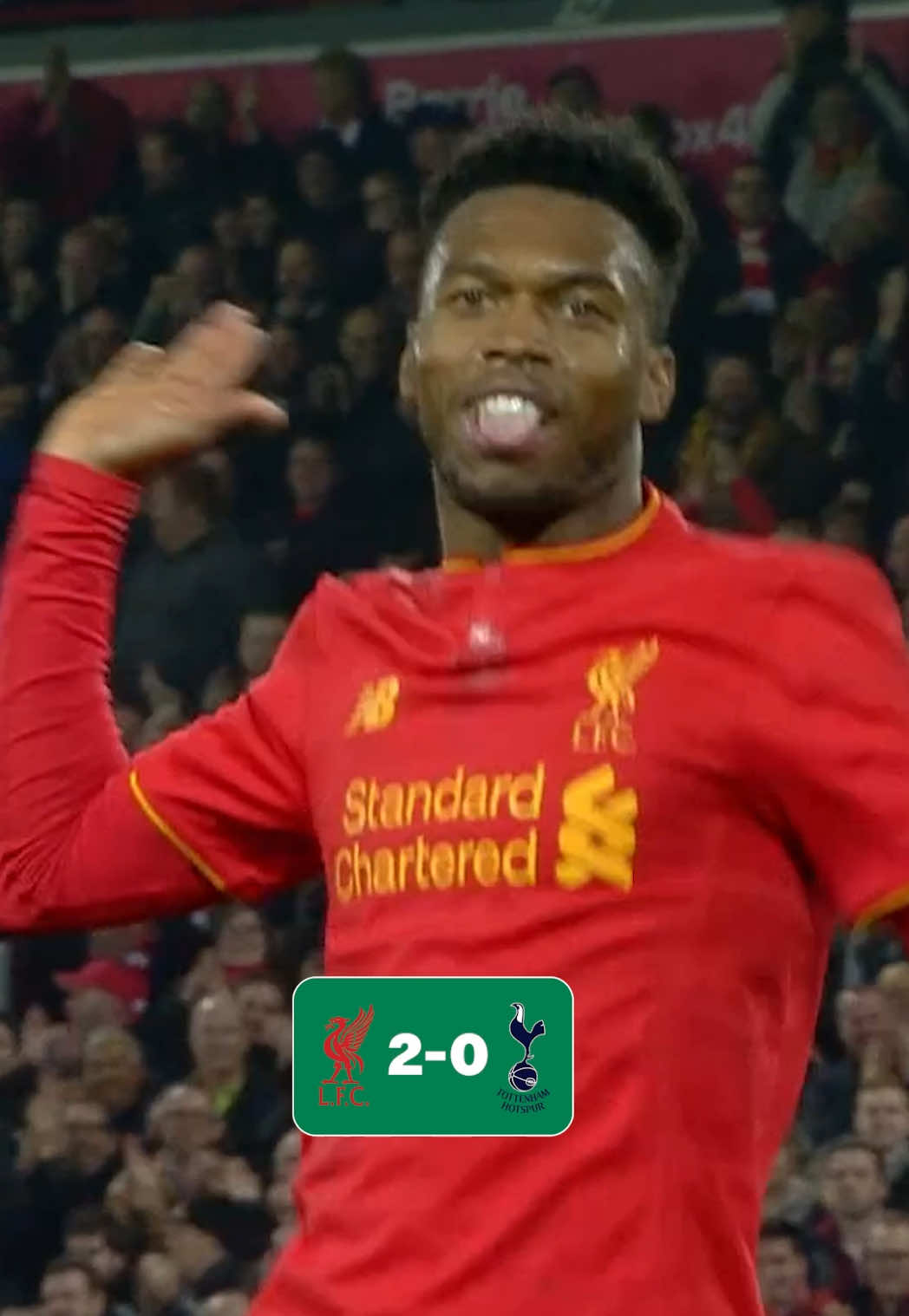
Throwback to this League Cup game between Liverpool and Spurs ⚽️⚽️
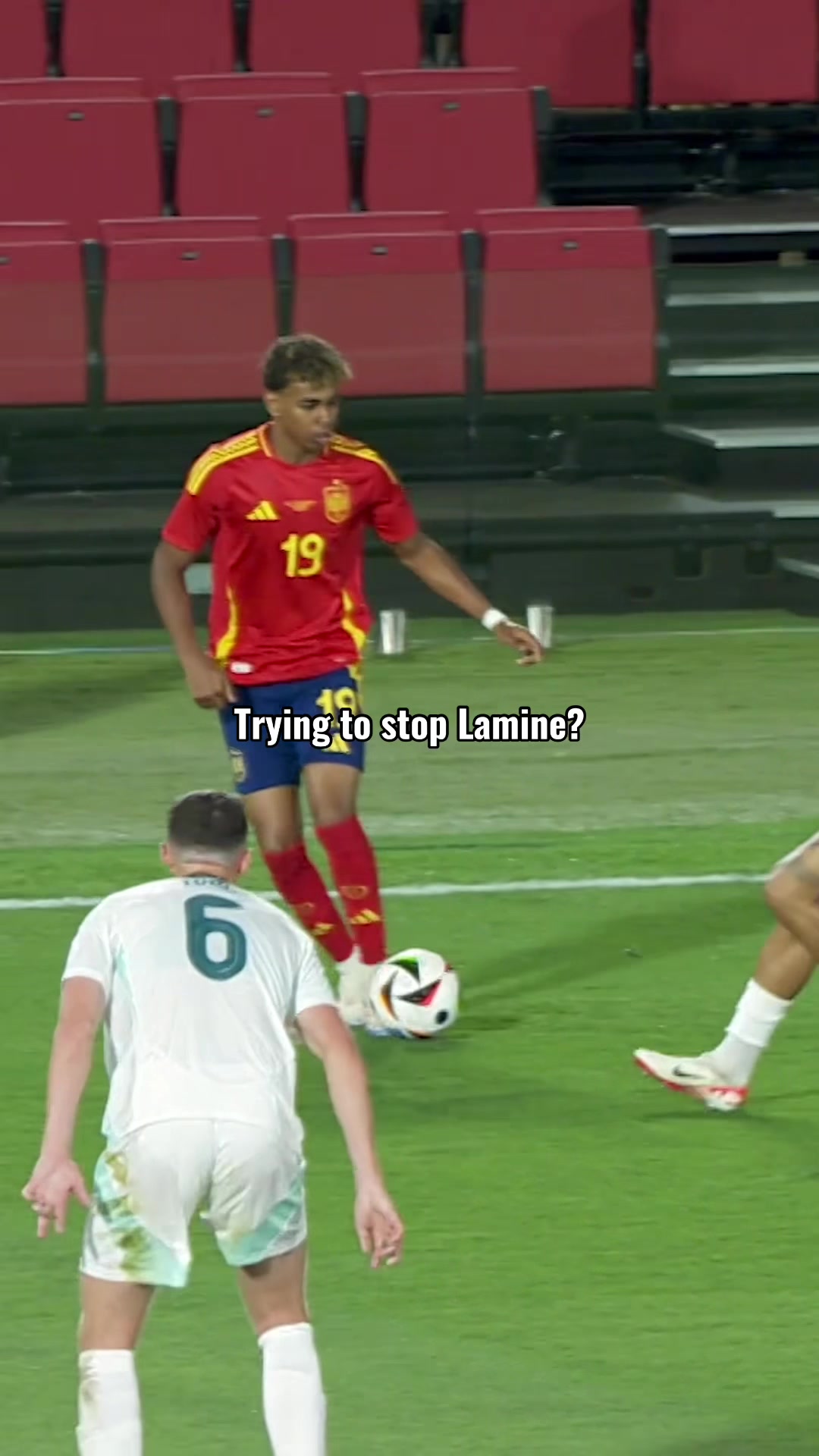
Lamine genius 🪄

raphinha assist today lamine yamal goal today brace today vs levante
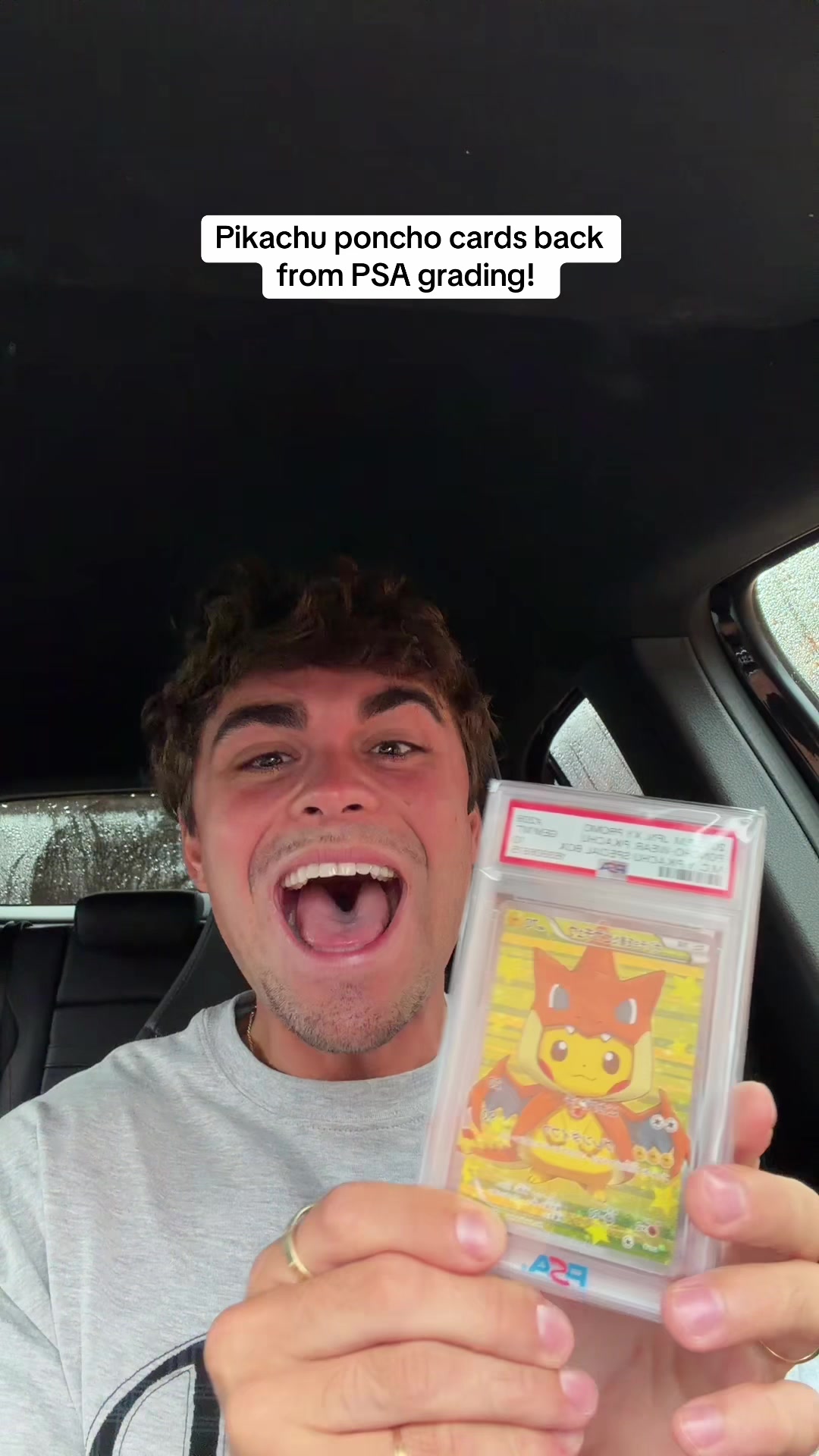
Follow for more pokemon content! So what do I do with them now?…

arda guler assist today guler vs rayo vallecano mbappe goal today jude bellingham goal today

Cristiano Ronaldo and Al Nassr vs Al Khaleej
 Links
Links
 Contact
 App
App


