



World Cup 2026: Surprisingly Short but Still Unique and Colorful Opening Ceremony



This duration is significantly lower than the typical 25 to 30 minutes seen in recent World Cups. Despite its brevity, FIFA delivered a vibrant show combining contemporary music with distinctive cultural elements of host nation Mexico.
A series of famous artists from Latin America and around the world appeared on stage one after another. However, due to time constraints, each performer could only present one song before making way for the next act.

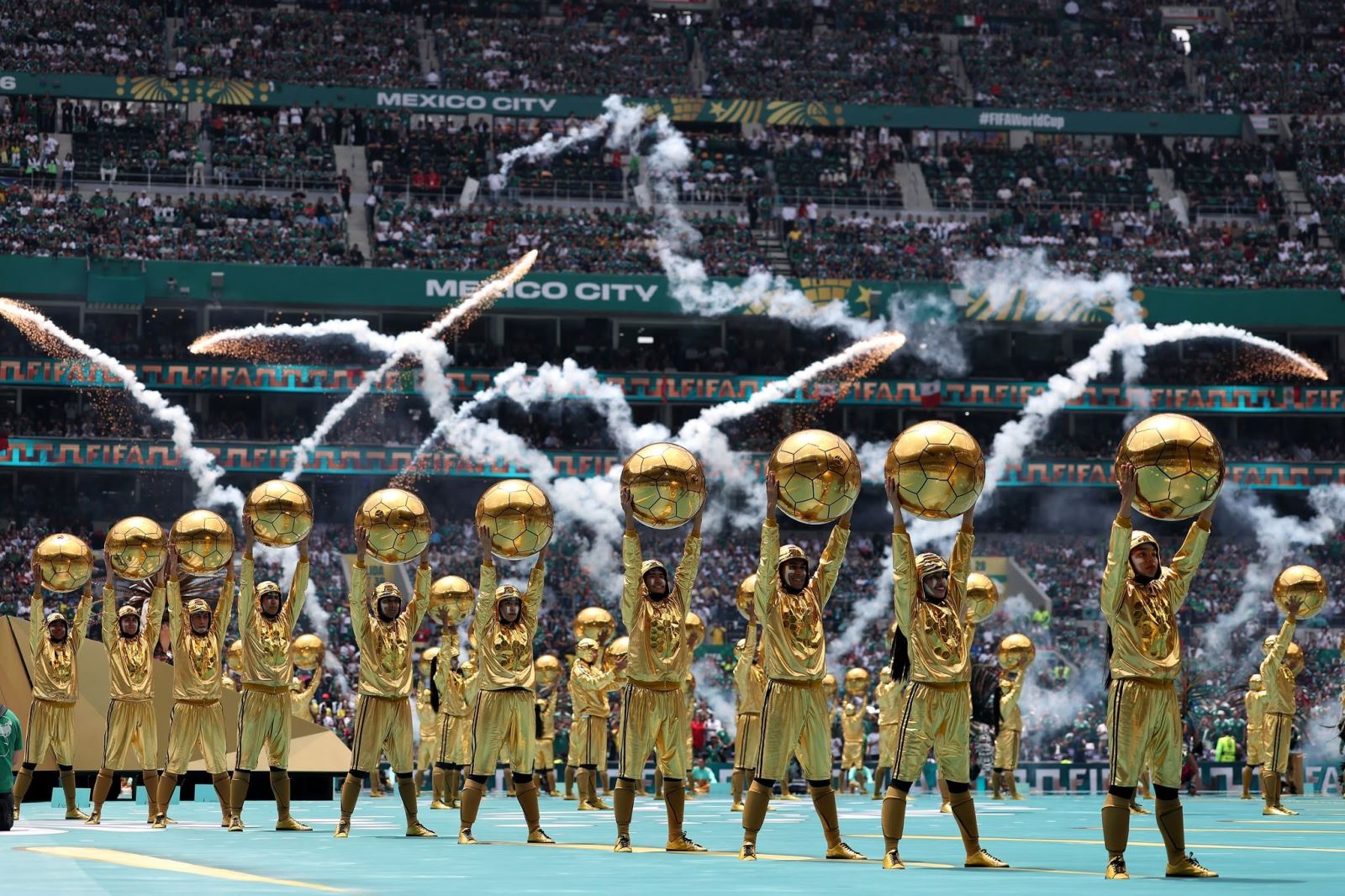
According to BBC's assessment, the opening ceremony left many positive impressions despite its modest length. The British newspaper described it as an energetic, emotional program that successfully stirred the atmosphere before the opening match.
The show kicked off with a performance by the famous Mexican rock band Mana. With the enthusiastic support of over 80,000 spectators in the Azteca stands, familiar tunes quickly turned the stadium into a massive concert. Afterward, artists Danny Ocean, J Balvin, and other guests continued to bring a lively atmosphere with Latin-flavored acts.
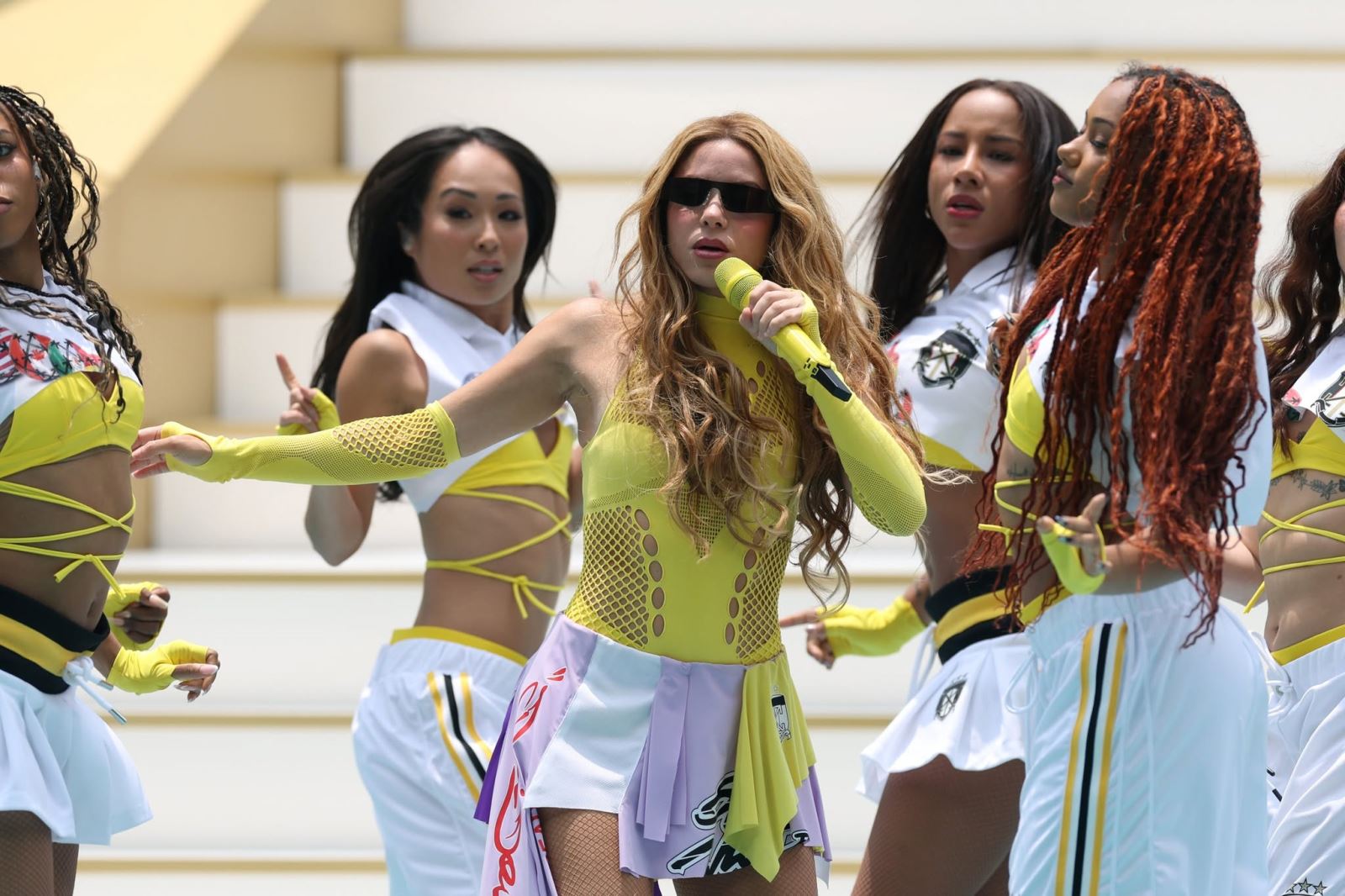
The highlight of the ceremony was Shakira. The Colombian singer appeared in a striking yellow outfit, symbolizing her homeland, to perform the song "Dai Dai," the anthem linked to the 2026 World Cup. She was joined by Burna Boy, the Afrobeats star from Nigeria.
Shakira's appearance received a warm welcome from fans. After unforgettable moments with "Hips Don't Lie" at the 2006 World Cup and especially "Waka Waka" at the 2010 World Cup, she continues to affirm her status as one of the music icons most closely associated with the tournament. Thousands of spectators stood up and cheered as she stepped onto the stage.
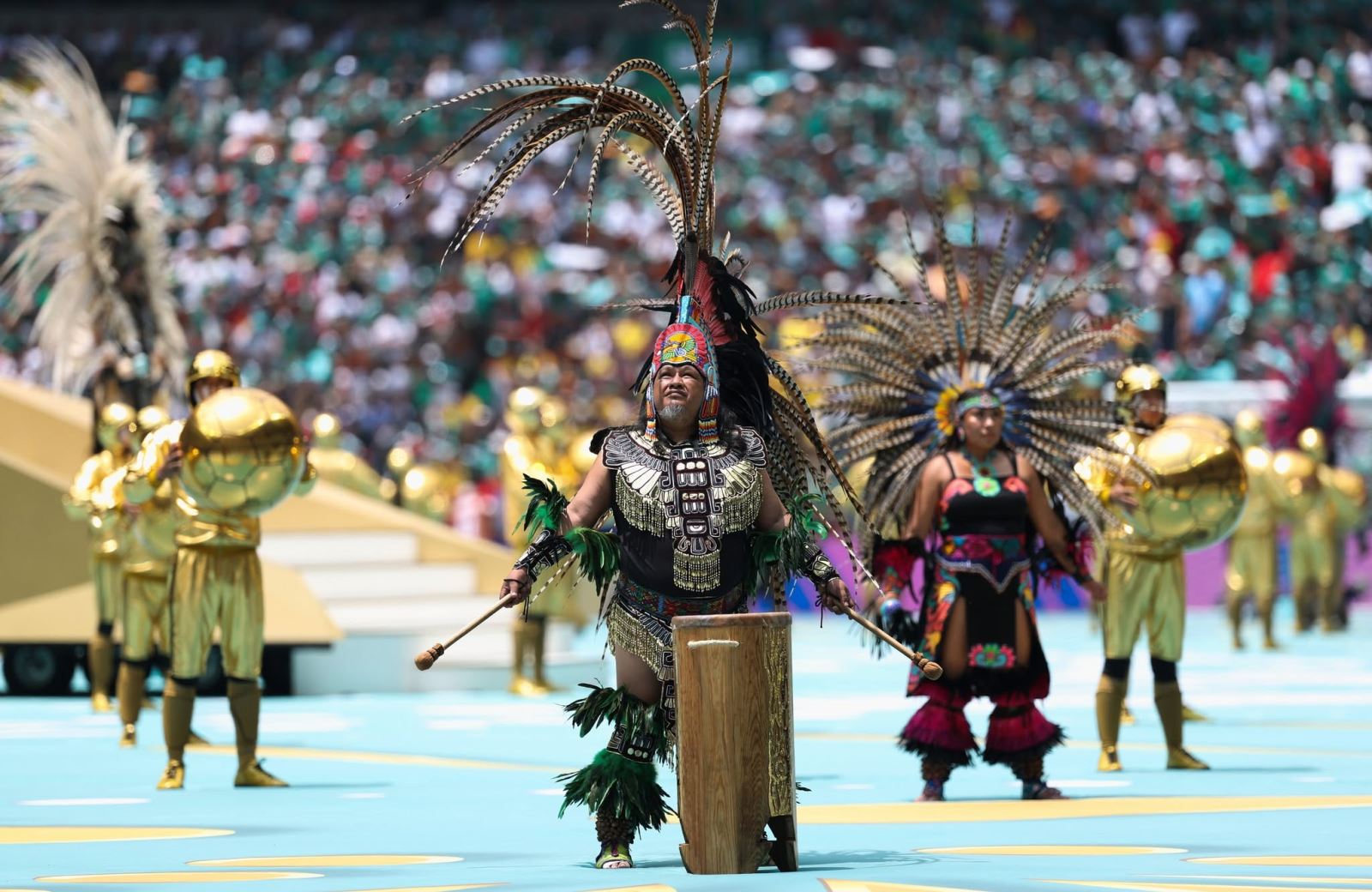
Beyond music, the opening ceremony also served as an opportunity for Mexico to promote its unique culture through art performances and costumes inspired by indigenous heritage.
Artists appeared in striking metallic outfits paired with elaborate accessories rich in ethnic identity. However, what surprised many viewers was the limited presence of mariachi musicians—a traditional music style widely regarded as a famous cultural symbol of Mexico.
Although much shorter than previous World Cup ceremonies, the opening at Azteca still created a passionate atmosphere, marking an impressive start to the 2026 World Cup competition journey.


Wonderfulshortvideo

vinicius junior else vini jr today



🗣️ “I’ve won games playing much worse than today”

ballon d'or lamine yamal mbappe interview press conference ballon d'or winner france football edit

Leeds United demolish Newcastle at elland road

Throwback to this League Cup game between Liverpool and Spurs ⚽️⚽️
Lamine genius 🪄

raphinha assist today lamine yamal goal today brace today vs levante
 Links
Links
 Contact
 App
App


