



A historic "three red cards" opening, the USA-Canada-Mexico World Cup kicks off with "controversy" at its core.



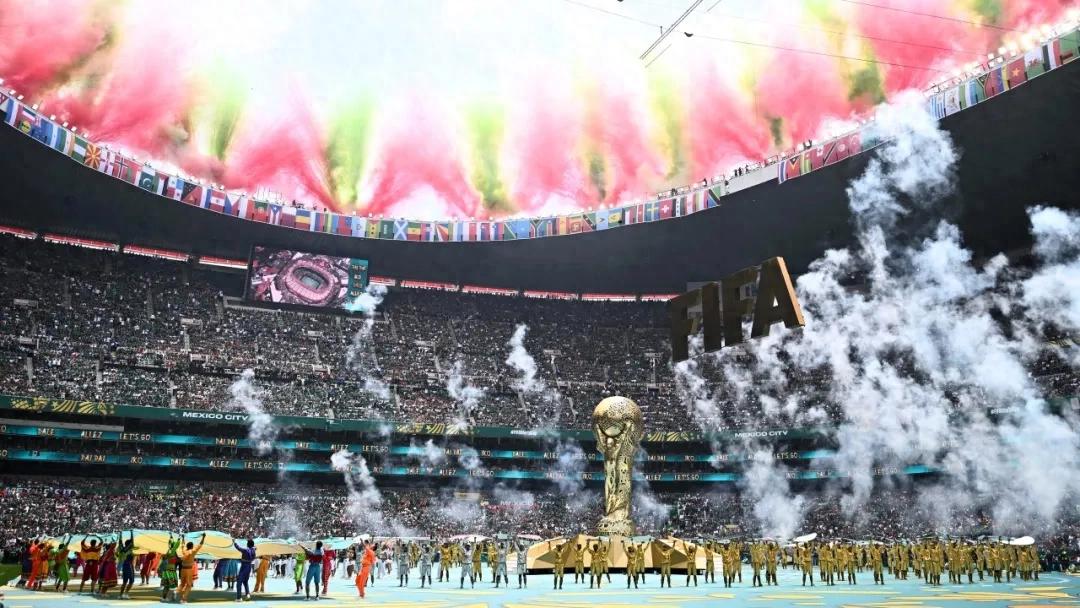
Written by Han Bing Mexicans waited 40 years to experience the World Cup on home soil once more. The 83,000 seats of the Azteca Stadium were filled 90 minutes before kickoff, and as the first nation to host the World Cup for a third time, Mexico again demonstrated its extraordinary passion for the event to the world.
The subsequent opening match seemed to continue the controversial theme of the USA-Canada-Mexico World Cup. Quiñones, the Saudi Pro League top scorer who scored the fastest goal in the last five World Cups, and the 35-year-old veteran Raúl Jiménez, who netted his first World Cup goal, became national heroes for Mexico. Yet, what left a deeper impression was the record three red cards in the opening match...

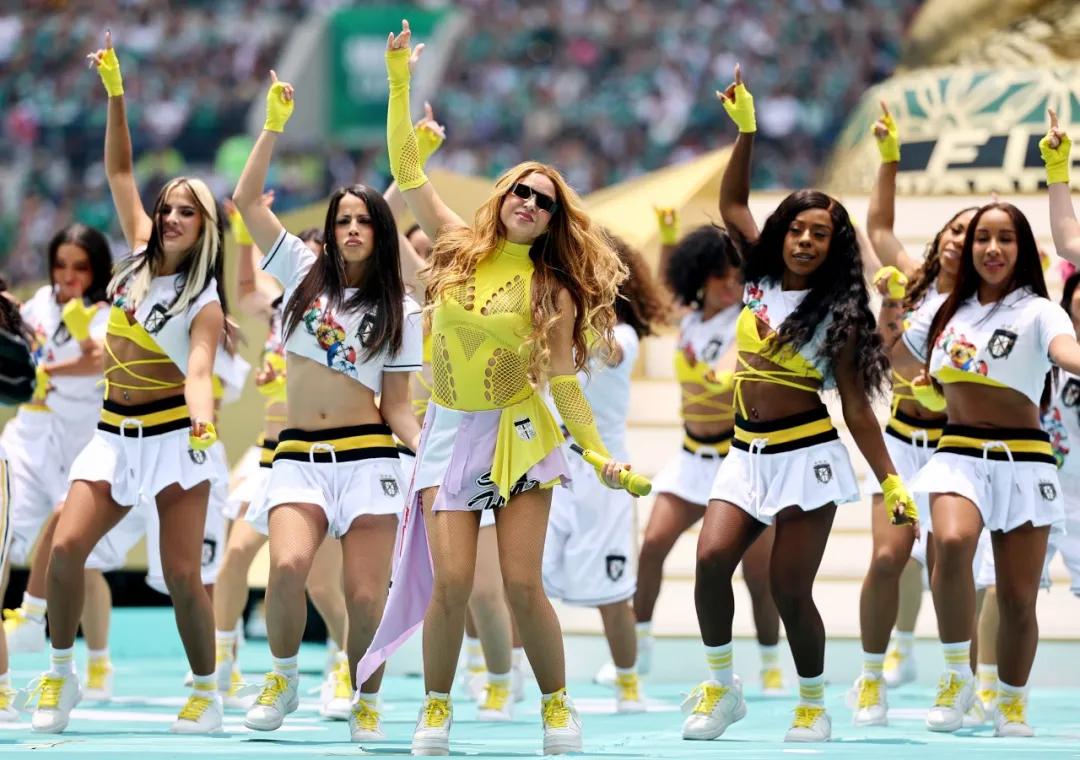
Dazzling fireworks, a "medley show" featuring international superstars, and Latin pop queen Shakira performing the official World Cup song she wrote herself—this World Cup opening ceremony, resembling a "Super Bowl" halftime show, greatly pleased FIFA President Gianni Infantino, who hoped to revitalize the World Cup brand. However, the lengthy time taken for the 48 flag bearers to enter once again highlighted the immense endurance required to endure this long World Cup marathon.
The dance performances, rich in Mexican Mayan culture and local Latin elements, represented nationalism and diversity. Latin diva Shakira returned to the World Cup opening ceremony stage after 16 years, performing the World Cup theme song "Dai Dai" alongside Nigerian singer Bruna Boy. The theme song, co-written by them, blends African beats, Latin rhythms, dance-pop, world music, and reggae elements, incorporating English, Spanish, Italian, French, and Japanese.
At the end of the opening ceremony, the flags of the 48 participating teams formed a circle around a globe. Italian tenor Andrea Bocelli and Korean-American female singer EJAE sang the official World Cup theme song "DNA," symbolizing the globalization of the tournament.
FIFA President Gianni Infantino praised it highly: "We witnessed a spectacular opening ceremony—vibrant colors, surging passion, abundant energy, and unique Mexican flavor! It vividly showcased tradition, creativity, and the universal language of football, perfectly capturing the spirit of host Mexico and the charm of this global sport." However, the somewhat chaotic performance arrangement, disappointing sound quality, and the theme songs' limited appeal left some feeling underwhelmed.
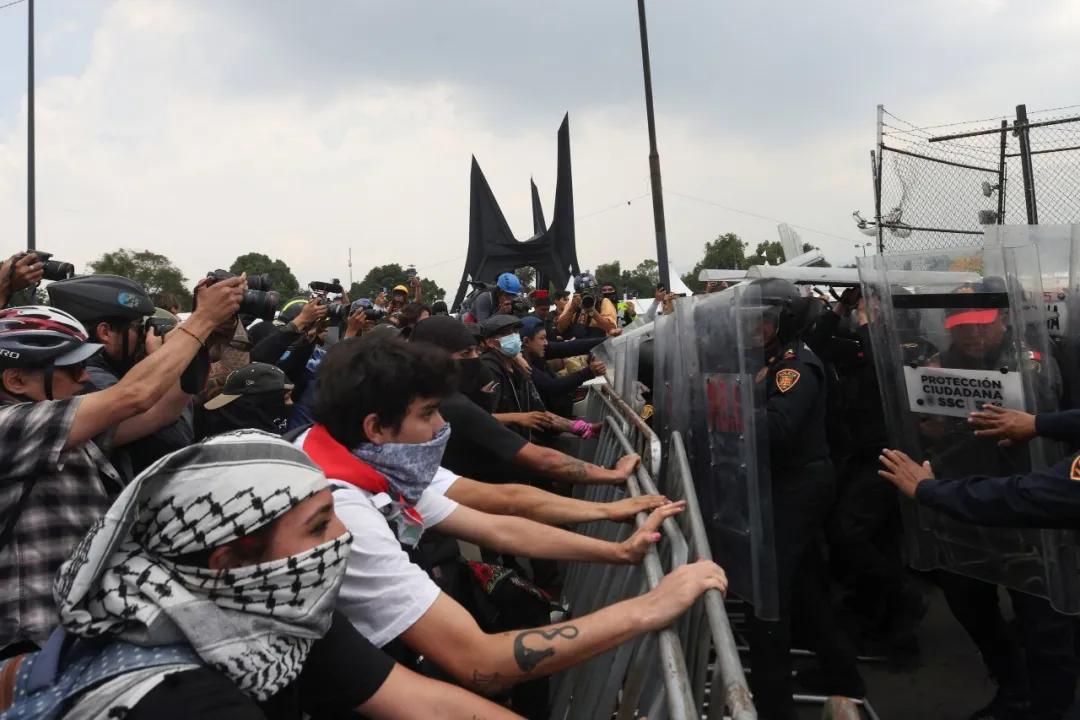
Of course, while the stadium was filled with celebration, outside it remained mired in controversy. Thousands of protesters clashed with police, and demonstrations by teachers' unions and families of missing persons created severe traffic difficulties in Mexico City on opening day. The confusion that marked the pre-tournament theme continued into the event itself.

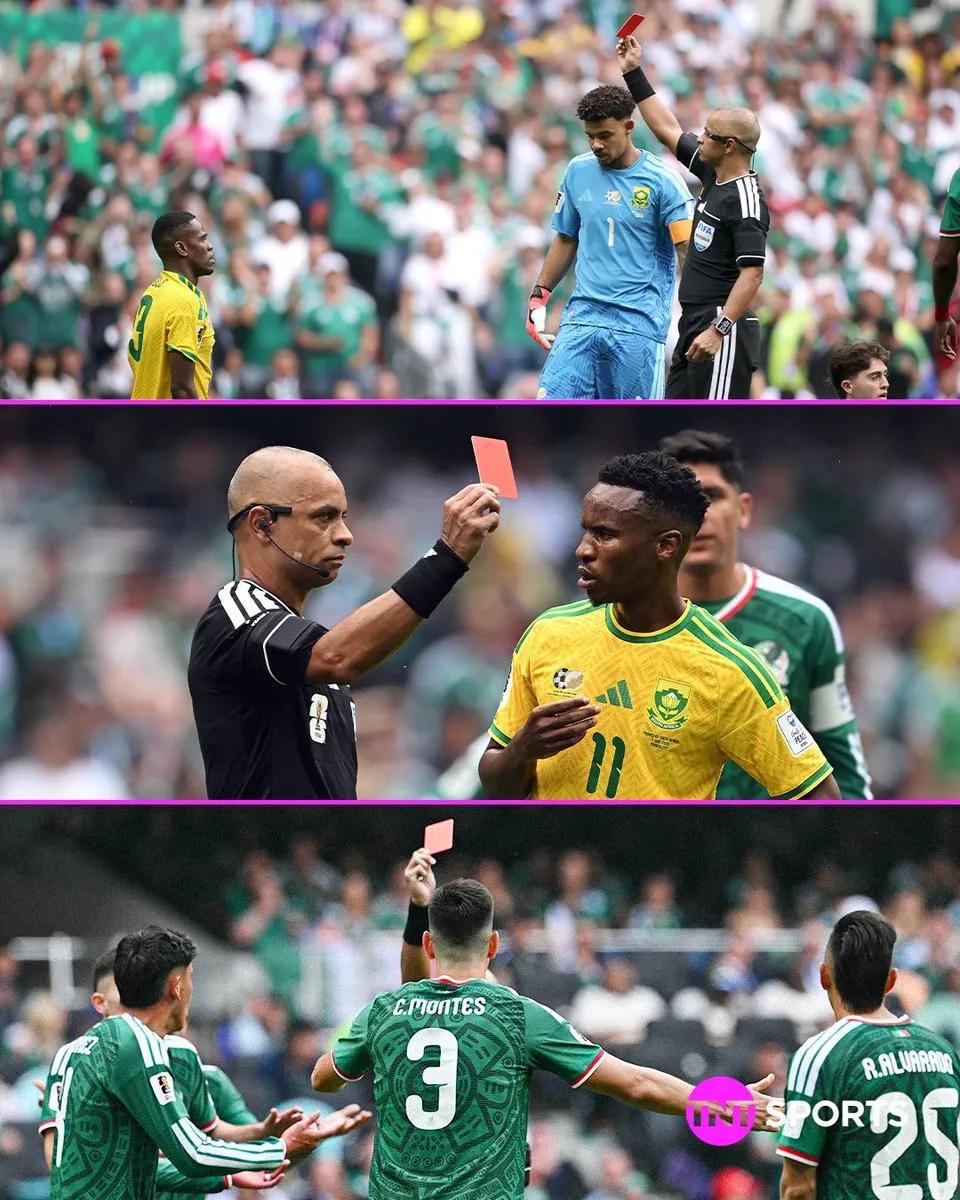
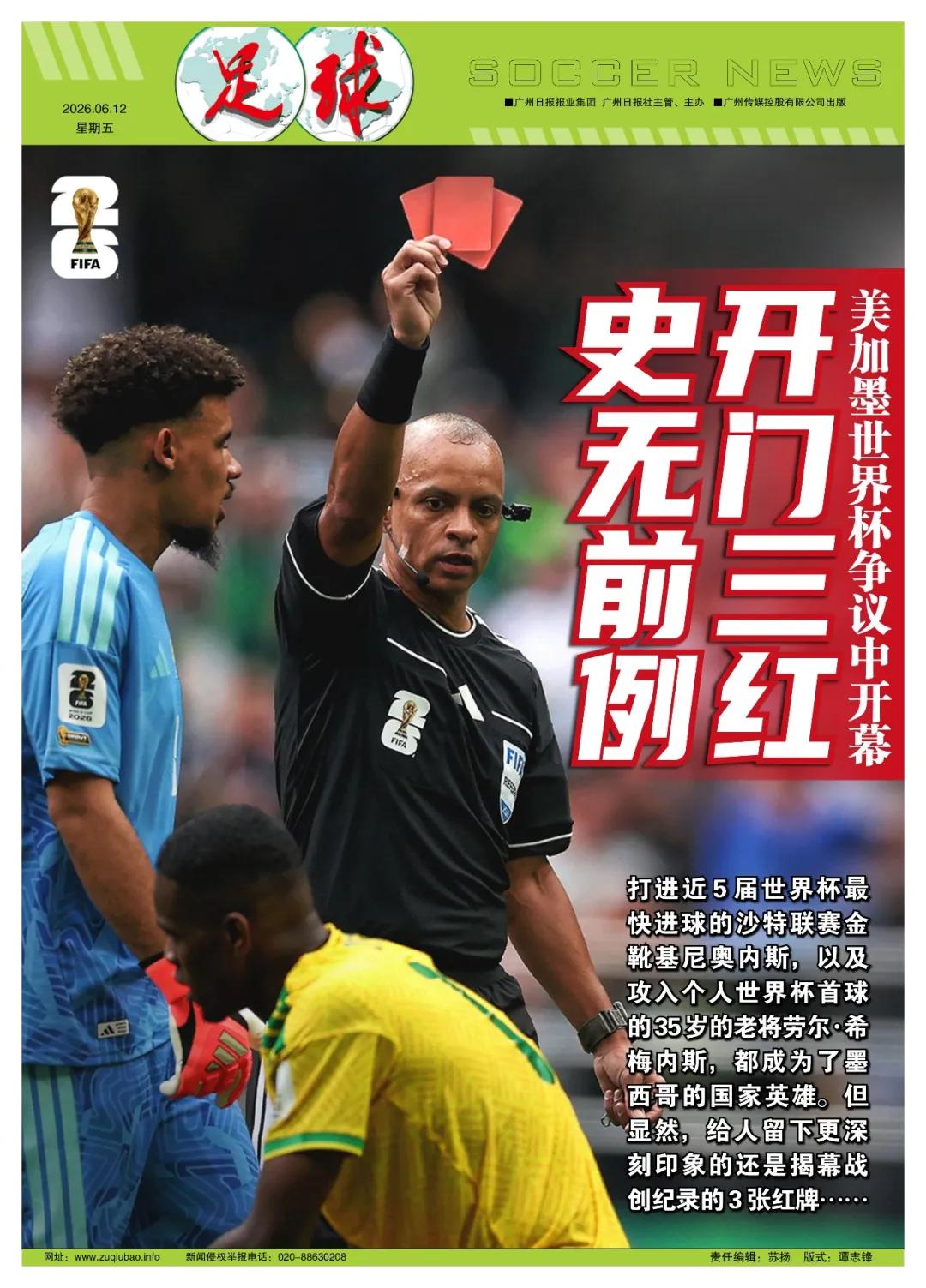
Since the first World Cup in 1930, Mexico has participated in eight opening matches, the most of any nation. Like most past opening games, the match between Mexico and South Africa was lackluster. Although Mexico secured its first-ever opening match victory, Brazilian referee Sampaio drew more attention. He issued three red cards, sending off South African midfielders Ssole and Zwane and Mexican defender Montes in the second half, setting a record for the most red cards in a single World Cup match in 96 years. The last time a World Cup game saw three red cards was in 2006 (Portugal vs. Netherlands, with a total of four). In contrast, the entire 2022 Qatar World Cup had only four red cards across 64 matches!
Mexico was extremely lucky. Just nine minutes into the game, they capitalized on a South African passing error and goalkeeper misjudgment, with Quiñones opening the scoring. He became the first CONCACAF player in World Cup history to score the opening goal of a single tournament. This was the third-fastest goal in a World Cup opener, behind Germany's Lahm in 2006 (6th minute) and Brazil's Sampaio in 1998 (4th minute). Quiñones, who won the Saudi Pro League Golden Boot this season (33 goals), edged out Ivan Toney and Cristiano Ronaldo. He was named Man of the Match, with the award presented by Mexican boxing world champion Canelo Álvarez.
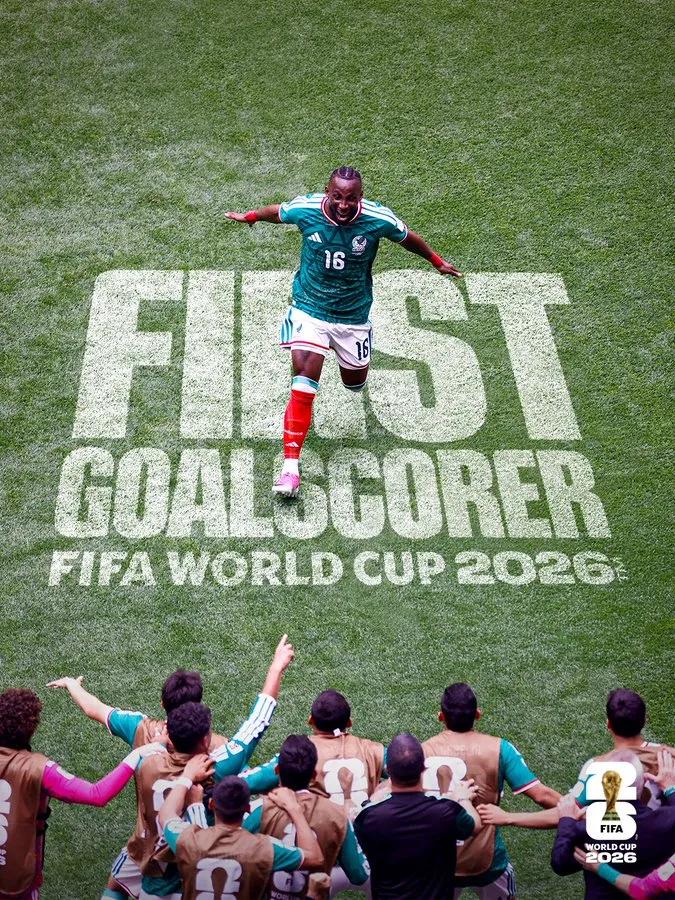
To secure this opening victory, Mexico coach Aguirre led the team through a five-week closed training camp, ultimately achieving their goal. The 35-year-old veteran Raúl Jiménez became an inspirational hero. In the 67th minute, he scored to seal Mexico's win, then pointed to the sky to honor his father, who had passed away three months earlier. In November 2020, Jiménez suffered a severe skull fracture in the Premier League, nearly dying, and many thought his career was over. But he returned to play eight months later, scoring his 46th goal for Mexico in this opener, second only to "Chicharito" Hernández's 52. With nine goals in his last ten matches, the red-hot Jiménez aims to surpass Hernández and become Mexico's all-time top scorer.
After the match, Mexico coach Aguirre said his team should have won 4-0, but the goals and three points were enough to send the entire nation into celebration. For this country yearning to temporarily escape real-world conflicts through football and the World Cup, the fleeting joy brought by the sport and victory was sufficient—the 2026 World Cup had truly begun.


Wonderfulshortvideo
vinicius junior else vini jr today


🗣️ “I’ve won games playing much worse than today”
ballon d'or lamine yamal mbappe interview press conference ballon d'or winner france football edit

Leeds United demolish Newcastle at elland road
Throwback to this League Cup game between Liverpool and Spurs ⚽️⚽️
Lamine genius 🪄
raphinha assist today lamine yamal goal today brace today vs levante
 Links
Links
 Contact
 App
App


