



The risk of lightning strikes could disrupt the 2026 World Cup match.



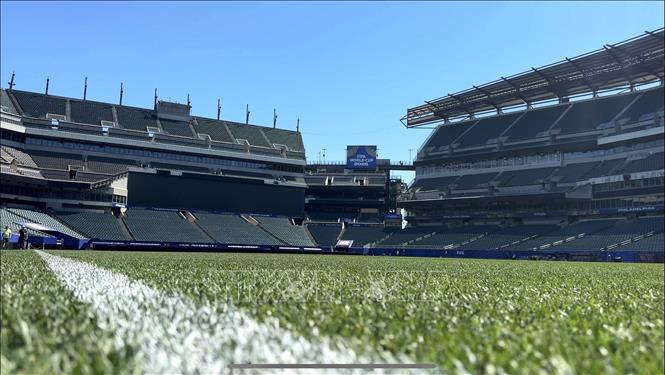
Intense heat is expected to be a major worry at the 2026 World Cup, but lightning may also pose a unique challenge.
According to US safety rules, if a lightning strike is detected within a 16‑kilometer radius of the stadium, the match must be suspended for 30 minutes and players are required to leave the field.
The safe zone distance is based on research showing that lightning can strike a considerable distance from the storm's center, even when the sky is completely clear. And this is not merely a theoretical danger. In 1998, during a football match in the Democratic Republic of Congo, lightning killed an entire team. Since then, many similar tragedies have been recorded worldwide.
Per the regulations, play can only resume if no further lightning strikes occur within a 30‑minute window. If any additional electrical discharge is detected, the waiting period restarts from zero. If the match is interrupted for more than an hour, the organizers may need to consider rescheduling.
Normally, this rule seldom becomes a problem. However, the situation changes when some 2026 World Cup matches take place in Florida—the state famously known as the lightning capital of the US. Notably, June and July are also peak months, with an average of around 20 thunderstorm days per month.
The 2026 World Cup is the largest tournament ever, expanded to 48 teams, up from 32 in the 2022 FIFA World Cup. Four national teams—Cape Verde, Curaçao, Jordan, and Uzbekistan—are making their debut in the world's biggest football competition this year.
An estimated 6.5 million fans are expected to attend 104 matches across 16 host cities. The 2026 World Cup finals will run from June 11 to July 19, 2026, in three North American countries: the United States, Canada, and Mexico.


Wonderfulshortvideo
vinicius junior else vini jr today


🗣️ “I’ve won games playing much worse than today”
ballon d'or lamine yamal mbappe interview press conference ballon d'or winner france football edit
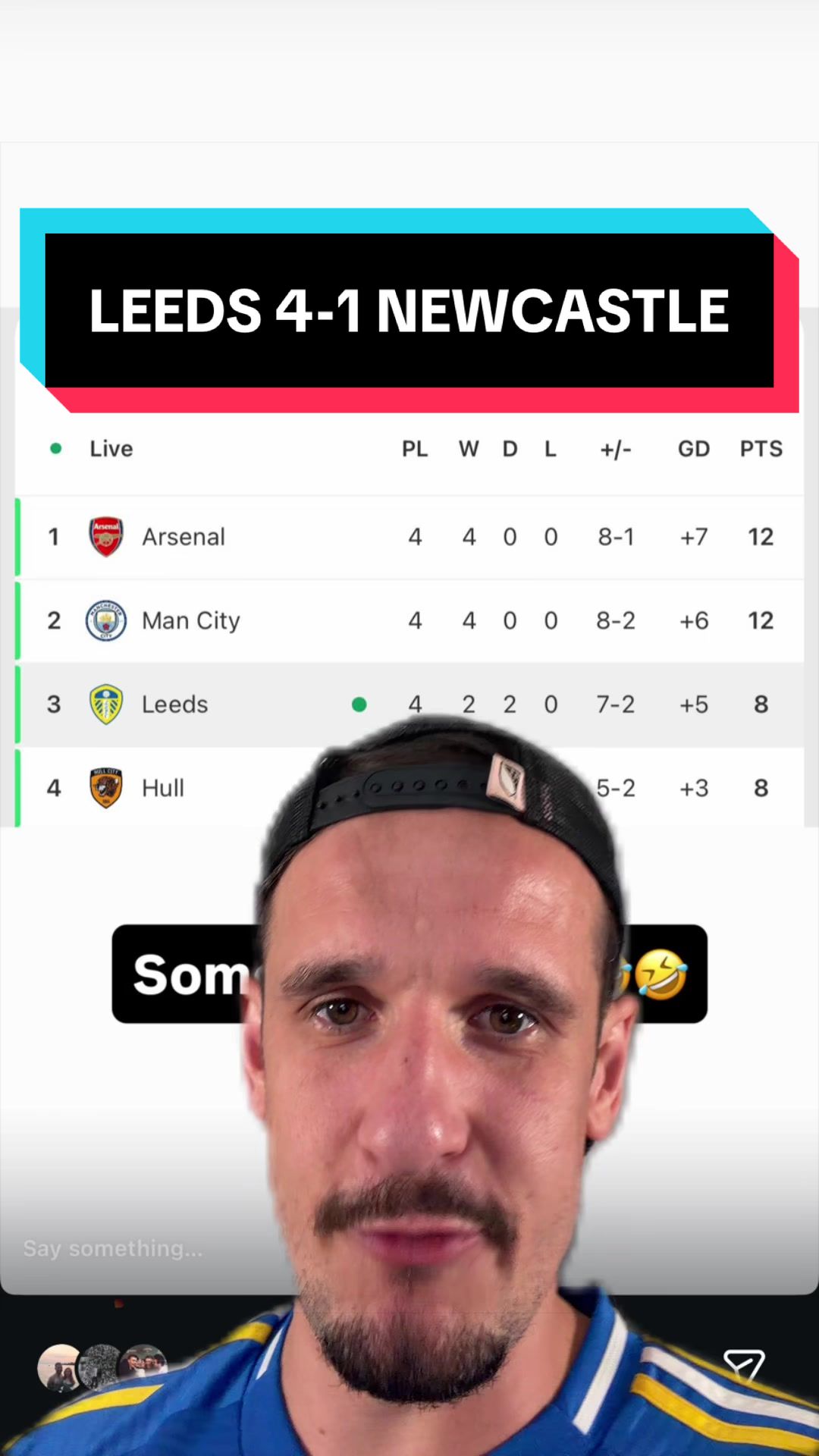
Leeds United demolish Newcastle at elland road
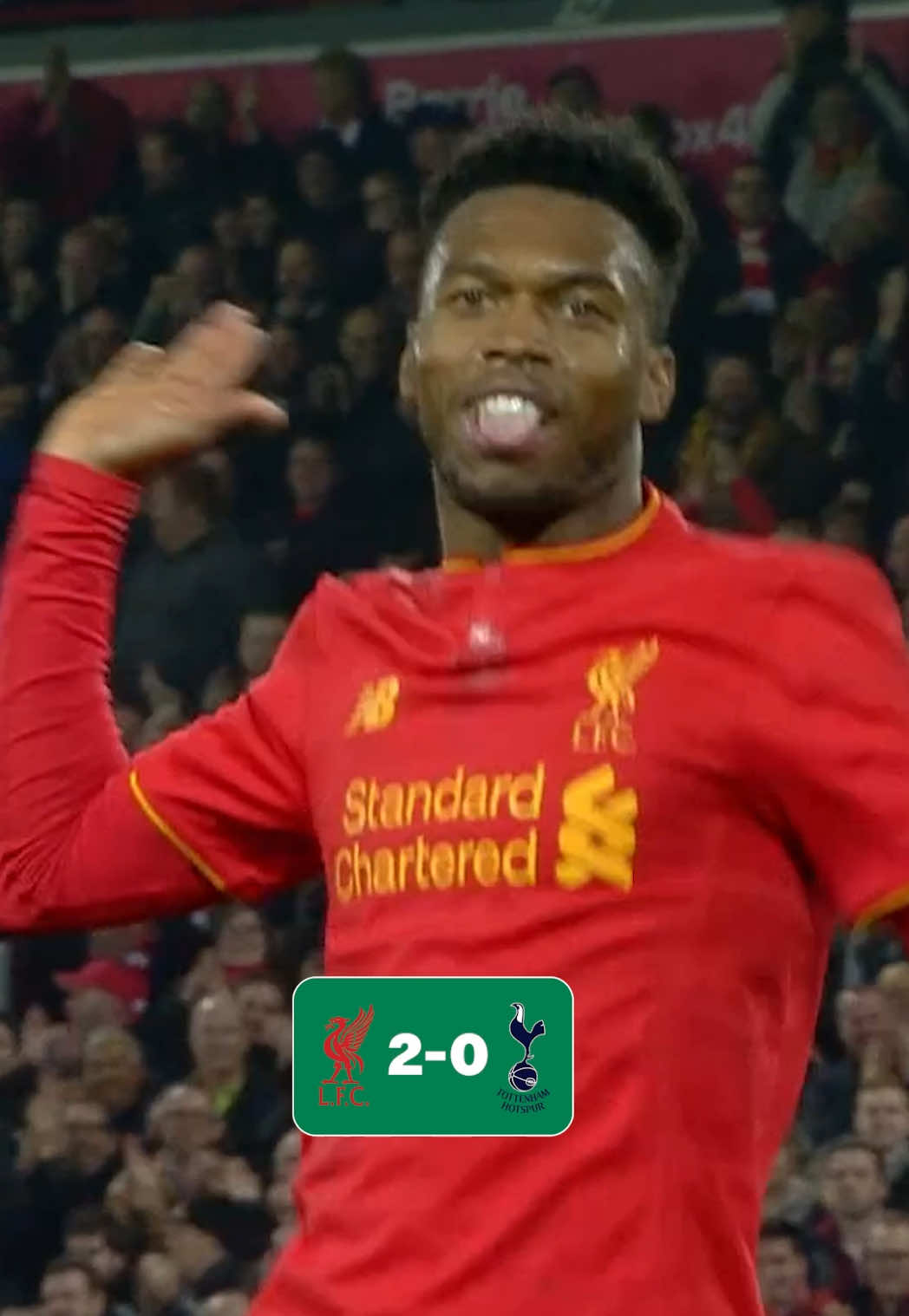
Throwback to this League Cup game between Liverpool and Spurs ⚽️⚽️
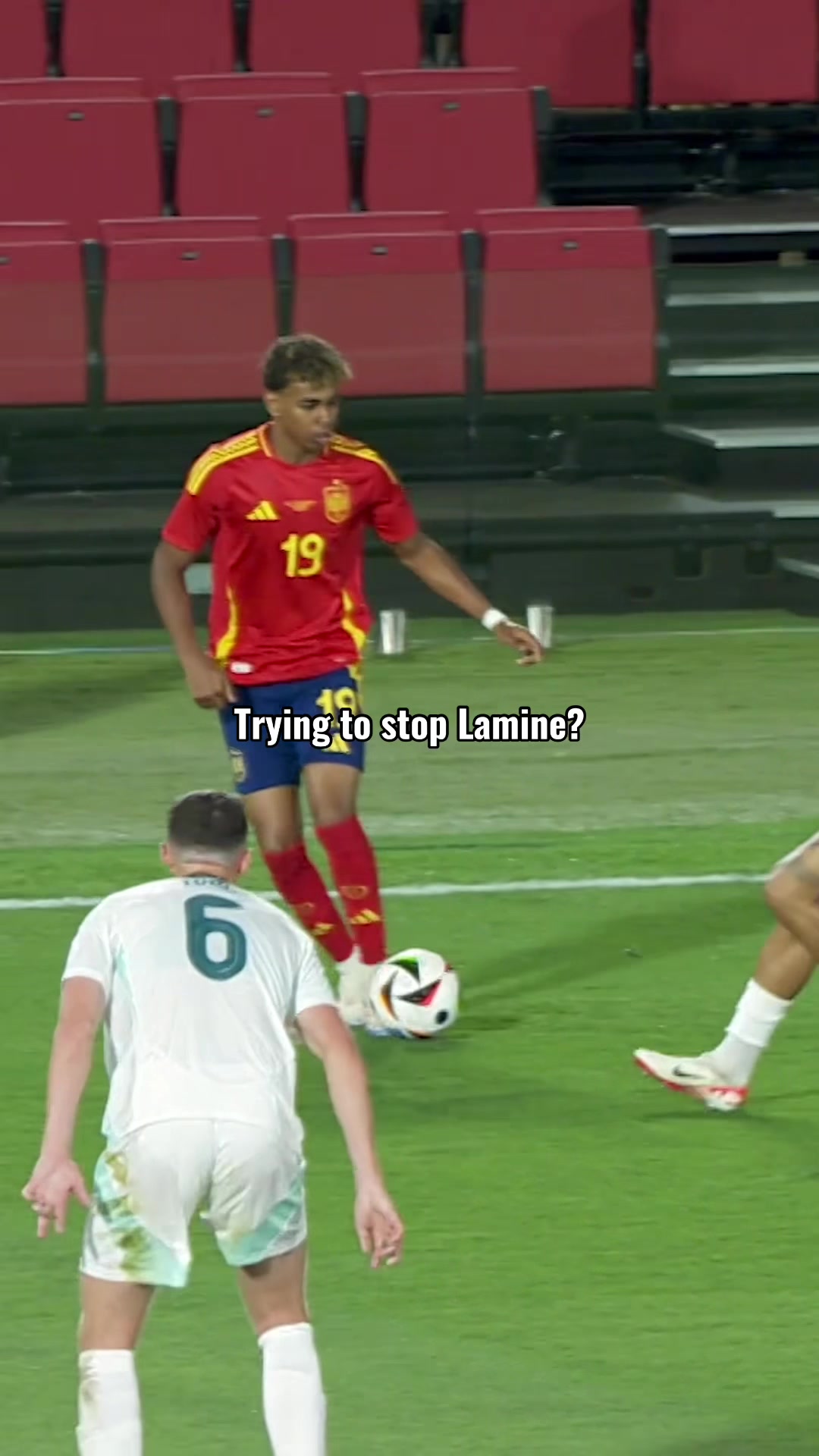
Lamine genius 🪄

raphinha assist today lamine yamal goal today brace today vs levante
 Links
Links
 Contact
 App
App


