



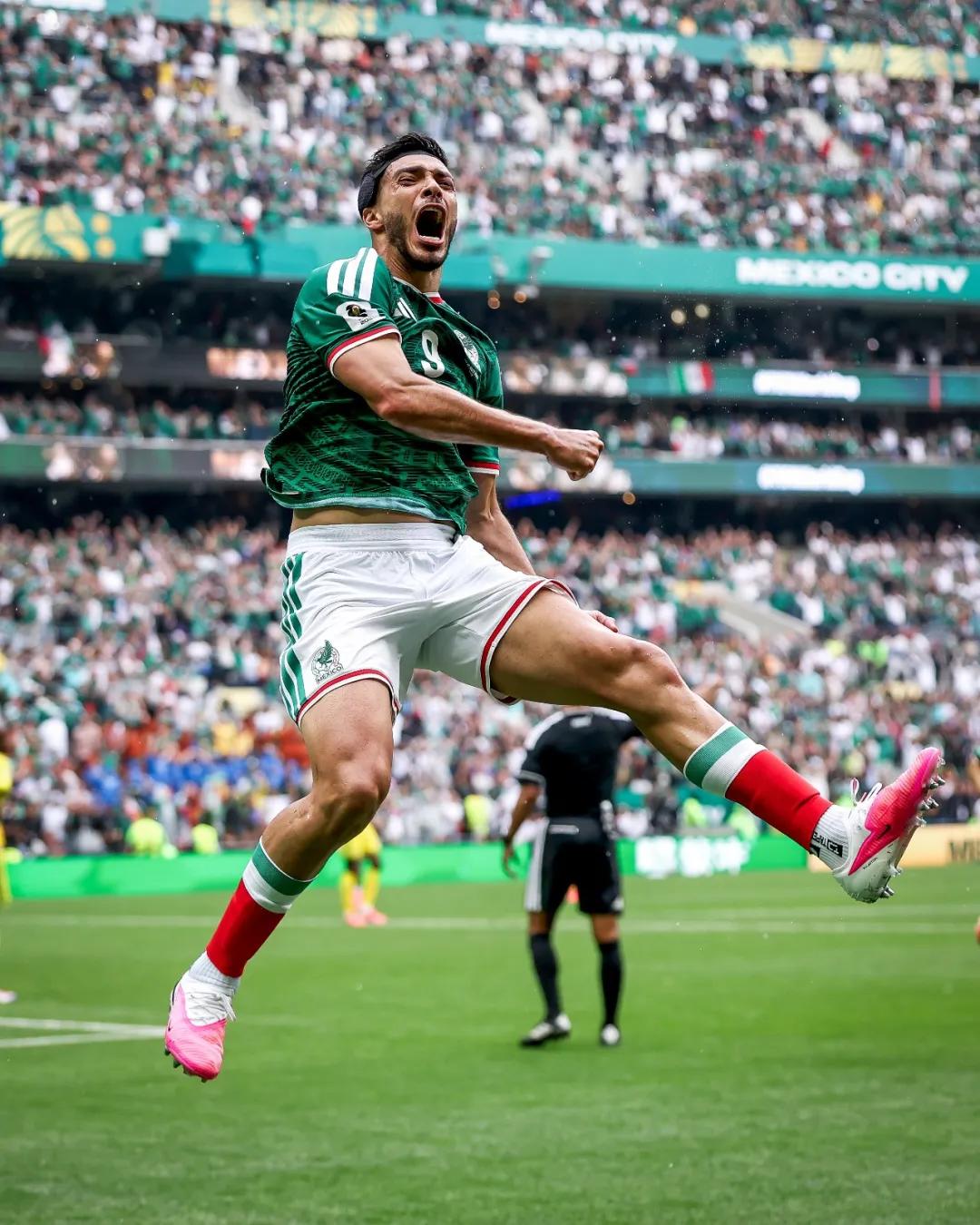
After a grueling 4,377-day wait, the tears of a 35-year-old veteran and his first World Cup goal—dedicated to his father in heaven



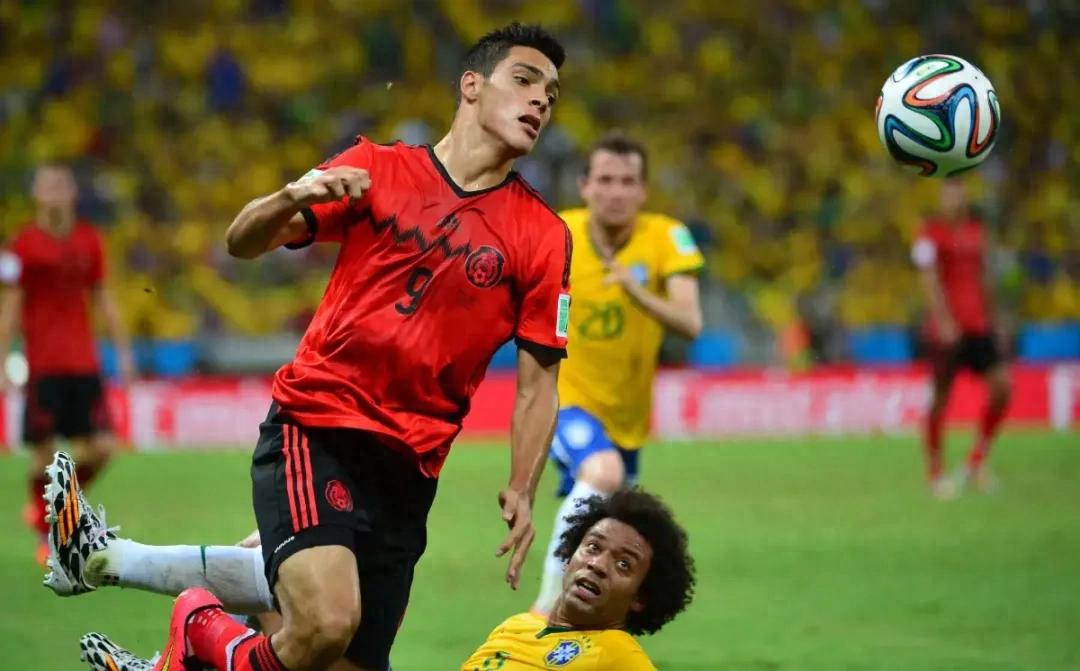
Twelve years ago at the Castelão stadium in Fortaleza, Brazil, the world focused on Ochoa—while Raúl Jiménez, who made his World Cup debut in that 0-0 draw against Brazil, was largely overlooked. Those few minutes off the bench meant a great deal to the 23-year-old still unknown outside the Americas. But the young Jiménez, already dreaming of a move to Europe, never imagined his first World Cup goal would take a staggering 4,377 days to arrive…
Such a prolonged wait of 12 years is hard to believe, not just for Jiménez himself. From his Mexico national team debut in 2013 until the start of this World Cup, he had made 126 appearances and scored 45 goals—just one shy of the second all-time scorer, Jared Borgetti. Topping that list is his former teammate and predecessor, “Chicharito” Hernández. Being the third-highest scorer in team history with no World Cup goals? And this, for a team that consistently reaches the Round of 16 and dominates North and Central America?
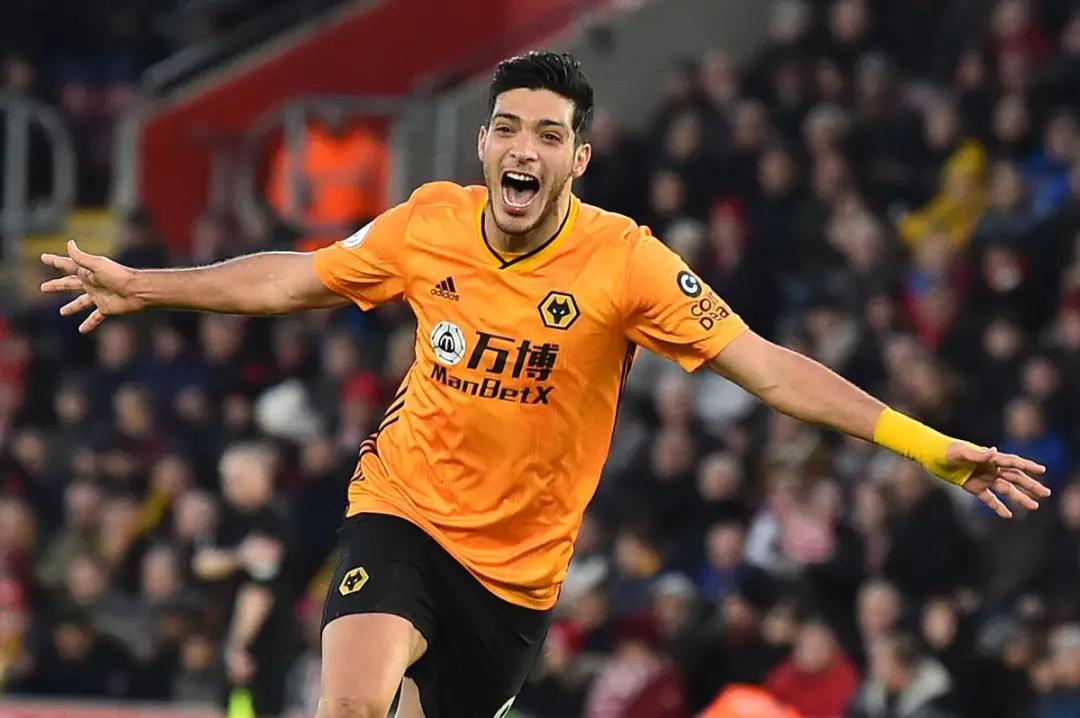
Fans are more familiar with the Jiménez who excelled at club level. After the 2014 World Cup in Brazil, he moved to Europe. Following a period of adaptation at Atlético Madrid, he transferred to Portuguese giants Benfica in the summer of 2015, and his career quickly took off. By 2017, Portuguese media reported that several Chinese Super League clubs—including Guangzhou Evergrande, Jiangsu Suning, and Tianjin Quanjian—were vying for him, when his market value was just €11 million. Just three years later, his valuation had soared to the starting point for top strikers: €50 million. With 233 appearances, 68 goals, and 24 assists, those are the standout numbers he recorded in the world’s top league, and even last season, at nearly 35, he remained Fulham’s first-choice center-forward in the Premier League.
Yet despite scoring heavily in all competitions, Jiménez always seemed to have bad luck at World Cups. In 2014 in Brazil, he was still inexperienced and made only one substitute appearance, coming on in the 84th minute with no further impact. Four years later in Russia, he was again overshadowed by Hernández, managing just two substitute appearances. By 2022 in Qatar, Jiménez did play all three group games, but always as a substitute, with no goals, and Mexico was eliminated after the group stage. The doubts that had followed him since his World Cup selection grew louder; he had only returned from a hip injury six days before the tournament, making him a “strong argument” for critics questioning the national team’s choices.
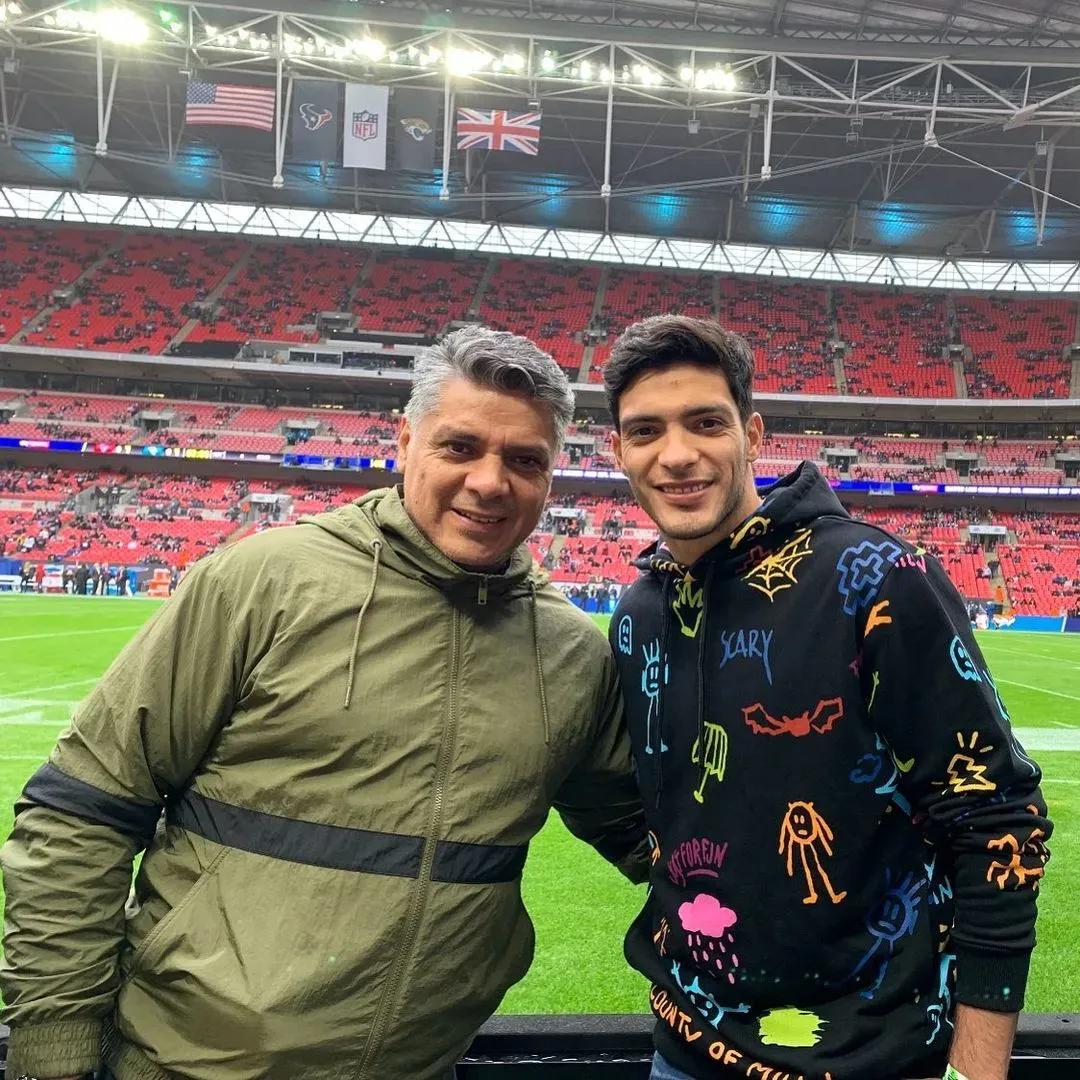
Facing public pressure, Jiménez’s father stepped forward. Normally a low-key man, he chose to stand in front of his son, openly criticizing the legends who had voiced doubts. In fact, throughout Jiménez’s entire career, his father had been a mentor and guide—especially after that severe skull fracture…
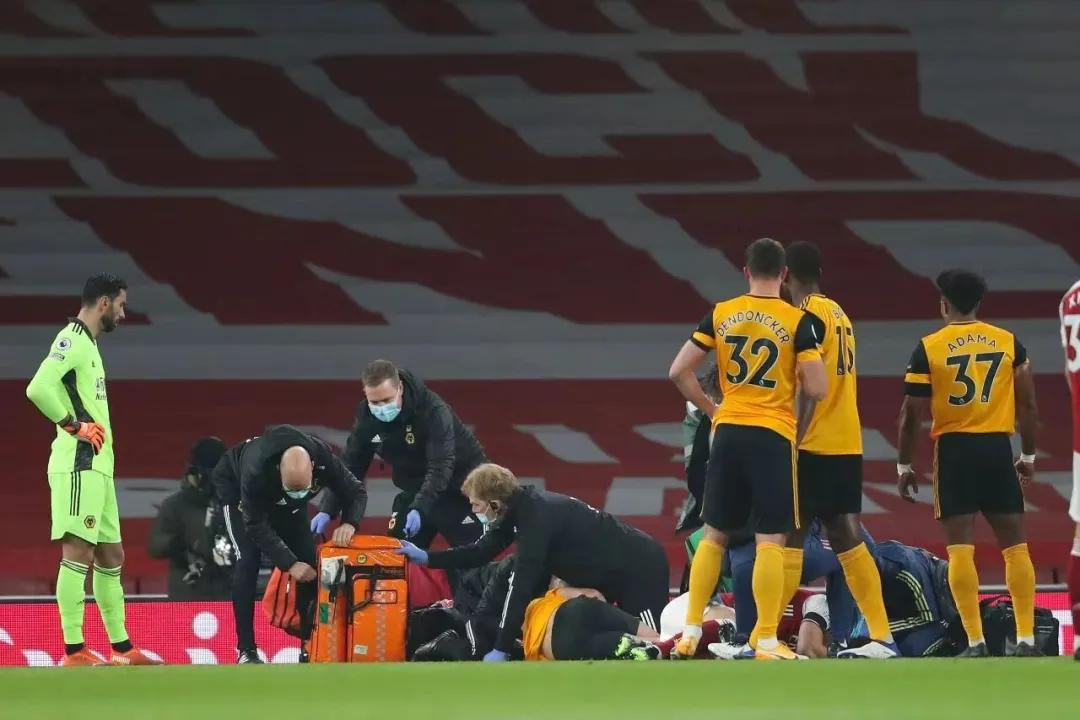
For Jiménez, injuries seemed as common as goals: since his debut, he has suffered from knee issues, groin injuries, ankle sprains, muscle injuries, knee ligament inflammation, hip injuries, hamstring problems… The list of injuries that have plagued this Mexican forward seems endless. But none was as serious as the collision in 2020. In the 10th round of the 2020/21 Premier League season, Wolves faced Arsenal away. In the 15th minute, Jiménez collided heavily with David Luiz, losing consciousness on the spot. He was diagnosed with a skull fracture and intracranial hemorrhage, undergoing emergency craniotomy surgery to save his life from the brink. At that time, even retirement was a possibility. During the nine-month low, his father provided unconditional emotional support, helping Jiménez regain his confidence.
Sadly, his father could not live to see Raúl’s glorious World Cup goal—three months earlier, the 62-year-old had passed away after battling pancreatic cancer for over a year.
When Raúl Jiménez finally scored at a World Cup, he pointed both hands to the sky, his eyes already filled with tears. No words were needed—we all knew he was dedicating the goal to his father in heaven.


Wonderfulshortvideo
vinicius junior else vini jr today


🗣️ “I’ve won games playing much worse than today”
ballon d'or lamine yamal mbappe interview press conference ballon d'or winner france football edit
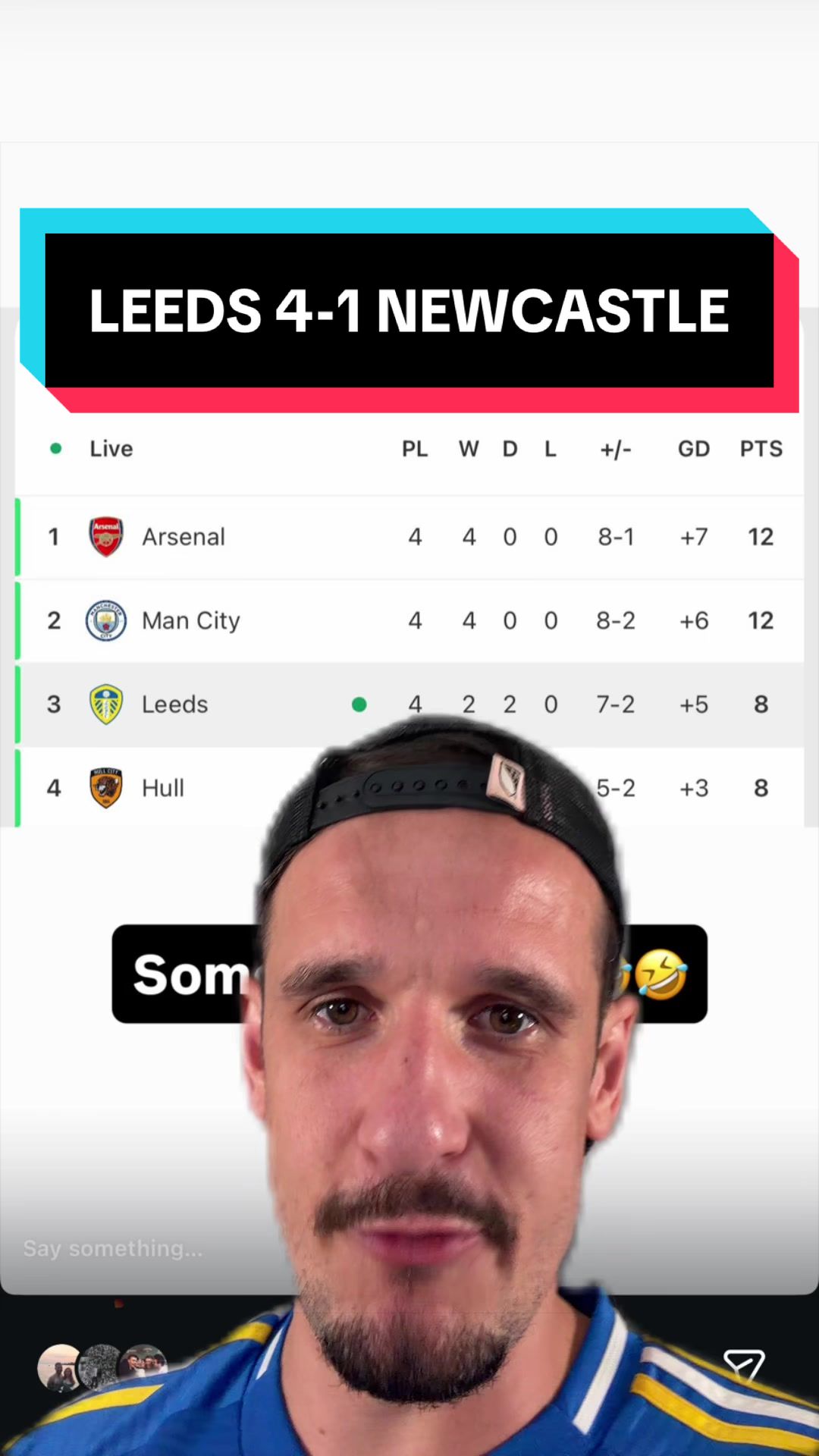
Leeds United demolish Newcastle at elland road
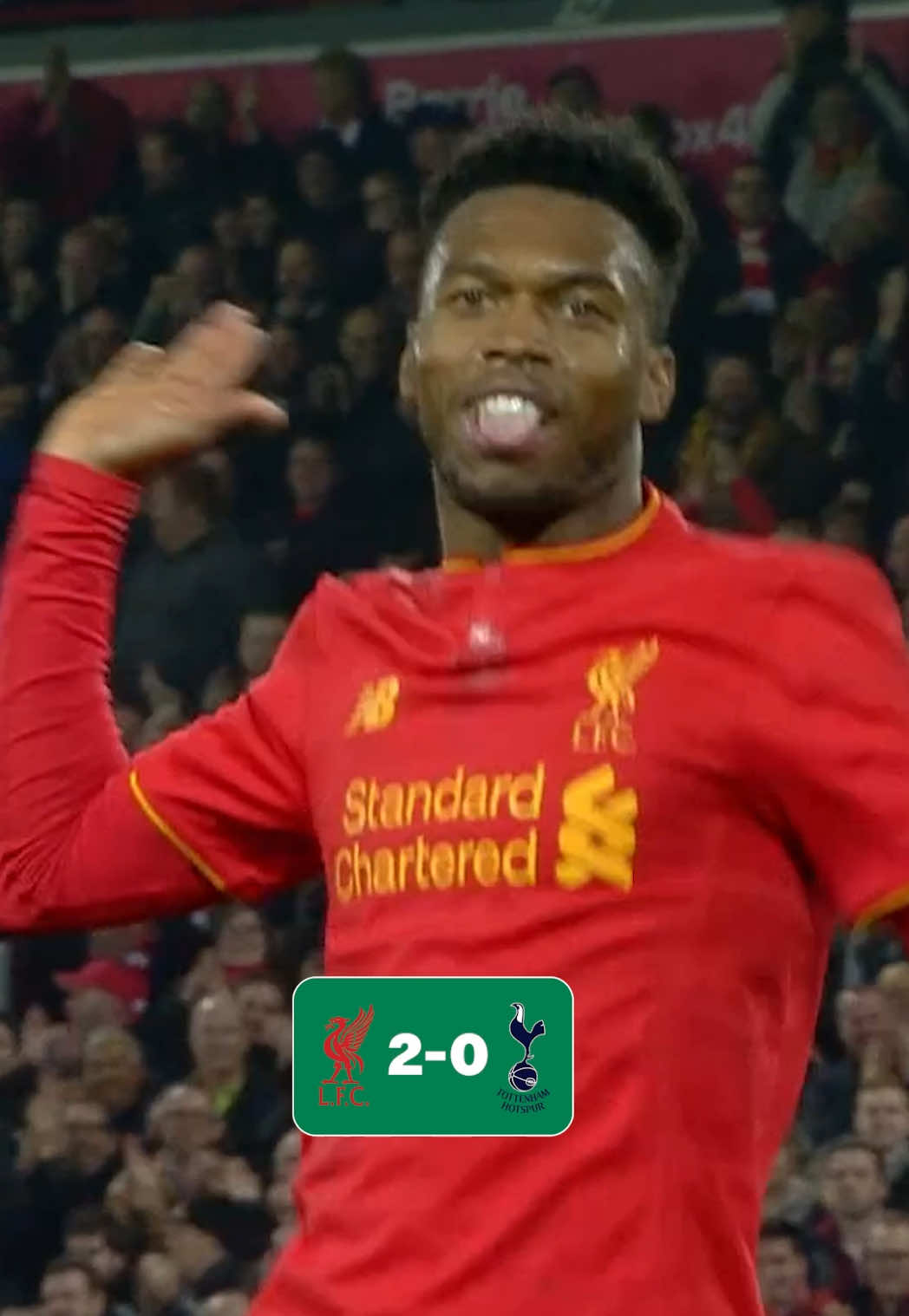
Throwback to this League Cup game between Liverpool and Spurs ⚽️⚽️
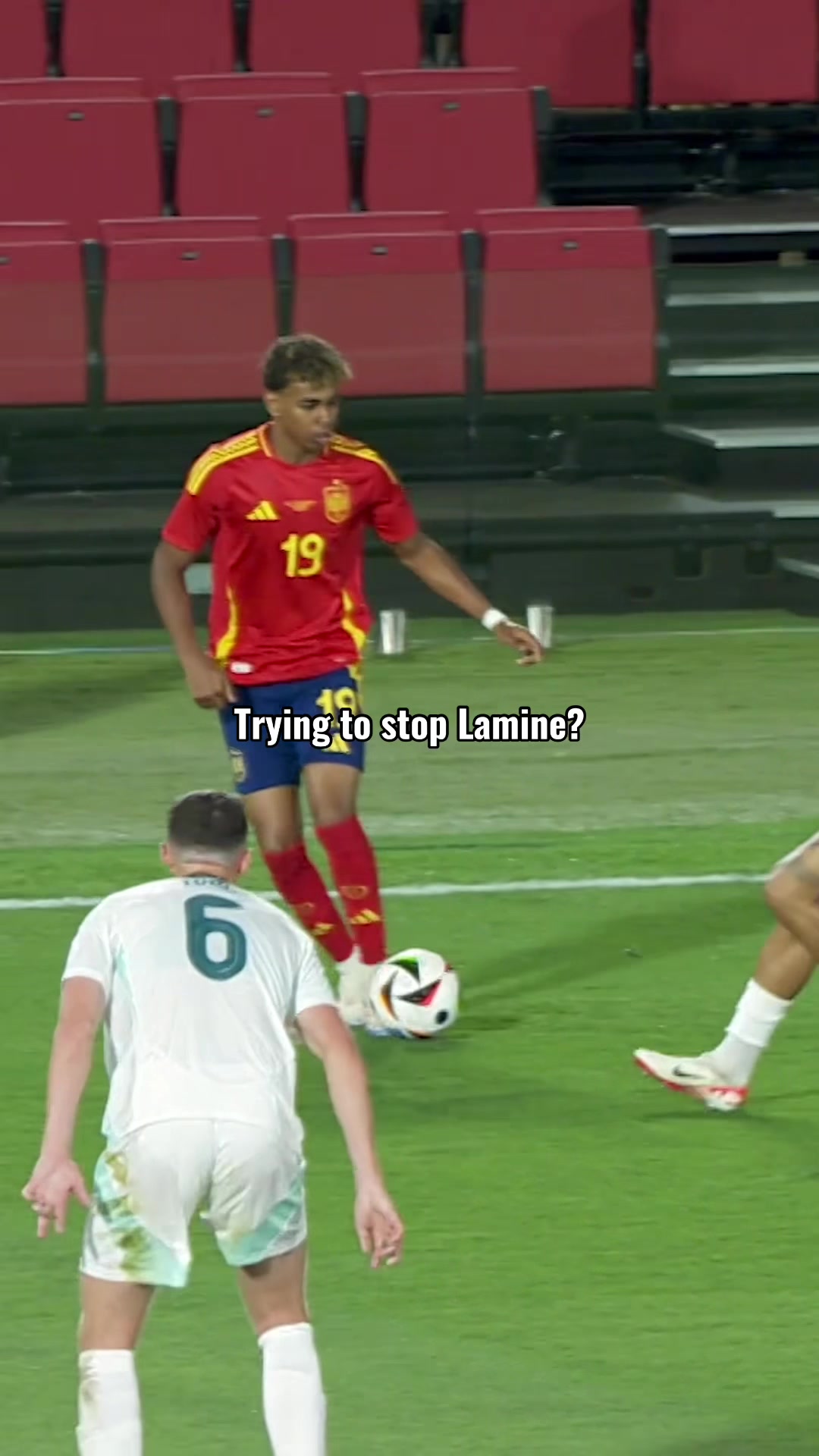
Lamine genius 🪄
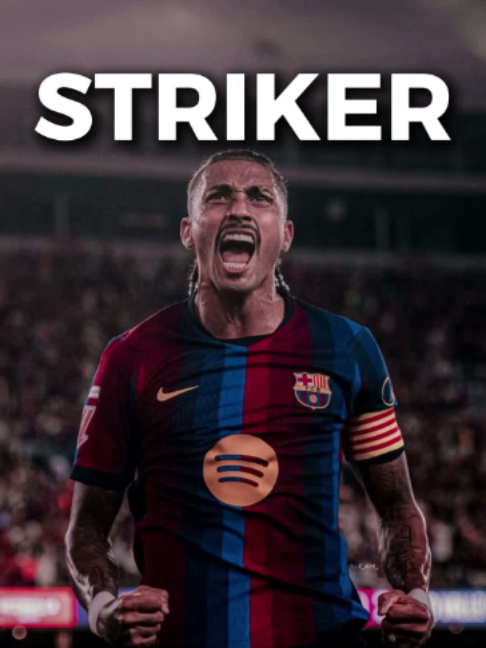
raphinha assist today lamine yamal goal today brace today vs levante
 Links
Links
 Contact
 App
App


