



World Cup First Round Summary: Two Major Favorites Falter! Small Teams Rise + Asian Surge, Refereeing Controversy Continues



As of June 18 Beijing time, all 12 groups of the World Cup have completed their first round of matches. Across the 24 games, several intriguing trends have emerged that deserve fans' attention.
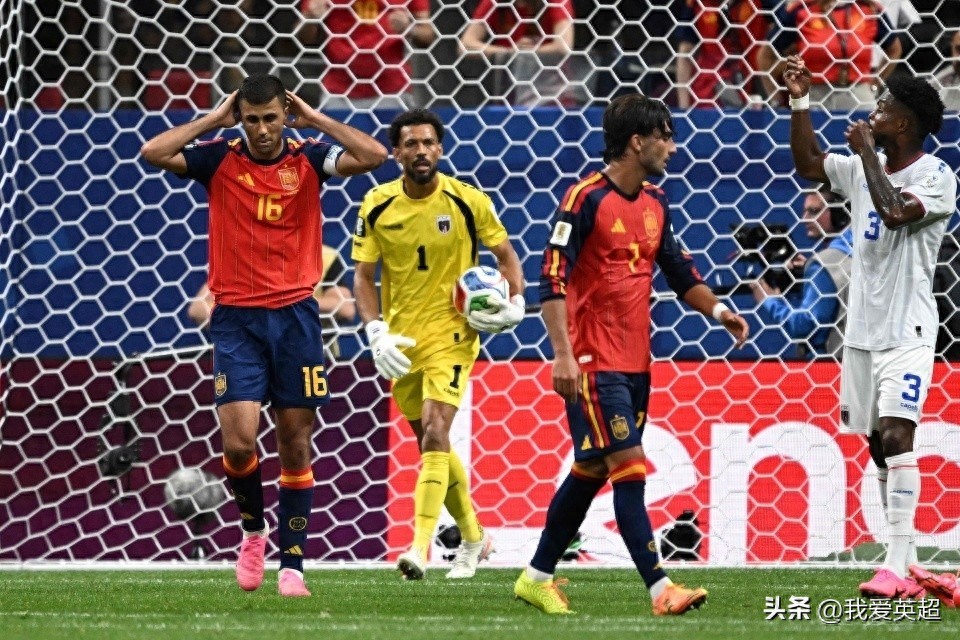
[Traditional Powerhouses Show Mixed Form]
In the opening round, the top 10 ranked teams in the world displayed vastly different performances. France, England, Argentina, and Germany performed as expected, securing wins against their respective opponents. However, other traditional powerhouses fell short of expectations.
While it is understandable that Brazil and the Netherlands were held to draws by talented sides like Morocco and Japan, it is truly disappointing that Portugal and Spain—two major title contenders—dropped points to Cape Verde and the Democratic Republic of the Congo, respectively.
Of course, with the expanded World Cup format, the margin for error in the group stage has increased, giving these underperforming strong teams ample opportunity to regain their form in the next two rounds.
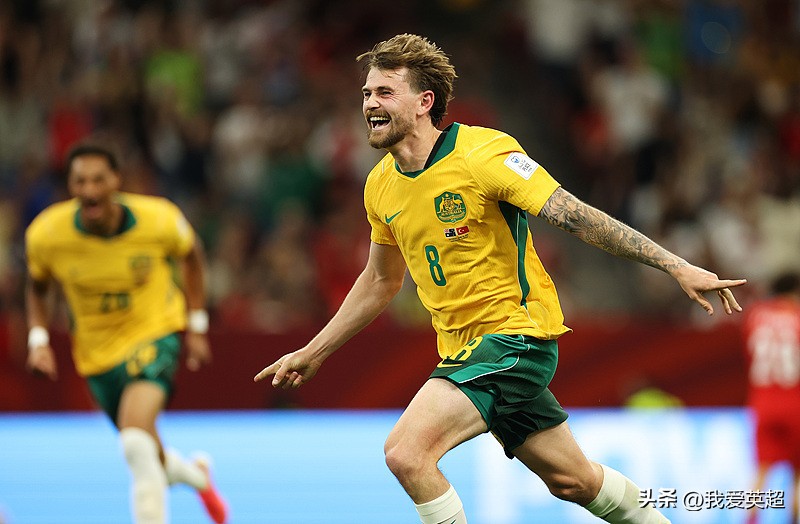
[Small Teams and Non-Traditional Powerhouses Rise]
The opening round was heartening to see small teams and non-traditional powerhouses put in impressive performances. Morocco holding Brazil to a draw, Saudi Arabia drawing with Uruguay, Qatar's stoppage-time equalizer against Switzerland, Australia defeating Turkey, and Ivory Coast's last-gasp winner over Ecuador all qualify as upsets.
The rise of non-traditional powerhouses proves that World Cup expansion has not simply brought "pushovers"; it has introduced more teams with distinct styles and strong tactical discipline, ensuring that the expanded tournament remains highly exciting.
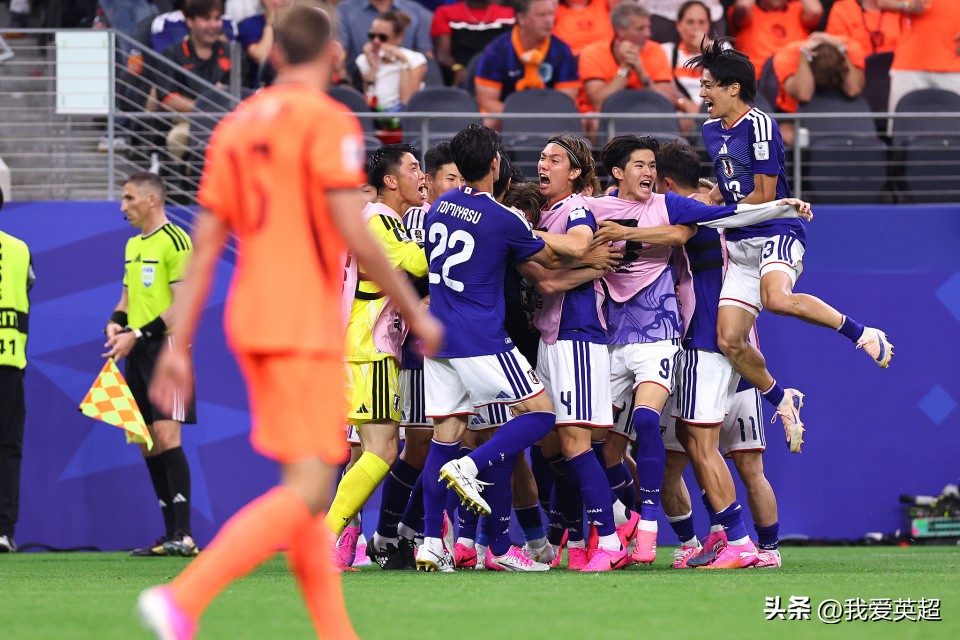
[Historic Rise of Asian Teams]
After the first round, the nine Asian Football Confederation teams achieved two wins, four draws, and three losses, even starting with an unbeaten run of six matches. The last three teams to take the field—Iraq, Jordan, and Uzbekistan—all lost, but they fell to European or American opponents (Norway, Austria, and Colombia) who are far stronger, making the results understandable.
Even moregratifying is that all nine Asian teams scored in their opening matches, meaning they at least did not return empty-handed. The miserable scenario of zero points and zero goals—like China's 24 years ago—is no longer seen among today's Asian teams.
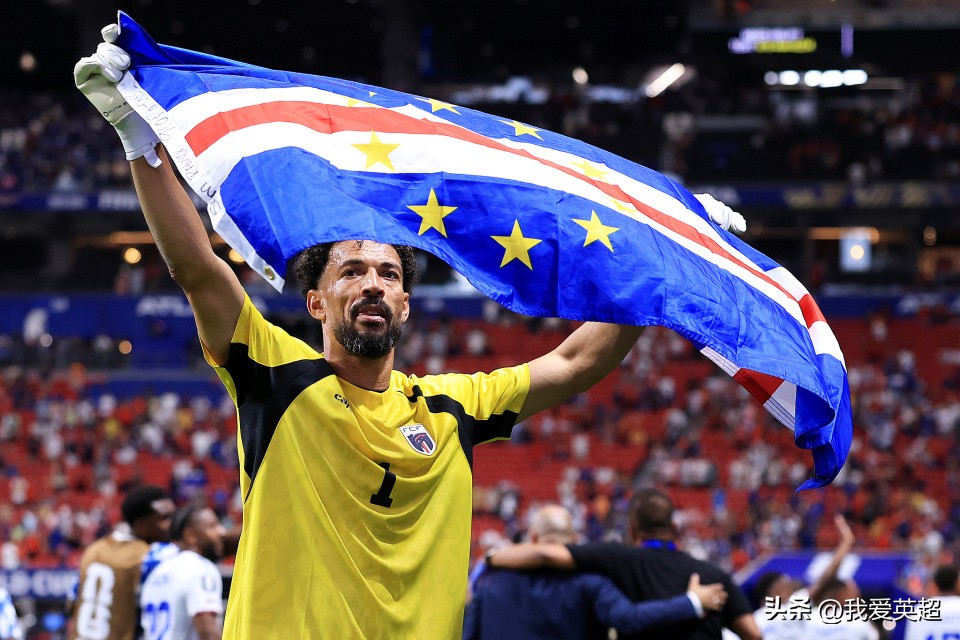
[Four Debutants with Contrasting Fates]
This World Cup features four debutants: Curaçao, Jordan, Uzbekistan, and Cape Verde. Interestingly, Cape Verde—despite being the only newcomer that failed to score in the opening round—was also the only one to historically earn a point.
The other three teams, although they found the net in their World Cup debuts, ultimately suffered defeats. In particular, Curaçao endured a painful 7-1 thrashing by Germany, a team known for its ruthless approach, making their first match a harsh memory.
[All Three Hosts Perform Well]
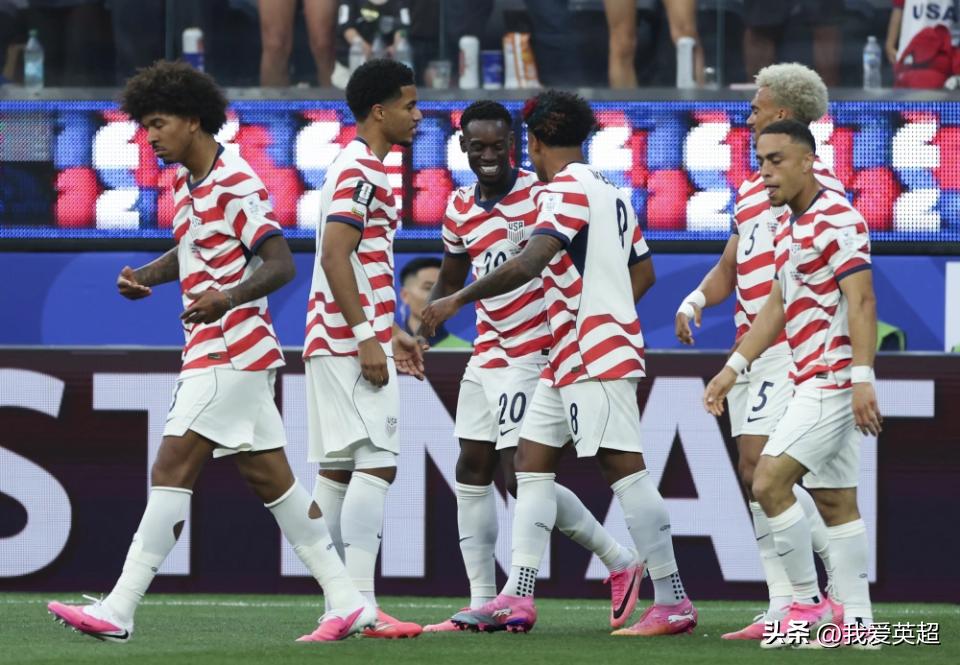
Leveraging the massive home advantage, all three co-hosts performed admirably in their opening games. Mexico kicked off the tournament with a 2-0 victory over South Africa, the United States routed Paraguay 4-1, and while Canada had a tougher outing, they still managed a 1-1 draw with Bosnia and Herzegovina, earning their first-ever World Cup point.
All three host nations secured points in the first round. With favorable group draws, the United States and Mexico are well-positioned to advance deep into the tournament.
[Stars Shine Bright, Only Ronaldo Disappoints]
In the opening round, several world-class superstars delivered outstanding performances. At 38, Argentine legend Messi scored his first career World Cup hat trick, tying Klose atop the all-time scoring list. Meanwhile, top forwards like Mbappé, Haaland, and Kane all bagged braces in their first matches.
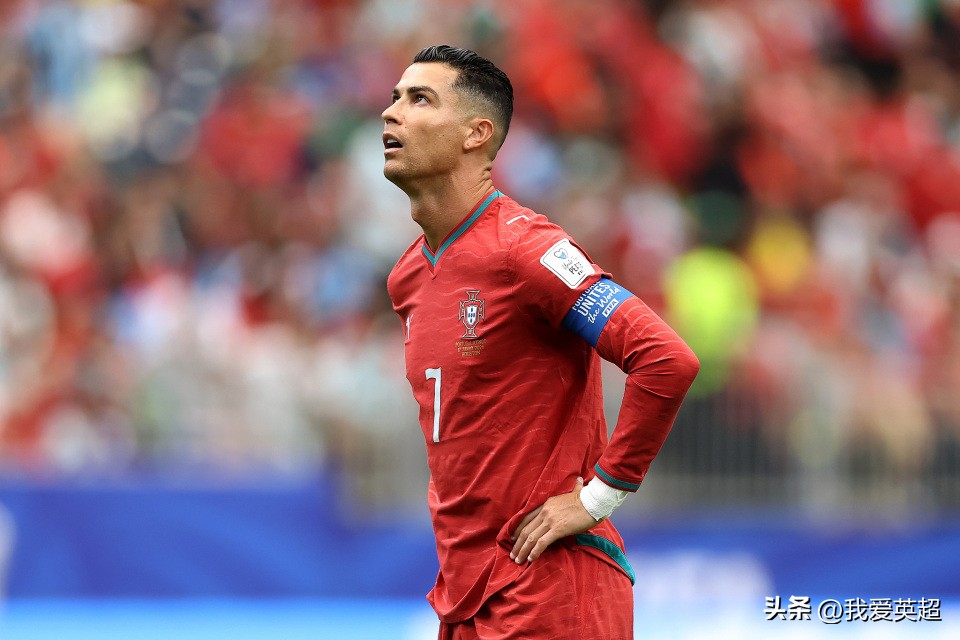
Among the elite players, only the 41-year-old Cristiano Ronaldo fell short of expectations—he had three shots with none on target, and Portugal stumbled to a surprising draw in their opening game. Of course, as a legend who has inspired a generation, Ronaldo's presence at his sixth World Cup at age 41 is already a feat worthy of admiration.
[Refereeing Controversy Continues to Stir Debate]
Despite the introduction of numerous high-tech aids this tournament, controversies persist. For instance, the match ball's chip helped confirm a valid goal for Sweden; Mexico's opening match saw three red cards in one half, sparking discussions about officiating standards. Additionally, an Australian VAR assistant was investigated for an alleged racist gesture, though FIFA stated there was no evidence.
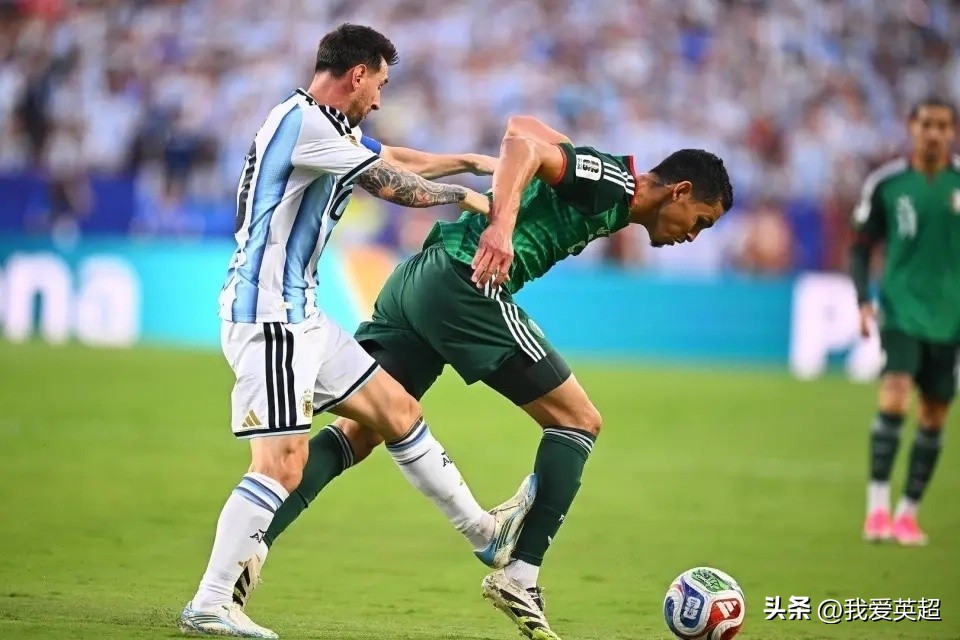
Furthermore, whether Messi should have been sent off for stepping on an opponent's calf, and whether Mbappé was denied a penalty, sparked heated debates afterward. While advanced technology has made refereeing decisions more precise, it has shifted the nature of controversy from "whether it was seen" to "how it is interpreted."


Wonderfulshortvideo
🗣️ “As a group we can’t accept that, I can’t accept that”


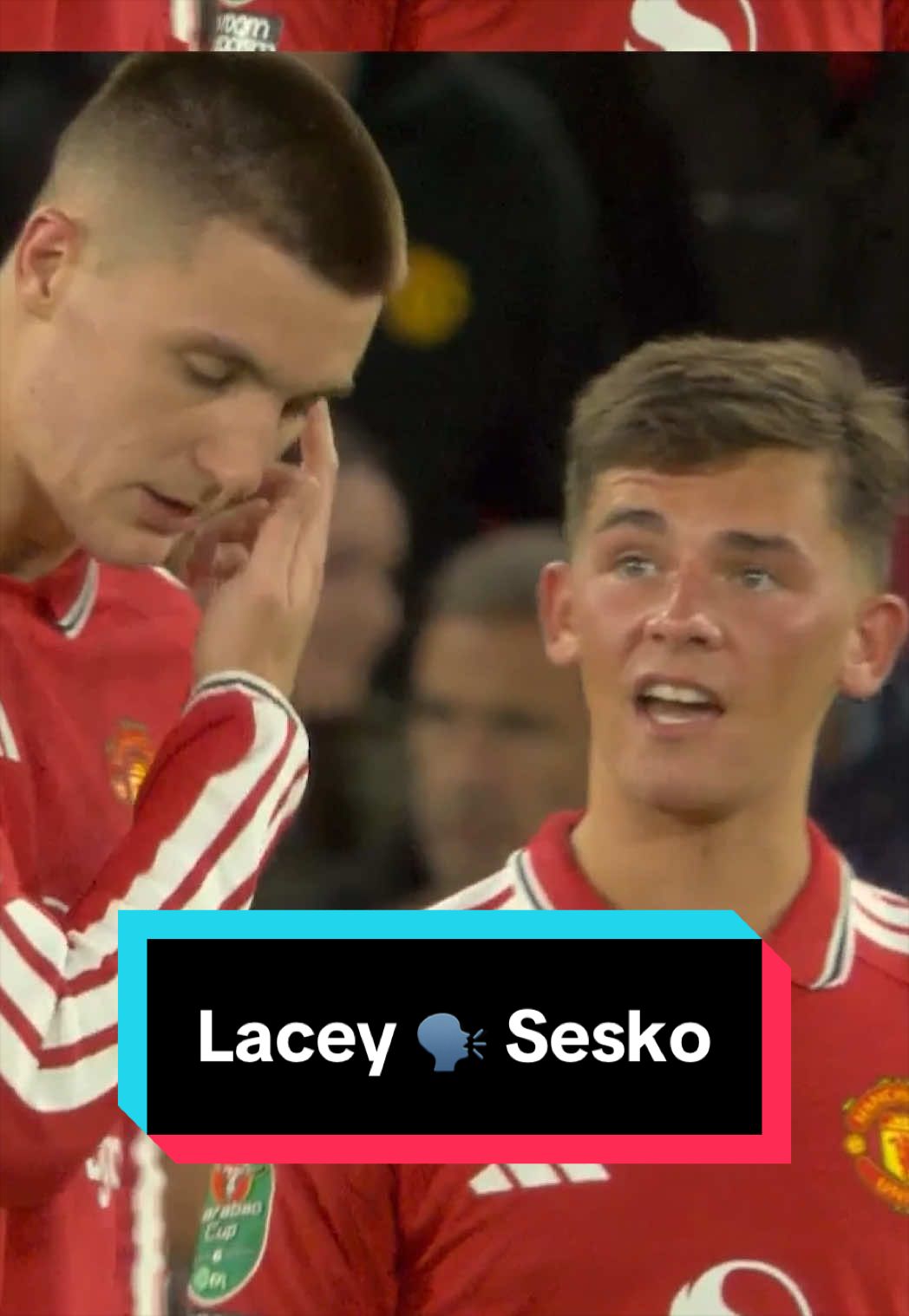
Shea Lacey handing out advice to Benjamin Šeško 😅

messi new club news football today ronaldo new club owner
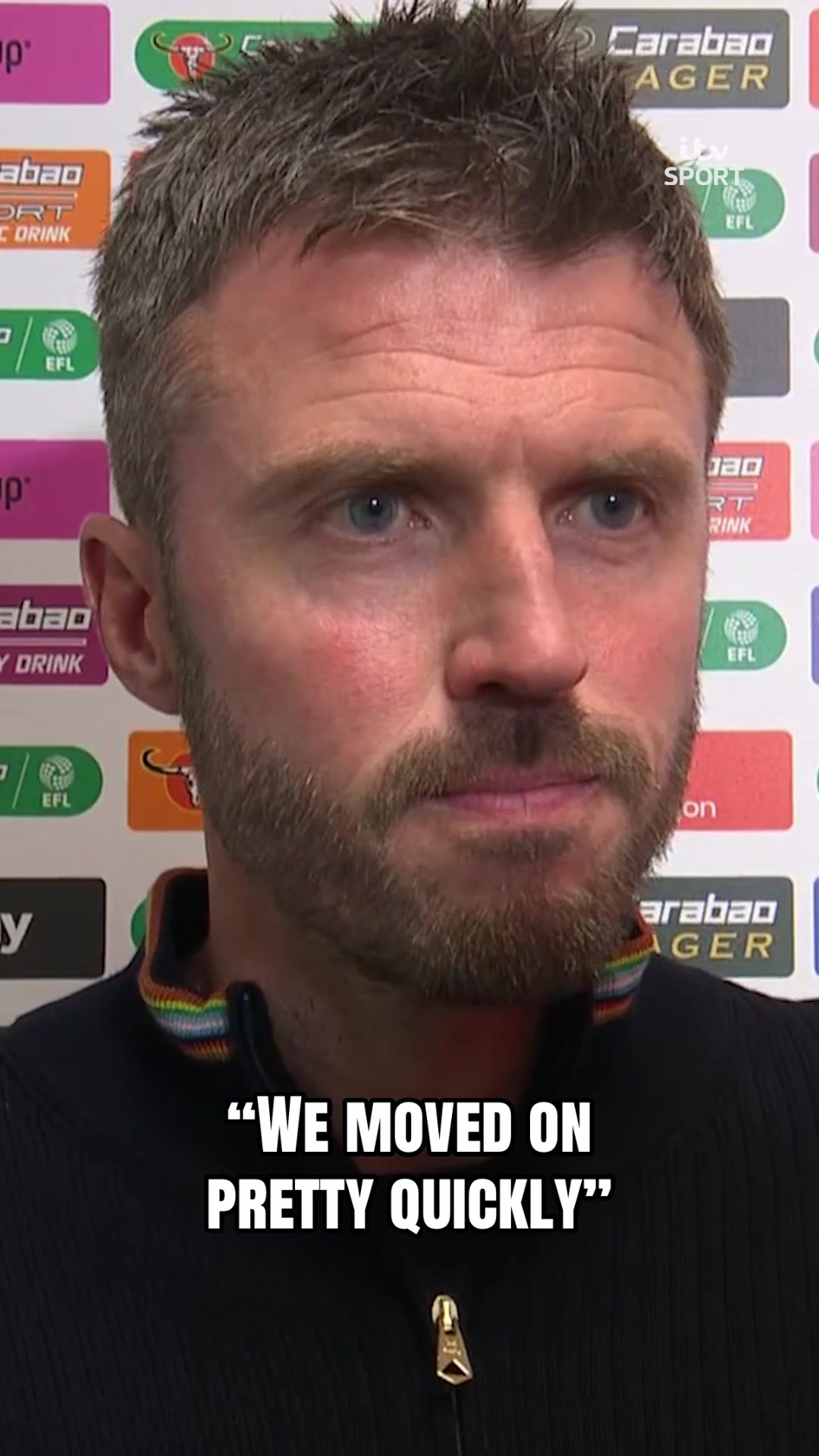
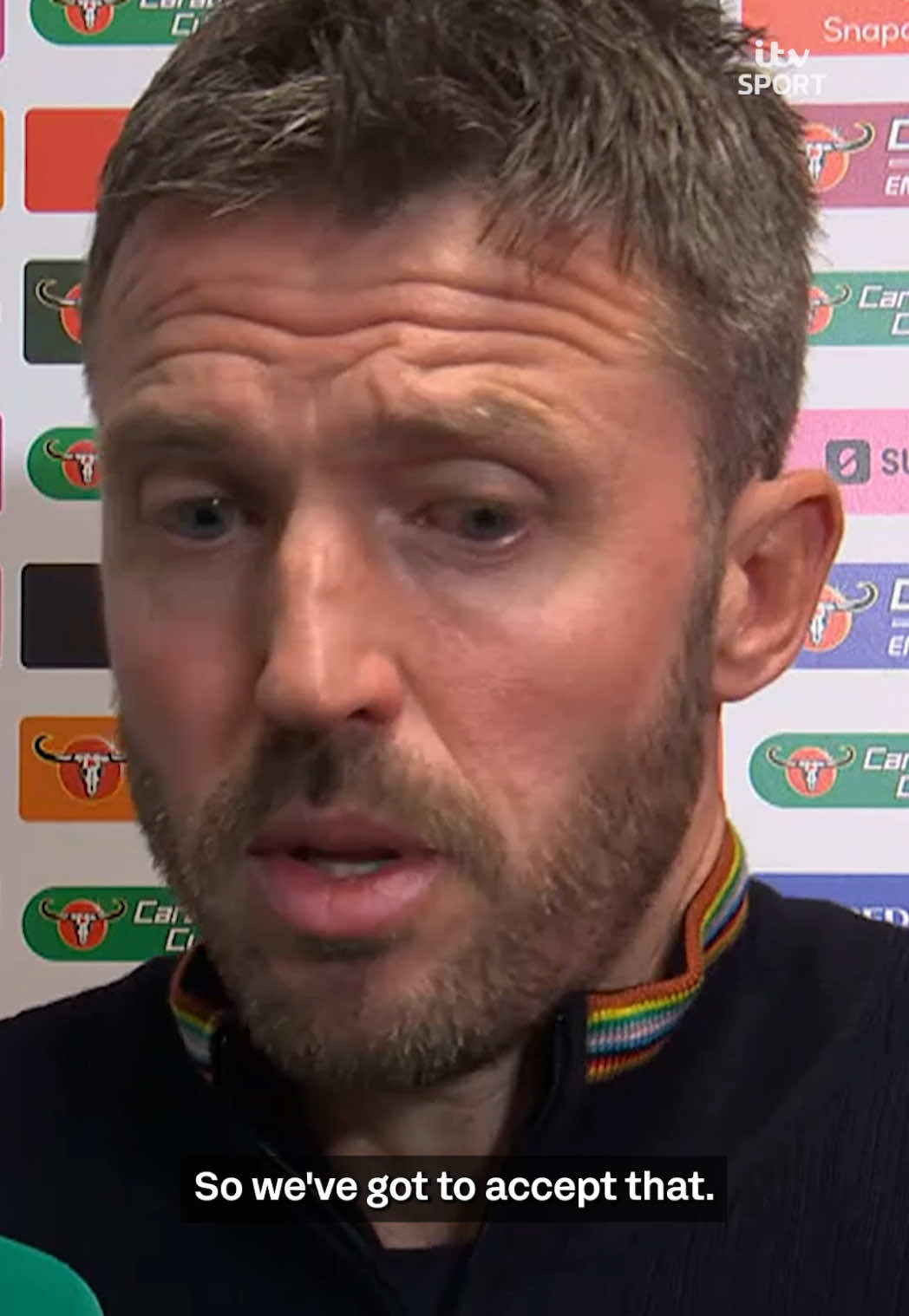
🗣️ Man Utd boss Michael Carrick responds after the controversial goal that settled the Manchester Derby last weekend
Now this backpass is every goalkeeper's 𝐰𝐨𝐫𝐬𝐭 𝐧𝐢𝐠𝐡𝐭𝐦𝐚𝐫𝐞 🫠
vinicius junior else vini jr today
🗣️ “I’ve won games playing much worse than today”
 Links
Links
 Contact
 App
App


