



World Cup 2026 and Canada's football dream




In Toronto, which is hosting World Cup matches, the tournament's intensity is spreading from the stadium and fan zones to local parks and neighborhoods.
In Don Valley, north of Toronto, dozens of children and families took part in a community football festival inspired by the World Cup. For many families, going downtown to the fan zones or accessing large-scale activities is not always easy. Therefore, bringing football directly to residential areas is seen as a way for children to also become part of the world's biggest football celebration.
Speaking to a VNA correspondent in Canada, Toronto City Councillor for Don Valley, Shelley Carroll, said that many children in the area do not have the chance to go downtown, and even attending fan zones is very difficult. This event brings the World Cup atmosphere right into the neighborhood so that they can feel the spirit of the FIFA World Cup.
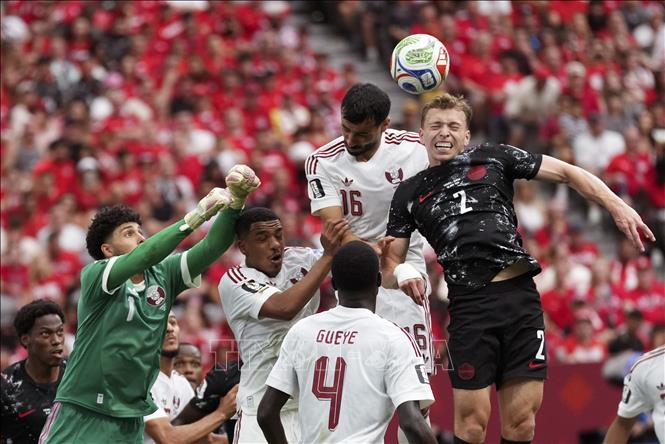
Beyond being a sports festival, such activities show how Toronto is turning the World Cup into an opportunity for community bonding. In a multicultural city, football is becoming a common language for children from different communities to meet, play, and build friendships.
According to Councillor Carroll, the performances of Canadian players at the World Cup are strongly inspiring the community, and perhaps the children playing football today will become the next generation of stars.
The growing interest in football has brought noticeable changes to Canada, and the 2026 World Cup is elevating the sport's profile in both athletic and community life. Football has now surpassed Canada's iconic sport, ice hockey, to become the sport with the highest youth registration numbers in the country.
Peter Augruso, President of Canada Soccer, told reporters that currently, Canada has more registered football players than ice hockey players. He envisions a Canada where football is becoming the number one sport in terms of youth participation. He expects that after the World Cup, this movement will grow even stronger.
However, to turn this wave of interest into a long-term foundation for development, Canada needs to continue investing in football infrastructure. Local communities require more pitches, indoor facilities, and training centers so that children can play football year-round, especially in harsh weather conditions.

One of the major legacies that Canada Soccer aims for is building a national training center where youth teams and the national team can train, learn, and develop together. Additionally, many community football pitch projects are being implemented across the country, even in remote areas such as Nunavut, Newfoundland, and British Columbia.
From the national team's victory to mini football pitches in residential areas, the 2026 World Cup is creating a new football wave in Canada. The tournament's success, therefore, is measured not only by scores on the field or the number of spectators, but also by how many children pick up a ball, head to the pitch, and nurture their dreams of becoming future players.


Wonderfulshortvideo

yamal goal today raphinha goal today hattrick today adeyemi barcelona 7-2 racing santander highlights



🗣️ “As a group we can’t accept that, I can’t accept that”

Shea Lacey handing out advice to Benjamin Šeško 😅

messi new club news football today ronaldo new club owner

🗣️ Man Utd boss Michael Carrick responds after the controversial goal that settled the Manchester Derby last weekend

Now this backpass is every goalkeeper's 𝐰𝐨𝐫𝐬𝐭 𝐧𝐢𝐠𝐡𝐭𝐦𝐚𝐫𝐞 🫠

vinicius junior else vini jr today
 Links
Links
 Contact
 App
App


