



Interview with Hou Zhiqiang: Aligning with the World Cup to Comprehensively Improve the Training System



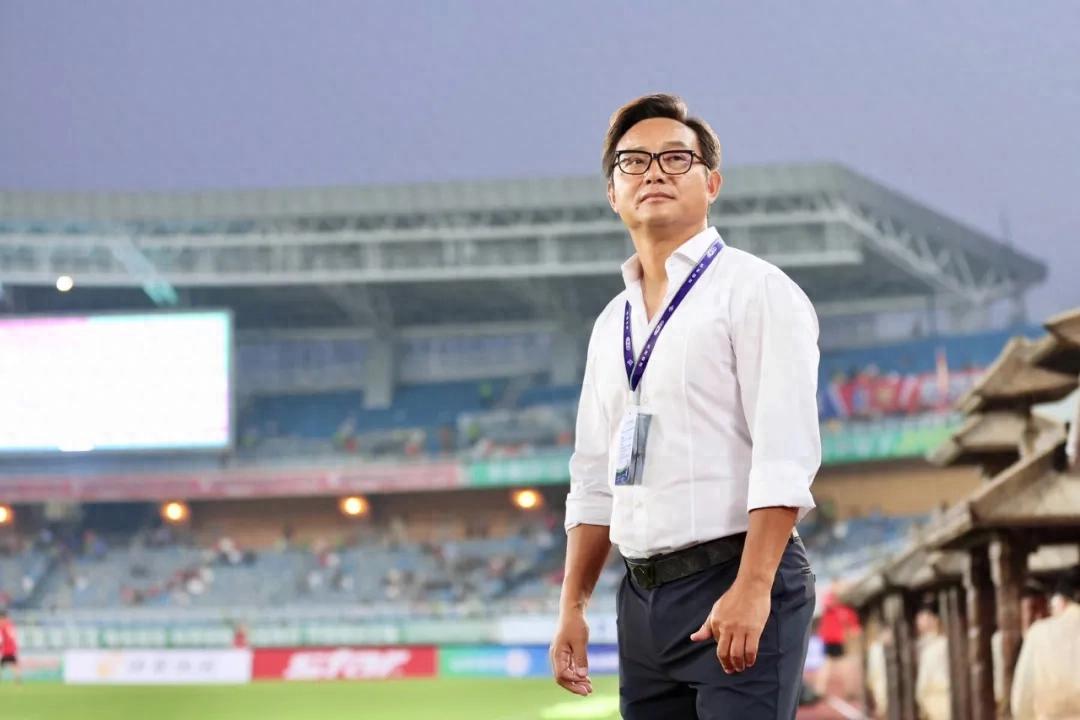
Reported by Chen Yong In the latest national team squad, Wei Shihao, Liu Yang, and Xie Wenneng all have the same mentor, Hou Zhiqiang. Among them, Wei and Liu were nurtured by Hou since childhood, and Xie Wenneng started his professional journey at Zibo Cuju under Hou's coaching, where he scored a decisive goal in a critical game to secure promotion to the China League One.
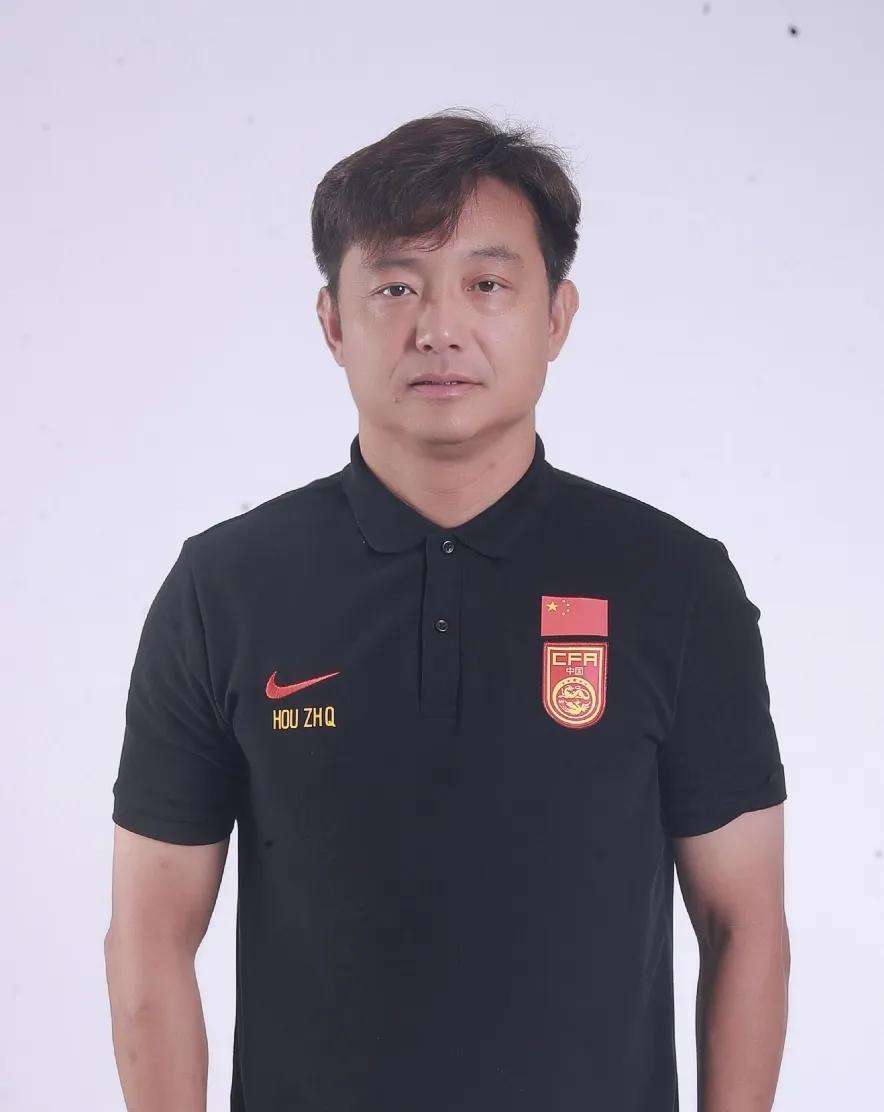
Hou Zhiqiang played for Shandong Taishan, Shanghai Zhongyuan, and Jiangsu Sainty during his playing career. From 2007 to 2014, he served as a youth coach at Luneng Football School, then became the technical director and assistant coach of the first team at Shandong Taishan in 2014. From 2018 to 2020, he was the general manager and head coach of Zibo Cuju, leading the team to promotion. Currently, he is the vice dean of the Football Academy at Qingdao Preschool Education College, head coach of the Zibo team (participating in the "Qilu Super League"), founder of Zibo 0533 Football Park, and involved in youth training in Zibo. In recent years, he also served as an assistant coach for the U23 national team and a coach for the Chinese Football Association's 2011 age-group training camp.
"I've been teaching, leading the team, and at the same time, the 0533 Football Park is hosting a high-level U13 elite梯队 invitational tournament, so I haven't watched the World Cup systematically. I caught some matches, highlights, and reports. My initial impression is that we shouldn't be mere spectators when it comes to the World Cup. China's youth football system needs to fully align with the World Cup. Now that the state has completed institutional and competition system reforms, we football professionals should focus on talent selection and training mechanisms to truly cultivate players capable of competing in future World Cups," said Hou Zhiqiang.

◆ Football: In world football today, physicality and transitions have replaced possession as the mainstream trend, and this World Cup is no exception. The matches are mostly physical battles between strong players. What lessons can China's talent selection system draw from this?
Hou Zhiqiang: Football is a contact sport, which inherently prioritizes physical attributes. Although efficient possession once dominated, very few teams can execute it perfectly. For example, Barcelona's tiki-taka once ruled Spanish football, but most other Spanish teams still relied on physicality and transitions.
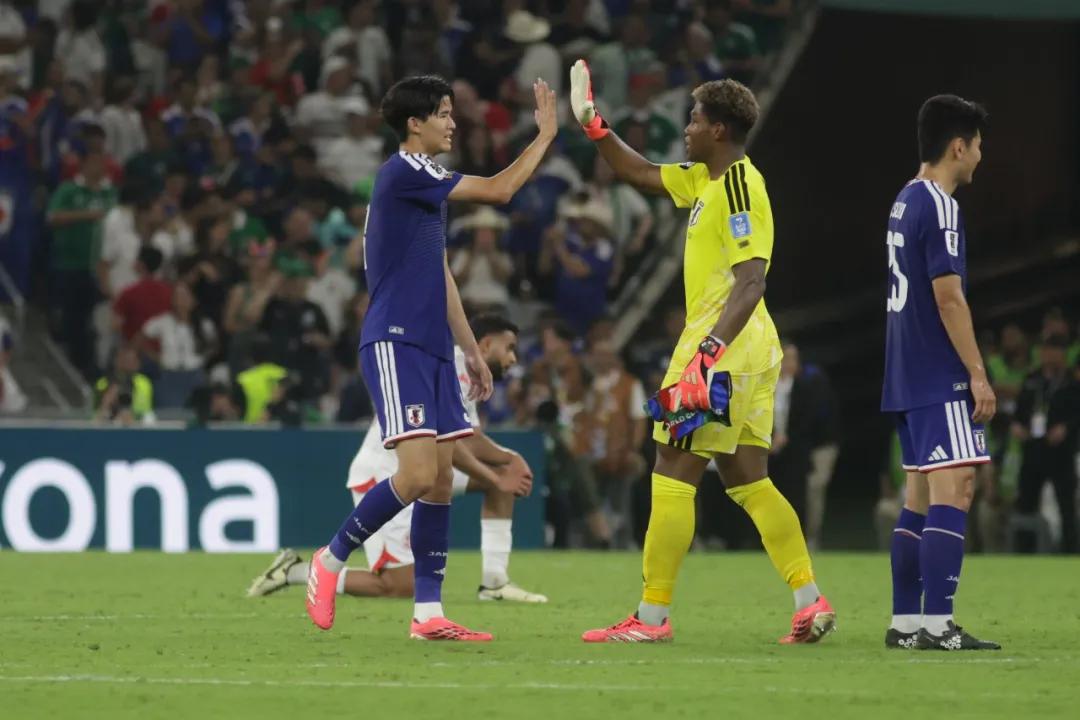
Take my younger self as an example: I'm 1.84 meters tall, and back when I played for Taishan, few players were shorter than me. Later, China's talent selection shifted toward speed and agility, but practice has shown that physicality remains the mainstream criterion. Several talented players from the 1993, 1995, and 1997 generations who had good skills but average physiques failed to reach their potential. Similarly, many players from Taishan's 1999 generation, whom I coached at Zibo Cuju, were limited by their physical attributes. Ji Shengpan, who has developed well, actually had decent physical qualities, especially his speed on the wing. For many young players, we could already predict their future struggles, but the system at the time was hard to change. Even Japan, which is often discussed, is now seeing improved physicality, taller players, and more mixed-race individuals. Several Japanese national youth teams have mixed-race players.

◆◆ Football: So, what should we focus on during the developmental process?
Hou Zhiqiang: Football is a physical sport and also a team sport. Once players have innate physical attributes, realizing those advantages depends on technique and tactical awareness.
These two are not contradictory. Back when Taishan had tall players, under coach Djuricić starting in 2004, those same tall players played attractive possession football. Therefore, in the training system, developing technical skills and tactical awareness becomes key. You certainly don't want a bunch of big, clumsy players on the pitch; you want strong, intelligent players.
One of the biggest misconceptions in China's youth development is that when we started favoring agile players, their basic technical skills actually became worse than those of older generations. And as we emphasized technical application in matches, the quality of our youth competitions declined.
For example, when I coached Zibo Cuju, several players from Taishan's 1999 generation didn't know how to defend. The reason was simple: as kids, they dominated opponents, only thinking about attacking without needing to defend, or even needing a systematic defense. As long as they were fast enough to counterattack, they were fine. For a while, I had to constantly correct their defensive positioning. Can such youth matches produce high-level footballers? Clearly not. That's why we once failed to qualify for the AFC U-19 and U-16 finals.
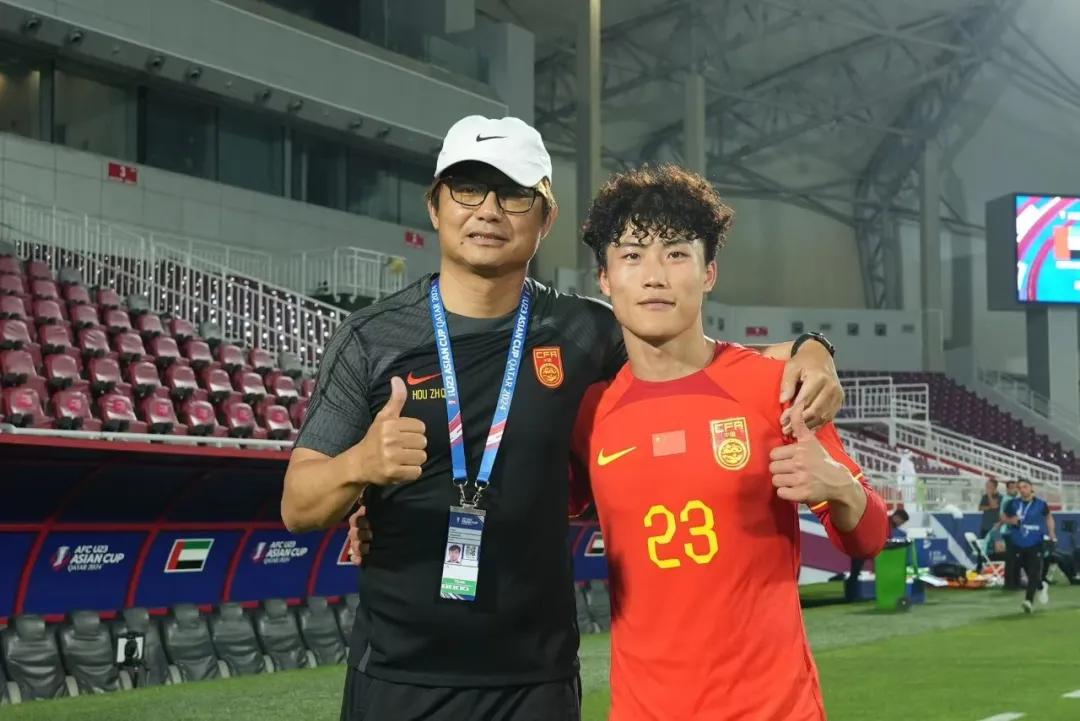
Youth coaches and senior team coaches are clearly different. Youth coaches need to focus on every aspect of a child's development, including providing a fair environment, exposure to multiple positions, and complex tactical scenarios, so that their physicality, technique, and tactical awareness grow together. Senior team coaches, under the pressure of results, focus more on maximizing strengths and minimizing weaknesses, while also needing sharp in-game management. Chinese football needs more excellent youth coaches. After going full circle, I'm now coaching senior teams but have also returned to youth development.
I started coaching the Qingdao Preschool Education College team last September. The players come from all backgrounds—track and field, basketball, martial arts—almost none had football experience. In less than a year, they've become one of the top teams in Qingdao's colleges. The secret is teaching them game ability. Another observation is that while children have a technical sensitive period, if they miss it, hard work later can still make up for it to some extent.
Hard work is crucial. Xie Wenneng has speed, awareness, and shooting, but he works extremely hard. Liu Yang and Wei Shihao are players with a strong desire for the game—that's the key to their success. Even with natural physical gifts, without hard work, they can be wasted. There are plenty of such examples.

◆◆ Football: Currently, there are two global trends: one is naturalization, as seen with some smaller World Cup participants; the other is overseas development, represented by Japan, Australia, and South Korea. What should Chinese football do?
Hou Zhiqiang: When I coached the Taishan 1995 age-group team, I took them on a training camp in Portugal. Honestly, the gains were significant. However, back in China, we found that the intensity and tempo of European youth football cannot be replicated domestically. There are only a few strong teams; most park the bus, offering some intensity but no tempo at all. Chinese players going abroad face many challenges. I've coached many players who went overseas, and they all talked about various difficulties adapting.
But we must participate in the global integration of football. I've noticed that national teams at all levels are actively going abroad for matches, including our return to the Toulon Tournament after seven years. Zhou Haibin also led a team to Italy for games. Domestically, international invitations are increasing. When conditions for overseas development aren't yet mature, we need to find every possible way to integrate.
Ultimately, the quality of domestic youth competitions must improve. Even if players go abroad, they need a foundation in physicality and tempo. What gives me comfort is that this trend is already emerging.

◆◆ Football: Can you elaborate on the current trends in Chinese youth football development, based on your experiences coaching at Luneng Football School, the U23 national team, and the 2011 age-group training camp?
Hou Zhiqiang: I was born in 1975 as a player. At Luneng Football School, I coached the 1989, 1993, and 1995 age groups. Later, I served as an assistant coach for the 2001 age-group U23 national team and participated in the 2011 age-group national training camp. Now, the 0533 Football Park is hosting a 2013 age-group elite invitational, gathering most of China's top U13 teams.
Spanning 40 years from playing to coaching, my feeling is clear: since the 2005 age group, the improvement in Chinese youth football has become increasingly evident. The recent results of national youth teams speak for themselves. When I attended the 2011 age-group training camp, I was amazed by the technical and game ability of those 13-14-year-olds. Now, in the 2013 age-group competition, the kids are even more impressive—good physicality, technique, and tactical awareness.
More importantly, for the 2011 and 2013 age groups, no single team dominates others. There are more and more closely matched teams. This brings a clear positive change: because teams are evenly matched, the competition is fiercer, transitions are more frequent, and more attacking-defending transitions demand higher technique and awareness. Kids have to think more on the pitch, so improvement is inevitable.
On this basis, our kids still need to go abroad more to experience higher intensity and faster transitions. But regardless, positive changes are already happening.
Currently, I work at Qingdao Preschool Education College. From this perspective, I feel the new generation of kids is fortunate. The state has established a comprehensive "6-3-1" primary-to-middle-to-high school articulation system, a "3+4" direct pathway, undergraduate football sports majors, secondary and higher vocational football sports and management programs, and other "3+2" direct pathways. In elite training, the support system for young football players is increasingly complete.
This means that in the future, more and more young people will participate in football, leading to fiercer competition. Among them, those who love the game more, have better physical attributes, more refined technique, and sharper minds will stand out. Elite players in European football are one in ten thousand. What we are building is exactly this competitive landscape.


Wonderfulshortvideo
yamal goal today raphinha goal today hattrick today adeyemi barcelona 7-2 racing santander highlights


🗣️ “As a group we can’t accept that, I can’t accept that”
Shea Lacey handing out advice to Benjamin Šeško 😅
messi new club news football today ronaldo new club owner
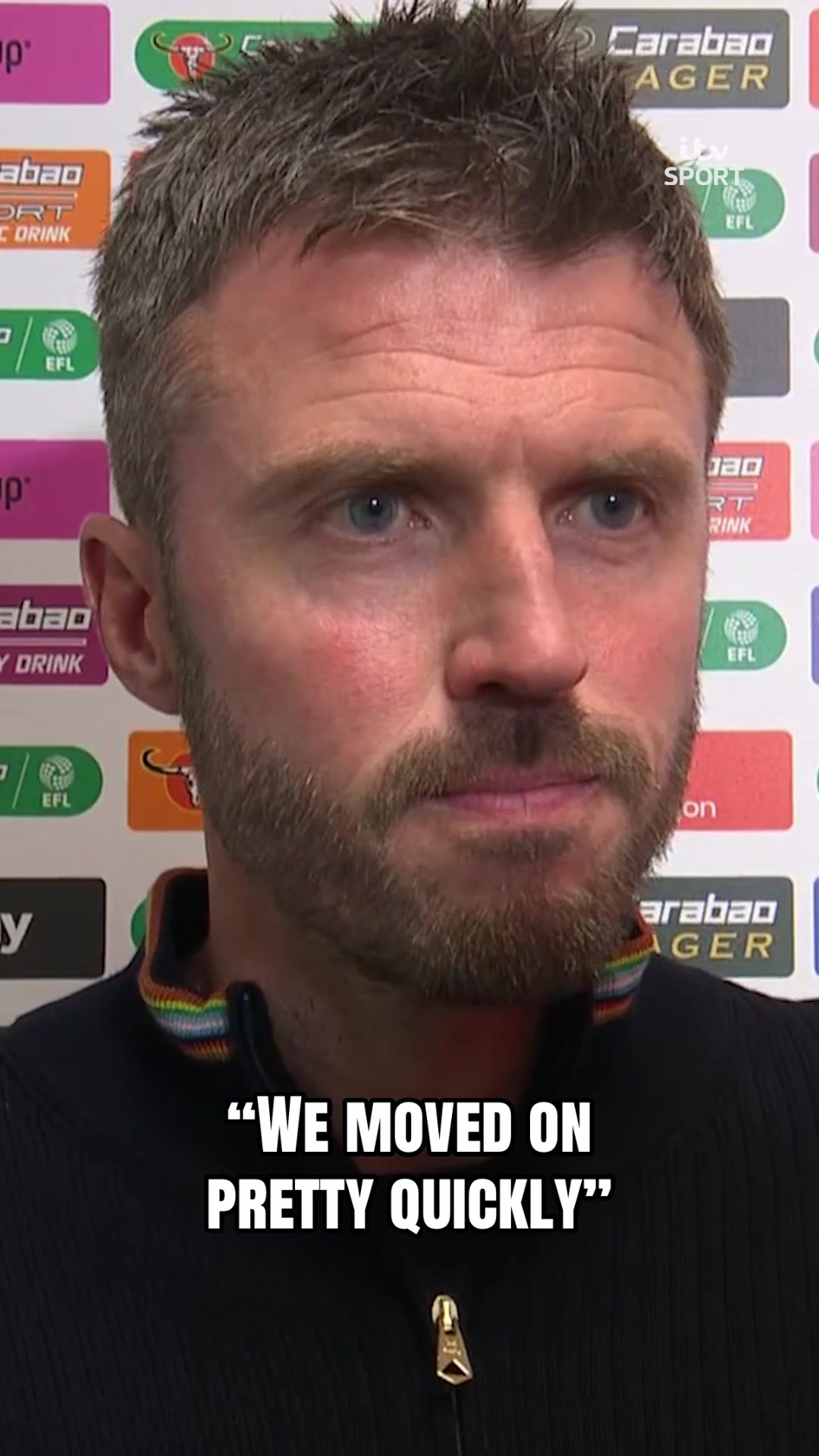
🗣️ Man Utd boss Michael Carrick responds after the controversial goal that settled the Manchester Derby last weekend
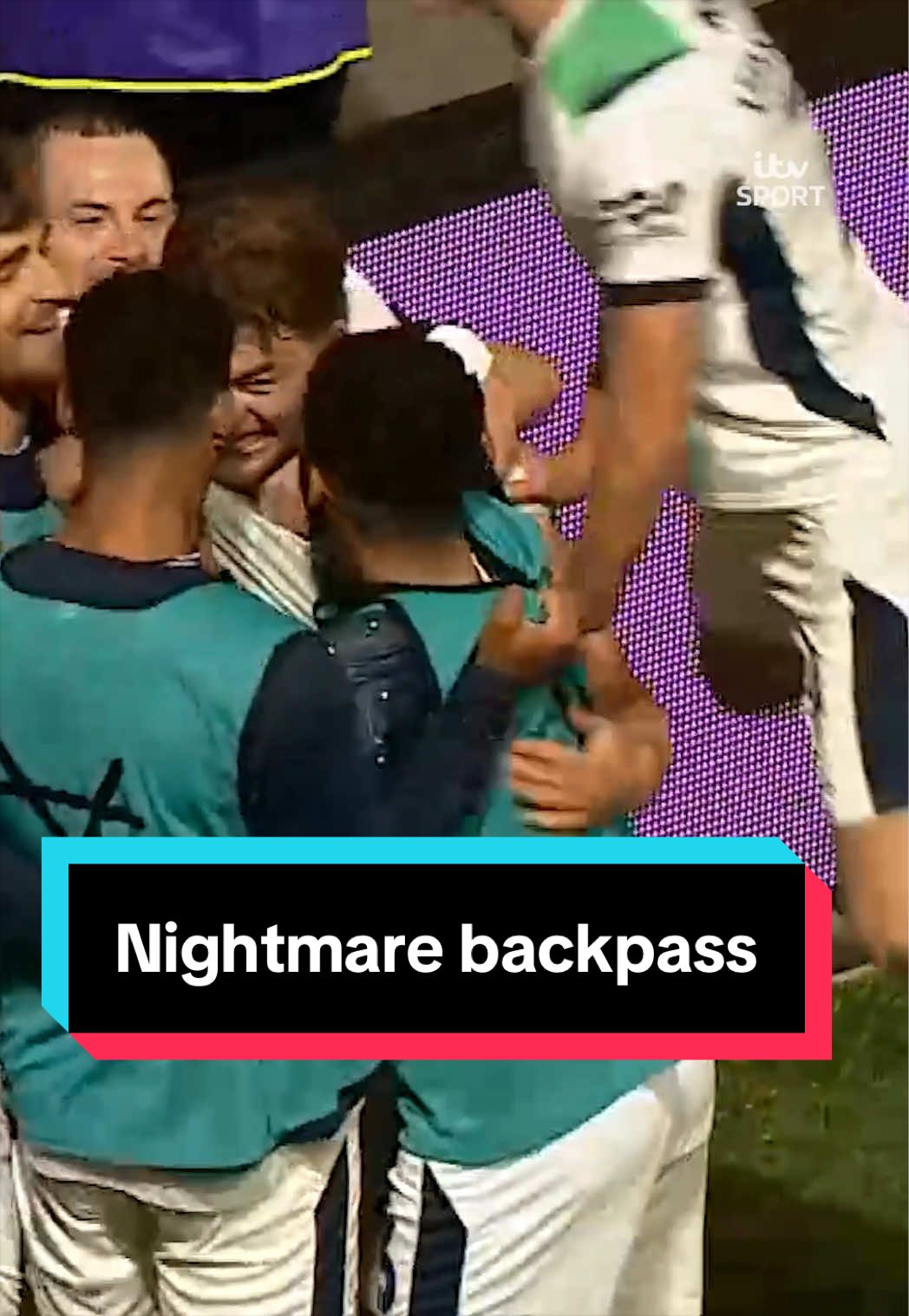
Now this backpass is every goalkeeper's 𝐰𝐨𝐫𝐬𝐭 𝐧𝐢𝐠𝐡𝐭𝐦𝐚𝐫𝐞 🫠
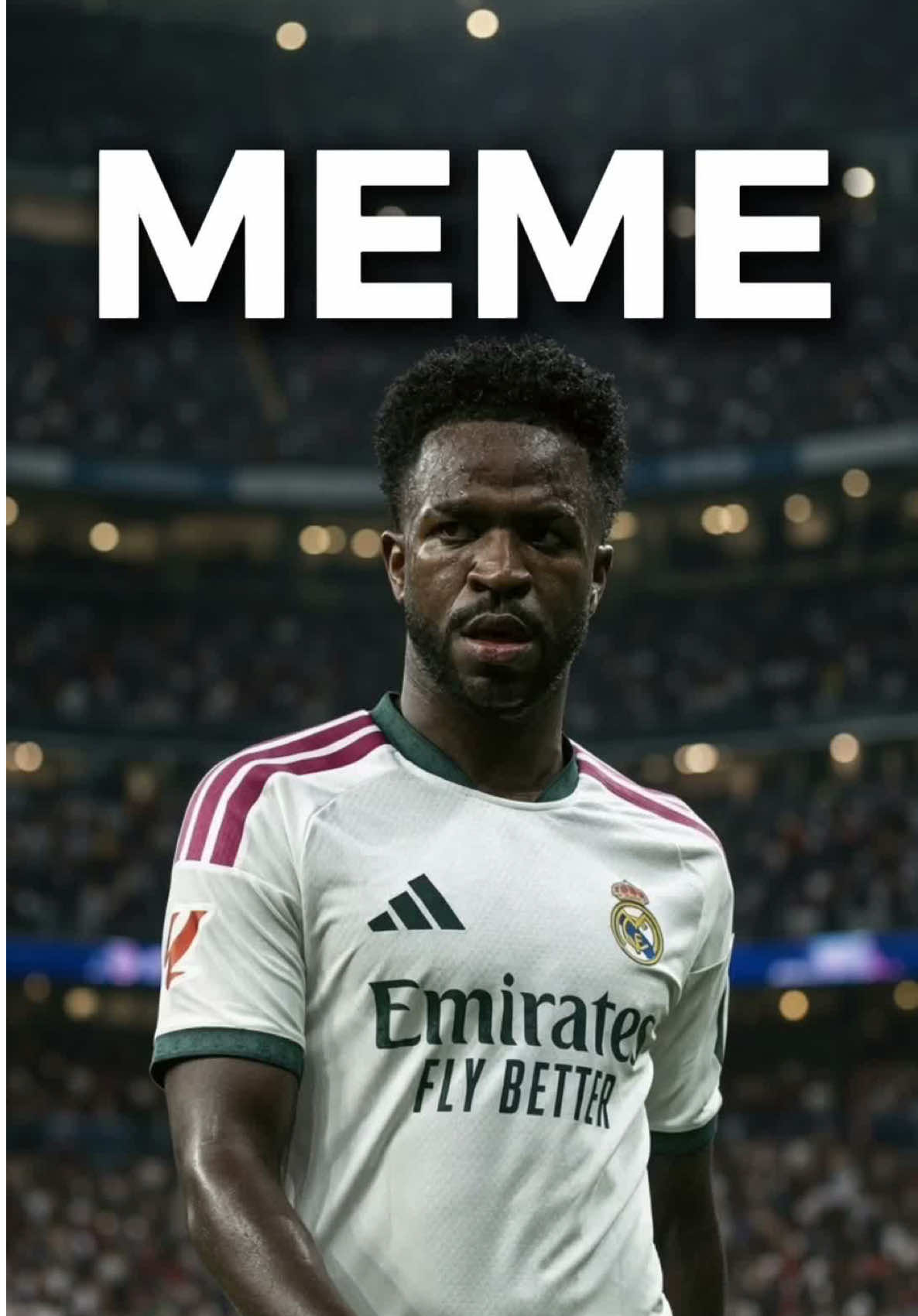
vinicius junior else vini jr today
 Links
Links
 Contact
 App
App


