



Vietnamese football embraces the spirit of the World Cup


At Bayfront Park in Miami, a woman is snapping a selfie in front of a giant screen showing a World Cup match. She wasn't aware that a match was taking place in the United States. She came along with friends out of curiosity, wanting to experience "the so-called World Cup" that everyone in the city is buzzing about. Obviously, she does not know that she is the most crucial spectator in the entire economic ecosystem of the FIFA Fan Festival.
It's not the die-hard soccer fans who bought tickets six months in advance. It's not the face-painted supporters standing in front of the screen three hours before kickoff. It's people like her—those who don't love sports but came because they were drawn by a different language: music, local food, community experiences, and the feeling of "being part of a major event." This is the golden principle behind the 2026 World Cup: a successful sports event is one where even non-sports fans want to join in.
This might be one of the most important lessons of the modern sports industry: a successful sports event isn't just for sports lovers. It sounds paradoxical, but it's the operating rule for top global sports products. According to expert Darin White from Samford University, "the front porch of the house is the first thing visitors see." Small, genuine interactions are helping build the image
During the 2026 World Cup held in the U.S., Canada, and Mexico, an interesting paradox emerged in many host cities. Tens of thousands of people flocked to Fan Fest zones, filling squares, parks, and public spaces to soak in the festive atmosphere. But not all of them were soccer fans. Many didn't have match tickets. Some didn't even follow soccer regularly.
FIFA statistics: The 2026 Fan Fest reached 2 million visitors just after the group stage. All 13 host cities offered free entry. Mexico City led with over 527,000 visitors, followed by Monterrey with 244,000 and Guadalajara with 218,000. In Atlanta, organizers had to extend operating days due to demand exceeding expectations. Philadelphia ran continuously for 39 days straight, from opening to the final.
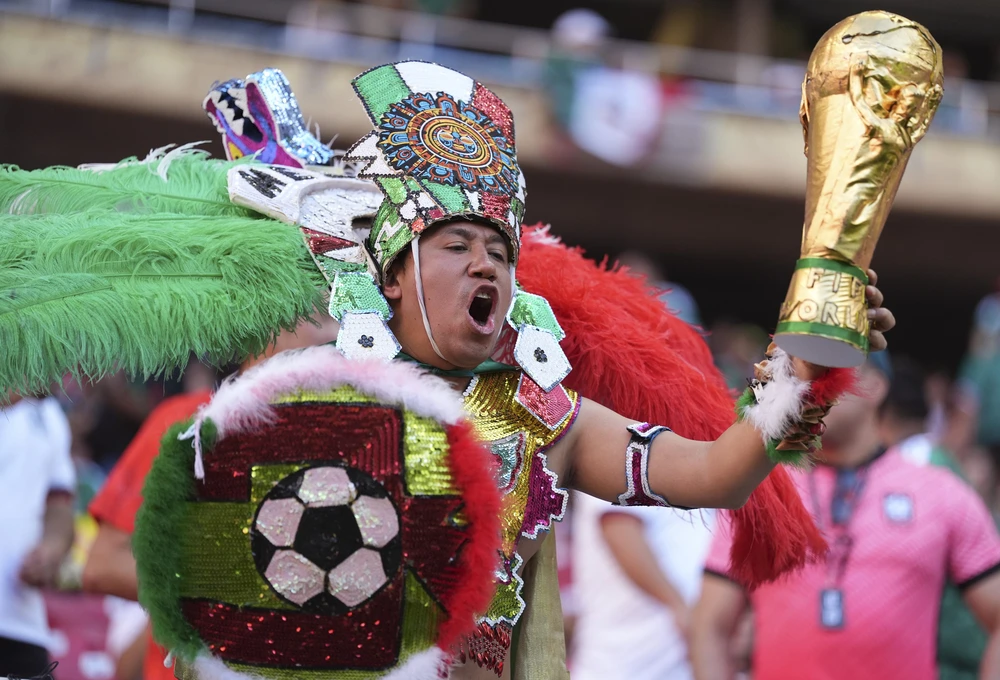
The 2026 World Cup operates on the principle of attracting the largest number of fans to join the soccer celebration. Photo: Xinhua/VNA
Those numbers didn't happen by chance. They are the result of a deliberate design process, dating back to the first Fan Fest in 2006 in Germany — which was then just outdoor screens. Two decades later, it has evolved into a complete experience product: music, local cuisine, interactive spaces. In marketing terms, FIFA "sells" a living experience. Soccer is just the excuse for people to show up.
It would be premature to think that what's happening at the Fan Fest — the 2026 World Cup — could simply be replicated in Vietnam. It's not just a matter of "copy & paste," especially for things that are already "technology." But the spirit behind that technology is something we need to learn and grasp. Especially when we are talking more and more about "sports economy" in Vietnam.
Take a small example. Many top international pickleball tournaments are being held in Vietnam. This is a "hot trend" sport, with many players and numerous tournaments. Yet the reality is that the number of spectators coming to watch top players from around the world and Vietnam compete still falls short of expectations. Some important matches draw crowds, but the average across the whole tournament is not stable.
Why is that? That question is for those involved and requires time to answer. The exact cause isn't important; the issue is whether we truly prioritize that detail. Do we genuinely see it as a "failure" in event organization and management, rather than trying to find excuses to cover it up? Because let's consider: if even a "hot" sport like pickleball struggles to bring spectators to the venue, how much harder would it be for other sports?
In that context, let's look at the V-League with a different perspective. The average attendance in recent V-League seasons is not impressive: around just above 5,000 spectators per match from 2021 to now. This is often seen as a sign of failure, but from a sports economy viewpoint, it's actually an asset. Though not meeting expectations, soccer still retains its fans. Small as it may be, it remains a measurable, analyzable audience — and more importantly, one that can be developed with the right strategy.
And that is precisely when those working in the "sports economy" will find their own lessons from the 2026 World Cup. Not through "copy & paste," but by embracing its spirit.


Wonderfulshortvideo
Ronaldo’s mentality 🔝


yamal goal today raphinha goal today hattrick today adeyemi barcelona 7-2 racing santander highlights
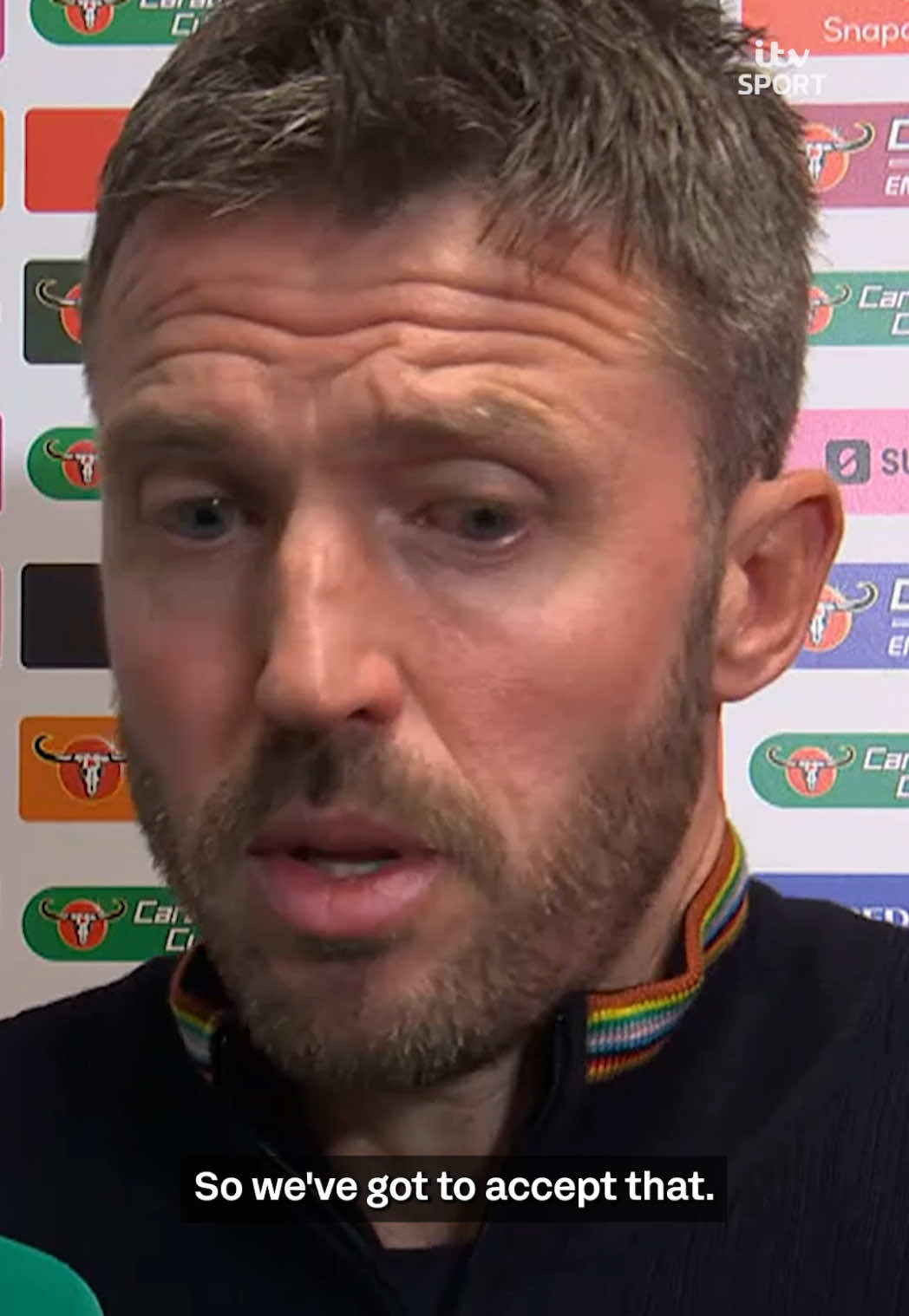
🗣️ “As a group we can’t accept that, I can’t accept that”
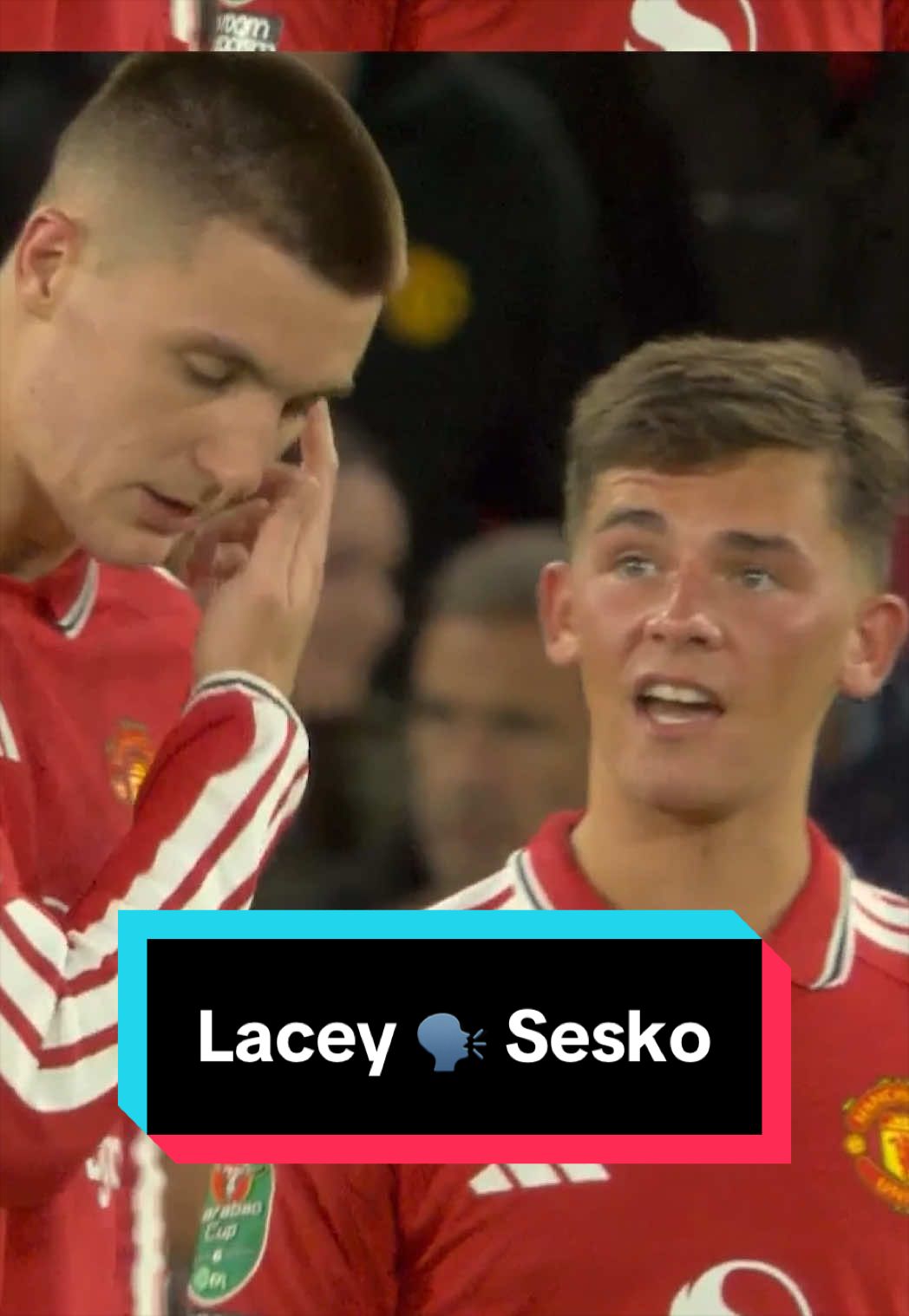
Shea Lacey handing out advice to Benjamin Šeško 😅

messi new club news football today ronaldo new club owner
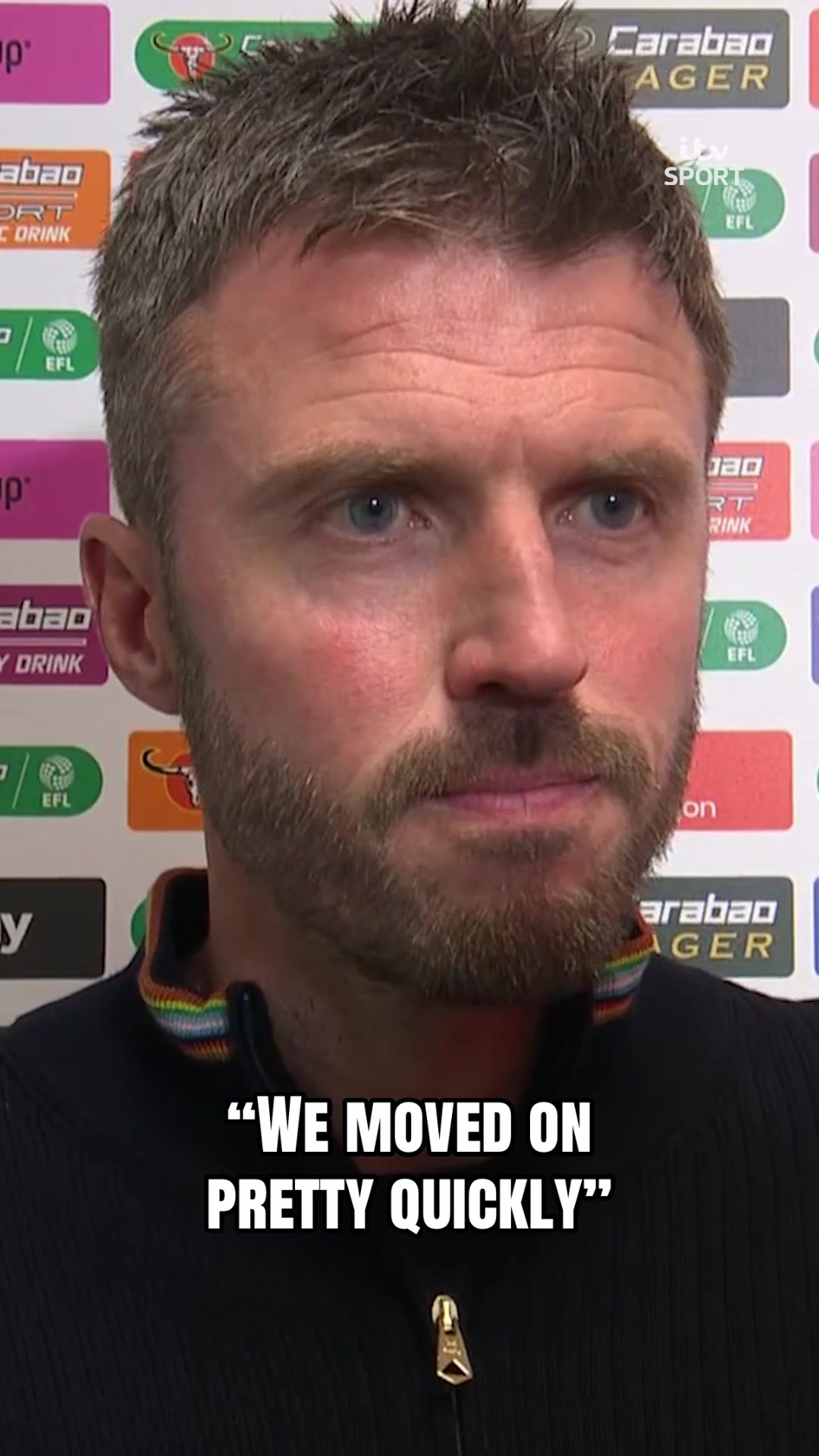
🗣️ Man Utd boss Michael Carrick responds after the controversial goal that settled the Manchester Derby last weekend
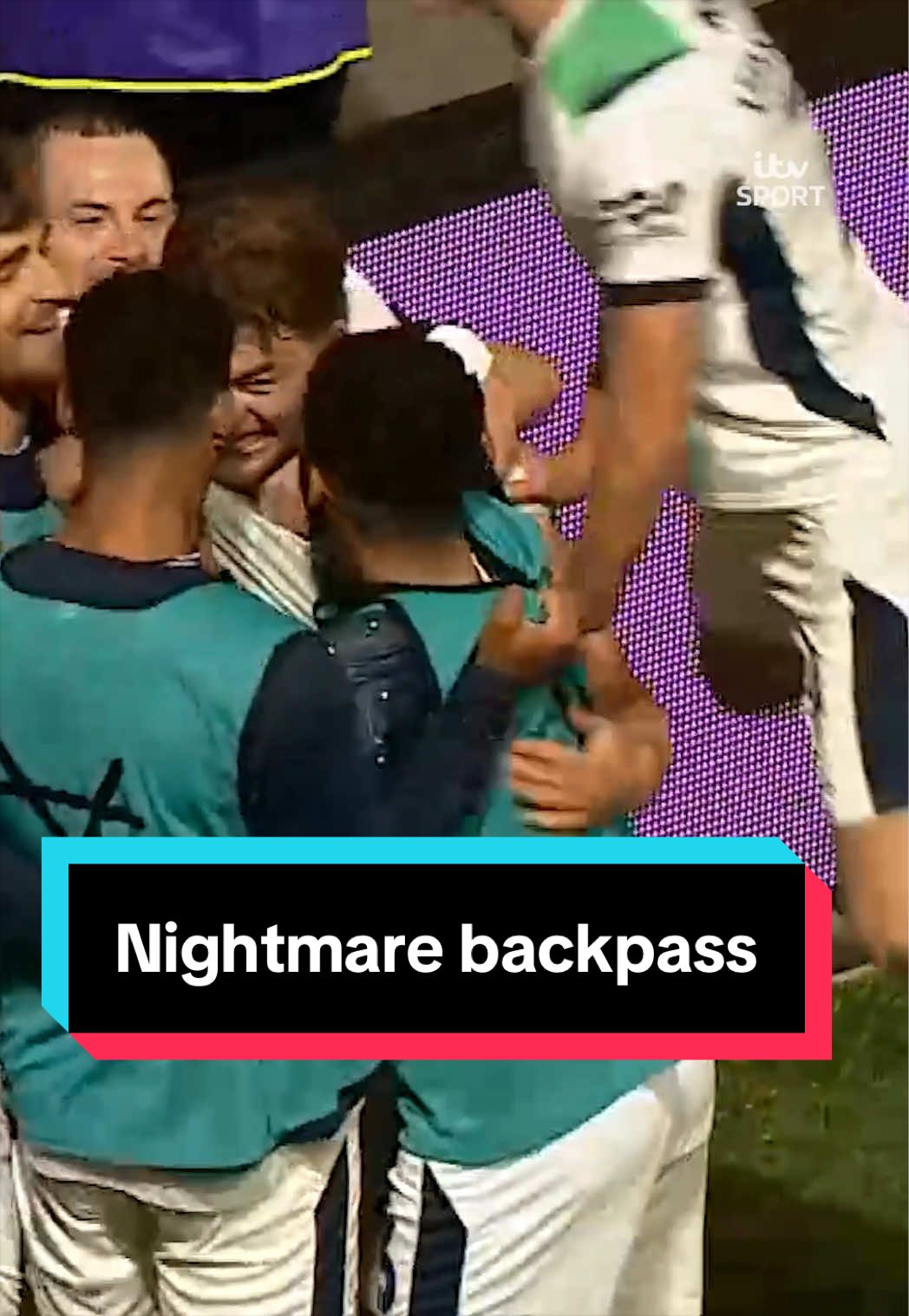
Now this backpass is every goalkeeper's 𝐰𝐨𝐫𝐬𝐭 𝐧𝐢𝐠𝐡𝐭𝐦𝐚𝐫𝐞 🫠
 Links
Links
 Contact
 App
App


