



The Vietnamese national team faces challenges during the training camp phase.



Coach Kim Sang Sik is grappling with the issue of the Vietnamese team's shortage of strong practice rivals, compelling the coaching staff to make the most of their two-week training camp in South Korea.
Vietnam's campaign to conquer the 2026 ASEAN Cup is entering a crucial preparation stage. The highlight of this gathering is the nearly two-week training trip in South Korea, the homeland of Coach Kim Sang Sik.
After returning, the Vietnamese team will play a friendly match against Myanmar in mid-July before officially stepping into the region's most important tournament. However, instead of facing quality opponents to sharpen their skills, Coach Kim Sang Sik and his players are dealing with the challenge of finding adequate "test opponents" to gauge their actual strength.
Although training in South Korea ensures excellent facilities and ideal climate conditions, the list of friendly opponents has raised concerns among experts. In modern football, statistics show that the intensity of high-quality friendly matches plays a decisive role in players' adaptability when entering official competitions. Spending most of the time on "dry training and internal scrimmages" to improve fitness may make players more enduring, but it lacks sharpness in real competitive situations.
Choosing Myanmar as the sole opponent for the final rehearsal before the 2026 ASEAN Cup is seen as a safe but uninspired choice. In recent years, Myanmar football has declined significantly and no longer holds the status of a once-troublesome team in Southeast Asia.
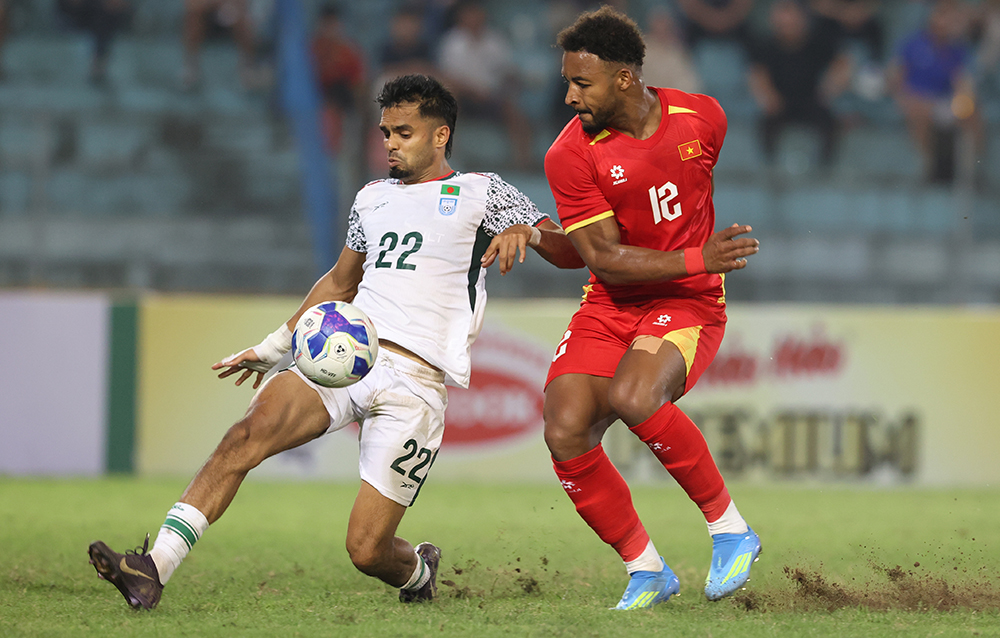
The Vietnamese team needs quality practice matches to complete their squad and tactics for the 2026 ASEAN Cup. Photo: Hoang Linh
For Coach Kim Sang Sik, a match against an inferior or equal opponent can hardly reveal all the weaknesses in defensive systems or the ability to transition quickly and effectively from defense to attack. This is a tricky problem because if they don't clash with teams that employ high-pressing or physically demanding playstyles, the Vietnamese team may easily fall into complacency or lose rhythm when facing championship contenders like Thailand or Indonesia in the official tournament.
Finding quality friendly opponents is not simply a matter of the coaching staff's wishes. Amid the surrounding difficulties, Coach Kim Sang Sik's adaptability and calculations during the preparation process are held in high expectation.
Rather than complaining about the quality of opponents, the South Korean coach seems focused on building internal cohesion. The training trip in South Korea will be an opportunity for him to deeply impart his football philosophy, establish a stable core, and refine tactical patterns in a closed environment.
It can be seen that at this moment, the ultimate goal of the Vietnamese team is to maximize existing resources. A cohesive, combative squad with strong physical fitness—the outcome of the secluded training and conditioning process in South Korea—is hoped to be the answer to the shortage of quality test opponents ahead of the major tournament.
Notably, a low-key preparation can sometimes be a strategic advantage. In history, Vietnamese football has witnessed periods of quiet preparation that yielded brilliant success due to the element of surprise. Keeping tactics hidden from regional rivals' observation could be a trump card that Coach Kim Sang Sik is quietly preparing.
With a training path focused on substance and physical conditioning, fans have every right to expect a cohesive and highly combative team entering the 2026 ASEAN Cup campaign. What matters now for Coach Kim Sang Sik is to optimize all available resources to build a squad capable of competing for the championship.


Wonderfulshortvideo

Ronaldo’s mentality 🔝


yamal goal today raphinha goal today hattrick today adeyemi barcelona 7-2 racing santander highlights
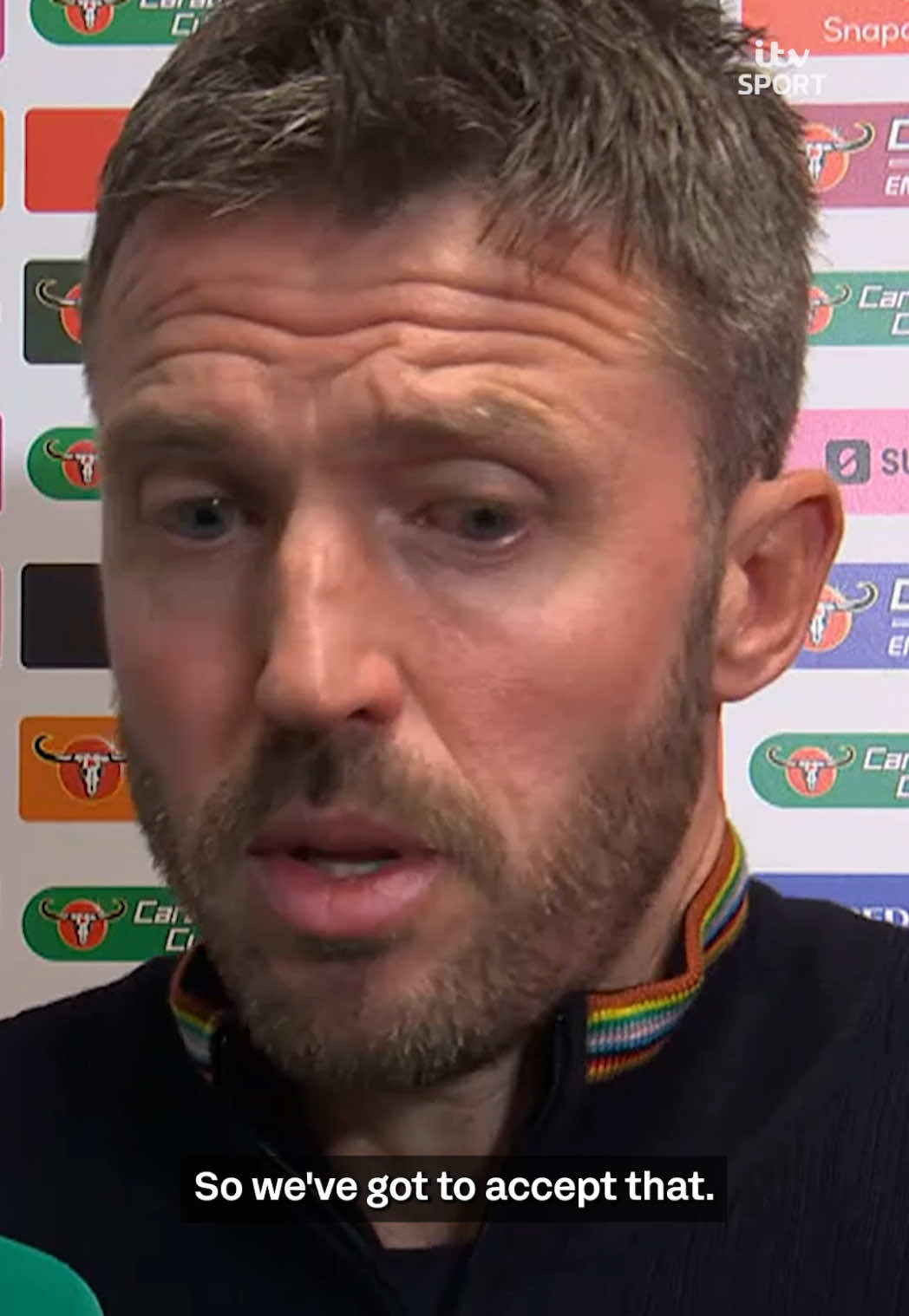
🗣️ “As a group we can’t accept that, I can’t accept that”

Shea Lacey handing out advice to Benjamin Šeško 😅

messi new club news football today ronaldo new club owner
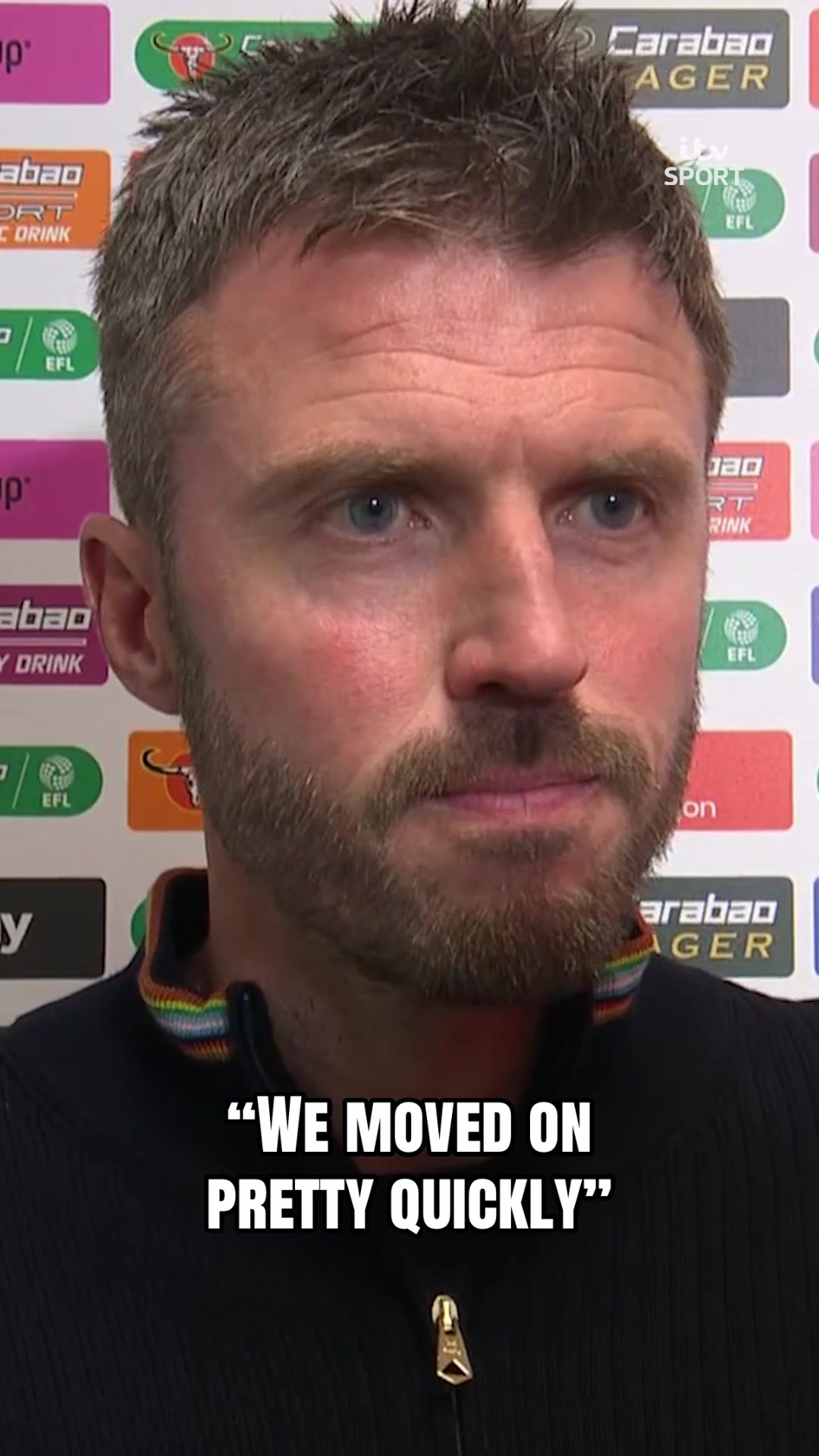
🗣️ Man Utd boss Michael Carrick responds after the controversial goal that settled the Manchester Derby last weekend

Now this backpass is every goalkeeper's 𝐰𝐨𝐫𝐬𝐭 𝐧𝐢𝐠𝐡𝐭𝐦𝐚𝐫𝐞 🫠
 Links
Links
 Contact
 App
App


