



'90-Second Economy' and the World Cup Beyond 90 Minutes



In January 2026, FIFA announced a deal that many in sports media called "the clearest signal about the future of the digital sports economy": TikTok became the first "Preferred Platform" in the history of a World Cup. Not Fox Sports. Not ESPN. Not YouTube. Instead, it was the short-video platform where the average user watches each clip for under 90 seconds.
A statement from James Stafford, Global Head of Content at TikTok, in a joint press release with FIFA, said it all: the FIFA World Cup 2026 will be experienced "beyond the 90 minutes," extending past the 90-minute match. Beyond a marketing slogan, it is the briefest description of a completely new economic model in sports.
According to a study by IBM and Morning Consult published in August 2025, as many as 90% of sports fans consume additional content outside the main match. Among them, highlight videos are the most popular format at 51% of users, followed by post-match recaps (37%) and player interviews (32%).
Put simply: for every person who watches the full 90-minute match, there is at least one other person who only watches a 90-second highlight and then decides whether to watch the next game. And that second person (according to TikTok) is actually a more important audience segment for market growth. Because they are fans who do not yet exist, not loyal viewers who already follow the sport.
The deal between FIFA and TikTok was designed around precisely that user group. Official rights holders (Fox, Telemundo, BBC, VTV...) are allowed to post short clips, livestream certain moments, and monetize advertising through the TikTok Premium system. TikTok also commits to implementing anti-piracy policies. Both sides benefit: FIFA expands its reach to younger audiences, while TikTok gains a source of legitimate content to monetize through advertising.
This can be seen as the most complete "tiered rights" model ever to appear in sports: the broadcast rights for the full match are held by Fox and its television partners, while the rights for short clips and social interaction belong to TikTok. Both sides exploit user data for different objectives. Nothing is given away for free; everything is priced and distributed intentionally.
In the past, a sports event was simply broadcast for viewers to watch. The signal traveled from the stadium to the TV screen and ended there. Revenue came from in-match advertising, following a one-way, one-time, non-accumulating model.

FIFA and TikTok delivered an impressive media collaboration at the 2026 World Cup
At the 2026 World Cup, a single match can generate multiple revenue streams simultaneously: traditional advertising, advertising on TikTok when users watch highlights, audience behavioral data monetized for brands, integrated sponsorship in companion programs, and subscription fees from streaming platforms that hold rights. Each revenue stream serves a different user group, on a different platform, and at different times of the day.
In the context of Vietnam's sports economy, this is exactly how to exploit "content assets"—a concept that domestic sports federations have not truly adopted.
In reality, Vietnamese sports federations all hold the image rights for tournaments within their systems. Counting only national-level competitions (athlete evaluation standards), each federation owns between three and five tournaments. Legally, these are directly protected assets.
But how are those assets being exploited? Most still rely on live television broadcasting—one-way, one-time. Some content leaks onto social media without control, including livestreams. There are no short clips intentionally produced for distribution on TikTok or YouTube Shorts. There is no mechanism allowing content creators to upload videos legally and share revenue. Nor is there data on who watched, for how long, on which device, and from where.
Without even discussing monetization or creating revenue streams, the questions "who to broadcast to, in what format, on which platform"—which FIFA has answered very clearly through contracts and data—have not been seriously posed in Vietnam for any sport outside football. And even for football, there are still many gaps.
The issue here is: among the many lessons to be learned from mega-sporting events like the World Cup, the story of rights and content exploitation models is the most relatable, and even starts from a position not far behind the rest of the world, especially in Vietnam's digital content market. Moreover, recording and broadcasting an event is far more difficult than creating products belonging to the "90-second economy."
And as we have seen, FIFA together with TikTok is providing a very clear "textbook." This is not a story about resources; it is a story about mindset. A mindset that regards every moment in a sporting event as an independently exploitable content unit. A mindset that clearly understands who the target users are and which platforms they are on. A mindset that always asks: "Who will watch this content, when, and why?" before hitting the upload, share, or livestream button.


Wonderfulshortvideo
Ronaldo’s mentality 🔝


yamal goal today raphinha goal today hattrick today adeyemi barcelona 7-2 racing santander highlights
🗣️ “As a group we can’t accept that, I can’t accept that”
Shea Lacey handing out advice to Benjamin Šeško 😅
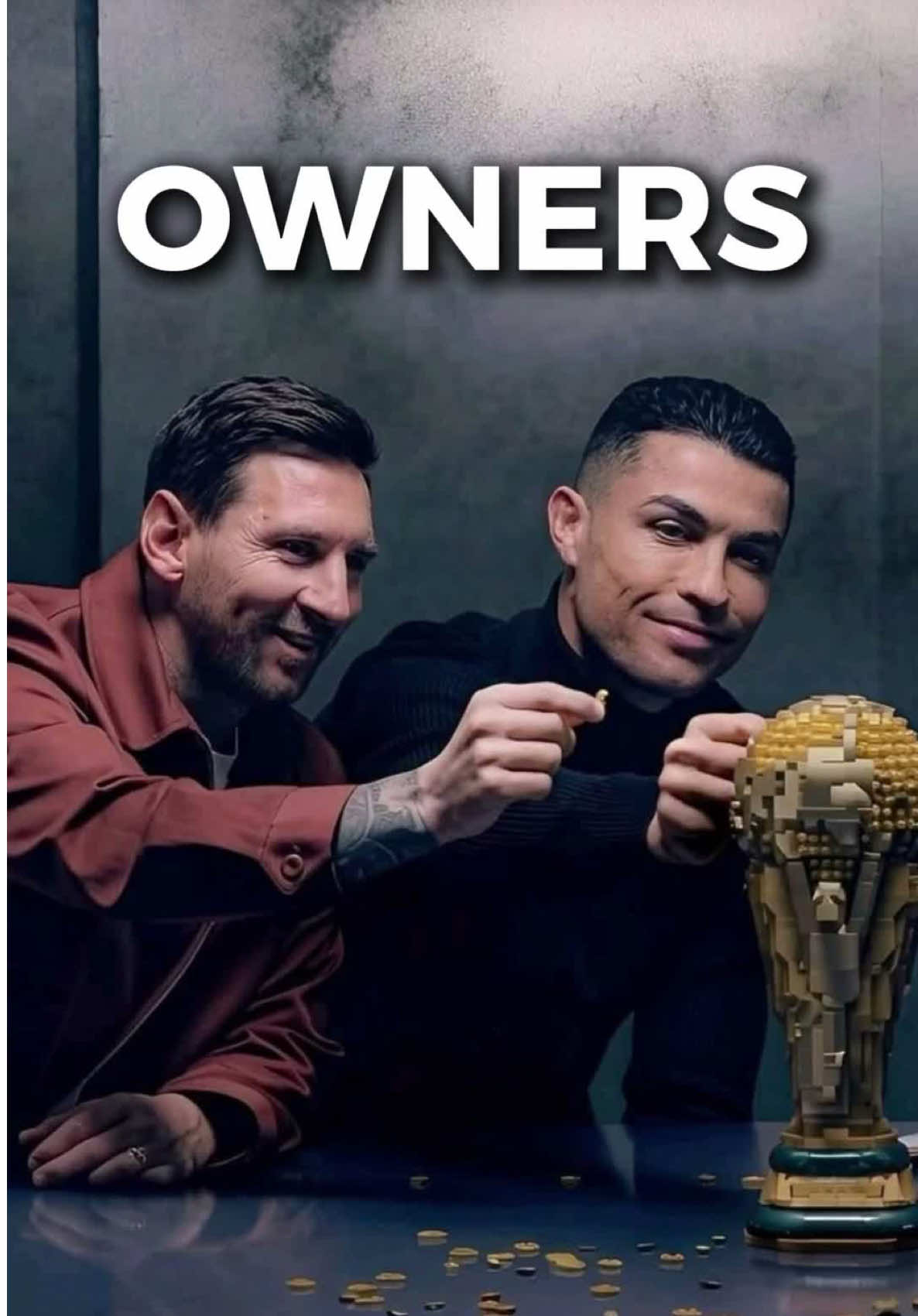
messi new club news football today ronaldo new club owner
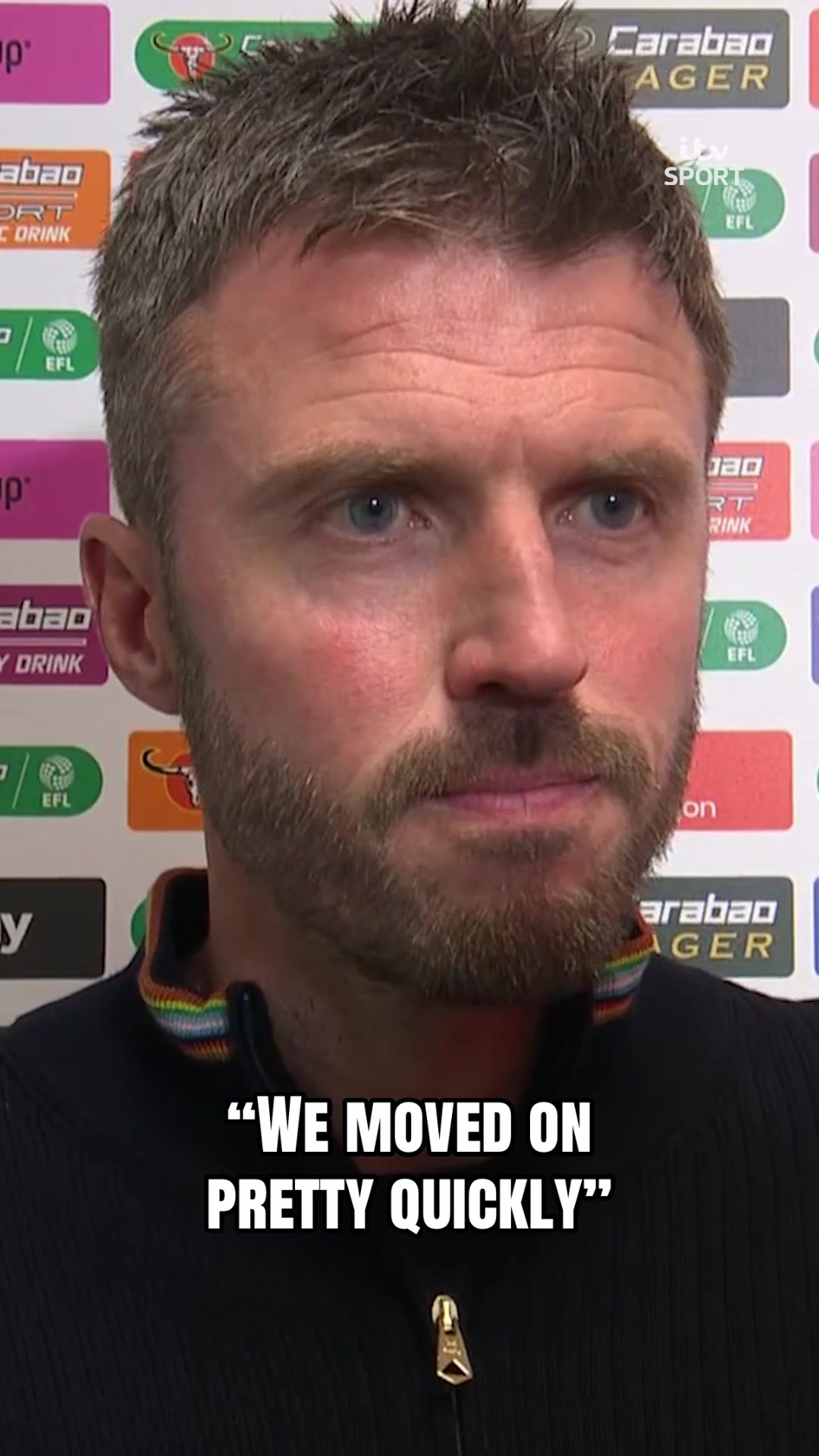
🗣️ Man Utd boss Michael Carrick responds after the controversial goal that settled the Manchester Derby last weekend
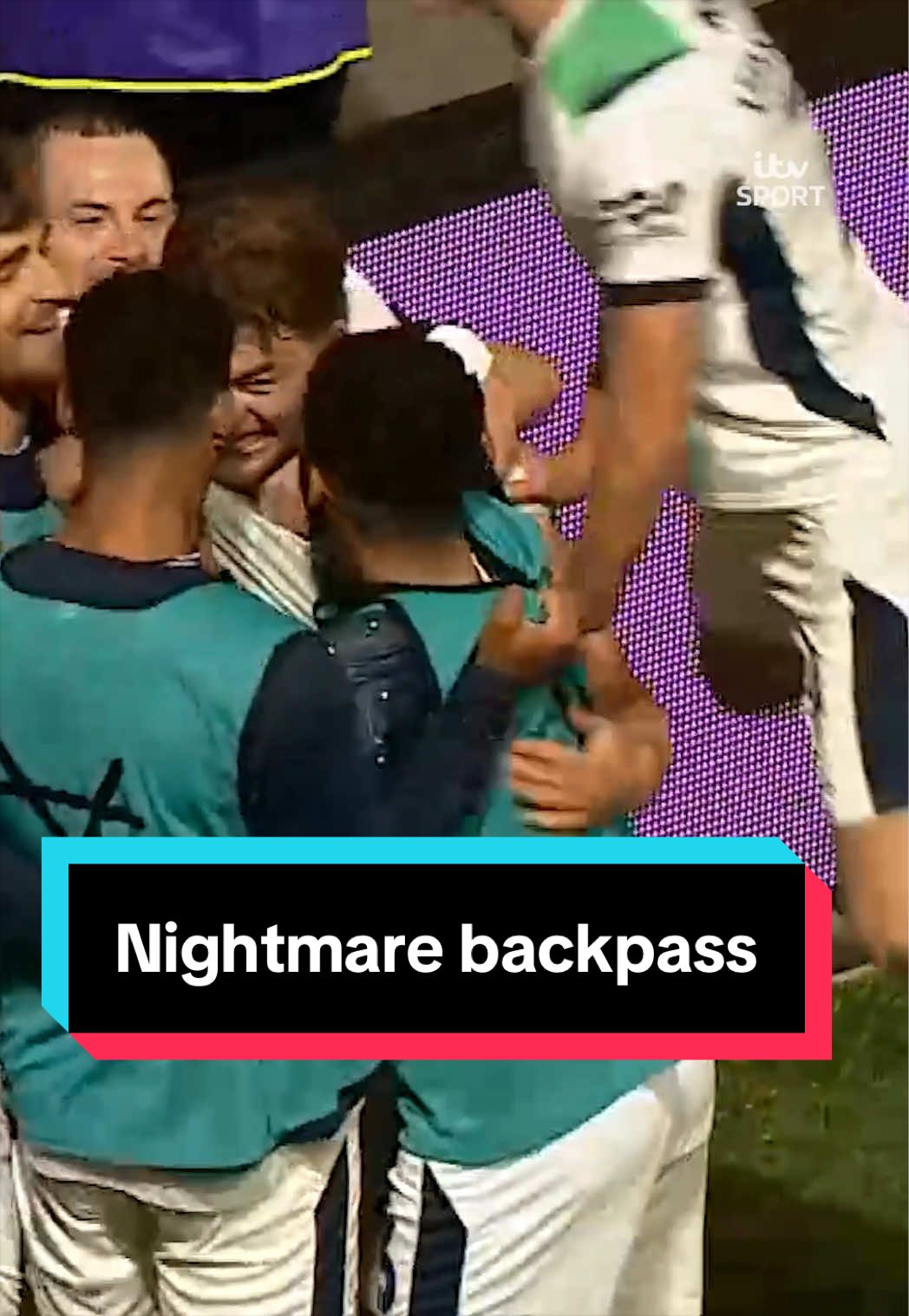
Now this backpass is every goalkeeper's 𝐰𝐨𝐫𝐬𝐭 𝐧𝐢𝐠𝐡𝐭𝐦𝐚𝐫𝐞 🫠
 Links
Links
 Contact
 App
App


