



While the International Federation of Football (FIFA) asserts that halftime breaks for water replenishment are intended to protect players' health, many national team coaches have been using this time as a "golden opportunity" to adjust tactics and change the course of the match. {[:1]} French forward Kylian Mbappe (right) celebrates with coach Didier Deschamps after scoring the opening goal for his team in the match against Sweden at the New Jersey stadium (USA) on June 30, 2026. Illustration photo: THX/TTXVN {[:2]} A reporter for the Vietnam News Agency (TTXVN) in Europe cited new regulations, stating that matches are essentially divided into four quarters, each lasting about 22 minutes, with short breaks between quarters. French coach Didier Deschamps believes this change benefits the coaching staff, as even a few minutes of break can help turn the game around. However, he admits that teams currently dominating the field usually do not want these stoppages. {[:3]} Portugal coach Roberto Martinez also emphasized that within just about 3 minutes of break, teams can make important tactical adjustments, thereby changing their approach to the match. {[:4]} In a pre-tournament friendly against Senegal, US coach Mauricio Pochettino had his players gather to watch video analysis on the field during the break, instead of just receiving verbal instructions. This is an increasingly common trend in modern football, where visual data is directly used for tactical adjustments during the match. {[:5]} In practice, some matches have shown the clear effectiveness of adjustments made during the break. In a 4-1 victory over Bosnia & Herzegovina, Swiss coach Murat Yakin made a series of personnel changes immediately after the halftime break, bringing in high-speed attacking players, which created a significant difference in the second half. {[:6]} <iframe src="https://www.googletagmanager.com/ns.html?id=GTM-W854LW6F"height="0" width="0" ></iframe> {[:7]} After the match, Yakin stated that the adjustments made before the opponent could adapt provided a clear tactical advantage, allowing the team to exploit space on the flanks and create more opportunities. Previously, Switzerland struggled against the opponent's tight pressing and blocking of the top line. {[:8]} Argentina coach Lionel Scaloni acknowledges that the breaks can benefit weaker teams by giving them more time to adjust, but also admits that strong teams can similarly use this time to correct mistakes. He believes that adapting to the new match structure is a significant challenge for the 2026 World Cup. {[:9]}</think>


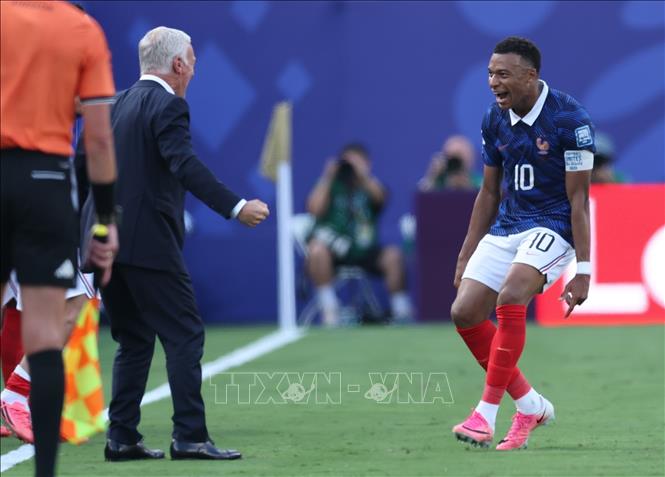
A VNA correspondent in Europe cited new regulations, stating that fundamentally, matches are divided into 4 halves, each lasting about 22 minutes, with short breaks in between. French coach Didier Deschamps considers this a beneficial change for the coaching staff, as a few minutes of rest can help turn the game around. However, he admitted that a team dominating the field usually does not want these stoppages.
Portugal coach Roberto Martinez also emphasized that within just about 3 minutes of rest, teams can make crucial tactical adjustments, thereby changing their approach to the match.
In a pre-tournament friendly against Senegal, US coach Mauricio Pochettino had his players gather to watch video analysis on the field during the break, instead of just receiving verbal instructions. This is an increasingly common trend in modern football, where visual data is directly incorporated into mid-game tactical adjustments.
The effectiveness of these in-game adjustments has been clearly demonstrated in some matches. In a 4-1 victory over Bosnia & Herzegovina, Swiss coach Murat Yakin made a series of substitutions immediately after the mid-half break, bringing in high-speed attacking players, which created a significant difference in the second half.
After the match, Yakin stated that adjusting while the opponent was still adapting provided a clear tactical advantage, allowing his team to exploit space on the flanks and create more opportunities. Prior to that, Switzerland had struggled against the opponent's pressing and blockade of the forward line.
Argentina coach Lionel Scaloni views the breaks as potentially beneficial for underdogs by giving them more time to adjust, but also acknowledges that strong teams can similarly use them to correct mistakes. He believes adapting to the new match structure is a significant challenge for the 2026 World Cup.


Wonderfulshortvideo

Shea Lacey handing out advice to Benjamin Šeško 😅



messi new club news football today ronaldo new club owner
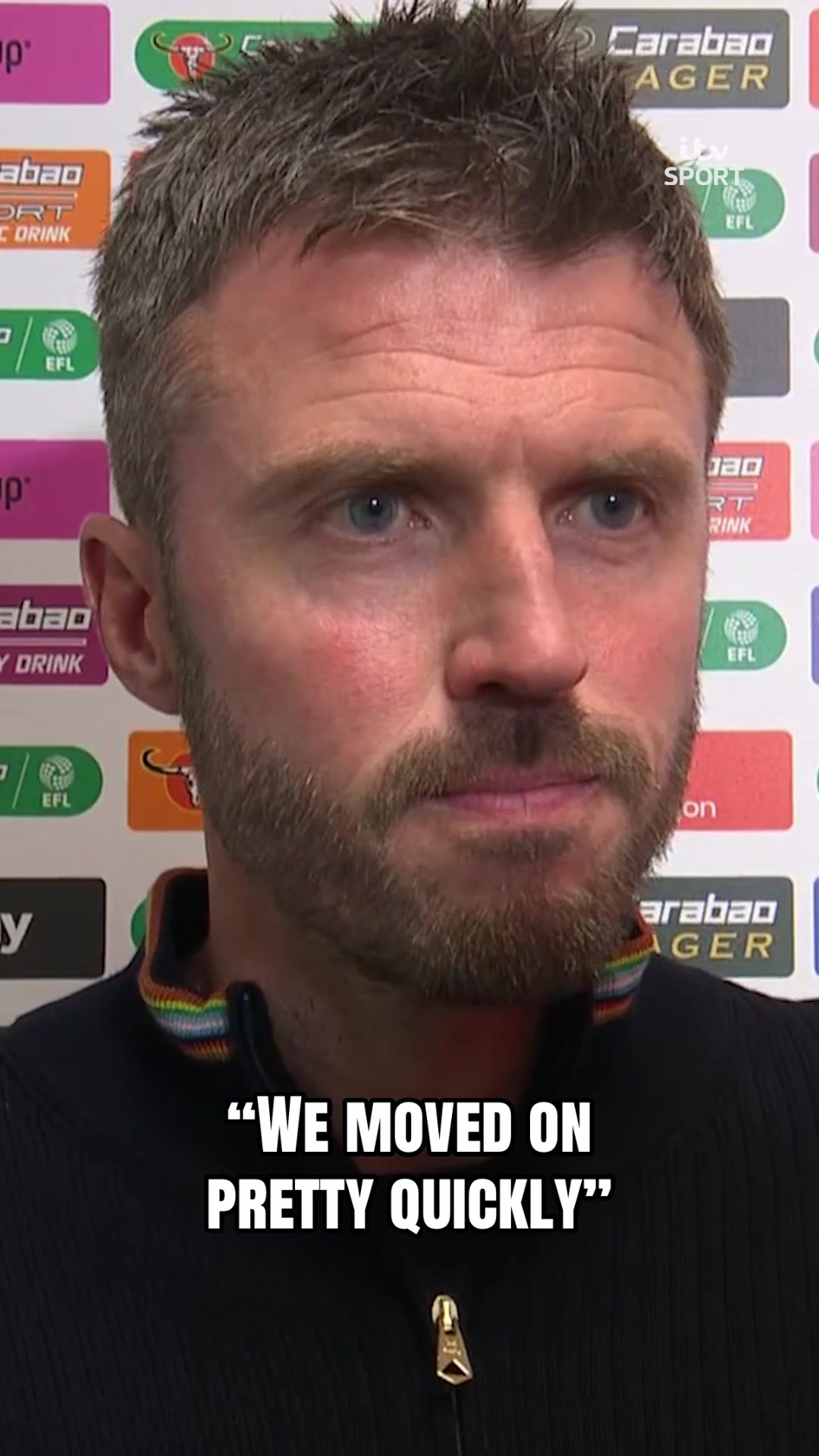
🗣️ Man Utd boss Michael Carrick responds after the controversial goal that settled the Manchester Derby last weekend
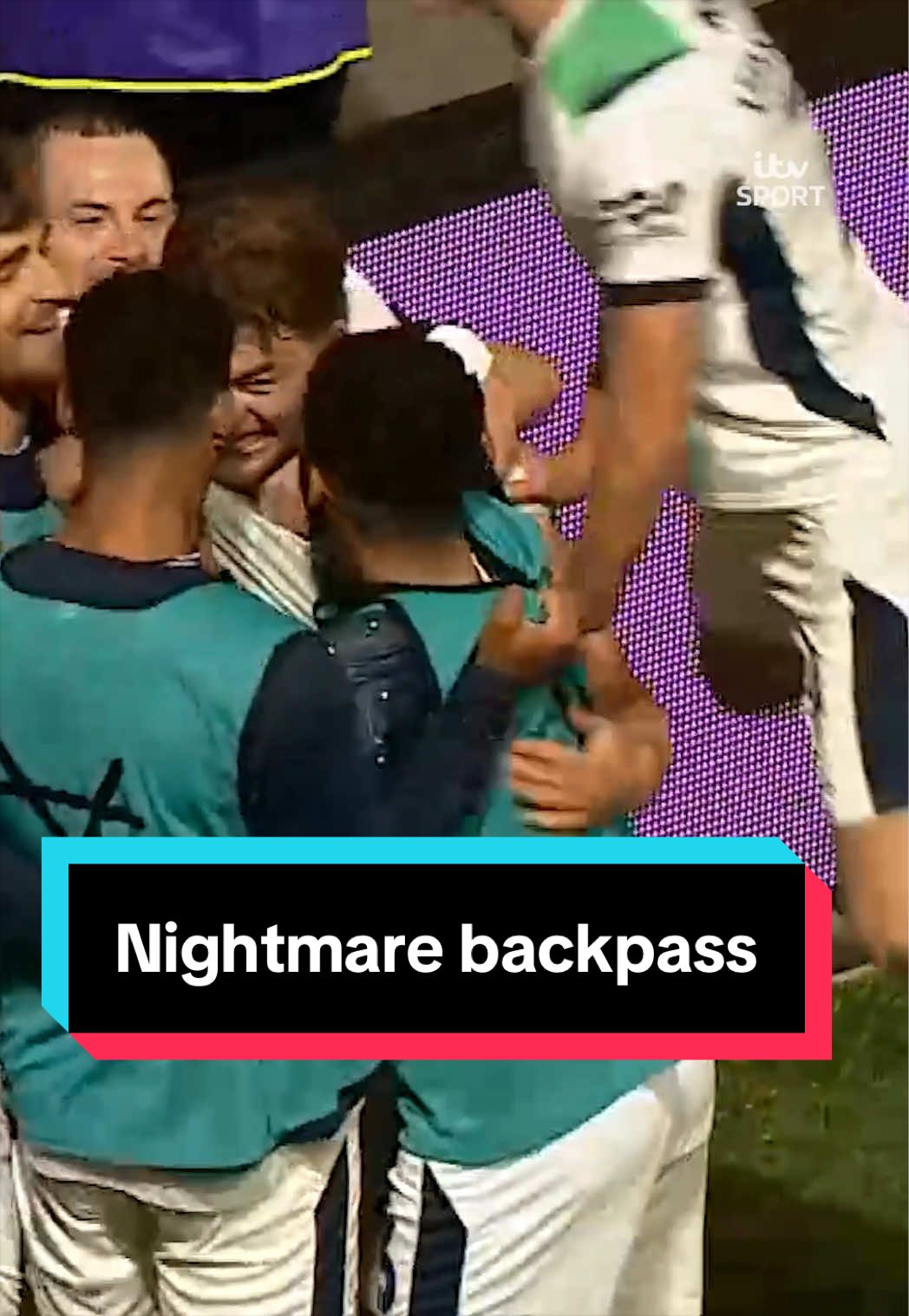
Now this backpass is every goalkeeper's 𝐰𝐨𝐫𝐬𝐭 𝐧𝐢𝐠𝐡𝐭𝐦𝐚𝐫𝐞 🫠

vinicius junior else vini jr today
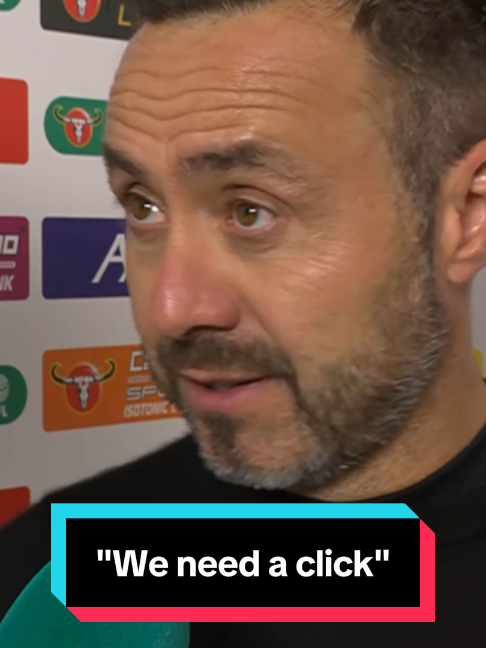
🗣️ “I’ve won games playing much worse than today”

ballon d'or lamine yamal mbappe interview press conference ballon d'or winner france football edit
 Links
Links
 Contact
 App
App


