



World Cup 2026: The Secret to Messi’s Continued Dominance in the Tournament


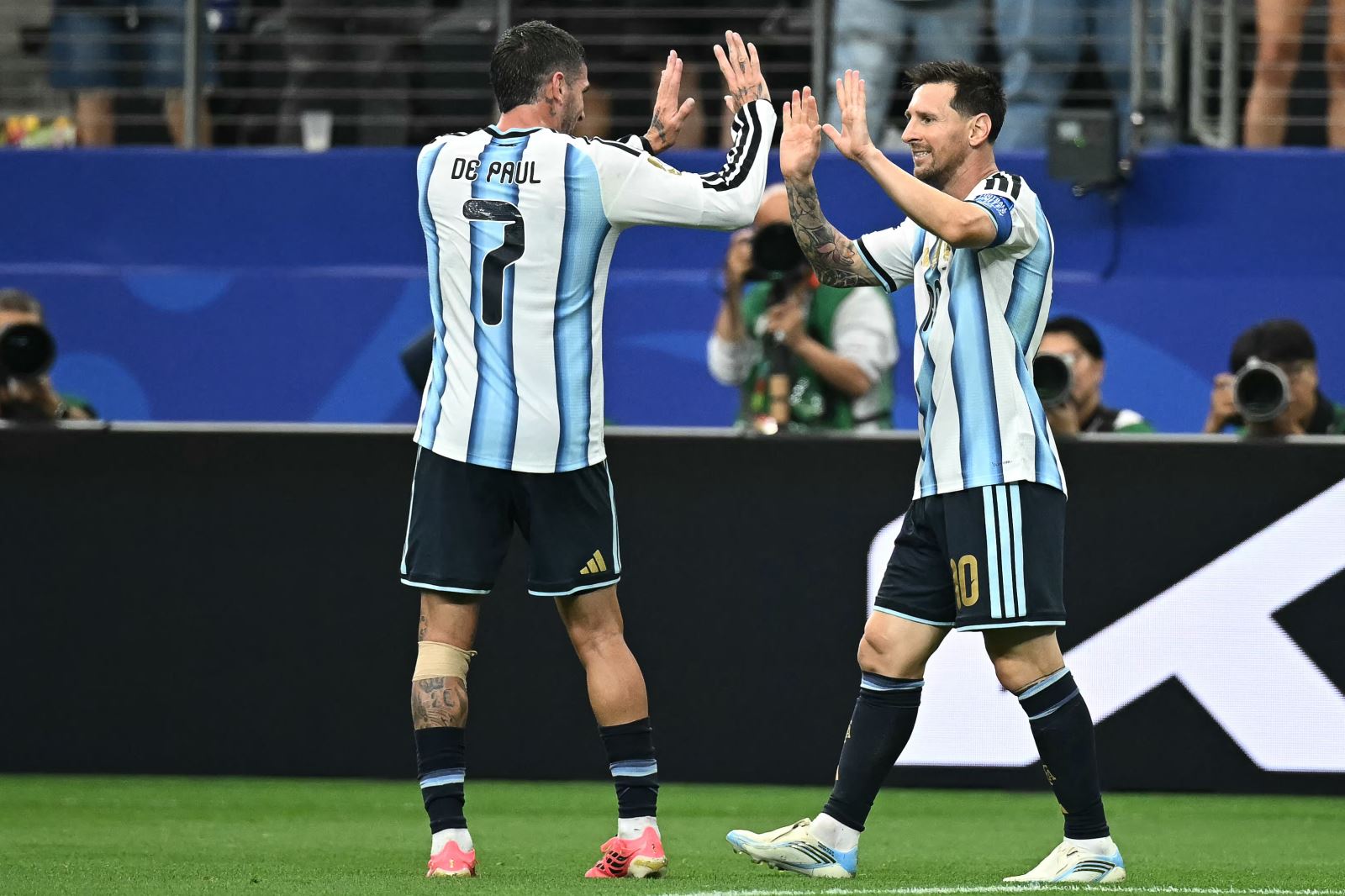
However, the paradox is that the 2026 World Cup is still witnessing Messi as one of the tournament's most dangerous players. The Argentina captain currently has six goals, tying with Kylian Mbappé in the Golden Boot race, and remains the focal point of the defending champions' attack in every offensive plan.
Thus, the question is not just how a 39-year-old player, with a physique and physical foundation that are not particularly outstanding, can still dominate a World Cup. Perhaps the more accurate question is: have we been misjudging the nature of greatness in football?
For many years, the image of a top athlete has often been associated with very visible standards: tall, strong, enduring, and explosively fast. Judging by these criteria, Messi was almost an "exception" from the start. But football, after all, has never been just a contest of physical attributes. Legend Johan Cruyff recognized this decades ago. He once said: "Sports journalists often confuse speed with vision. If I start running a little earlier than others, I will appear faster." In other words, the difference-maker is not always having faster legs, but a brain that sees the situation earlier. Messi is the clearest testament to this truth.
If you watch closely, what makes Messi special is not just in the moment he has the ball, but in the seconds before it. When the ball is far away, his head is rarely still: glancing over his left shoulder, looking to his right, lifting his head to observe teammates, then turning back towards the ball. This sequence of movements might seem ordinary at first glance, but it is actually Messi's process of continuously collecting data about everything around him.
By the time the ball reaches his feet, Messi almost already knows who is where, which space is about to open up, which defender is preparing to close in, and what the best option is. At that point, controlling the first touch, turning, or unleashing a pass that tears through the defense is just the final part of a process that has already been processed beforehand. The hardest part – reading the game – actually happens before he even touches the ball. It is not just intuitive perception; it has been measured by sports science.
For over a decade, Professor Geir Jordet – a sports psychology expert at the Norwegian School of Sport Sciences – and his colleagues have studied how players gather information before receiving the ball. The research team attached motion sensors to the back of players' heads, from youth to professional levels, to record the frequency and range of their head turns when scanning the field during matches.
The question posed was very simple: how much do players look around before the ball reaches them, and does it actually make a difference? The results showed a very clear correlation. Players who scanned more frequently in the seconds before receiving the ball tended to make faster decisions, turn forward more often, make fewer safe backward passes, and were more likely to create impactful passes. In short, the amount of information they gather before receiving the ball significantly determines the quality of their subsequent actions.
According to Professor Jordet's research, this scanning process has two levels. The first level is orientation: looking at the overall picture to know where teammates, opponents, spaces, and threats are located. The second level is detailed determination: observing more closely at a later stage to prepare for a specific action, like turning, escaping pressure, or making a decisive pass. The orientation phase usually occurs when the ball is still far away – a moment easily overlooked because nothing "heated" is happening yet. But it is precisely the foundation for every high-level play. A player cannot pass into space if he hasn't already recognized that space exists. And this is where Messi stands out above the rest.
Messi has never dominated football through brute force. He wins by gaining time against his opponents. He sees the problem earlier, understands the game's flow sooner, and thus processes things faster. Therefore, Messi slowing down over time does not mean he becomes less dangerous. Simply because Messi has never relied on sprint races. He uses his ability to read the game to position himself where he doesn't need to race.
Of course, scanning is not the whole story. Technique, experience, finishing ability, spatial awareness, and chemistry with teammates all contribute to making Messi who he is. But without that cognitive foundation – the ability to scan the field, process information, and anticipate developments – the other qualities can hardly be fully utilized.
From Messi, modern football can draw a very thought-provoking lesson: on-field awareness is not a mystical ability reserved for geniuses, but a skill that can be trained. This is also why coaches constantly remind young players to "look over your shoulder," "scan the space," or "lift your head before receiving the ball." Scientific data now shows that these habits truly make a difference.
Teams have spent a century molding players in the gym, improving muscles, speed, and endurance. But perhaps they have not yet spent enough time training what Messi possesses to an almost perfect degree: the ability to see the game before it unfolds.
So, if anyone still wonders why a 39-year-old, 1.70m tall player, no longer in his prime, can still dominate a World Cup, perhaps the answer lies not in his legs. Look at Messi's head. Because in football, greatness does not always reside in muscles or speed. Sometimes, it lies in the ability to see what the rest of the pitch has yet to notice.


Wonderfulshortvideo
Now this backpass is every goalkeeper's 𝐰𝐨𝐫𝐬𝐭 𝐧𝐢𝐠𝐡𝐭𝐦𝐚𝐫𝐞 🫠


vinicius junior else vini jr today
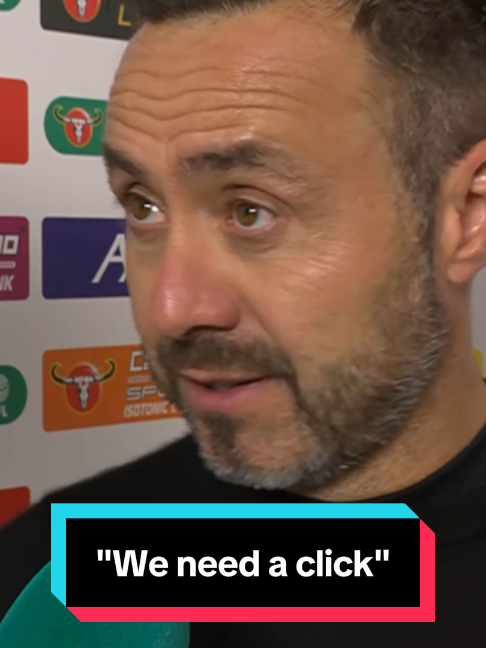
🗣️ “I’ve won games playing much worse than today”
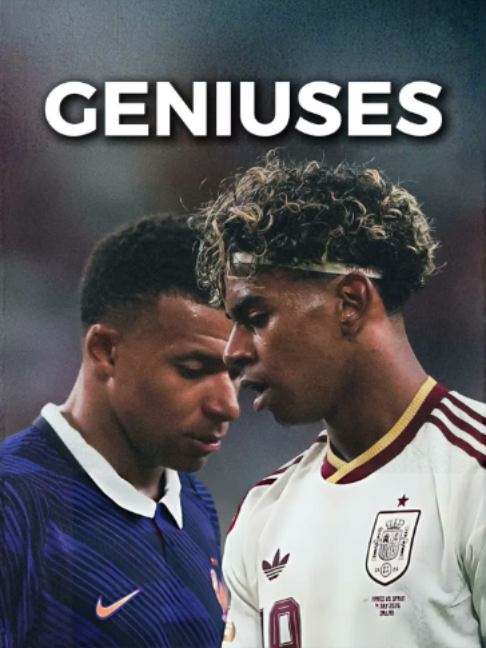
ballon d'or lamine yamal mbappe interview press conference ballon d'or winner france football edit
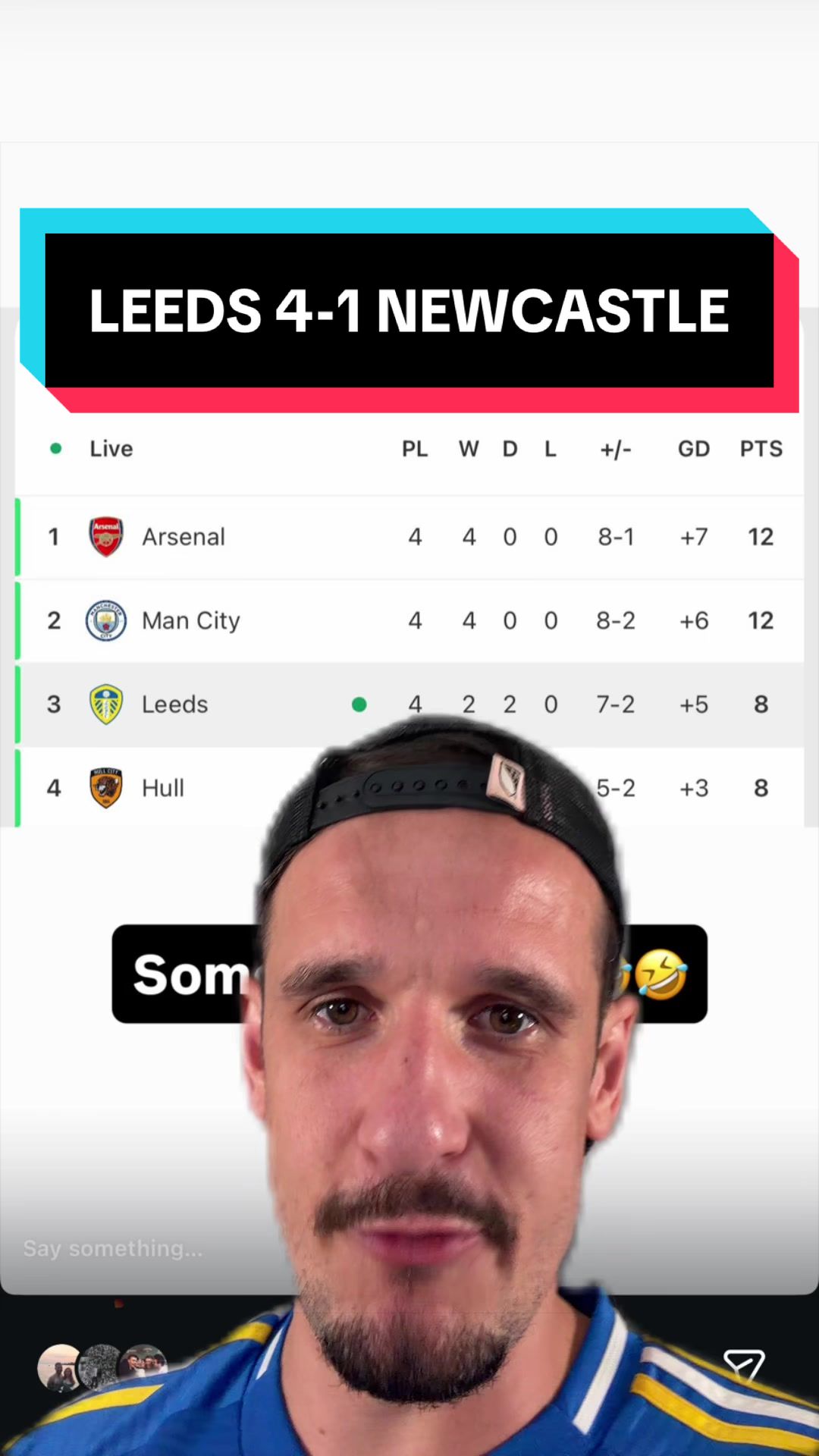
Leeds United demolish Newcastle at elland road
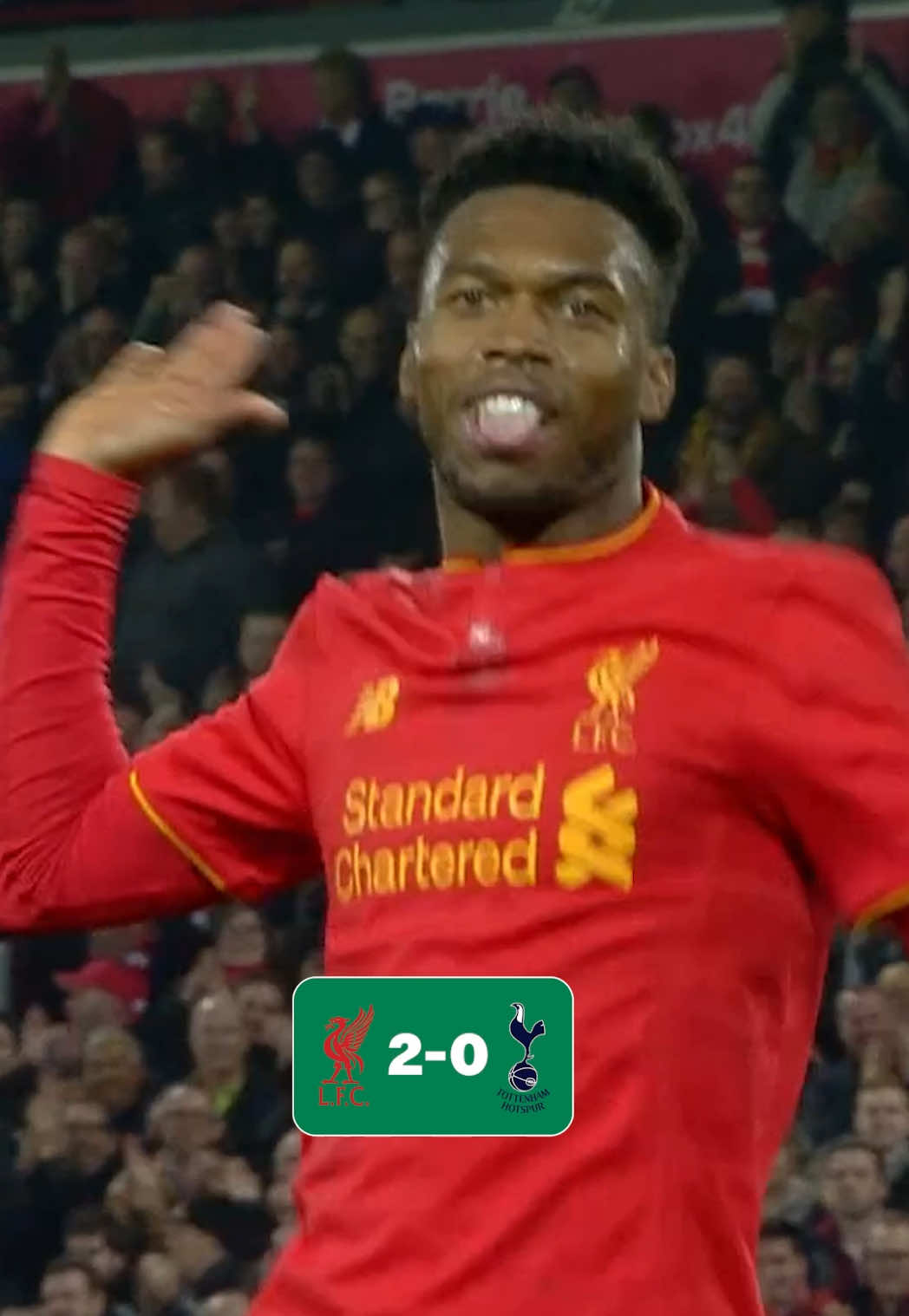
Throwback to this League Cup game between Liverpool and Spurs ⚽️⚽️
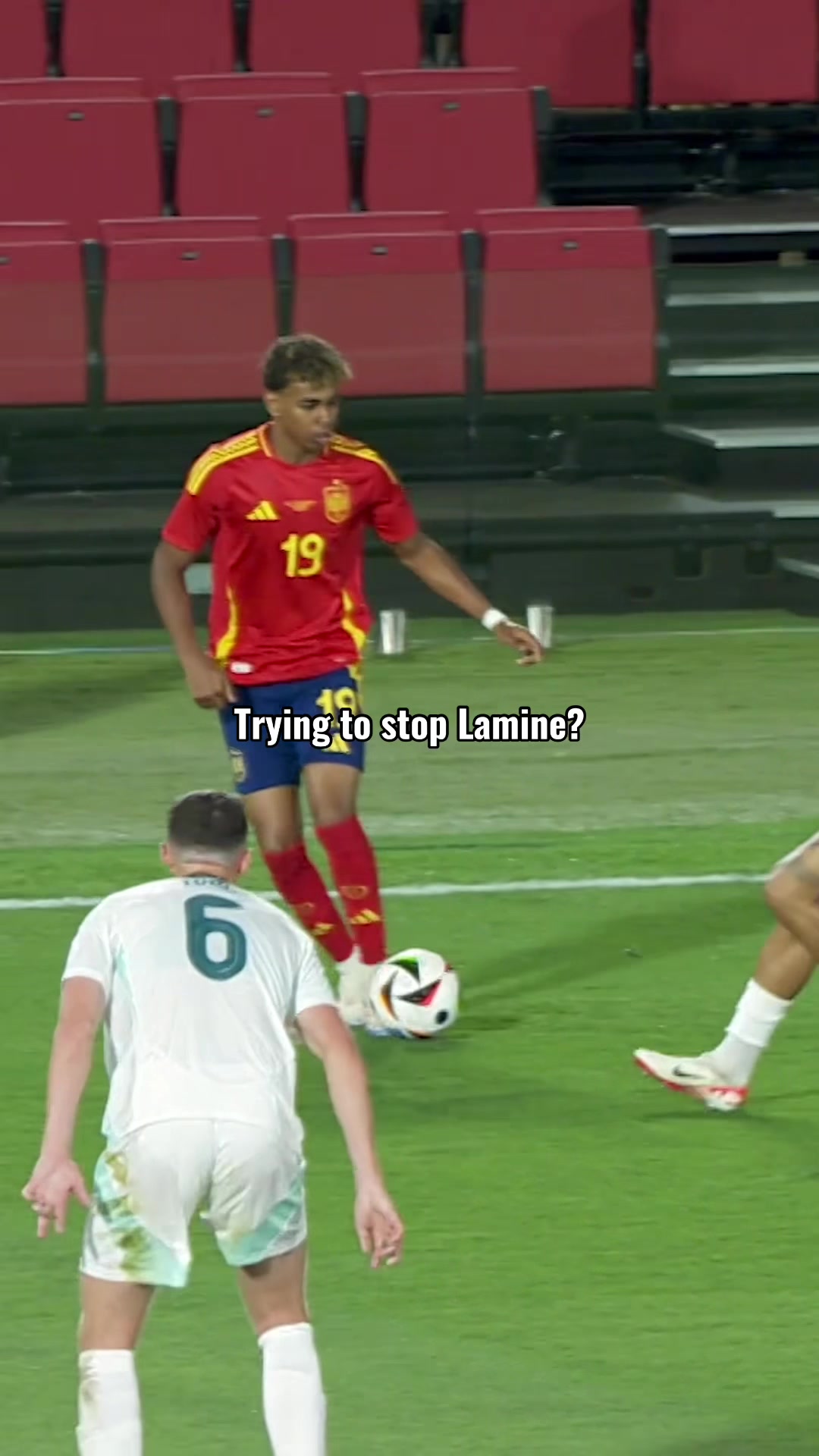
Lamine genius 🪄
 Links
Links
 Contact
 App
App


