



World Cup 2026: Individual Errors, Own Goals, and Bench Quality



Throughout the 2026 World Cup matches, statistics have highlighted the immediate impact of substitute players, as well as an increase in individual errors during the group stage.
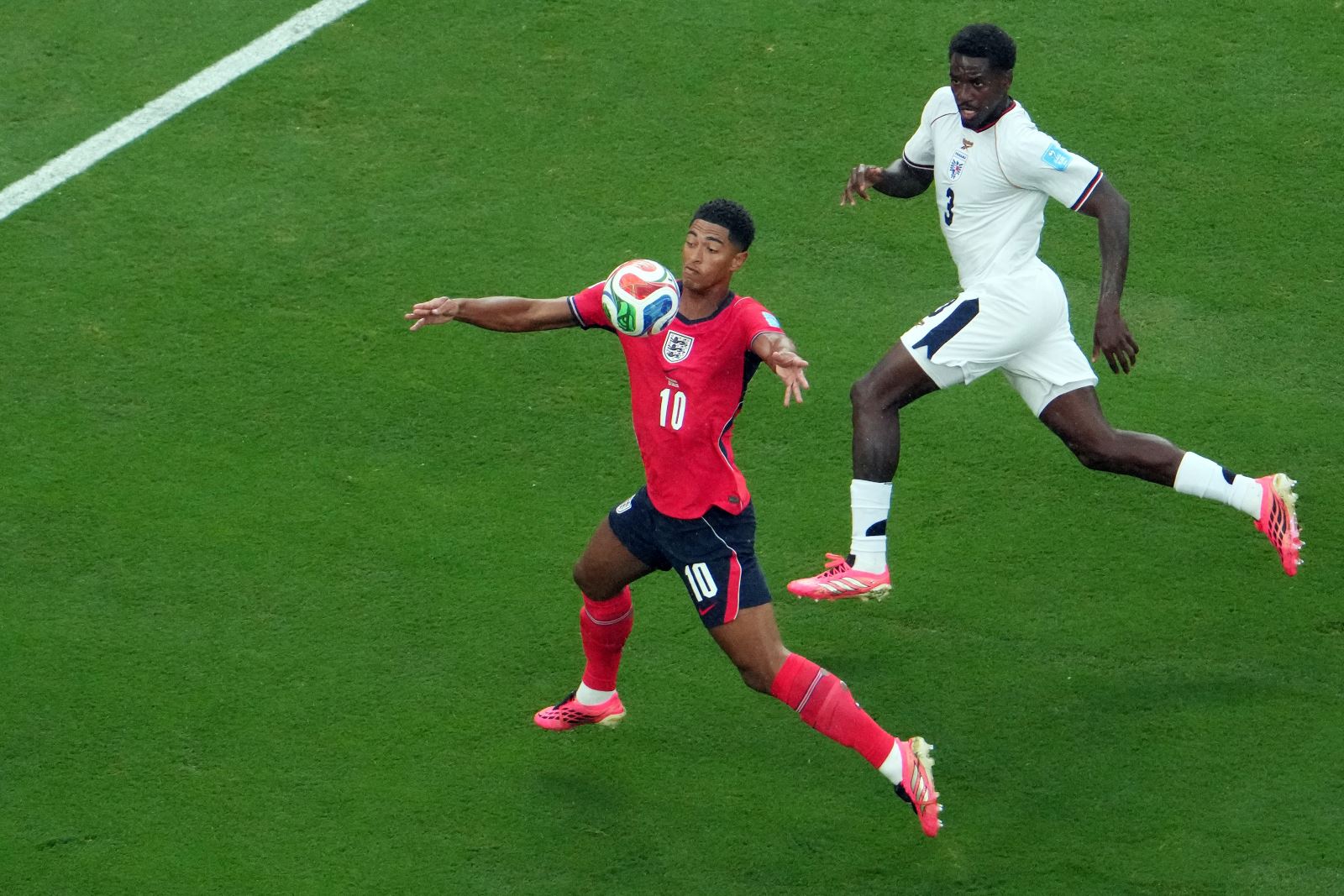
Own Goals
Own goals are an unavoidable part of football. Sometimes, a bit of bad luck can cause a defender or goalkeeper to put the ball into their own net, but during this group stage, the number of own goals has increased significantly. There have been 12 own goals, equaling the highest record in tournament history (12 in 2018). Even when adjusted for the expanded 48-team format, the 2026 own goal rate is likely to reach an unprecedented high. Why is this happening? Experts have provided a detailed analysis of tactical hypotheses, but there may be a simpler explanation for this trend.
So far, the tournament has generally been a footballing success, but the disparity in quality between teams has sometimes been striking, with many individual errors. There have been comical moments—from clumsy defending to unstable goalkeeping—and combining that with some of the most elite talents in world football, these kinds of mistakes are an inevitable consequence of the game.
The Bench
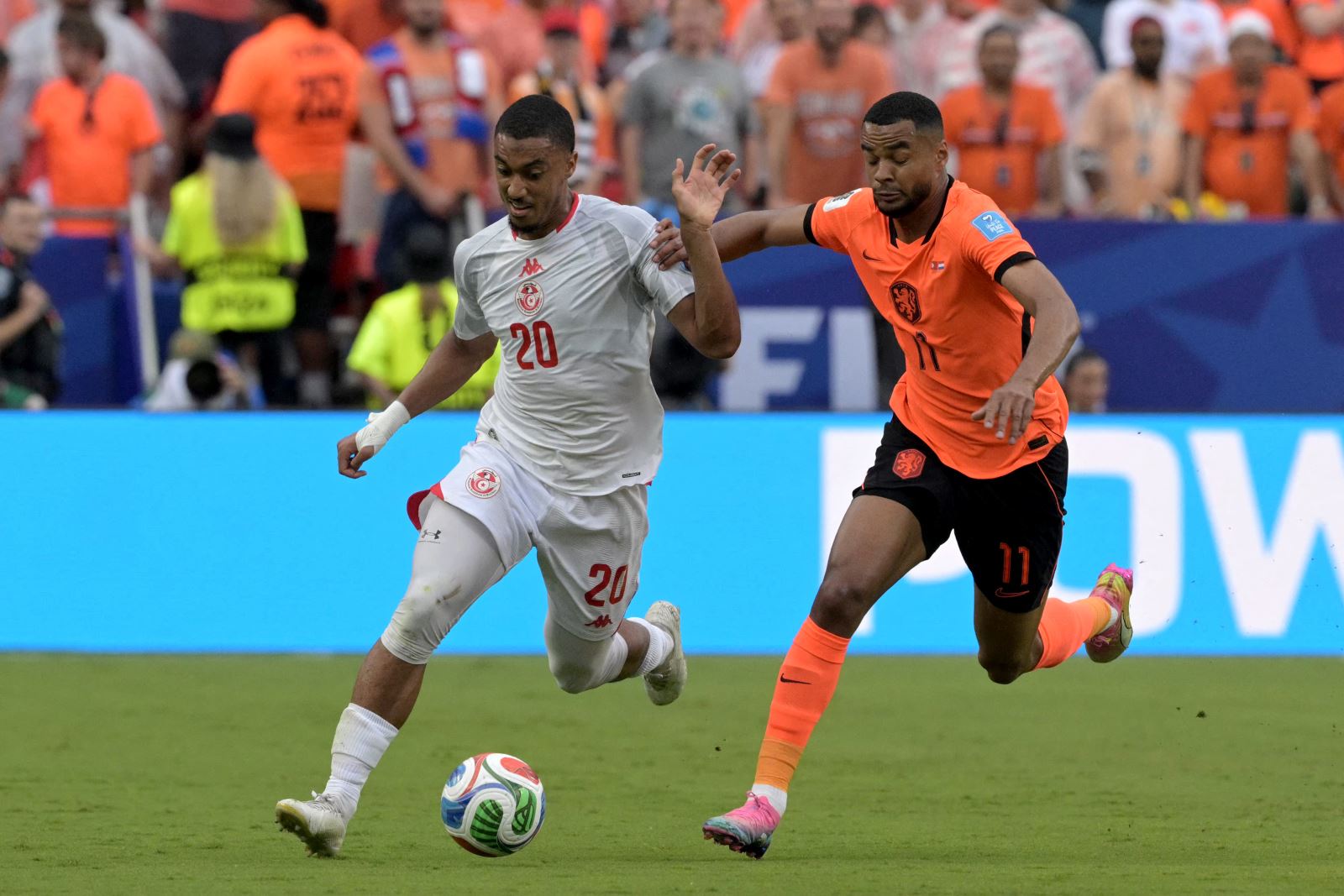
Never before has a World Cup emphasized utilizing the entire squad as much as now. Substitute players have been another major topic in the group stage, with 43 goals scored by players coming off the bench. To put it in perspective, this is more than any tournament since the substitute rule was first implemented at the World Cup in 1970.
The issue is not just about substitutes scoring goals, but also the degree of their impact on the game—such as turning a losing position into a draw, or a draw into a lead. By this measure, there have been 13 goals by substitutes that changed the game's outcome—more than the 2022 World Cup (11 goals) and the 2018 World Cup (7 goals), and it is challenging the record of 17 goals set at the 2014 World Cup.
Deniz Undav is the most prominent player with a significant impact on matches. He was brought on when Germany was trailing 1-0 to Côte d'Ivoire, and his two late goals secured three points for his team. This made him one of only six players to score two game-changing goals after coming off the bench at a World Cup since 1970.
Not only are teams now benefiting from an expanded 26-player squad (up from 23) and the use of five substitutions per match (previously three)—both implemented since the 2022 World Cup—but the opportunity to rotate the lineup has also been fully utilized over the past few weeks.
With the knockout rounds underway, fresh faces from the bench become even more crucial, as the hot summer weather conditions allow head coaches to make more frequent lineup changes.
Individual Errors
The World Cup can be a high-pressure stage, and while it can elevate lesser-known names to glory, it also brings pressure that many players have never experienced before. Direct mistakes and poor judgment are inevitable, but there has been a notable increase in errors that directly lead to goal-scoring opportunities for the opposition. Across 72 group-stage matches, there were 157 errors leading to a shot—more than the previous two tournaments combined.
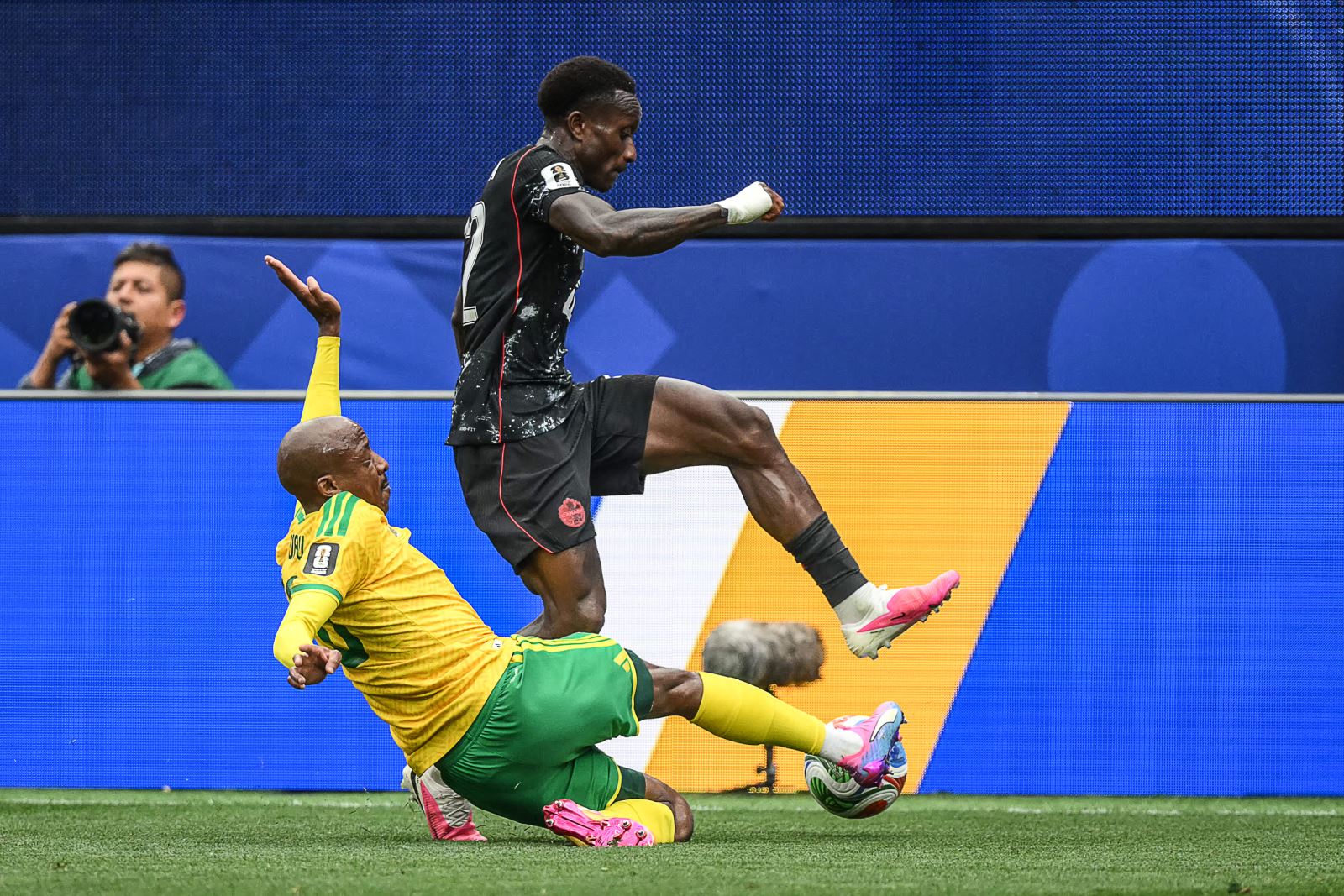
It all started just nine minutes into the tournament's opening match, when South African goalkeeper Sphephelo Sithole lost the ball near his own penalty area, allowing Julian Quinones to score for Mexico. Since then, Tunisia's Ellyes Skhiri and two of Iraq's three goalkeepers have made costly errors leading to goals conceded.
Part of the reason may lie in the World Cup's expansion. This tournament featured 30 matches where the two teams had a FIFA ranking difference of at least 30 places, compared to just 12 matches in 2022. Weaker teams often try to build structured play with the ball, but any lapse in concentration is mercilessly punished by opposing forwards through strong pressing and quick counter-attacks.
This also indicates that among the teams committing the most errors leading to goals, Tunisia (6), Haiti (3), and Iraq (3) all faced some of the world's most dangerous attacking converters, with Viktor Gyokeres, Haaland, and Mbappe all capitalizing on these teams' vulnerabilities.
It is possible that these impressive numbers will decrease as the knockout stages begin, but no one is immune to the pressure of a World Cup.


Wonderfulshortvideo
Now this backpass is every goalkeeper's 𝐰𝐨𝐫𝐬𝐭 𝐧𝐢𝐠𝐡𝐭𝐦𝐚𝐫𝐞 🫠


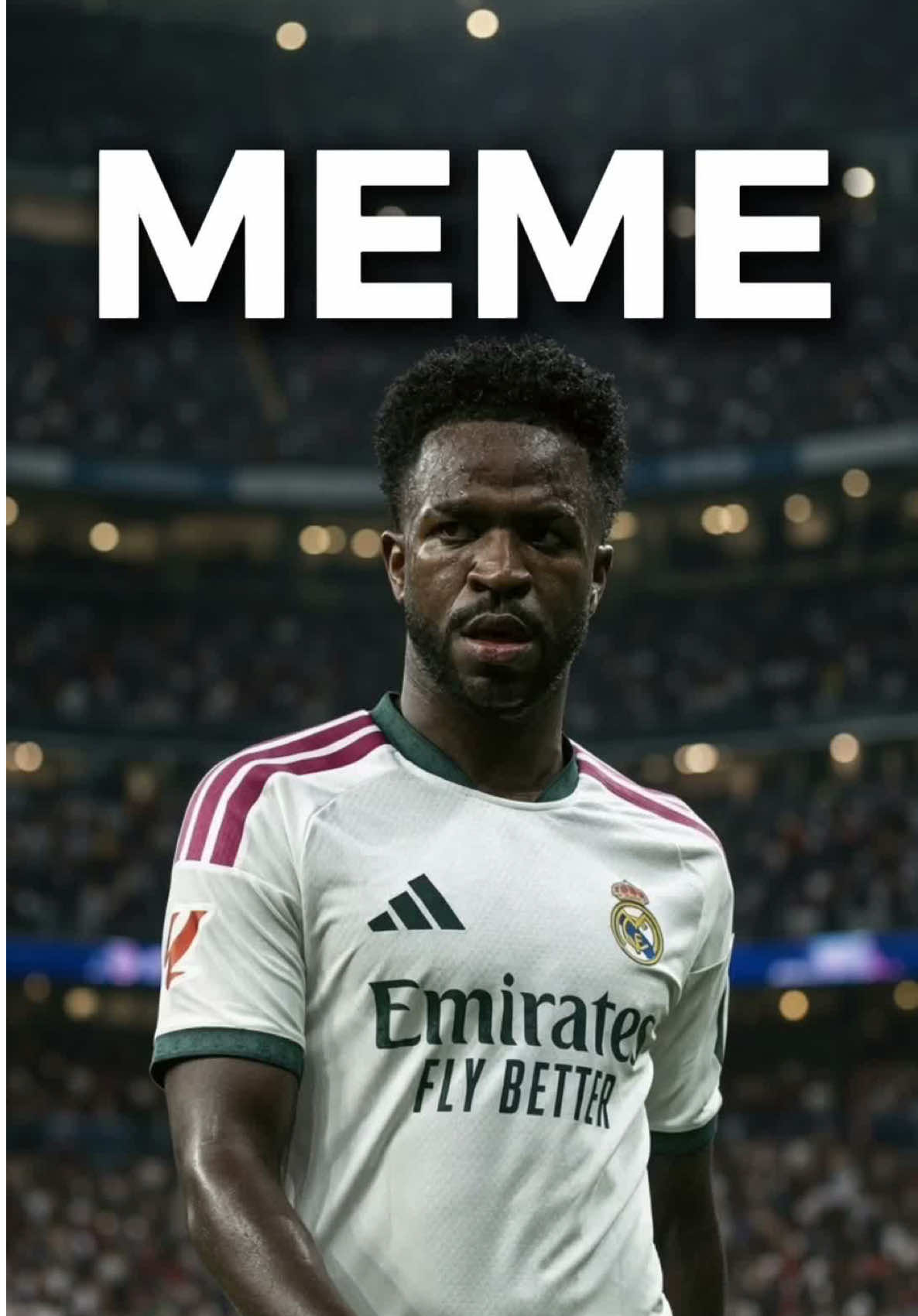
vinicius junior else vini jr today

🗣️ “I’ve won games playing much worse than today”
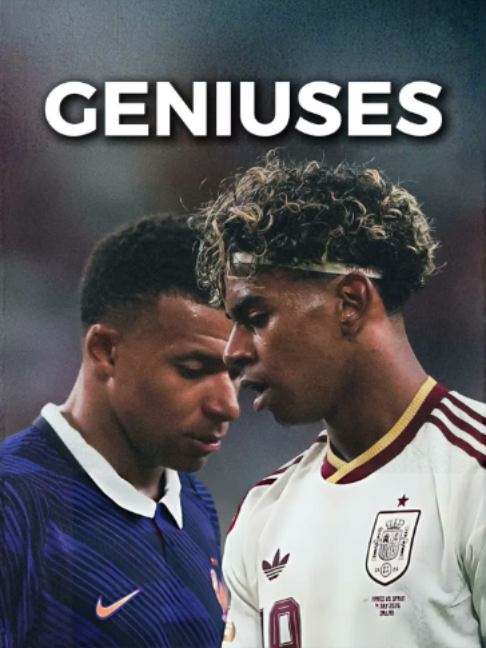
ballon d'or lamine yamal mbappe interview press conference ballon d'or winner france football edit

Leeds United demolish Newcastle at elland road
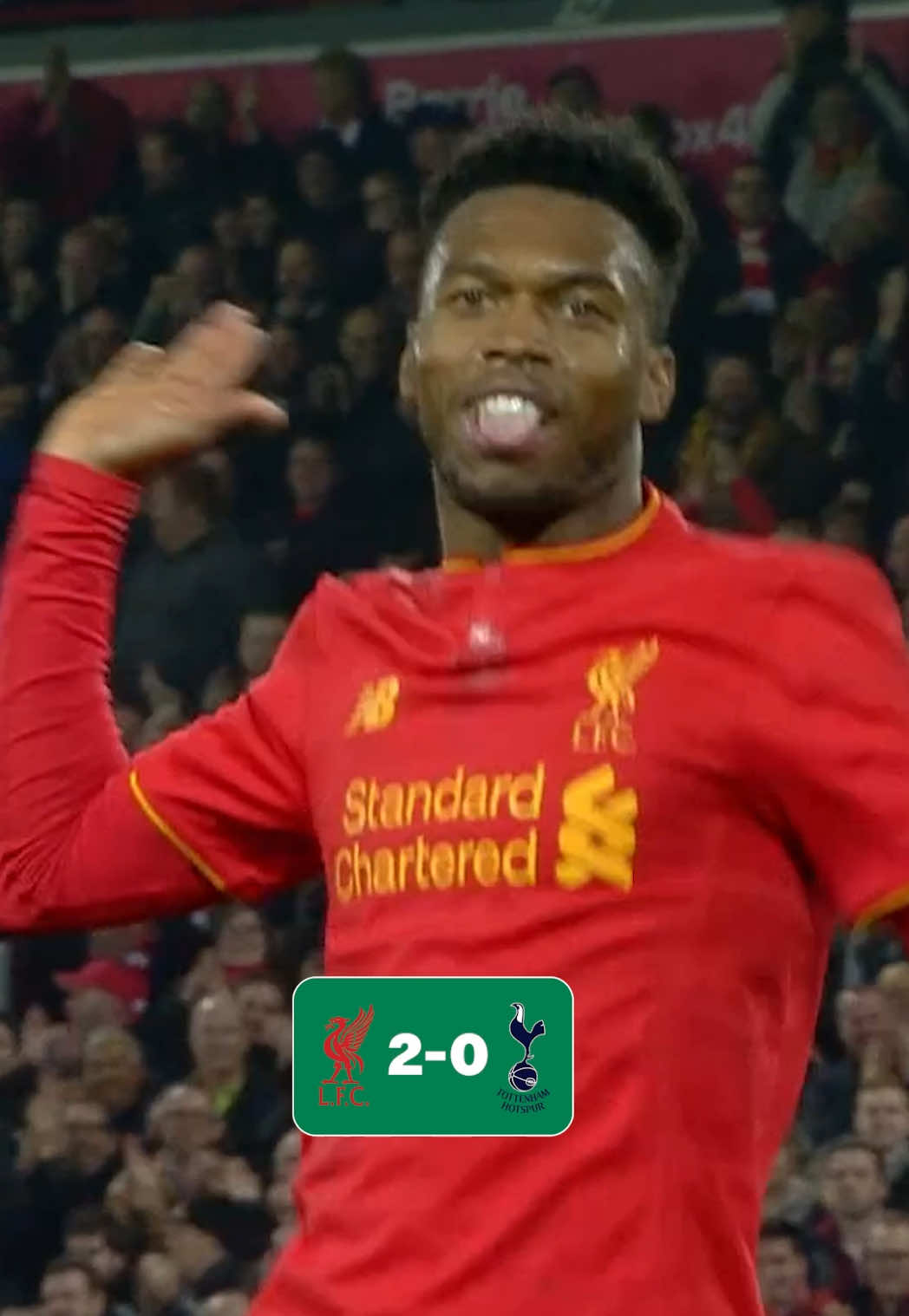
Throwback to this League Cup game between Liverpool and Spurs ⚽️⚽️
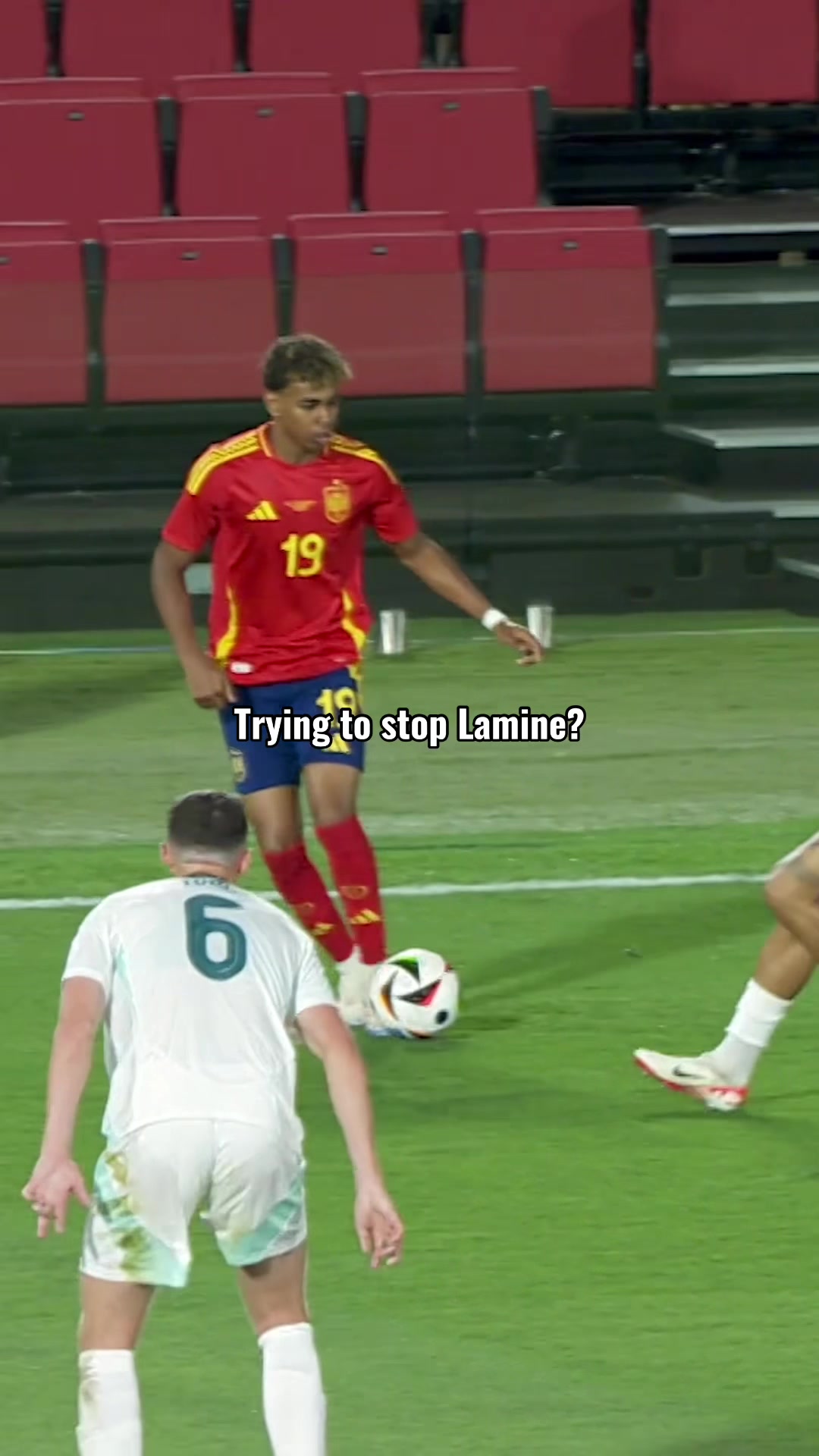
Lamine genius 🪄
 Links
Links
 Contact
 App
App


