



World Cup 2026: An Unprecedented Feat in Nearly a Century


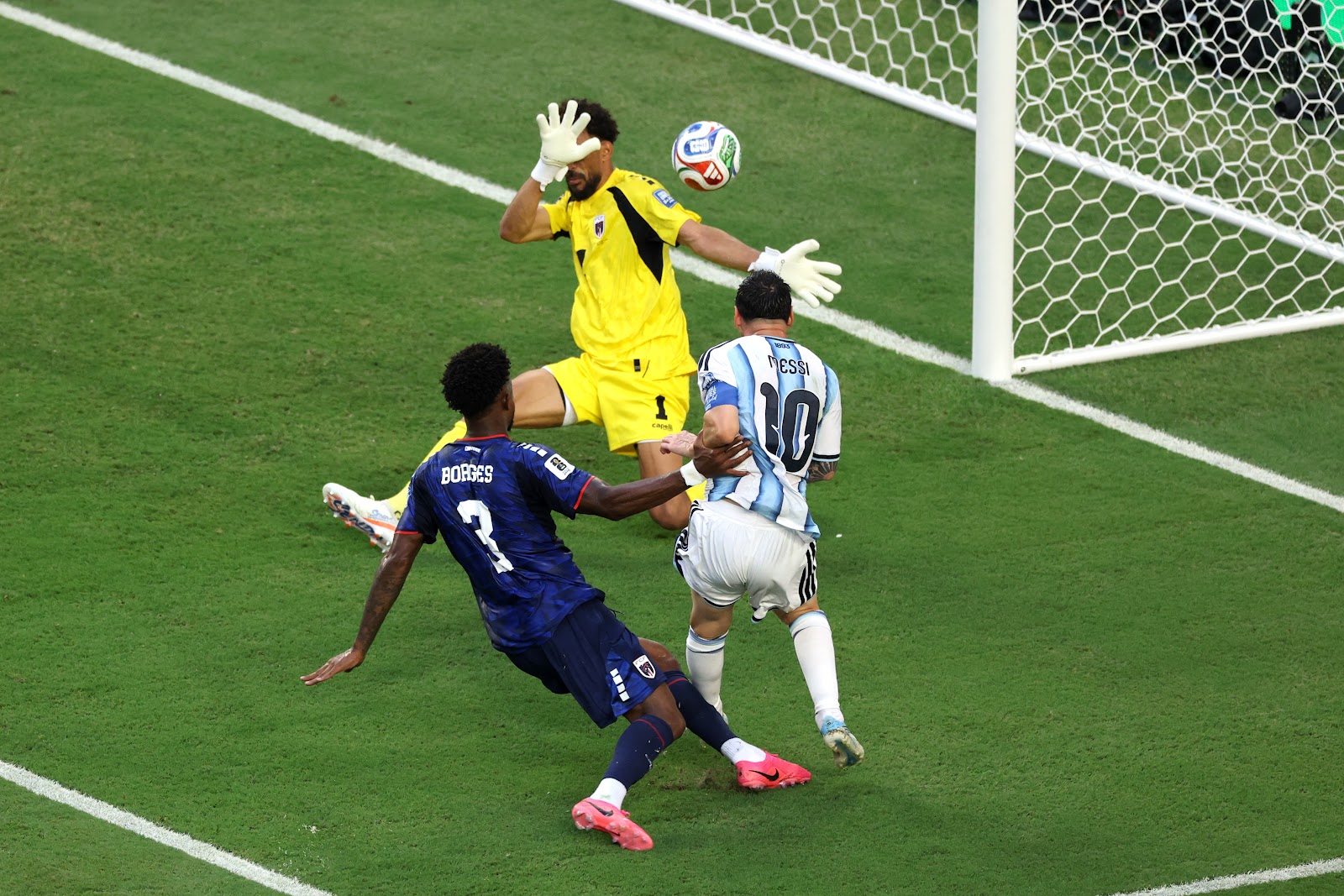
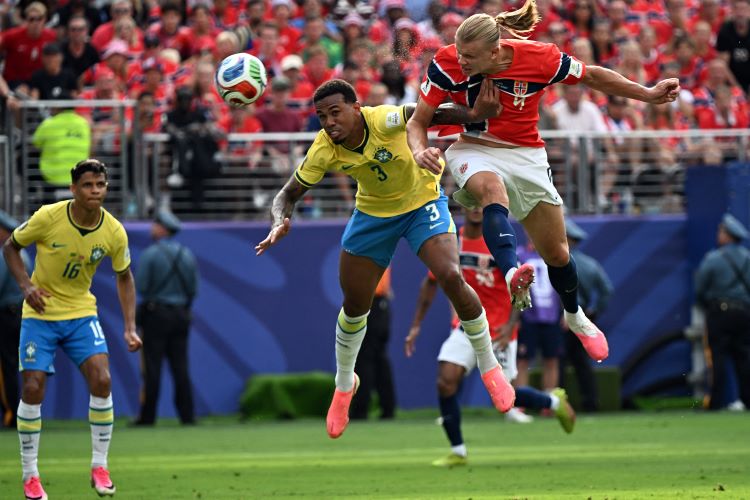
The race for the World Cup 2026 Golden Boot is more intense than ever. Currently, Lionel Messi, Kylian Mbappe, and Erling Haaland are tied at the top of the scoring charts with 7 goals each. Messi held the top spot for most of the tournament before Mbappe equalized after scoring against Paraguay in the round of 16. Just hours later, Haaland scored a brace against Brazil, allowing the Norwegian striker to join the leading group. Notably, Messi has played one match fewer than his two rivals, meaning the Argentine superstar still has a chance to pull ahead if he continues scoring in the next round.
What makes this special is not just that three stars share the top scorer list, but the historical significance they have created. Since the first World Cup in 1930, no tournament has ever seen three players score at least 7 goals each in the same finals. Over 96 years of World Cup history, many editions featured prolific scorers, but at most two players reached 7 or more goals. The 2026 World Cup has broken that rule as Messi, Mbappe, and Haaland have all reached the 7-goal mark, setting a completely new record in FIFA history.
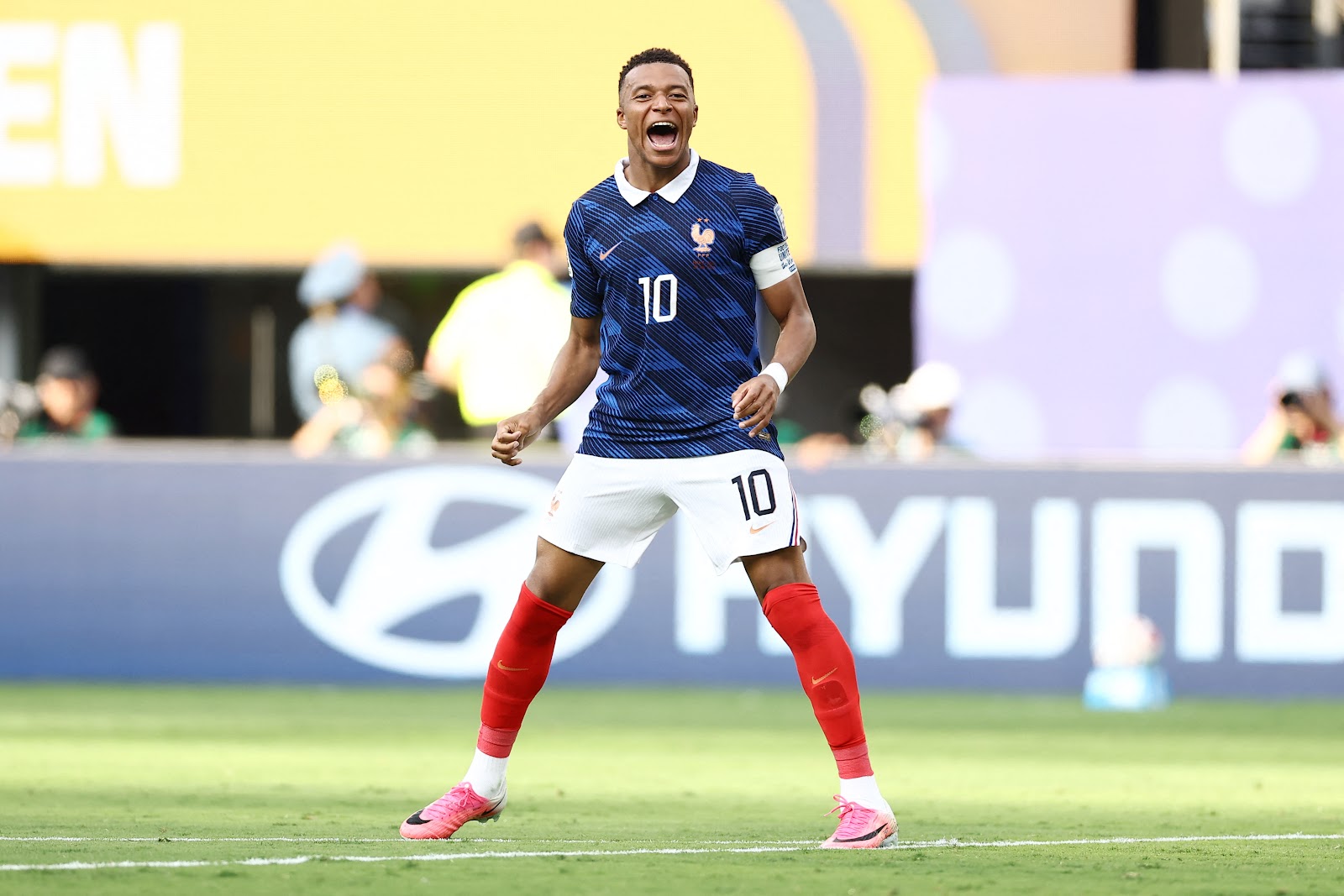
This is not the first time Messi and Mbappe have dominated the Golden Boot race at a World Cup. In Qatar 2022, Mbappe won the Golden Boot with 8 goals, while Messi finished right behind with 7. These two superstars have also become rare players in history to score at least 7 goals in multiple different World Cups, showcasing incredible consistency on the biggest stage. Meanwhile, Haaland is having his first World Cup in his career and has immediately made a strong impact. The Norwegian striker has scored 7 goals, playing a key role in leading the Nordic team deep into the World Cup for the first time in nearly 30 years. Right behind this trio is England captain Harry Kane with 6 goals. The Three Lions' striker still has a chance to join the Golden Boot race if he continues finding the net in the quarter-finals.
The record for most goals in a single World Cup still belongs to French legend Just Fontaine with 13 goals in 1958. Second is Hungarian star Sandor Kocsis with 11 goals in 1954. However, neither Fontaine nor Kocsis managed to win the championship in the tournaments where they set their scoring records. With the 2026 World Cup still having many matches to be played, all three top world stars still have opportunities to surpass or at least approach Fontaine's seemingly unbreakable milestone.
On a personal level, the race between Messi and Mbappe becomes even more compelling when considering total goals across World Cups. Messi currently has 20 goals in 30 matches, the most in tournament history. Mbappe is close behind with 19 goals, needing only 19 appearances to achieve this. This means the French striker's scoring rate is superior to his Argentine counterpart, averaging one goal per match. With just two more goals (if Messi stops), Mbappe will officially surpass Messi at the 2026 World Cup to become the greatest scorer in the history of the biggest football festival.
However, with Messi still having opportunities to play in the knockout rounds, the competition between the two star generations remains undecided. Meanwhile, Haaland's emergence has turned the race into an exciting three-horse contest, one of the most compelling in World Cup history, promising many dramatic developments in the remaining matches.


Wonderfulshortvideo
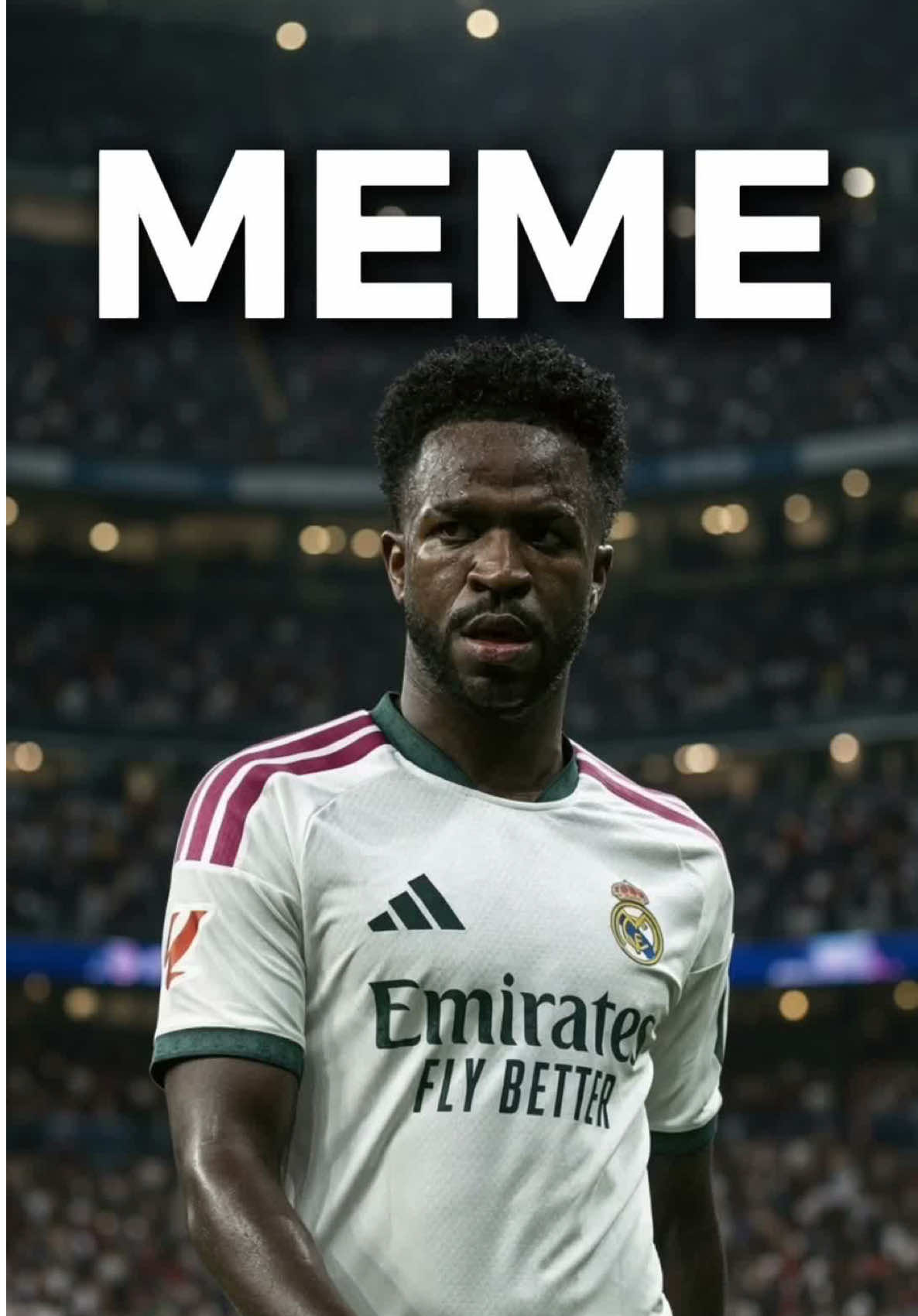
vinicius junior else vini jr today


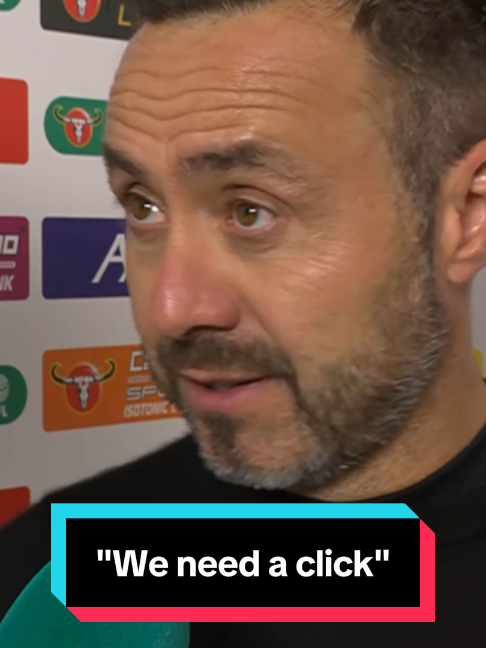
🗣️ “I’ve won games playing much worse than today”
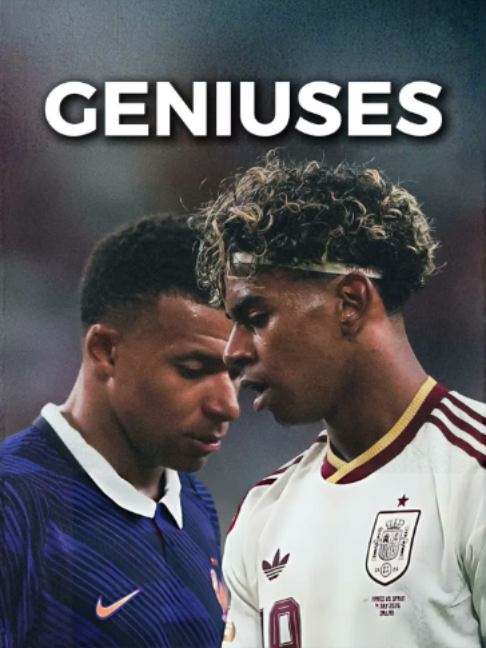
ballon d'or lamine yamal mbappe interview press conference ballon d'or winner france football edit
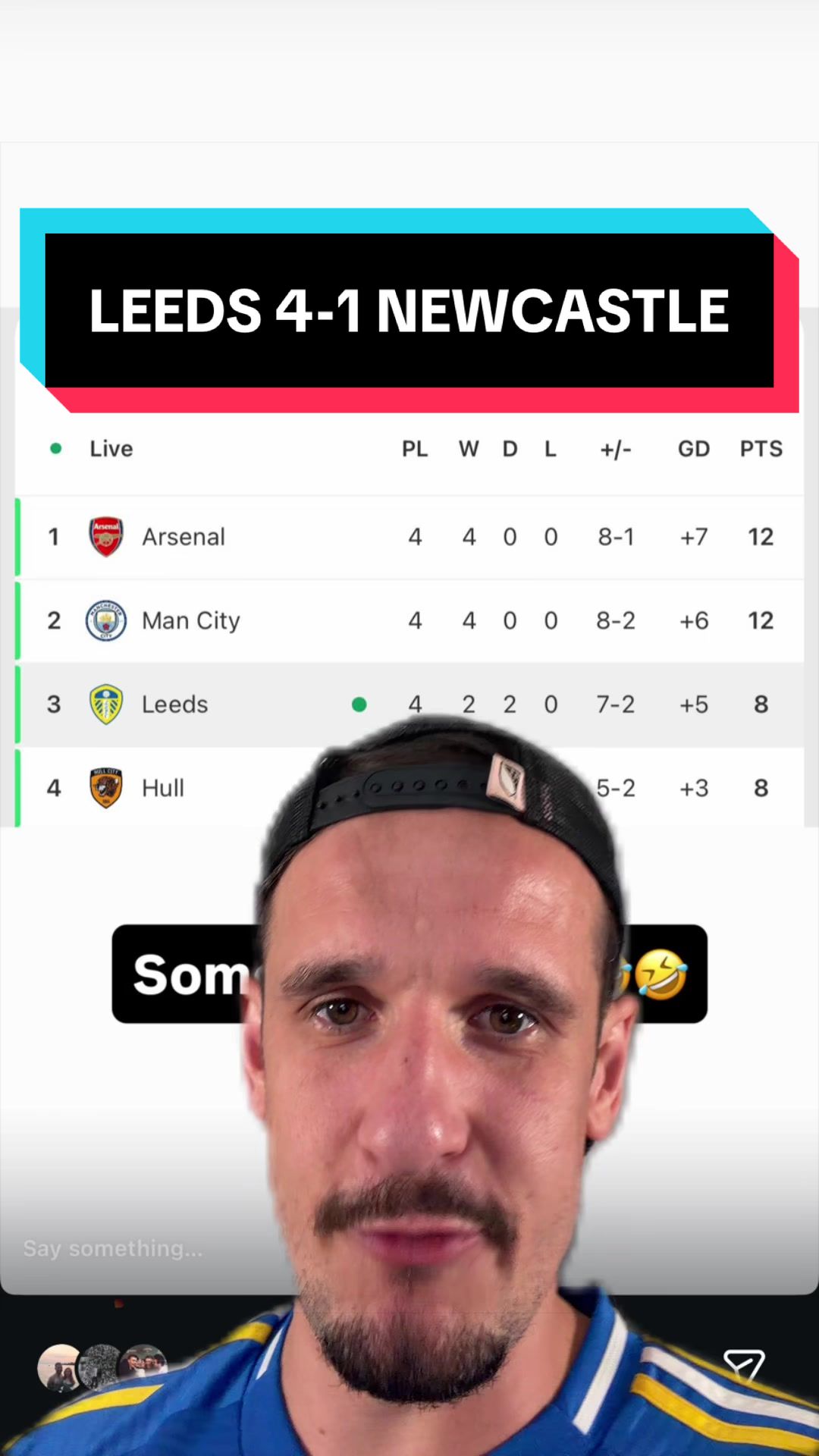
Leeds United demolish Newcastle at elland road
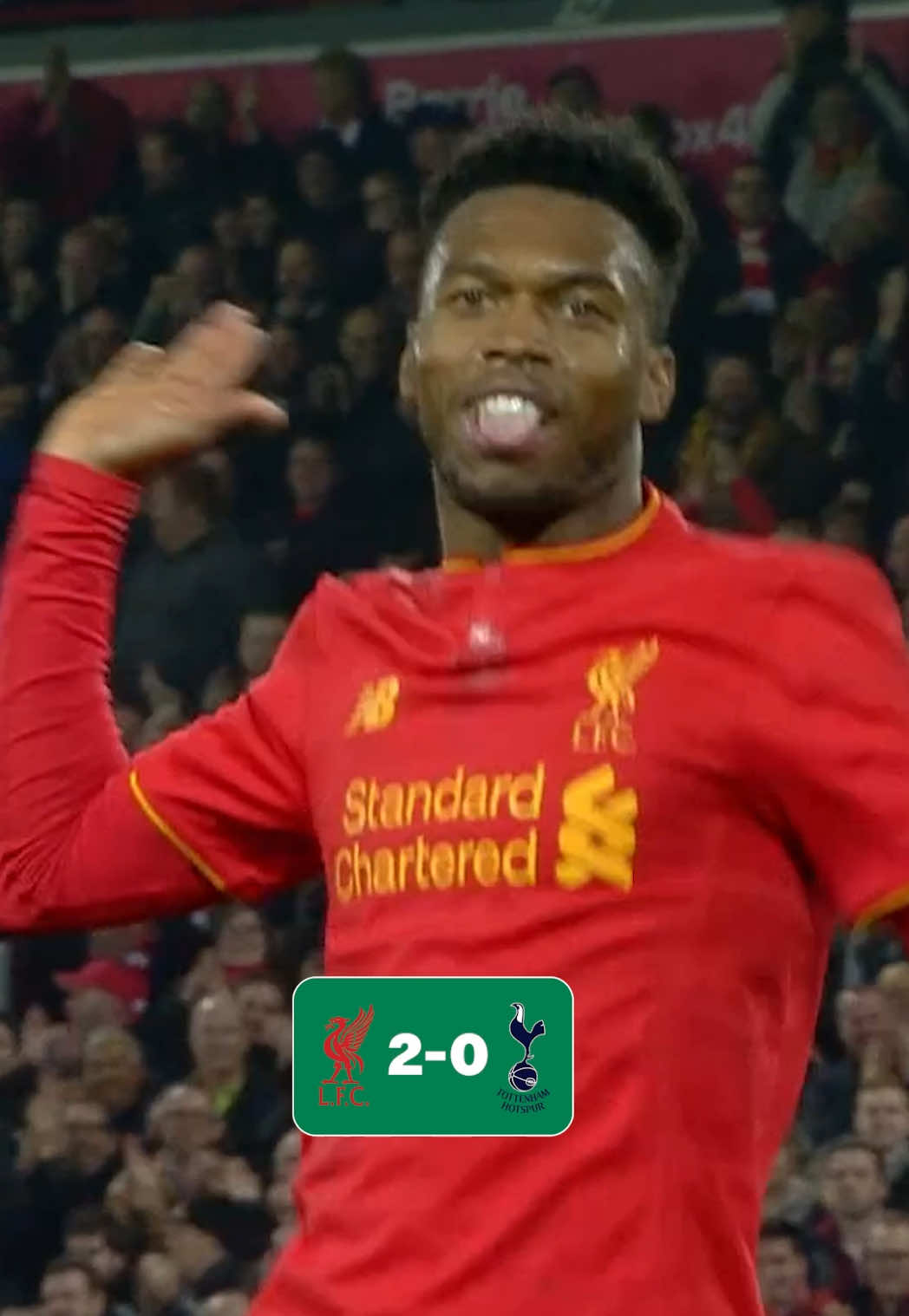
Throwback to this League Cup game between Liverpool and Spurs ⚽️⚽️
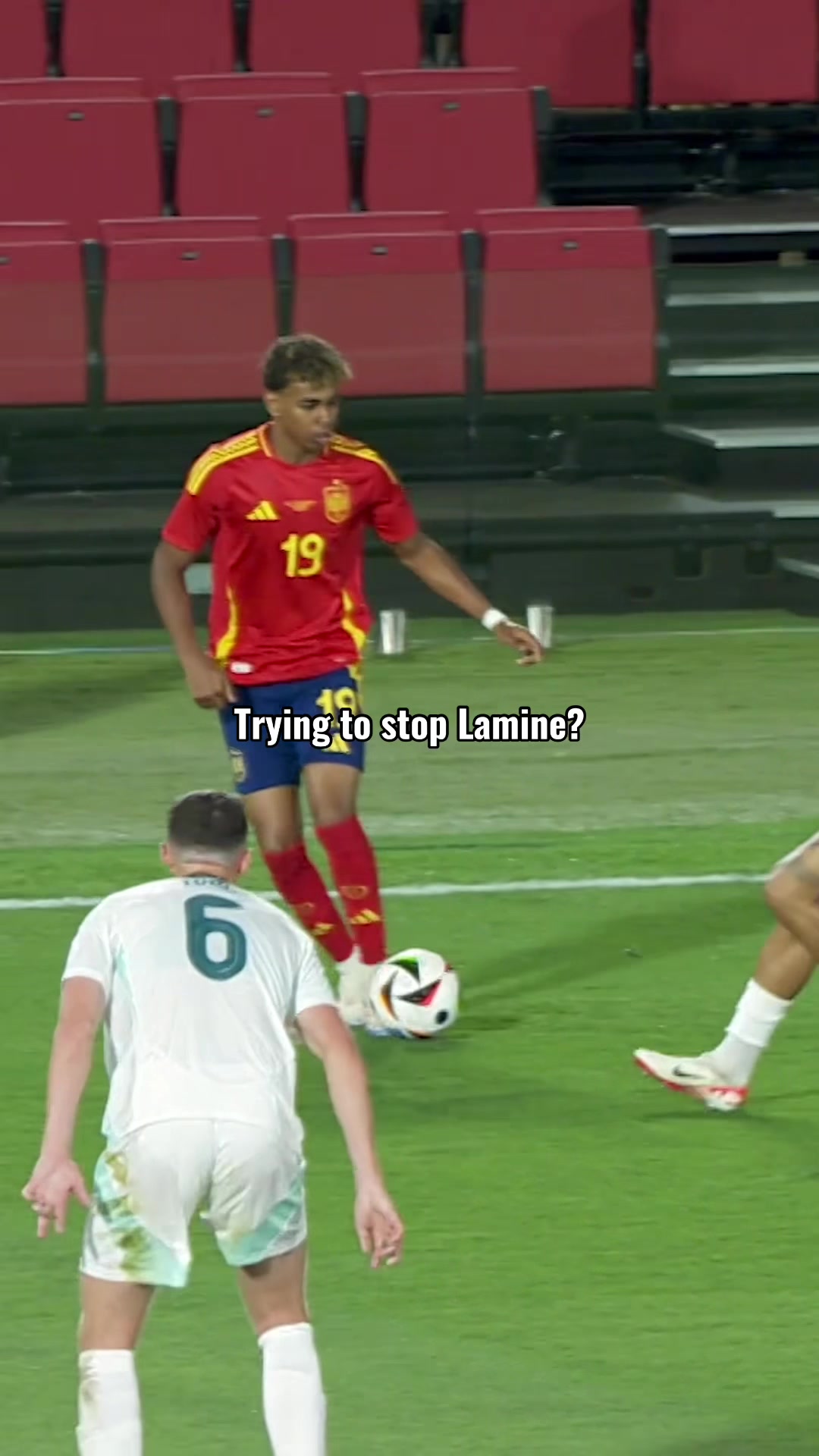
Lamine genius 🪄

raphinha assist today lamine yamal goal today brace today vs levante
 Links
Links
 Contact
 App
App


