



From Ham Rong Bridge to the badminton court: What does it take to have a 'sports economy'?


At the beginning of the 2026 World Cup, a curious story emerged: A KOL decided to search for the least well-known player on social media. The result was Tim Payne, the New Zealand national team’s center-back.
On May 26, his Instagram account was a quiet personal page with about 4,000 followers. Then that KOL launched a campaign, calling on the community to support him, and after just the first match, Tim Payne’s account gained over one million followers.
Looking at this from the most "neutral" perspective—meaning we don’t yet know whether Tim Payne has become famous—it’s easy to imagine that the global number of followers for the New Zealand team increased. The story isn’t about the numbers, but about the exponential spread of support for the team, a collective unit.
Ten years ago, a generation of U19 players wearing HAGL shirts stepped onto the field, playing in youth tournaments, and the entire country suddenly went crazy for youth football in an unprecedented way. Cong Phuong, Tuan Anh, and Xuan Truong became social media phenomena before they even became professional phenomena. Many called it a "media team," a somewhat ironic label, but one that inadvertently pointed to the very essence of the issue.
HAGL fan clubs sprang up everywhere. Images of the young players flooded social media, and the club’s matches were favored with live television broadcasts. Some called it the "national team." This effect had an immediate impact, helping HAGL secure sponsorship deals from consumer brands—a rare occurrence in the V-League. It was a "positive accident," not a designed system, even though HAGL’s media team was quite quick to connect KOLs and YouTubers who became deeply involved in the club’s activities.
At that time, HAGL had inadvertently (or intentionally) touched the core of modern sports economy: Connection. However, more than a decade later, the story of the Mountain City team remains a rare and isolated case study, even though a few companies had already expanded their reach, signing partnerships with Vietnamese sports to develop the image of athletes. Unfortunately, Vietnamese sports (TTVN) still haven’t been able to turn that phenomenon into a professional operational formula; that phenomenon has almost never been replicated in any other elite sport in Vietnam.

Ten years ago, the U19 HAGL squad of Cong Phuong created a real craze in Vietnam. Photo: Tuan Tu
A direct comparison with the 2026 World Cup is an unfair comparison in terms of scale. What happens at the World Cup is far too large a denominator to place alongside Vietnamese sports. The problem is that even the "minimum denominator" is absent. Let’s try a simple test: Search for images or direct information from any regular elite sports event (outside football). The result is often disappointing. Many tournaments take place in obscurity; finding a decent photo for media use is difficult, let alone livestreaming or engaging and spreading content digitally. We lack the most basic elements to form a community.
Take the "solo journeys" of "badminton hot girl" Nguyen Thuy Linh as an example. Vietnam’s number one female shuttler has all the material to become a media icon. Nguyen Thuy Linh is a rare Vietnamese sports star with international appeal, with countless solo trips around the world to accumulate ranking points. Around her lies a treasure trove of stories to tell: the loneliness of being abroad, the sweat in empty training rooms, the quiet sacrifice of a young girl for her country and colors.
Yet, apart from the images and status updates that Linh herself posts on her personal page, what do we see from the federation or management bodies? Almost nothing. That means even when we have a "story," there is no one skilled enough to tell it. Telling Thuy Linh’s story isn’t just about serving the star (though she deserves it); it’s about using her appeal to create an ecosystem where fans feel they are "accompanying" the efforts of badminton.
An individual can create a breakout moment. But only a deliberately invested content ecosystem, with small stories told continuously throughout the year, can turn that moment into a sustainable fan community—one that nurtures the sport even after that star retires.
Without that ecosystem, every individual achievement, no matter how outstanding, is just a passing flash of brilliance, leaving no audience legacy for those who come next. And a true sports economy cannot exist if the ecosystem connecting clubs, sports, and fans does not exist.


Wonderfulshortvideo
vinicius junior else vini jr today


🗣️ “I’ve won games playing much worse than today”
ballon d'or lamine yamal mbappe interview press conference ballon d'or winner france football edit
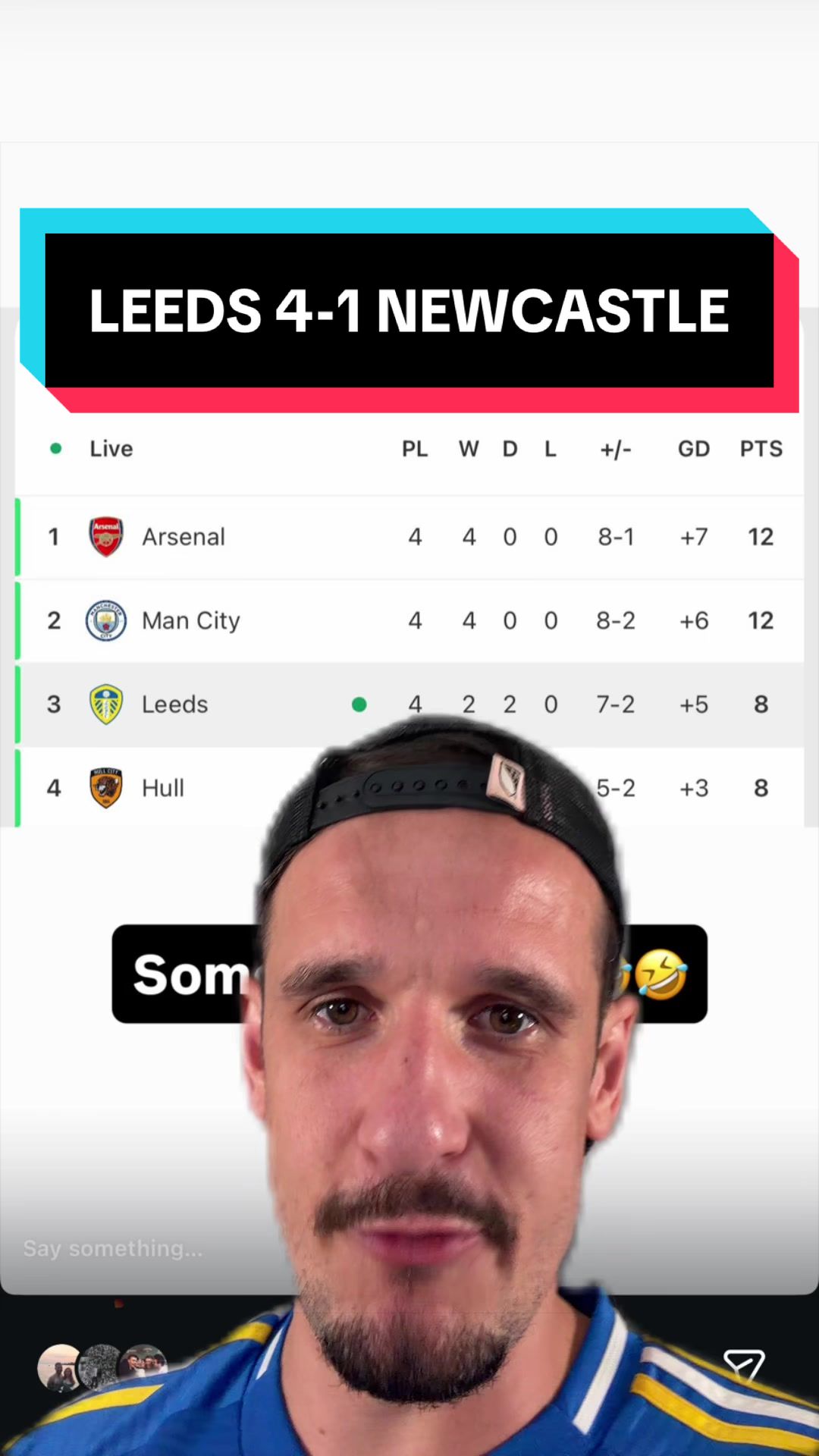
Leeds United demolish Newcastle at elland road
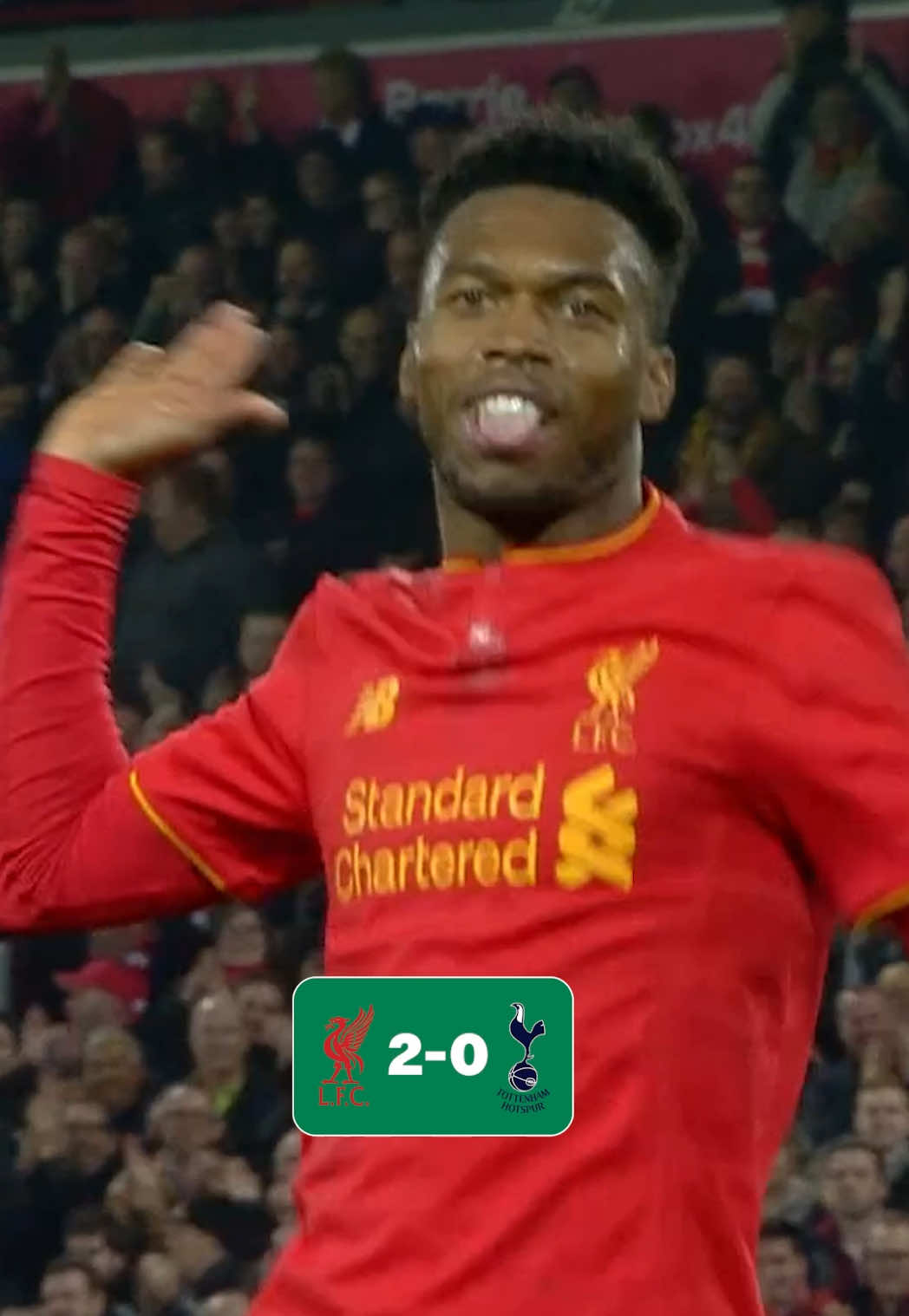
Throwback to this League Cup game between Liverpool and Spurs ⚽️⚽️
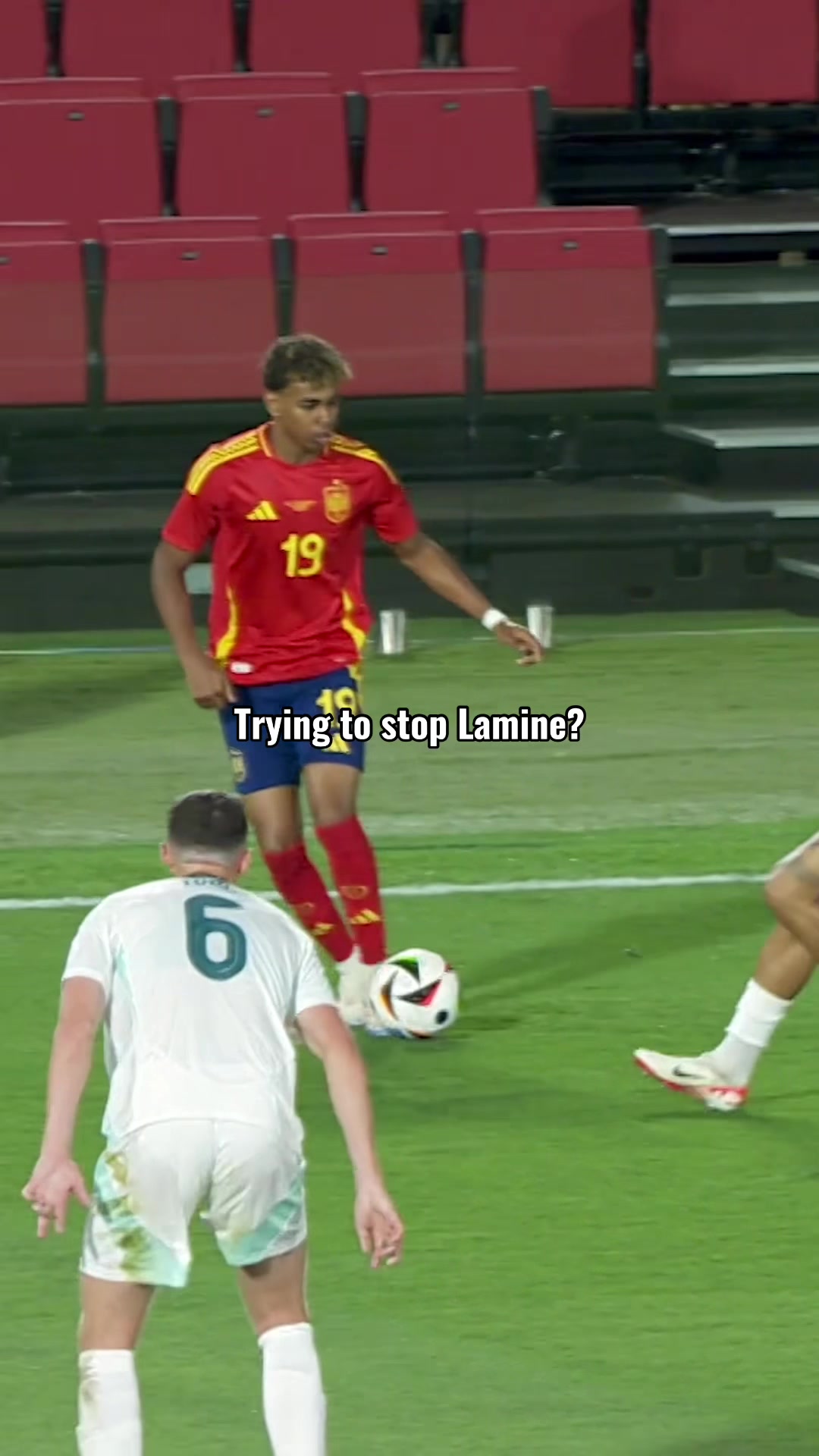
Lamine genius 🪄

raphinha assist today lamine yamal goal today brace today vs levante
 Links
Links
 Contact
 App
App


