



World Cup on home soil: How to buy a football soul



In April 2026, Inter Miami opened Nu Stadium, increasing the count of professional soccer venues in the US top flight (MLS) to 27. This represents merely a single piece of the more than $11 billion that MLS has invested in infrastructure after securing the World Cup hosting rights. The league added 7 clubs, many training hubs, and a stadium network aimed at generating enormous football assets.
But when the camera lens shifts from the grand stands to the pitch, the story takes a completely different turn: the US lost to Belgium 1-4 in the Round of 16 on home soil in Seattle, ending a World Cup campaign that former national team player Carli Lloyd bluntly described as a team that seemed to have lost "before even stepping onto the field." Infrastructure and human talent, it turns out, do not automatically go hand in hand.
Statistics firm Opta was even harsher in its analysis: There is simply no football success here. The defeat to Belgium defined the US World Cup. What has the US achieved after eight years of hype as host nation? They beat three World Cup teams with an average ranking of 44, and those teams won a total of three matches in 13 World Cup games. According to Opta, the US's best World Cup was in 2002, when they not only advanced from a group containing South Korea (who later reached the semifinals) and Portugal (world No. 5), but also accomplished something they have never done outside that tournament: win a knockout match and then compete on equal footing with a global powerhouse (losing 0-1 to Germany in the quarterfinals despite controlling 60% possession and limiting Germany to just one shot on target).
After the 1994 World Cup, US football improved in terms of producing quality players who compete in Europe and the Champions League, but it did not progress in its ability to perform at major tournaments against non-Concacaf opponents. Since the 2002 loss to Germany, the US has played 32 matches in World Cups and Copa Americas: winning 10, drawing 6, and losing 16. Their victories have mostly come against weaker opponents. Opta's conclusion: The US has made no progress at all.
Why is that?
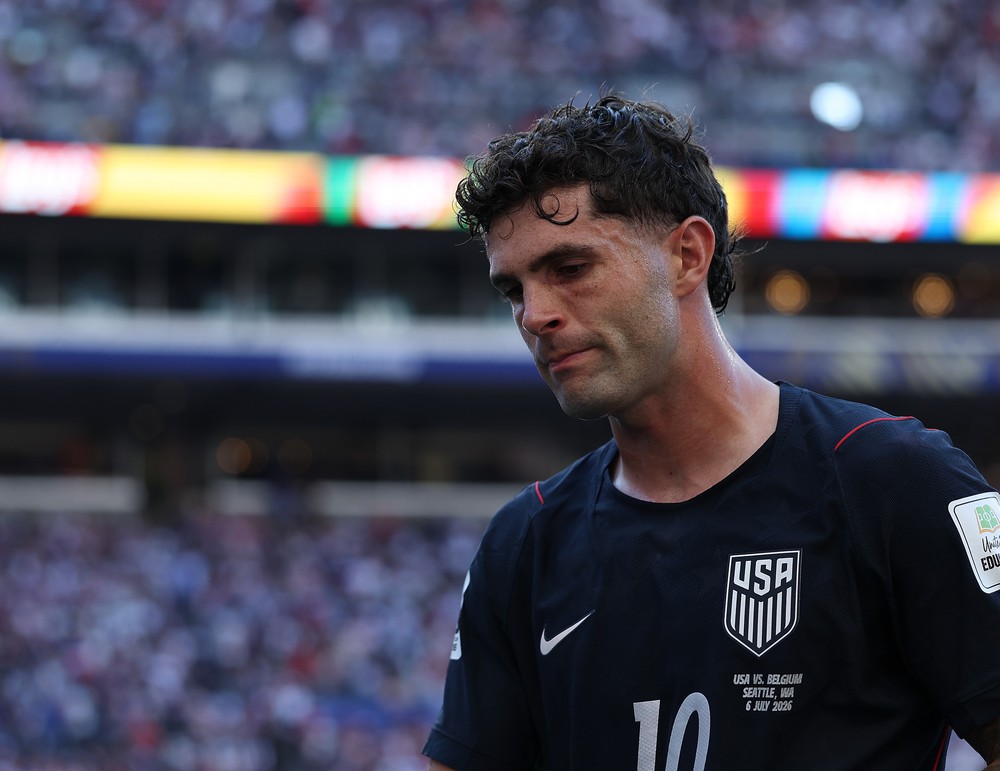
US football has advanced significantly with players like Pulisic (pictured) competing in Europe, but it is still not good enough to succeed at the World Cup. Photo: Xinhua/VNA
That contrast can be traced to a single figure: $767 million — the average value of an MLS team ahead of the 2026 season, up 39% in just five years. As many as 18 of the world's 50 most valuable football clubs now belong to the US. But precisely because of this, MLS has become an appealing "asset class" for investors, no longer purely a sporting endeavor. Similar versions have been seen in the Chinese Super League and, currently, the Saudi Pro League.
The question is not "why the US lacks money," but "where has the money flowed?" And the answer lies in the youth development model known as "Pay-to-Play," where a family must spend over $20,000 per year for their child to join high-quality football academies. This system inadvertently becomes an economic filter: it selects children whose families can afford the fees, rather than those with the greatest desire and instinct to compete. The result is a generation of players "nurtured" by money rather than talent invested in by the community.
The US has prepared almost everything money can buy: modern stadiums, top stars, and a sophisticated financial plan calculated eight years ago. But the core question — whether football will become a part of American popular culture or merely a six-week craze that fades when the World Cup spotlight turns off — remains unanswered.
The lesson from the US, albeit on a completely different scale, still offers clear reference value, including for Vietnamese football.
That is a reminder for any football nation, including Vietnam: the true strength of a football system is not measured by the money poured into clubs just to prove power through short-term titles, but by whether that money is actually finding and nurturing the right people worthy of wearing the national team jersey. One can lift a second-division team to the V-League in two years, even win the national championship the following year, but a genuine football culture — from club level to the national team — always takes much more time, and no investment can shorten that.
In other words, the bigger lesson lies in the "human" element. There will be no successful club if youth football infrastructure is just numbers used to meet requirements. The number of enterprises investing in football cannot replace the ever-shrinking number of U-teams, second-division, and third-division teams, which keeps the football development pyramid inverted.


Wonderfulshortvideo
vinicius junior else vini jr today


🗣️ “I’ve won games playing much worse than today”
ballon d'or lamine yamal mbappe interview press conference ballon d'or winner france football edit
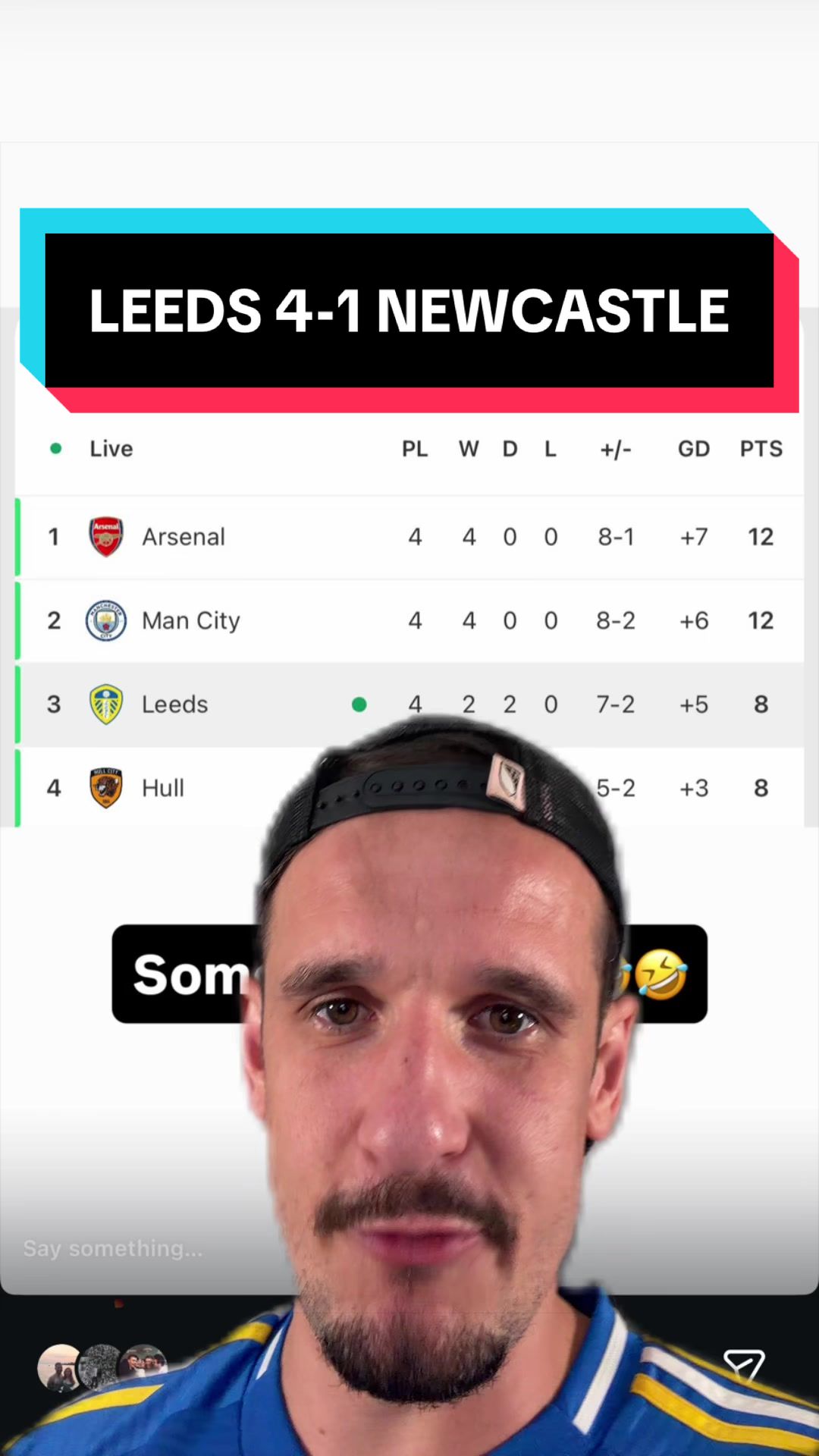
Leeds United demolish Newcastle at elland road
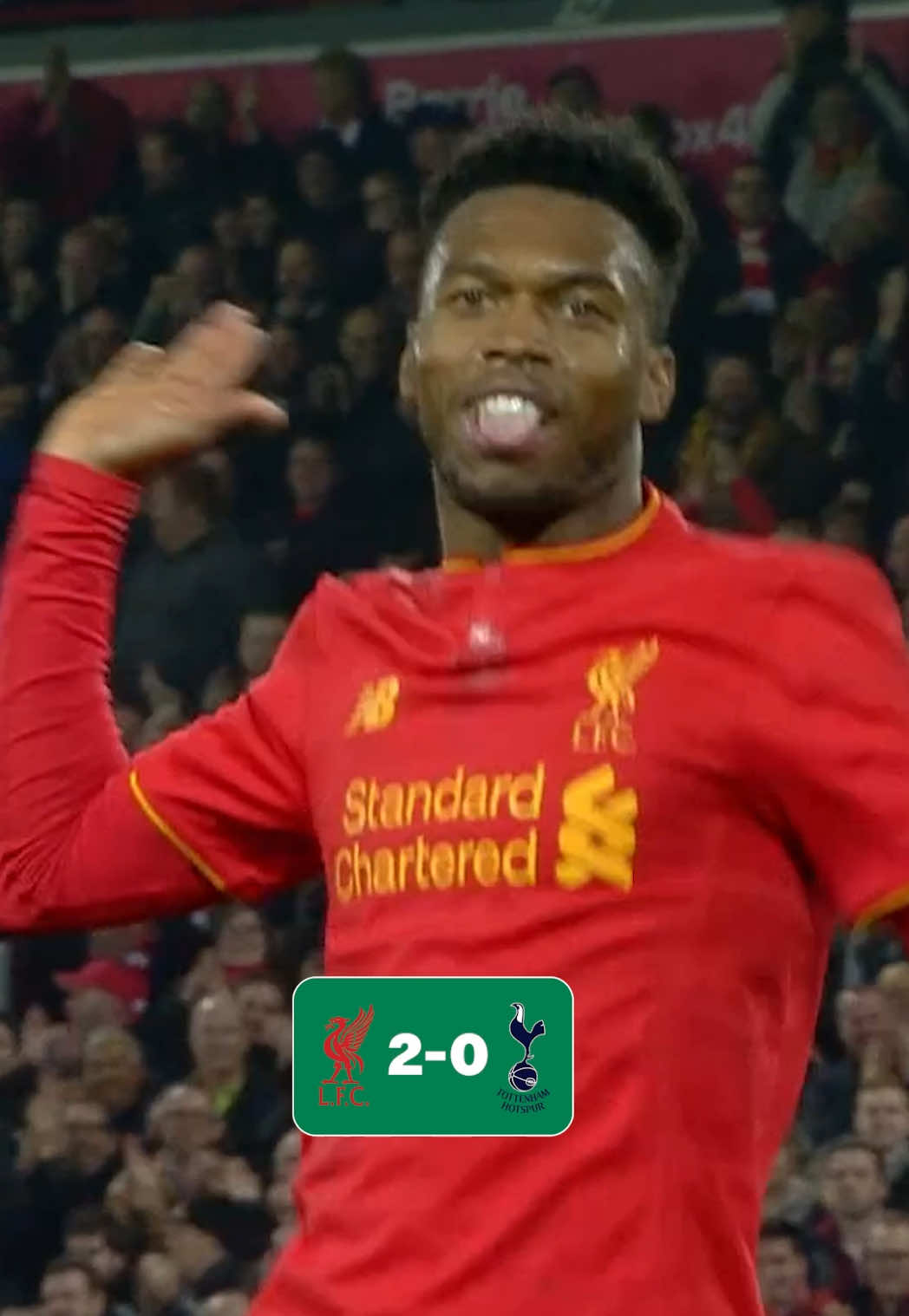
Throwback to this League Cup game between Liverpool and Spurs ⚽️⚽️
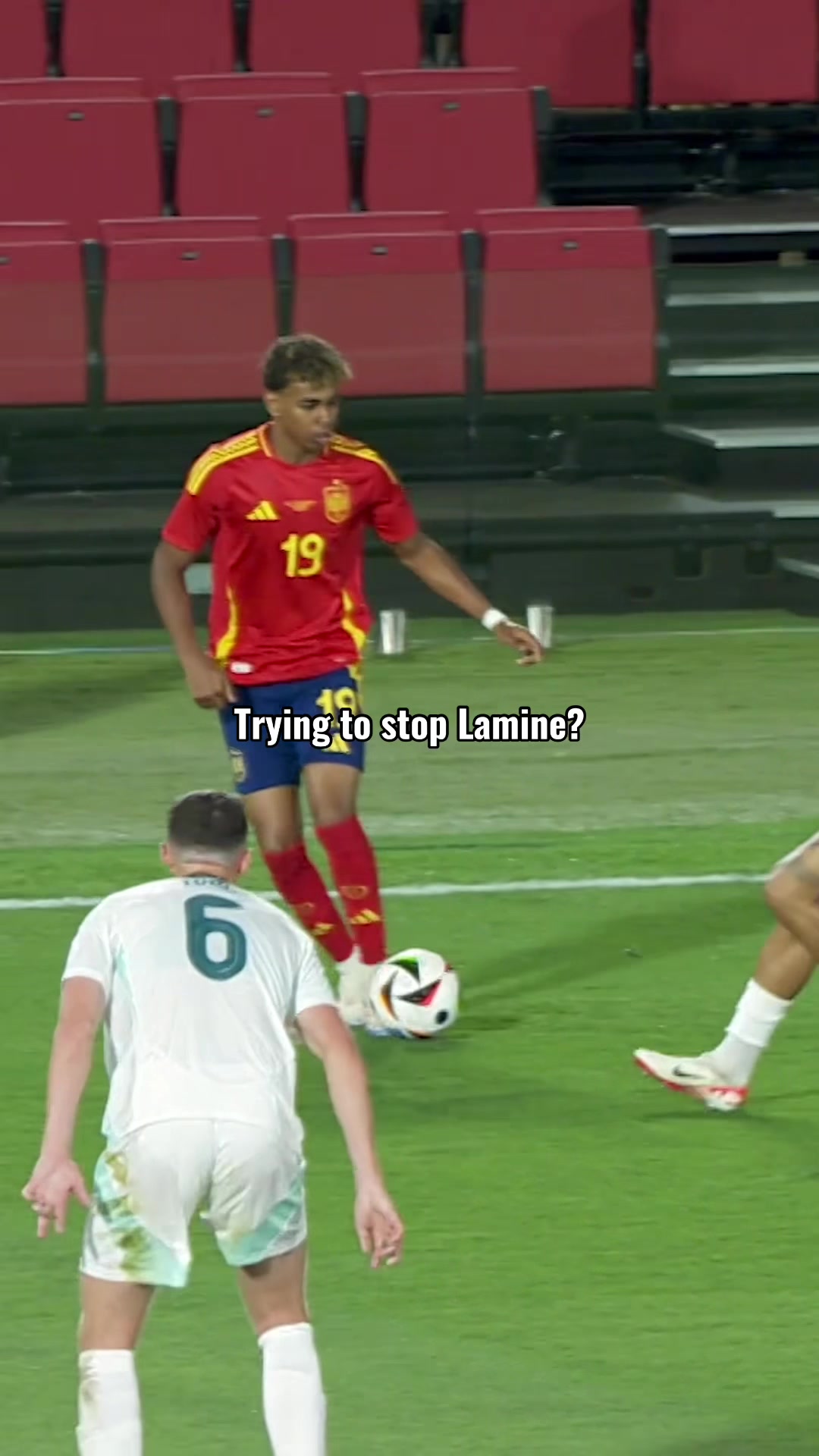
Lamine genius 🪄

raphinha assist today lamine yamal goal today brace today vs levante
 Links
Links
 Contact
 App
App


