



France vs. Spain: The final that came early!


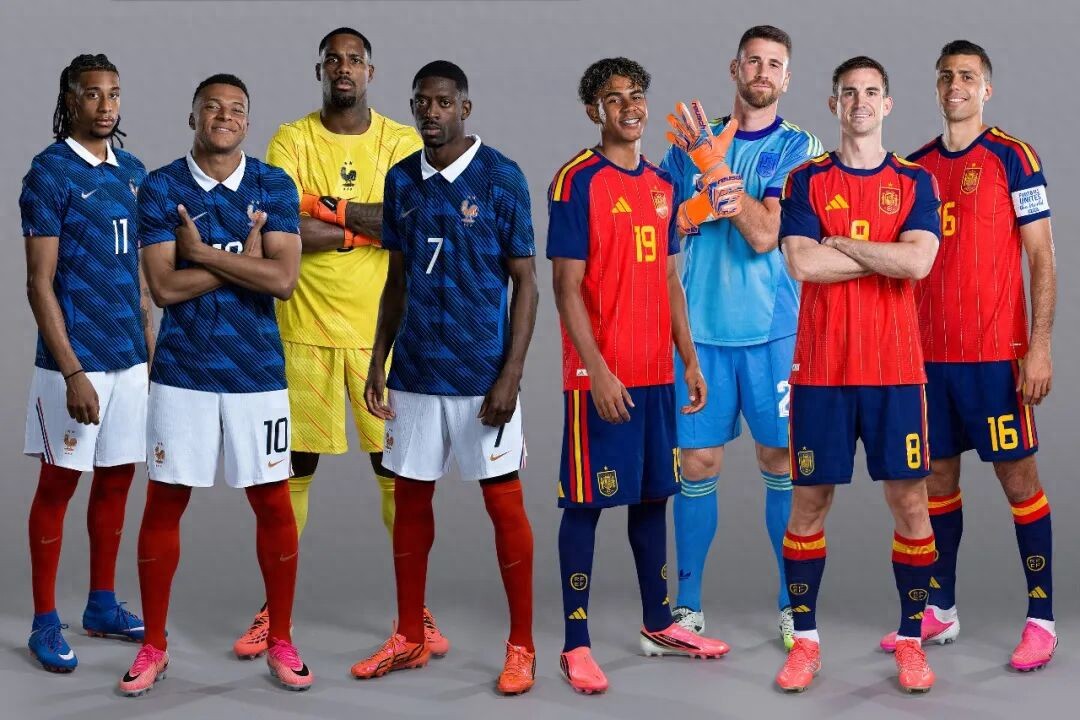
Written by Hanbing The World Cup semifinal between France and Spain is regarded as an early "final" of this World Cup. In the quarterfinal stage, France was in better shape than Spain and also had the physical advantage of playing one day earlier. Even though France's star player Mbappé cut his training time short before the match, Deschamps firmly declared that he is "100% fit." Meanwhile, Spain has fully recovered winger Nico Williams, meaning the Spanish team will for the first time truly have both wings operating at full capacity.
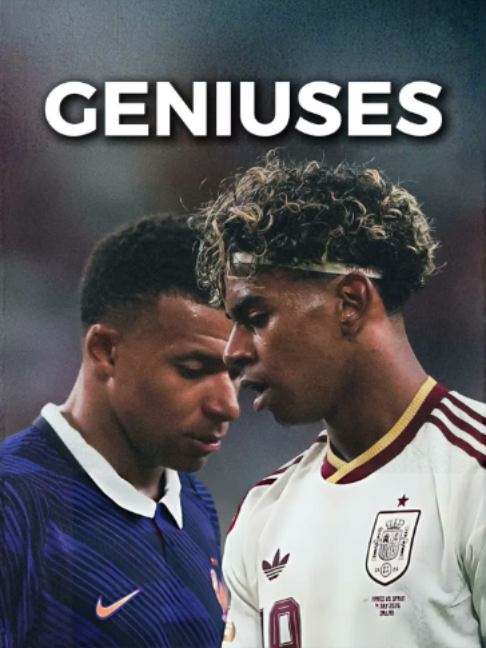
France lost to Spain in the semifinals of both Euro 2024 and the 2025 Nations League. Mbappé has also lost his last five knockout encounters with Yamal at both club and national team levels. This match thus represents a revenge opportunity for both France and Mbappé.

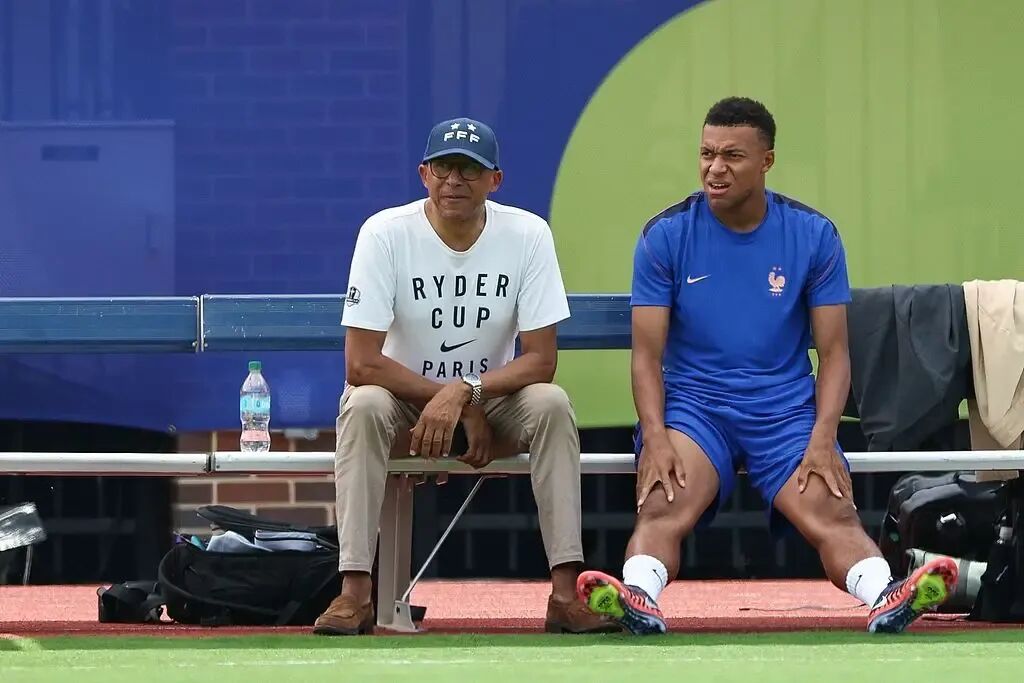
Before the pre-match press conference, French media noticed that Mbappé ended his training session on the pitch about 10 minutes early. After being fouled by Diop and injuring his right ankle in the quarterfinal against Morocco, Mbappé asked to be substituted in the 77th minute. The team doctor immediately examined him and found swelling and bruising on his ankle, with pain lasting for four days. Deschamps' assurances have not dispelled external concerns. Although both Le Parisien and L'Équipe predicted Mbappé would start alongside Dembélé in attack, the French captain's condition remains the biggest question mark.
Additionally, during pre-match training, Barcola and Doué, as well as Tchouaméni and Koné, shared playing time equally in practice scrimmages, leaving the public unsure who would start at left wing and defensive midfield. Le Parisien and L'Équipe both predicted that Tchouaméni would return to the starting lineup to strengthen France's midfield defense. In the competition for left wing, Doué retained trust due to his performance against Morocco in the previous round.
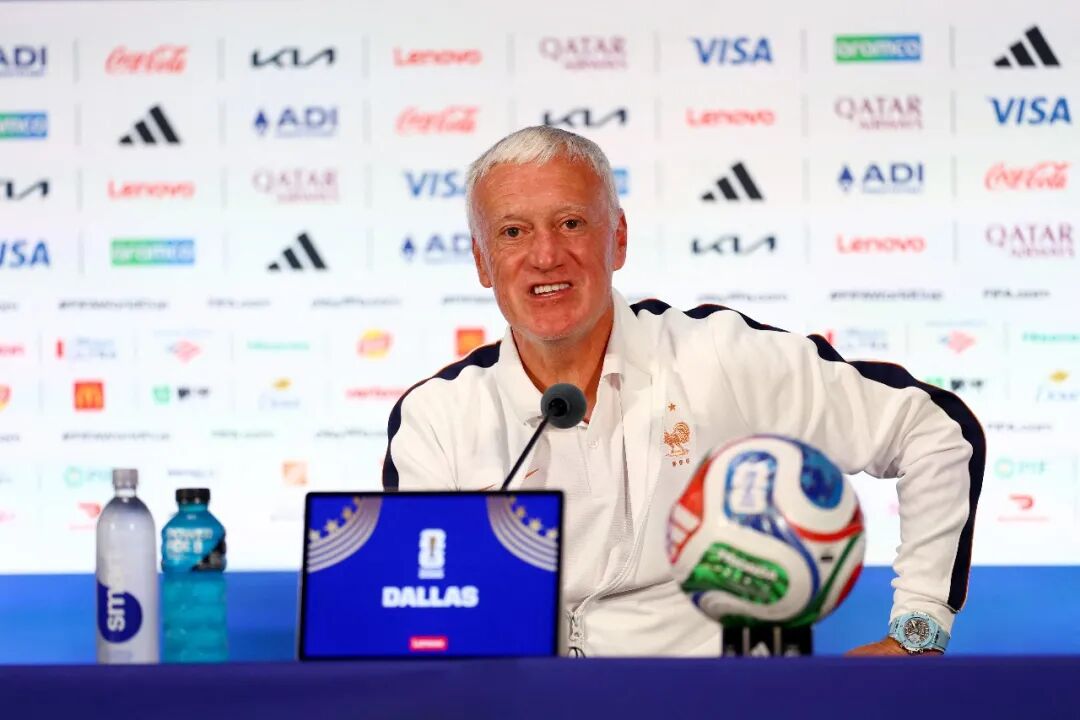
This semifinal is the true test of Deschamps' new 4-2-3-1 formation, which he first tried in last year's Nations League semifinal. After the failure in the Euro 2024 semifinal, Deschamps' sluggish and lackluster France side faced widespread criticism. French media and fans believed that after a decade in charge, it was a dignified exit for Deschamps, and that France's new generation needed a new coach. Although Deschamps had already stated early last year that he would step down after the 2026 World Cup, this actually relieved the conservative and pragmatic manager of pressure. In last year's Nations League semifinal, Deschamps began experimenting with the 4-2-3-1 formation, and Spain became the test opponent for his new system.
Olise, Dembélé, Mbappé, and Doué formed the attacking quartet for the first time. Although France lost 4-5, the new attacking combination gave Deschamps hope. One year later, the new 4-2-3-1 has shone at the World Cup. Facing Spain again in the semifinal, France's new trident must pass the real test and break through Spain's defense, which has conceded only one goal in six matches. Beyond revenge, advancing to the final would prove the success of Deschamps' transformation of France's attacking tactics.

Before this World Cup, teams that launched "psychological warfare" against their opponents almost always backfired, motivating the opposition. In the round of 32, Japan's Keito Tanaka belittled Brazil; before the round of 16, the USA's various off-field moves against Switzerland ultimately spurred the latter's fighting spirit. This time is no exception. Former Spanish Prime Minister Rajoy made racially discriminatory comments against France before the match, saying "France has no French players." In fact, this is not the first time France has faced similar verbal attacks in this World Cup. Before the round of 16 match against Paraguay, their legendary goalkeeper Chilavert had made similar remarks.
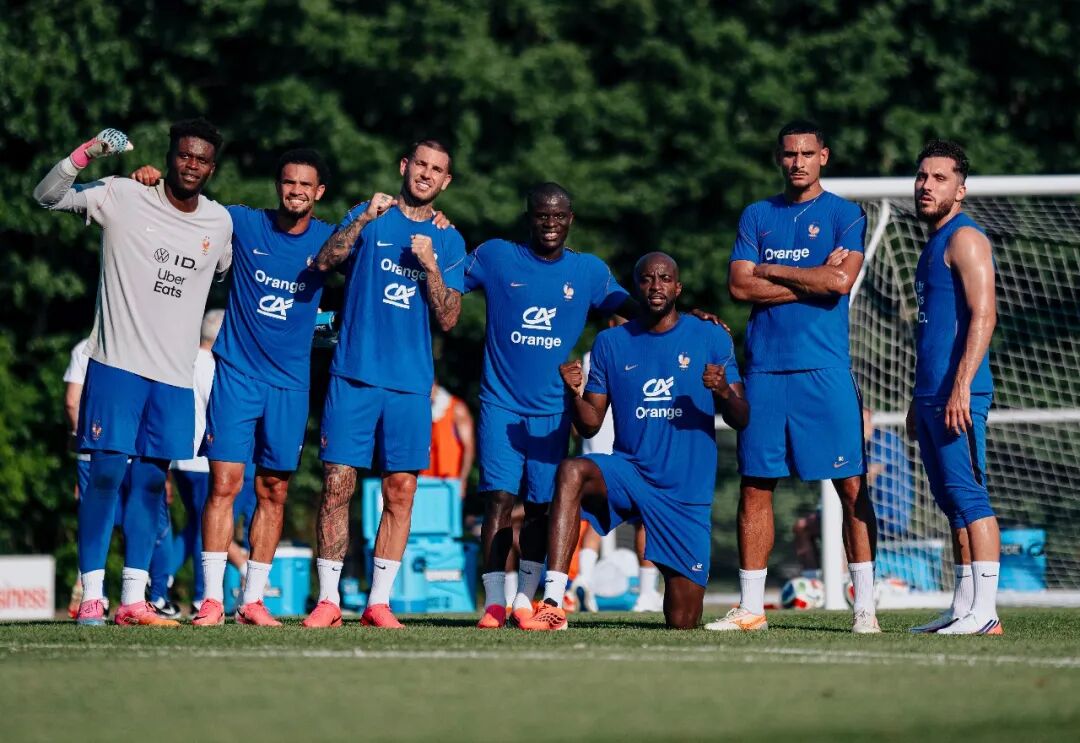
But Rajoy's arrogance is both factually incorrect and hypocritical. Of the 26 players in this French squad, 23 were born in France, making them legally unquestionably French. Although there are 16 of African descent, five from French overseas territories in the Caribbean, and even two of Spanish descent, there are also three players—Rabiot, Digne, and Risse—who are descendants of France's traditional majority ethnic group. By Rajoy's standard, however, three Spanish players would not count as Spanish: Laporte was born in France and was always a French youth international; Yamal and Nico Williams are also of African descent.
Rajoy's racist remarks drew fierce backlash from French media and the French team, and even Spanish players opposed him. Defenders Cubarsí and striker Borja both publicly stated they did not endorse Rajoy's comments. Moreover, France had just defeated Paraguay, which had used similar verbal attacks, and the former Spanish prime minister's outrageous statements only galvanized the French team's determination. Konaté and Émery both said before the match that this would only increase their resolve to beat Spain.

The Spanish camp was filled with a joyous atmosphere before the match, as the team celebrated birthdays for Nico Williams, Yamal, and Muñoz. The good news is that Nico Williams is fully recovered. In the quarterfinal against Belgium, he came off the bench for 15 minutes and showed excellent form, completing all seven passes and reaching a top sprint speed of 33.9 km/h. This means that in this World Cup, Spain will for the first time truly have both wings operating at full capacity, significantly boosting their attacking power.
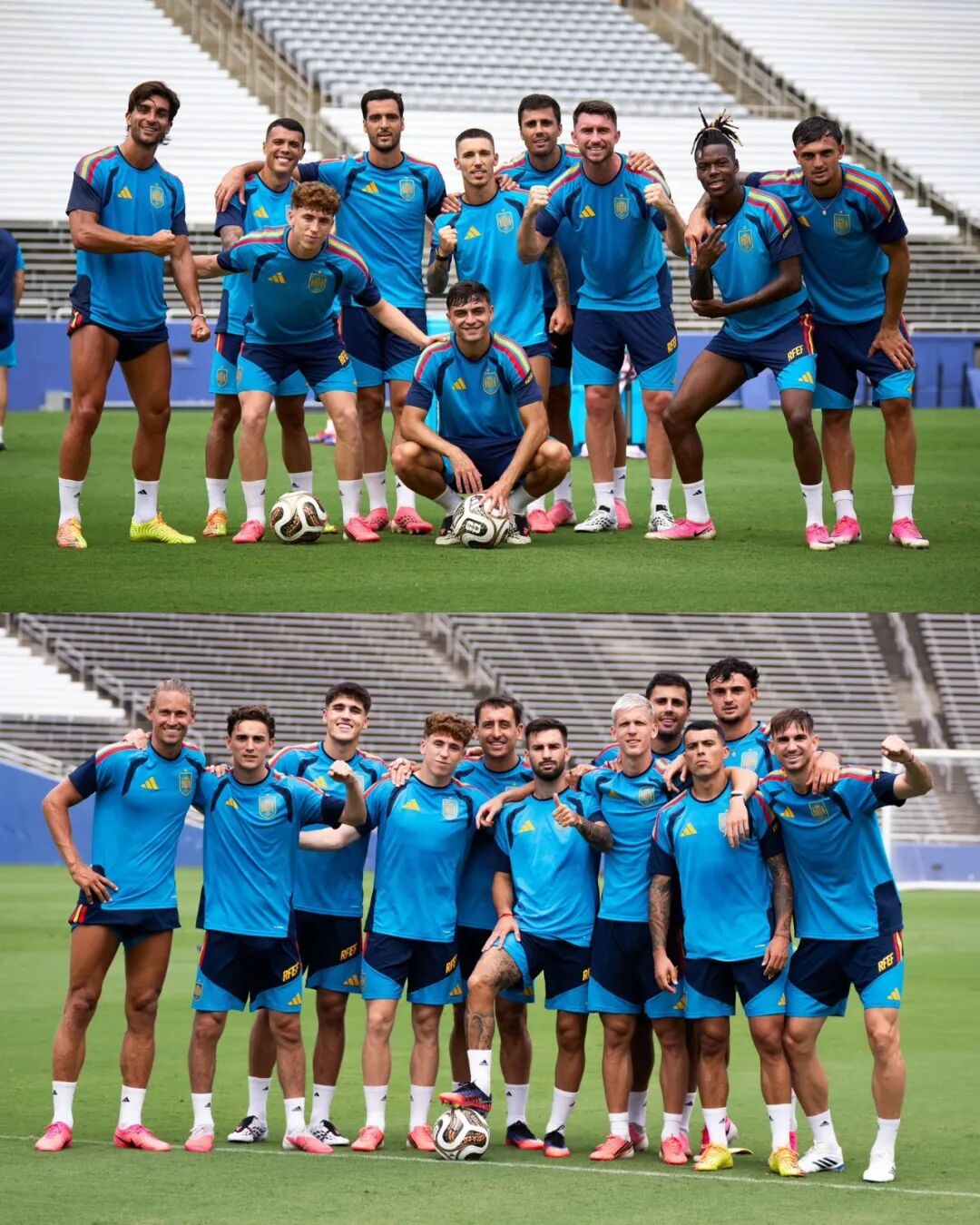
France has a physical advantage. Not only did they play their quarterfinal one day earlier than Spain, but throughout the World Cup, France has been based in Boston with almost no long-distance travel, totaling only 10 hours of flight time. Spain, on the other hand, has traveled over 20 hours by air, plus eight hours by bus, crossed six time zones, and covered more than 9,000 kilometers. However, Spain played their round-of-16 match in Dallas, making them more familiar with the stadium environment. France has previously played all their matches in open-roof stadiums, while Spain has played five of their six matches in covered, air-conditioned venues. The comfortable conditions at the Dallas stadium may actually suit France better.
Spanish media predict that Spain's starting lineup will remain largely unchanged, with the only question being whether Fabián Ruiz or Pedri will start. Nico Williams is likely to come off the bench again, using his pace to attack France's tiring defense, serving as Spain's trump card in the final third of the match.
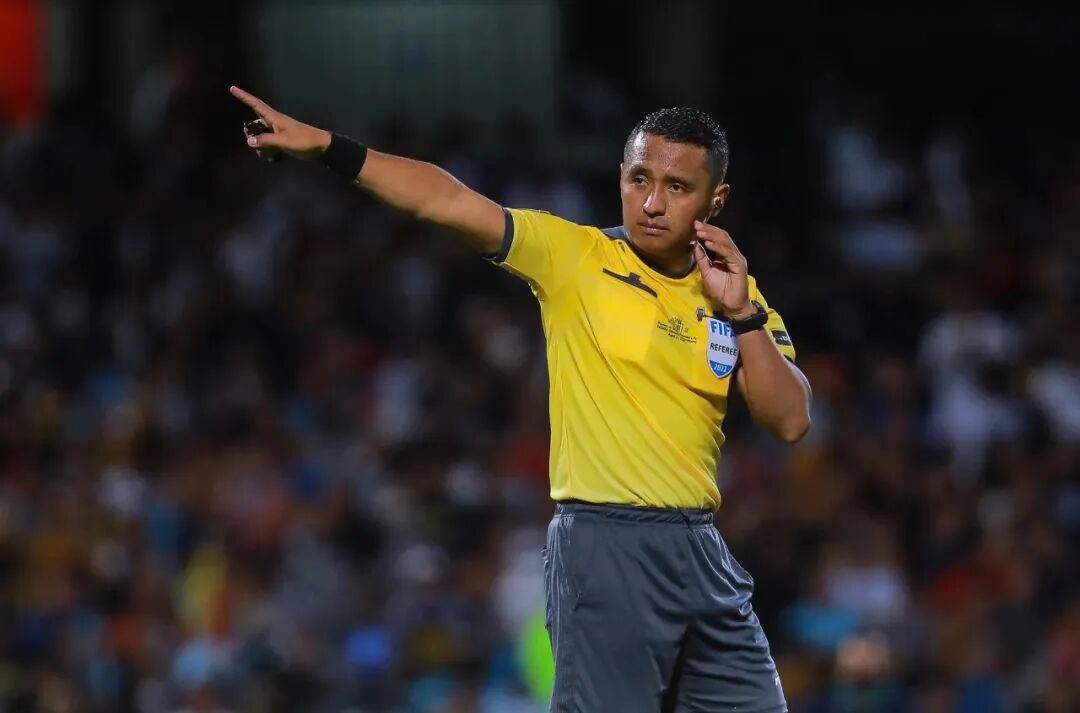
The referee for this match is Salvadoran official Iván Barton. In this World Cup, he has officiated Paraguay's 1-0 win over Turkey, Japan's 1-1 draw with Sweden, and Switzerland's penalty shootout victory over Colombia after a 4-4 draw. This 35-year-old young referee is a rising star in the CONCACAF officiating ranks and has never before handled a match between the senior French and Spanish national teams. However, he did referee two group-stage matches for the France U17 team and one for the Spain U17 team at the 2019 U17 World Cup, with both teams winning. At the 2021 Tokyo Olympics, he took charge of the group match between France and Japan, which France lost 0-4. But that French side was barely even a third-tier team, making that match irrelevant.


Wonderfulshortvideo
ballon d'or lamine yamal mbappe interview press conference ballon d'or winner france football edit


Leeds United demolish Newcastle at elland road
Throwback to this League Cup game between Liverpool and Spurs ⚽️⚽️
Lamine genius 🪄
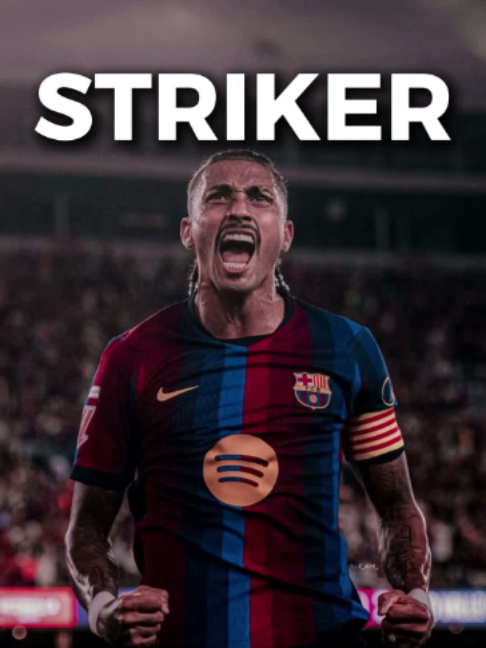
raphinha assist today lamine yamal goal today brace today vs levante
Follow for more pokemon content! So what do I do with them now?…
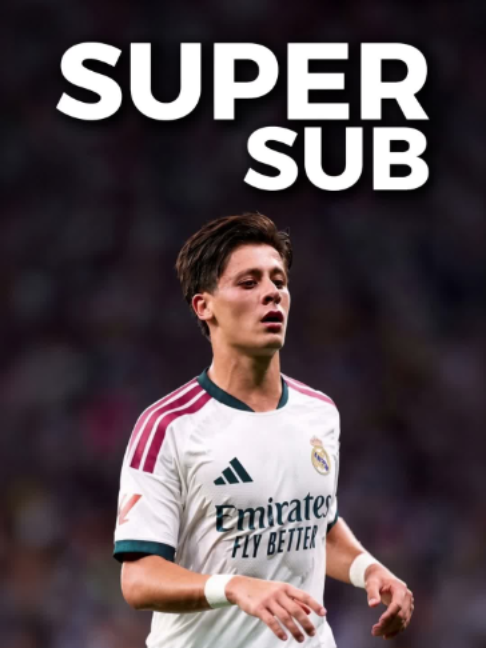
arda guler assist today guler vs rayo vallecano mbappe goal today jude bellingham goal today
 Links
Links
 Contact
 App
App


