



France's "unprecedented" complete defeat, an ignominious farewell for Deschamps


Written by Han Bing. Even the most pessimistic French fans could hardly have imagined that France would be crushed by Spain in such a hopeless manner. This World Cup semifinal was even more despairing than last year's Nations League semifinal: at that time, although Spain led 4-0, France managed to score four goals and lost 4-5, salvaging some dignity. But this time, the Mbappé-Olise-Dembélé trident, which had been dominant in the first six matches of the World Cup, had almost no scoring chances throughout the game. This was an almost unprecedented complete defeat for France in a World Cup knockout match.
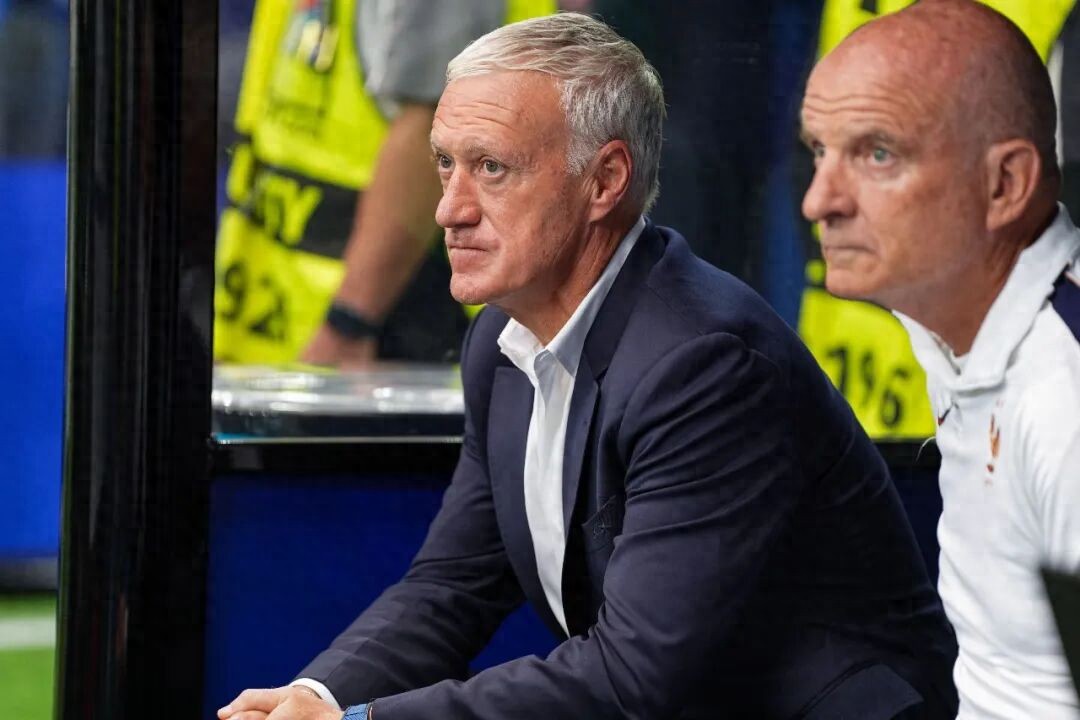
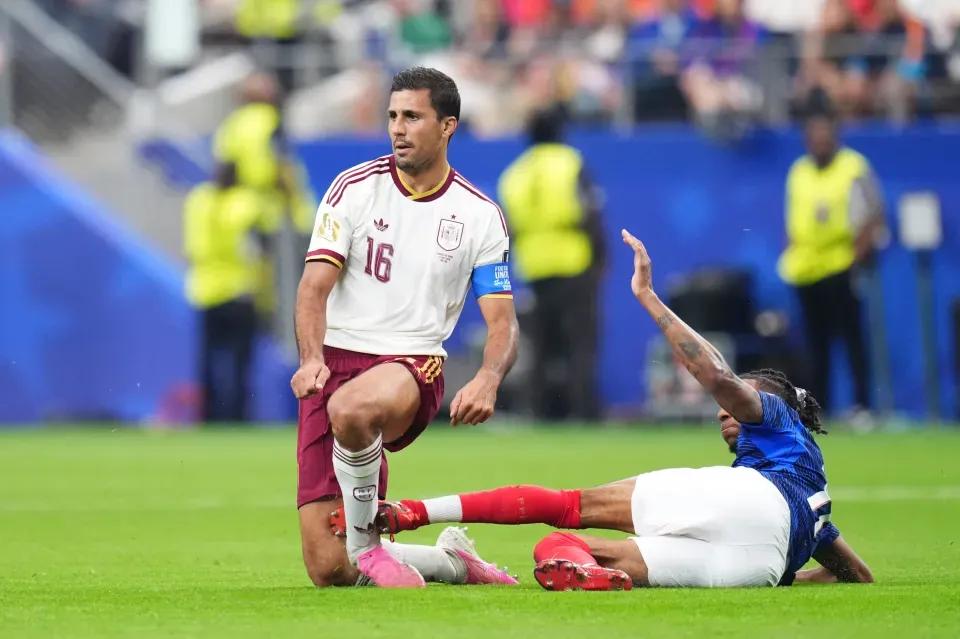
After the match, France coach Didier Deschamps hesitated and tried to criticize the mixed refereeing team from Central America and Sweden. Spain coach Luis de la Fuente responded bluntly: "Those who lose always complain about the referee; we also had a goal disallowed." Indeed, the mixed referee panel missed several key fouls and had inconsistent standards, but it was by no means a scapegoat for France's complete defeat due to tactical and personnel errors. In fact, if the refereeing had been up to standard, Olise's tackle from behind on Rodri's ankle in the 15th minute would have left France with one player less, making the match even less suspenseful.
In the match against Spain, Deschamps surpassed German coach Helmut Schön (1966-1978, 25 matches) to become the coach with the most World Cup appearances (26 matches). But he did not receive victory and a place in the final as a gift for this record. In fact, France's complete defeat was directly related to Deschamps' continuous errors in lineup selection, starting tactics, and in-game adjustments. As French midfielder Cherki said after the match: France lost to themselves, not the referee; the refereeing was poor but did not disallow our goals.
Like Cherki, Mbappé admitted that France had beaten themselves. It was a tactical and technical failure: "We didn't play our usual style. Our idea was to press high and avoid falling into the opponent's rhythm, but we failed. We had too many technical errors. When we should have been threatening them, we couldn't. In our pressing approach, we were always in a three-on-two situation in midfield, which made it very difficult against Spain. We let them control the tempo, when we should have been the ones to change that, and that's where we lost."
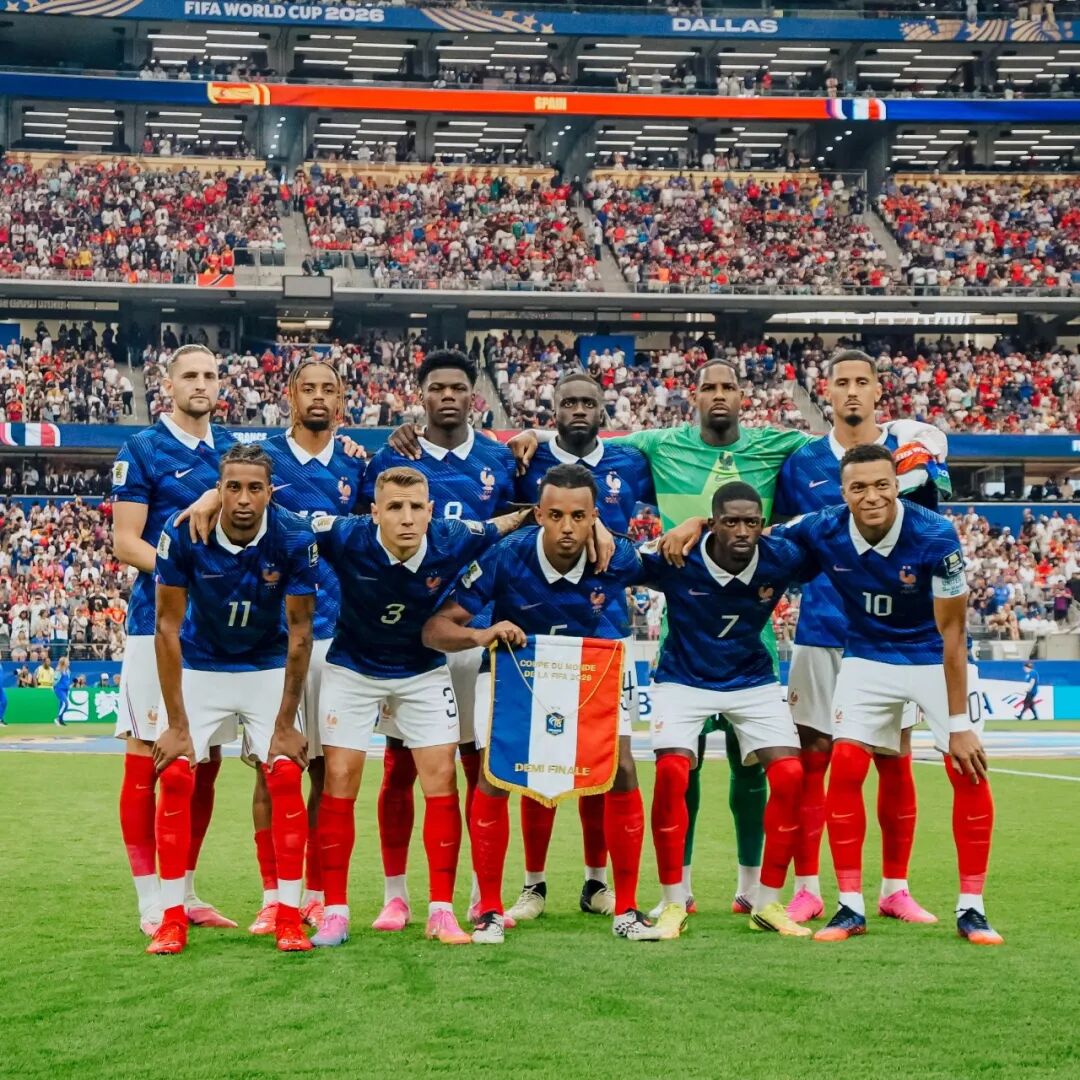
In facing the failure, at least the French players showed more responsibility than Deschamps. As Mbappé said, France's complete defeat was almost entirely due to coach Deschamps' mistakes. Before the match, French media and fans generally believed that against Spain's possession style, Doué, who could help the midfield more, should start, and Koné, with his greater defensive coverage, had more advantages than Tchouaméni. But the opposite happened. Moreover, knowing that Digne's side was a weak point, there was no targeted bold substitution. As a result, neither of Spain's two goals came from their own creation; both came from defensive loopholes on Digne's side.
In the post-match ratings from Radio Monte Carlo, no French player reached a passing grade of 6, with only goalkeeper Maignan and center-back Upamecano scoring 5. Digne, who was involved in both French goals conceded, got only 2. Tchouaméni, who had no impact in midfield battles, got 3. Olise and Dembélé, almost invisible in attack, also scored 3. Even Mbappé only got 4. The low scores of Tchouaméni and Barcola directly proved the failure of Deschamps' lineup decisions.
One could say France was unlucky: Rabiot received a yellow card in the 10th minute, which forced him to hold back for most of the first half. Saliba's injury in the 29th minute made things worse, forcing France to focus more on defense rather than boldly attacking. Deschamps tried to swap Olise and Dembélé's positions to improve the attack, but to no avail. After the match, French media criticized Deschamps for leaving 2018 World Cup winner Kante on the bench. Kante could have helped France reverse the midfield disadvantage and open the supply line to the attack.
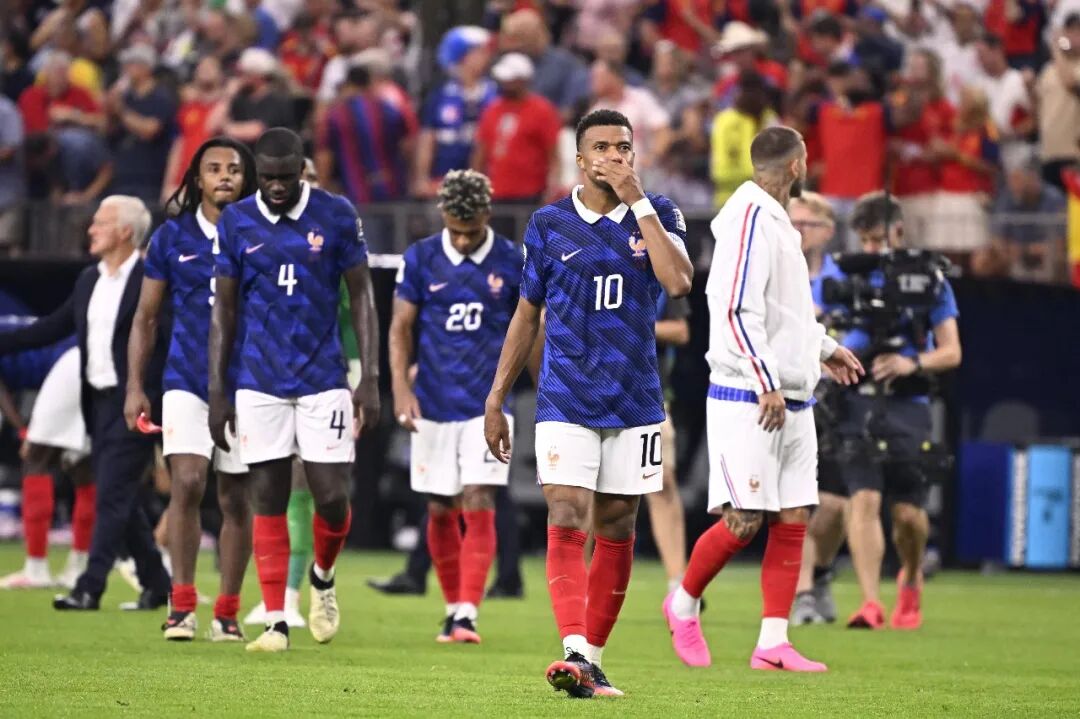
Barcola, whom Deschamps believed could break through on the wings and suppress Porro, also failed to make an impact. Deschamps substituted Rabiot with Koné in the second half, and later brought on Doué, Theo, and Cherki. However, at that point, France should have used a target-man tactic with crosses from the flanks to bypass the midfield, but Deschamps stuck to his usual approach. In the final 20 minutes, Deschamps used all five substitutions, but could only watch helplessly as the situation showed no improvement. Deschamps had placed his hopes on the new trident, but when they lost their supply line from the midfield, they became ineffective. The high press, which is usually the most effective counter to possession football, was also not employed by France—this was considered by French media as the biggest tactical mistake.
Having been defeated for the third consecutive time in the semifinals by De la Fuente's Spanish "golden generation," France indeed needs a change of approach. This is the first time France has failed to reach the final after advancing from the World Cup semifinals four times in a row. Previously, French teams led by Fontaine (1958) and Platini (1982 and 1986) had been eliminated in the semifinals three times in a row. Deschamps found a solution for France's frontline—the Mbappé-Olise-Dembélé combination is arguably the best in the world. However, ensuring this trio can perform effectively against all strong teams is the challenge Deschamps leaves for his successor, Zidane.
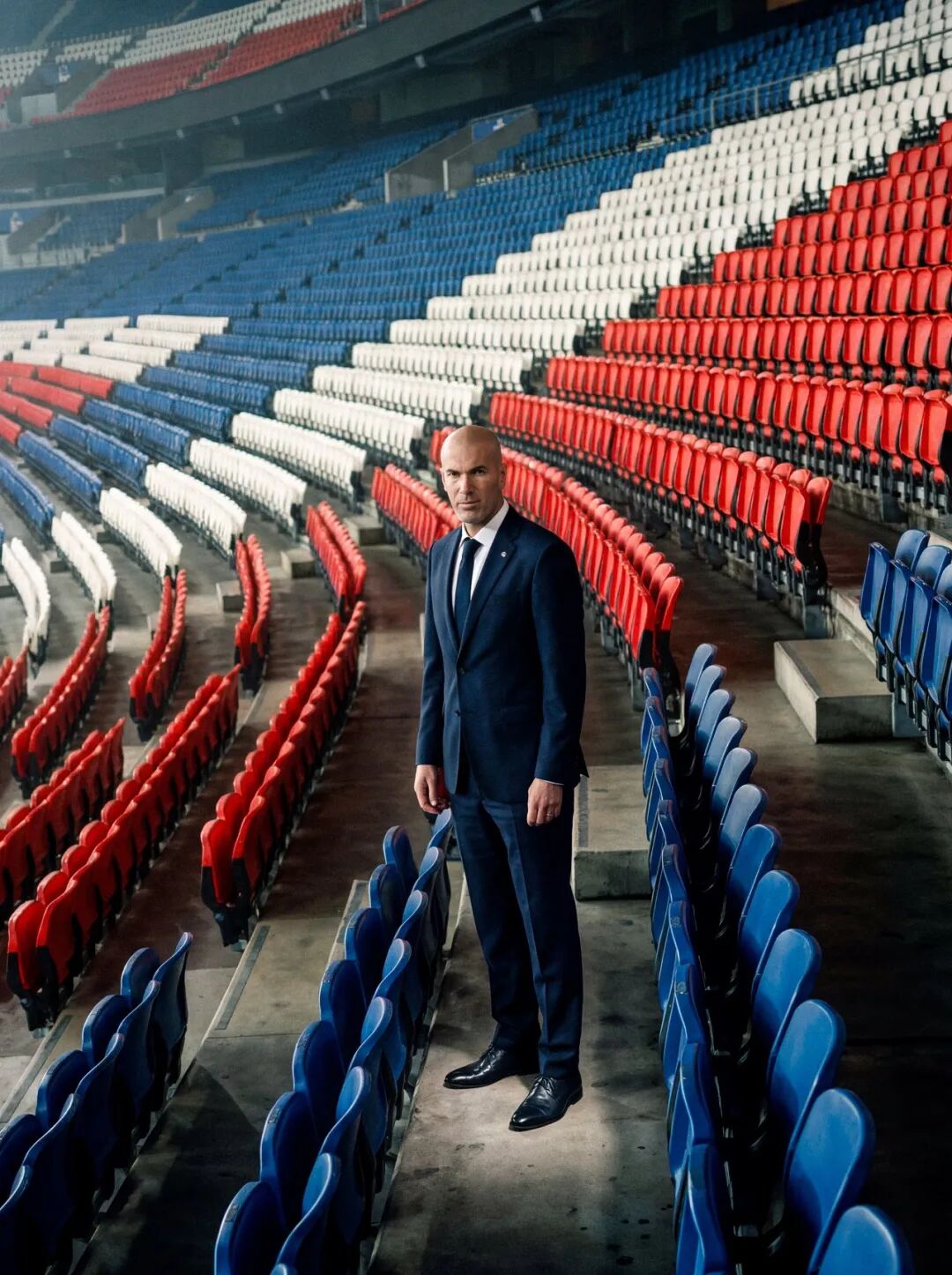


Wonderfulshortvideo
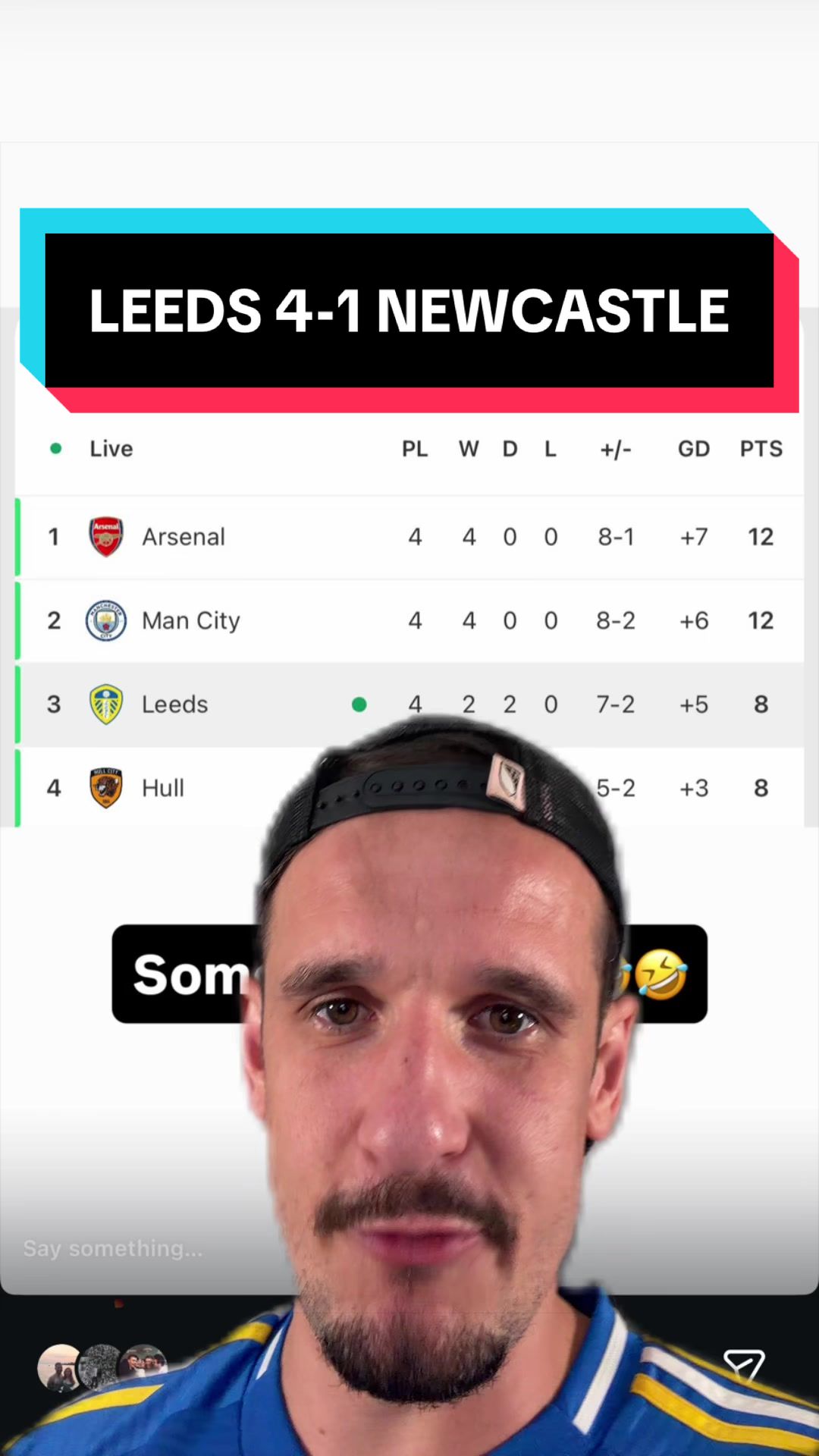
Leeds United demolish Newcastle at elland road


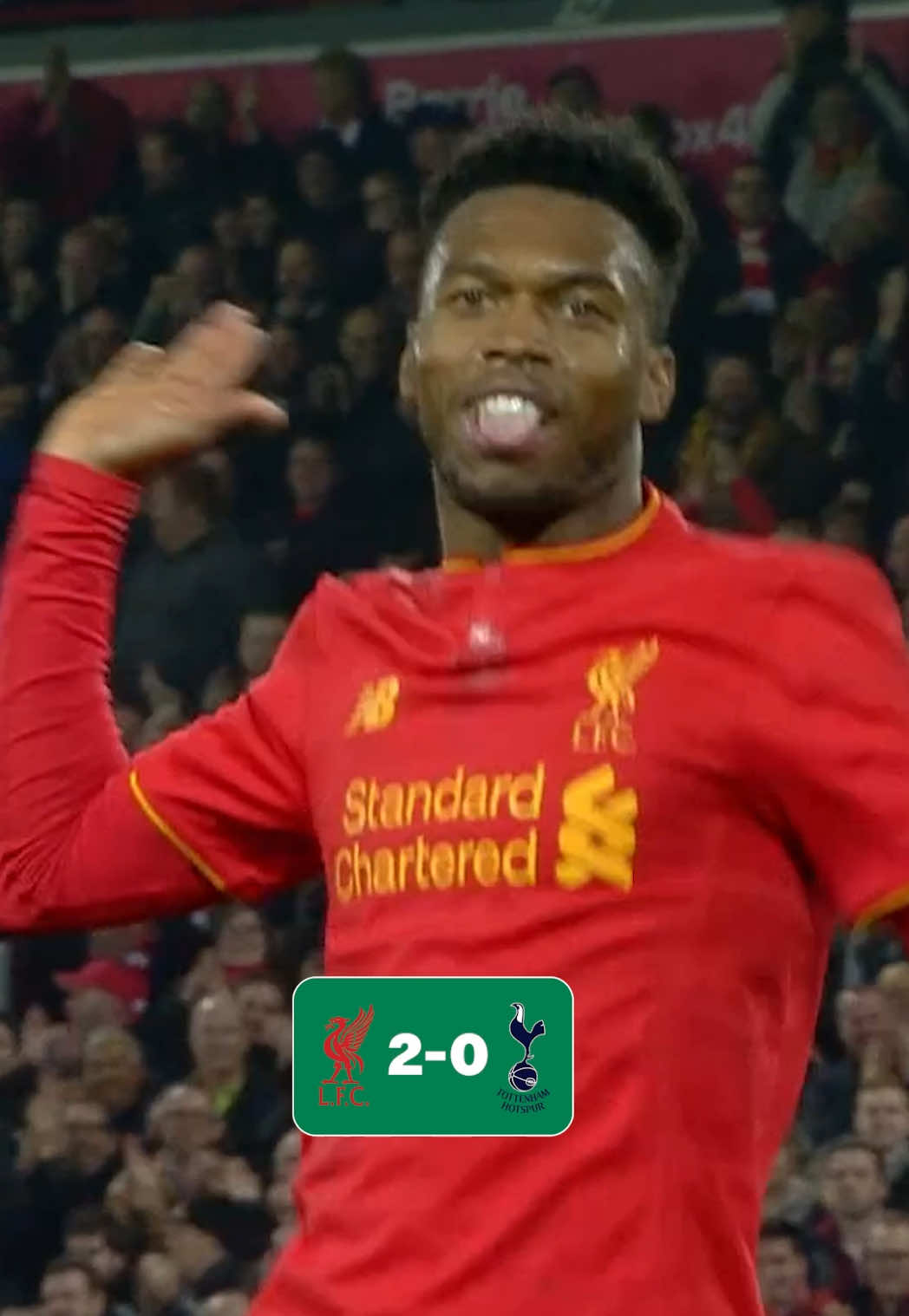
Throwback to this League Cup game between Liverpool and Spurs ⚽️⚽️
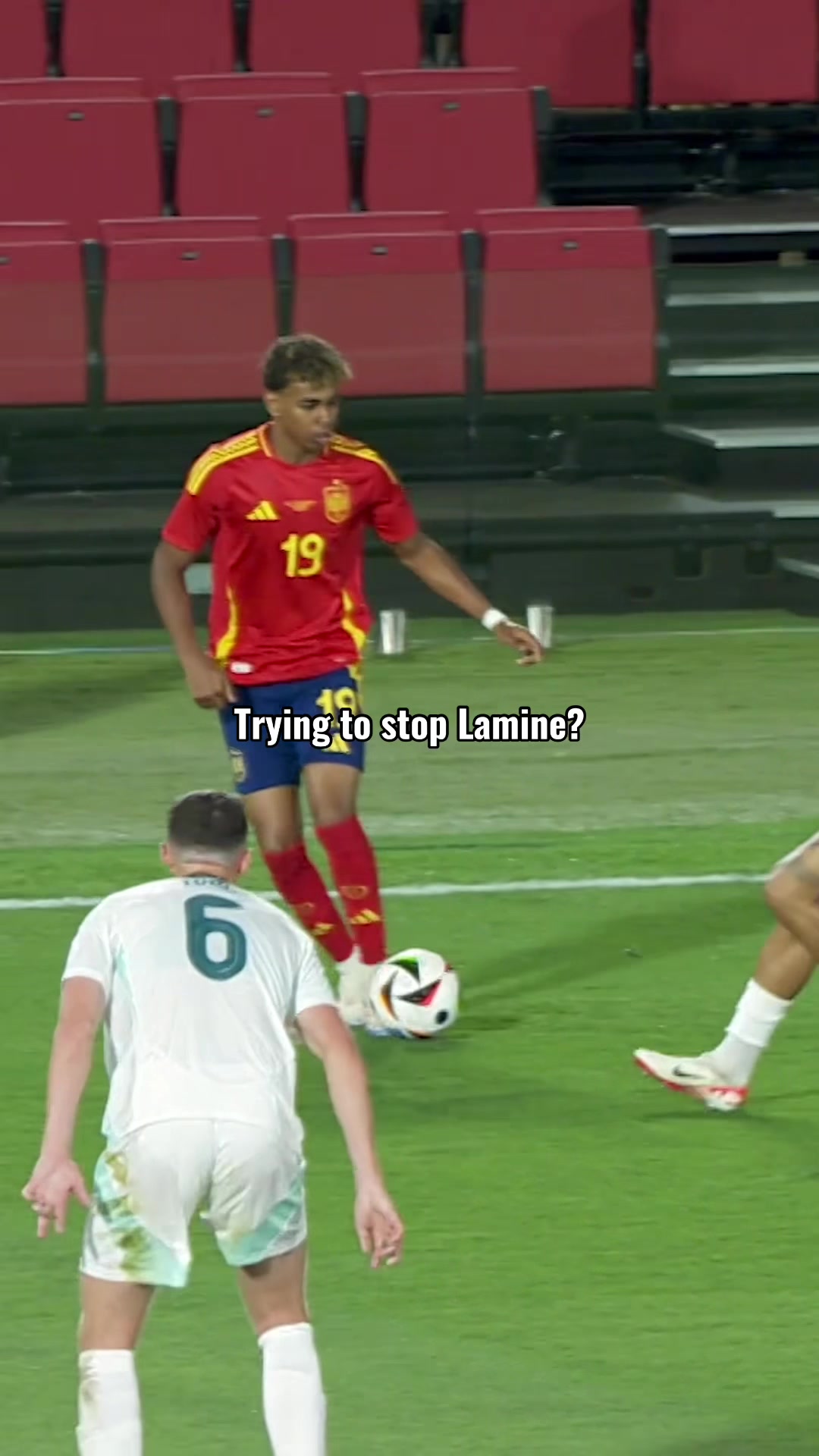
Lamine genius 🪄
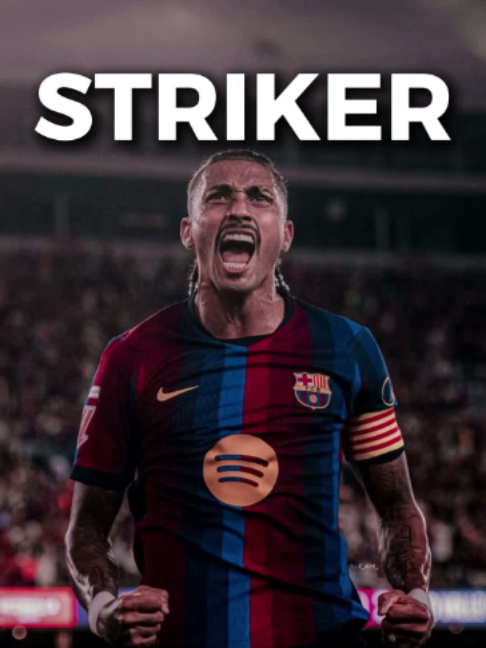
raphinha assist today lamine yamal goal today brace today vs levante
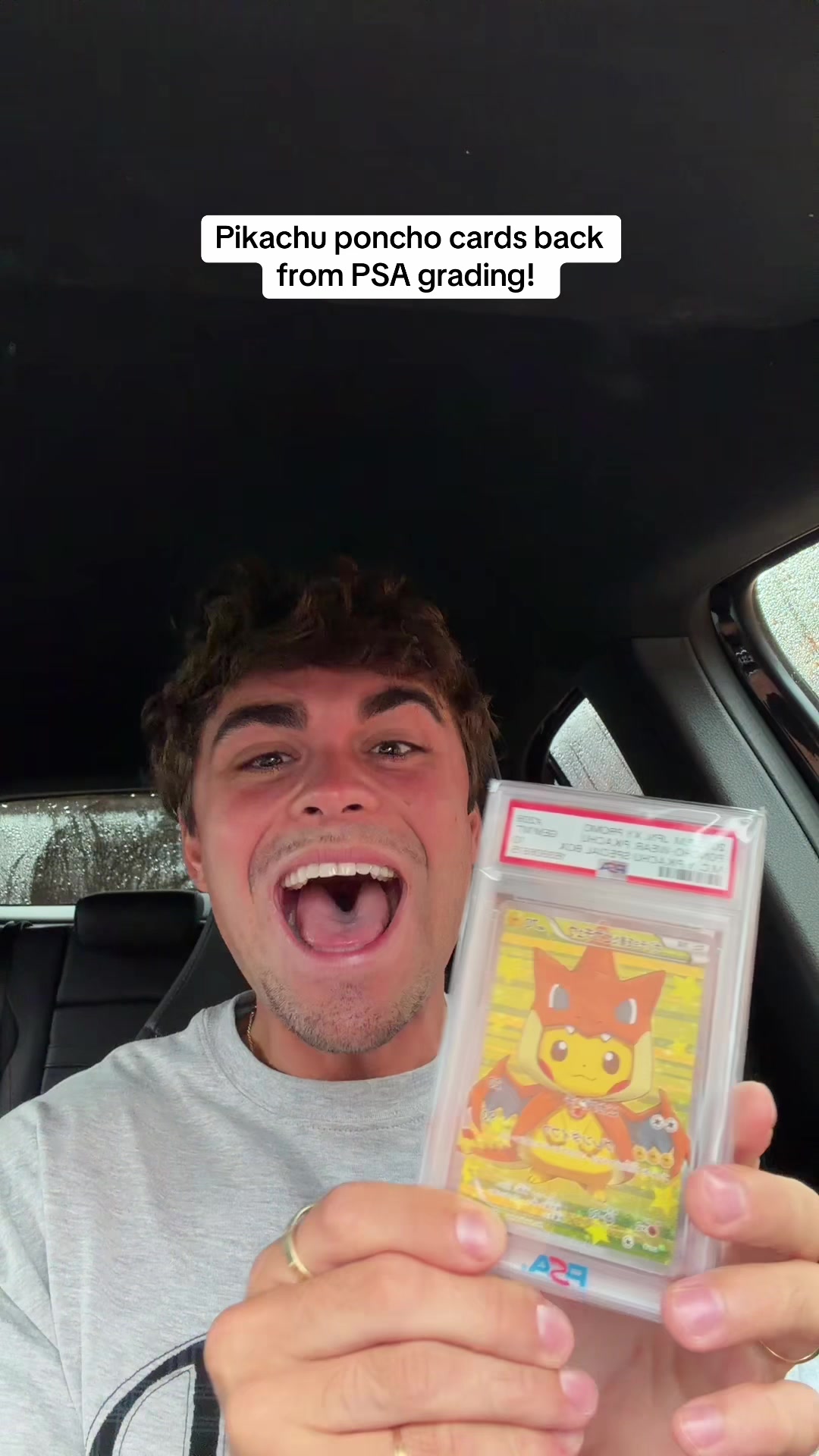
Follow for more pokemon content! So what do I do with them now?…
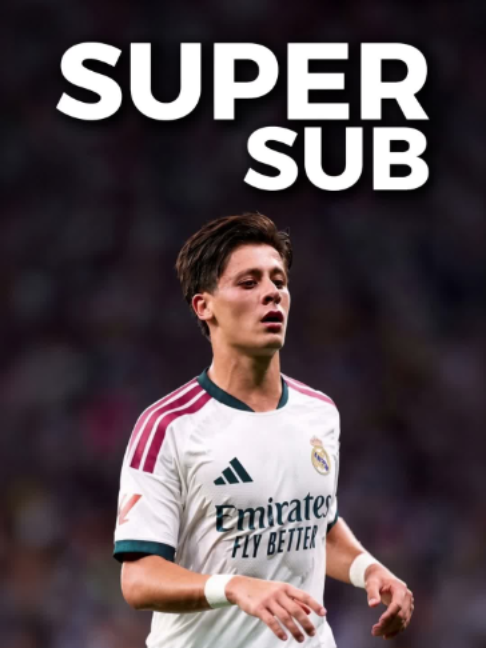
arda guler assist today guler vs rayo vallecano mbappe goal today jude bellingham goal today
Cristiano Ronaldo and Al Nassr vs Al Khaleej
 Links
Links
 Contact
 App
App


