



60 years without a title, England-Argentina rivalry, first encounter with Messi — England has too much at stake



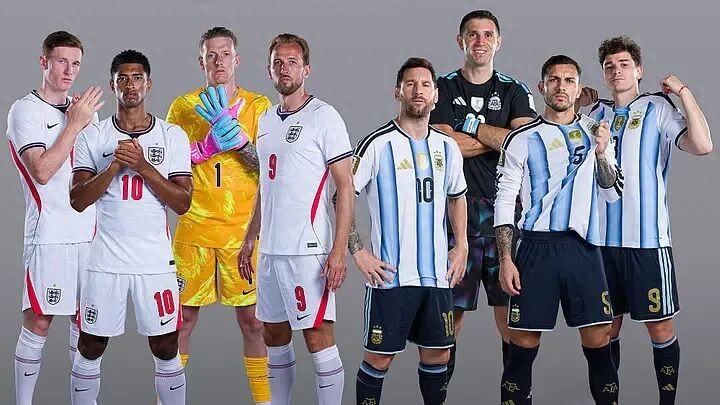
Written by Han Yixi The police in Atlanta, USA will face the most high-pressure game since the start of the 2026 World Cup, because England is about to take on Argentina.
Argentina's head coach Scaloni tried to cool down the match before the game: "I want to tell the Argentine people that this is just a game." Perhaps his more important goal was to calm his own players, as Argentina had just played three rounds of extremely tough knockout matches. They were the absolute favorites in each game, but they fought very hard and even had some luck.
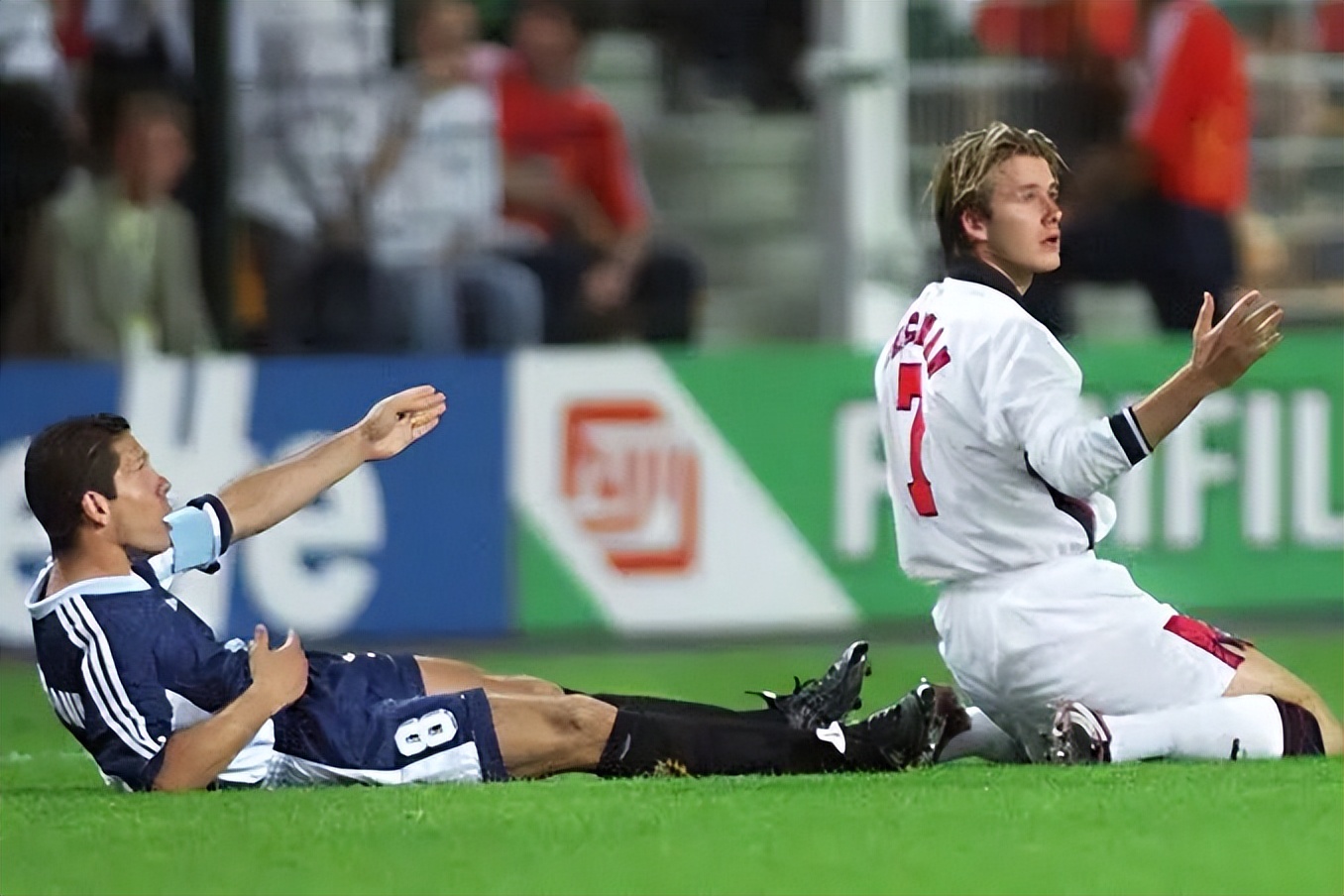
In the Round of 32 of this tournament, when Argentina faced the dark horse Cape Verde, an interesting scene occurred at the Hard Rock Stadium in Miami. Beckham and Diego Simeone sat side by side in the stands like friends, watching the match, evoking countless memories and emotions. This scene must have reminded veteran fans of the classic England-Argentina clash in the 1998 World Cup Round of 16: Beckham's slight retaliatory kick on Simeone, the latter's exaggerated fall, Beckham's red card, and England eventually winning on penalties. Overnight, Beckham went from being a "heartthrob" to a "target of hatred."
Another anecdote from that match: the Argentine team scored a goal through a brilliantly imaginative free-kick routine, with Zanetti finding the net. He recently revealed, "We tried that free-kick tactic in training for four years without success, but it worked against England. The position was originally for Ortega, but Passarella (then Argentina's head coach) told me to take it."
Times have changed. Both Beckham and Simeone, now in their 50s, have long since put their differences aside. But that does not mean the English and Argentine people have reconciled. For many Argentines, Brazil is a rival, but the hatred for England is on another level — and the reason is none other than the 1982 Falklands War. That is a deep pain for many Argentines, and it remains so to this day. After Argentina defeated Switzerland in the previous round to advance to the semifinals, a large number of fans in the stands chanted in unison: "Whoever doesn't jump is English!" Clearly, Scaloni called this matchup "just a game," but Argentine fans will not.
Is it possible that Messi, who has led the team to three consecutive major tournament titles and is already considered a god, still has to look up to Maradona in the eyes of many Argentine fans — especially the older ones? Not because he lacks so-called "dominance," but because he has never led the team to defeat England?
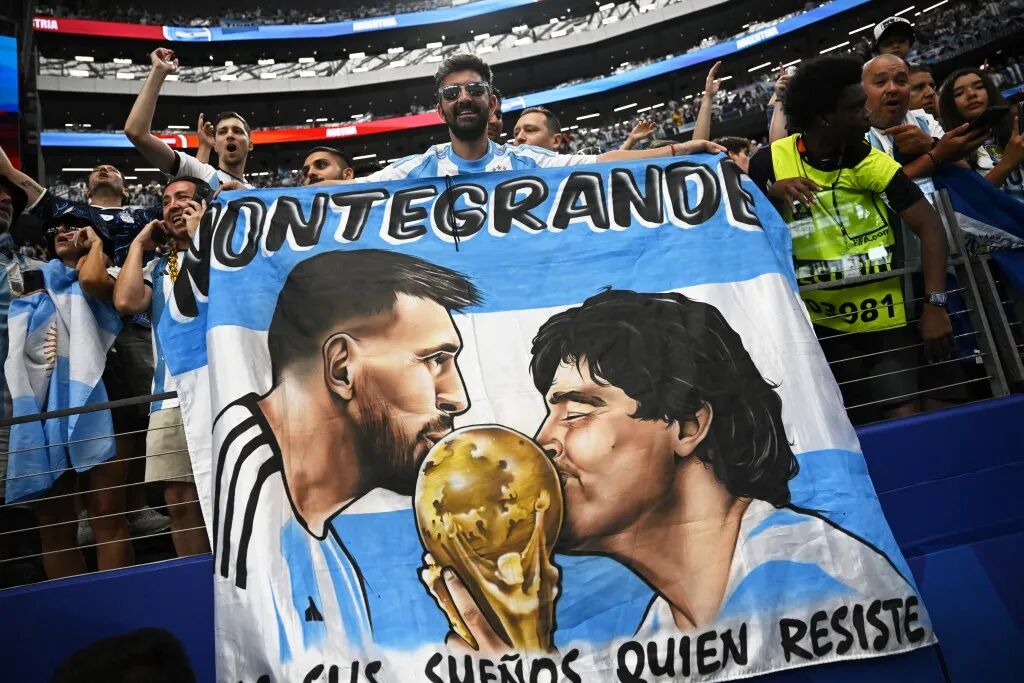
Messi made his official debut for Barcelona's first team in 2004 and made his Argentina debut in August 2005. In his 21-year national team career, he has faced almost all the major European and American teams, but never England. The last England-Argentina match was a friendly in November 2005, which Messi missed due to a red card suspension. Who would have thought that wait would last 21 years?
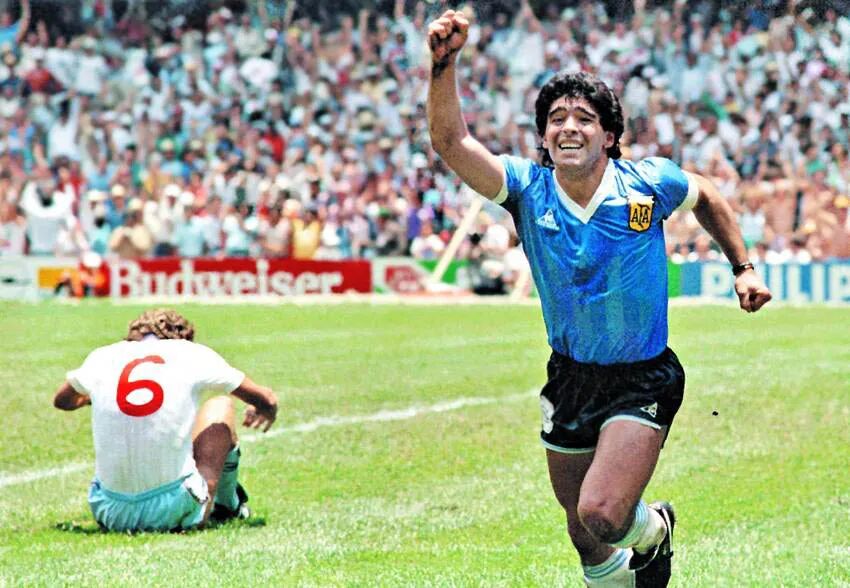
Is this a destined battle? In what might be his last World Cup, he must face this old rival. Forty years ago, his predecessor Maradona gave the English a harsh lesson at the Azteca Stadium in Mexico, creating the legendary "Hand of God" and the "Goal of the Century" that are iconic in football history. That match carried immense national sentiment for Argentines, who had just experienced the Falklands War defeat four years earlier. Maradona triumphed and became a god; Messi must do the same to be considered his equal.
The English are also seeking redemption, not just the Argentines.
The 40-year Azteca nightmare was largely alleviated when they defeated the host Mexico in the quarterfinals at that very stadium. But as Bellingham, who scored twice, said after the match: "The debt is not settled because we didn't beat Argentina, and they went on to win the title 40 years ago!" Beckham, whose career was nearly ruined by a red card in 1998, got his most direct revenge at the 2002 World Cup in Korea/Japan. He smashed in a penalty kick, clearing all his bitterness and completing his redemption, while pushing Argentina to the brink of group-stage elimination. That year, Kane was under 10 years old, and Bellingham was not yet born. Now, they shoulder the responsibility of stopping Messi together.
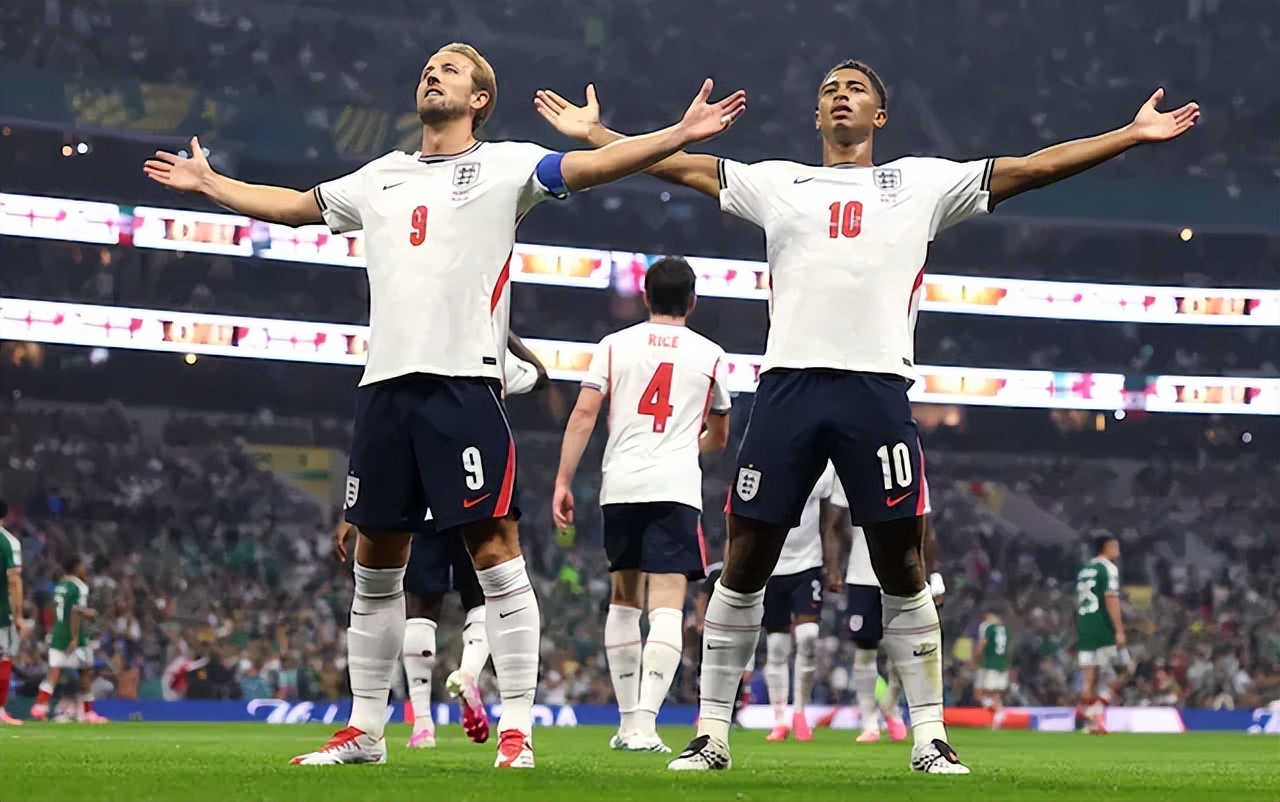
Don't forget that Harry Kane and Bellingham are also in the race for the Golden Boot. In the quarterfinals, they jointly eliminated Haaland, who had 7 goals. Bellingham scored a brace, bringing his personal tally in this World Cup to 6 goals, same as Harry Kane. This is the first time in World Cup history that a single team has two players with 6+ goals each. "It's either Kane or Bellingham, either Bellingham or Kane," commented Ibrahimovic, who was a guest commentator. Of the 13 goals England have scored so far, only one was not from either of them.
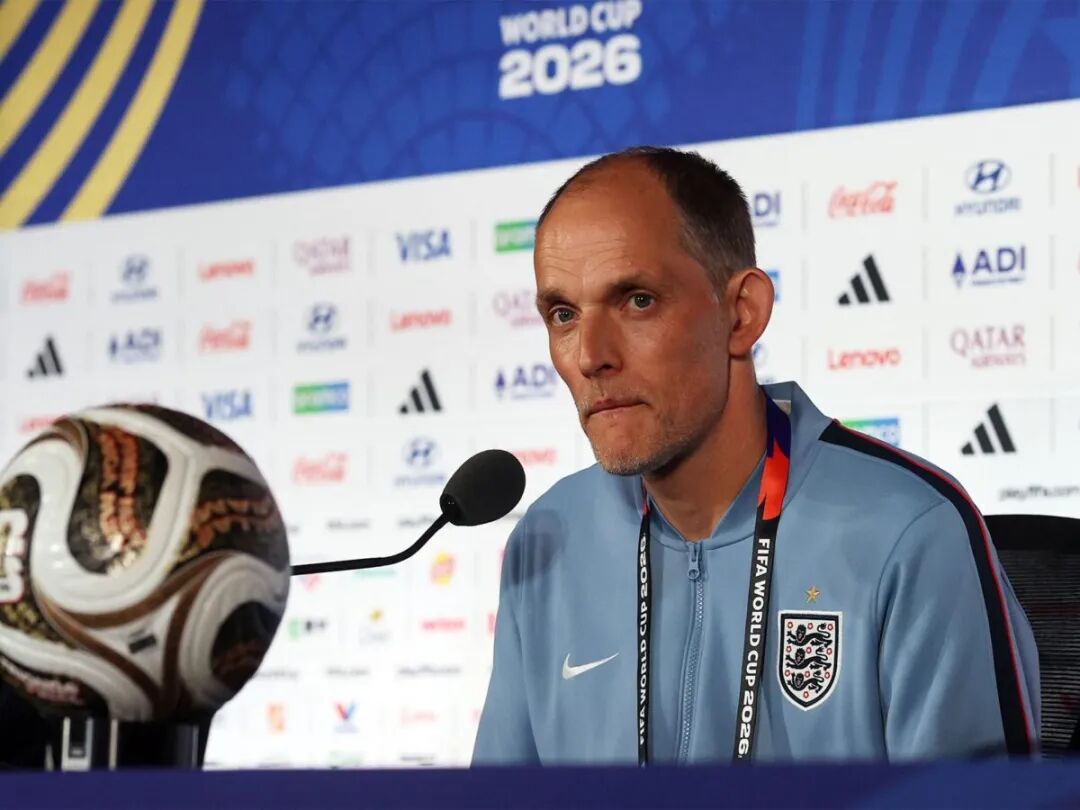
The Argentines hope to win another "war" and then go straight to defending their title. The English, too, long to truly "bring football home." Their last and only major tournament victory was 60 years ago — far too long for the birthplace of football. Southgate led them to the semifinals in four consecutive major tournaments, but they fell short every time. This time, the task has been handed to German coach Thomas Tuchel. Can he become the fourth foreign head coach in World Cup history to lead a team to the final?


Wonderfulshortvideo
Leeds United demolish Newcastle at elland road


Throwback to this League Cup game between Liverpool and Spurs ⚽️⚽️
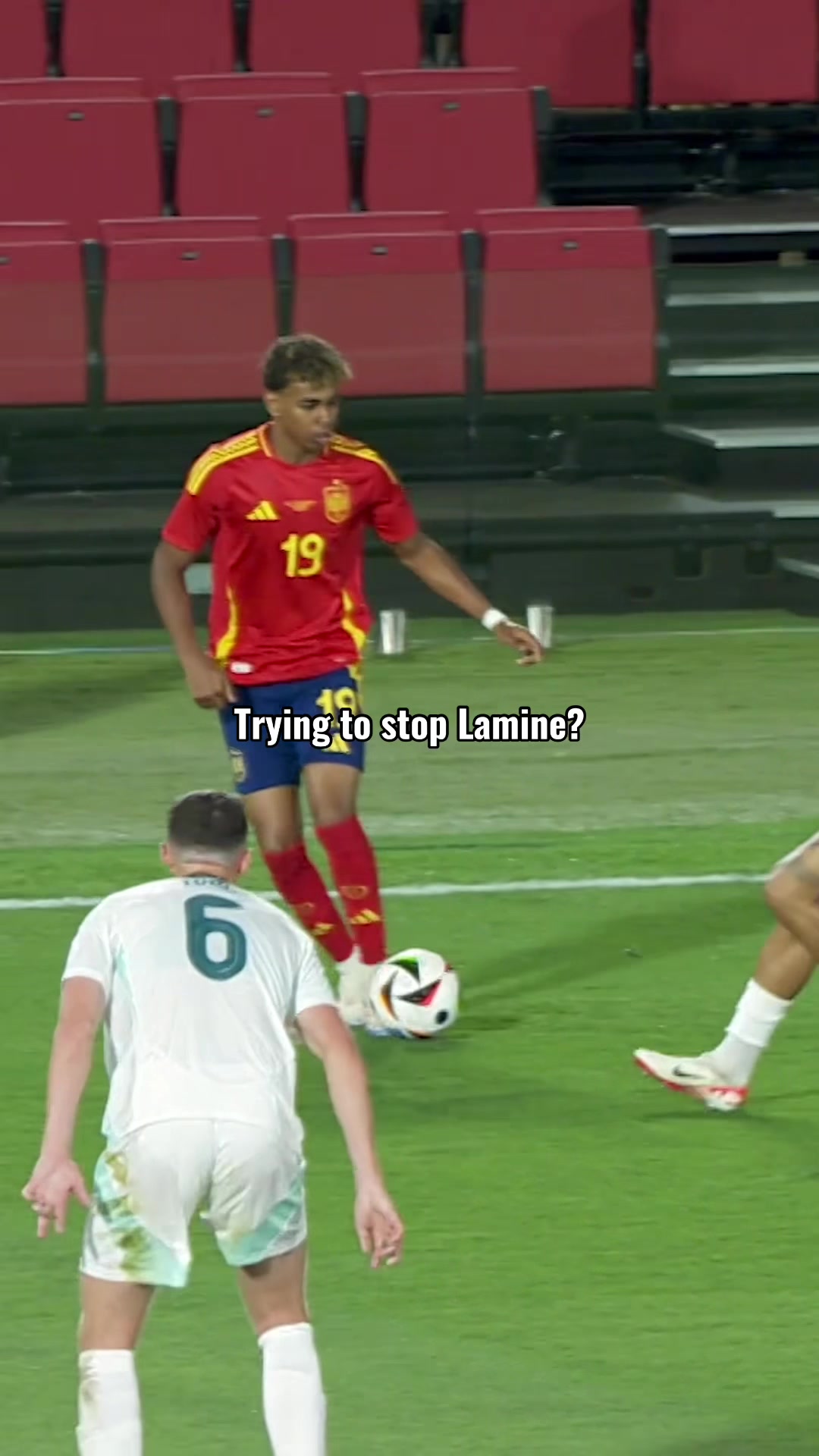
Lamine genius 🪄
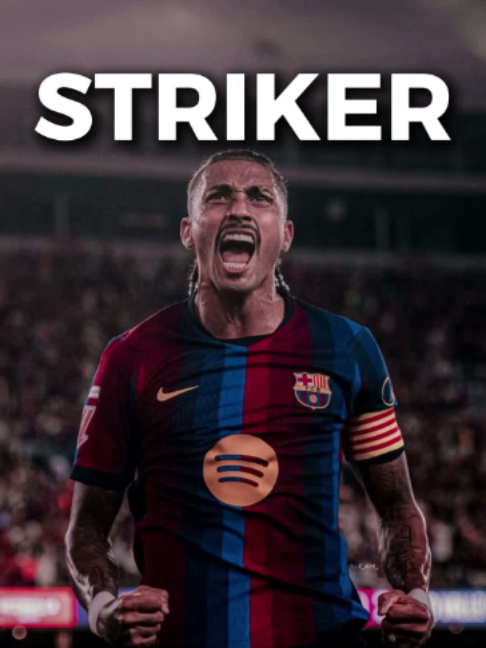
raphinha assist today lamine yamal goal today brace today vs levante
Follow for more pokemon content! So what do I do with them now?…

arda guler assist today guler vs rayo vallecano mbappe goal today jude bellingham goal today
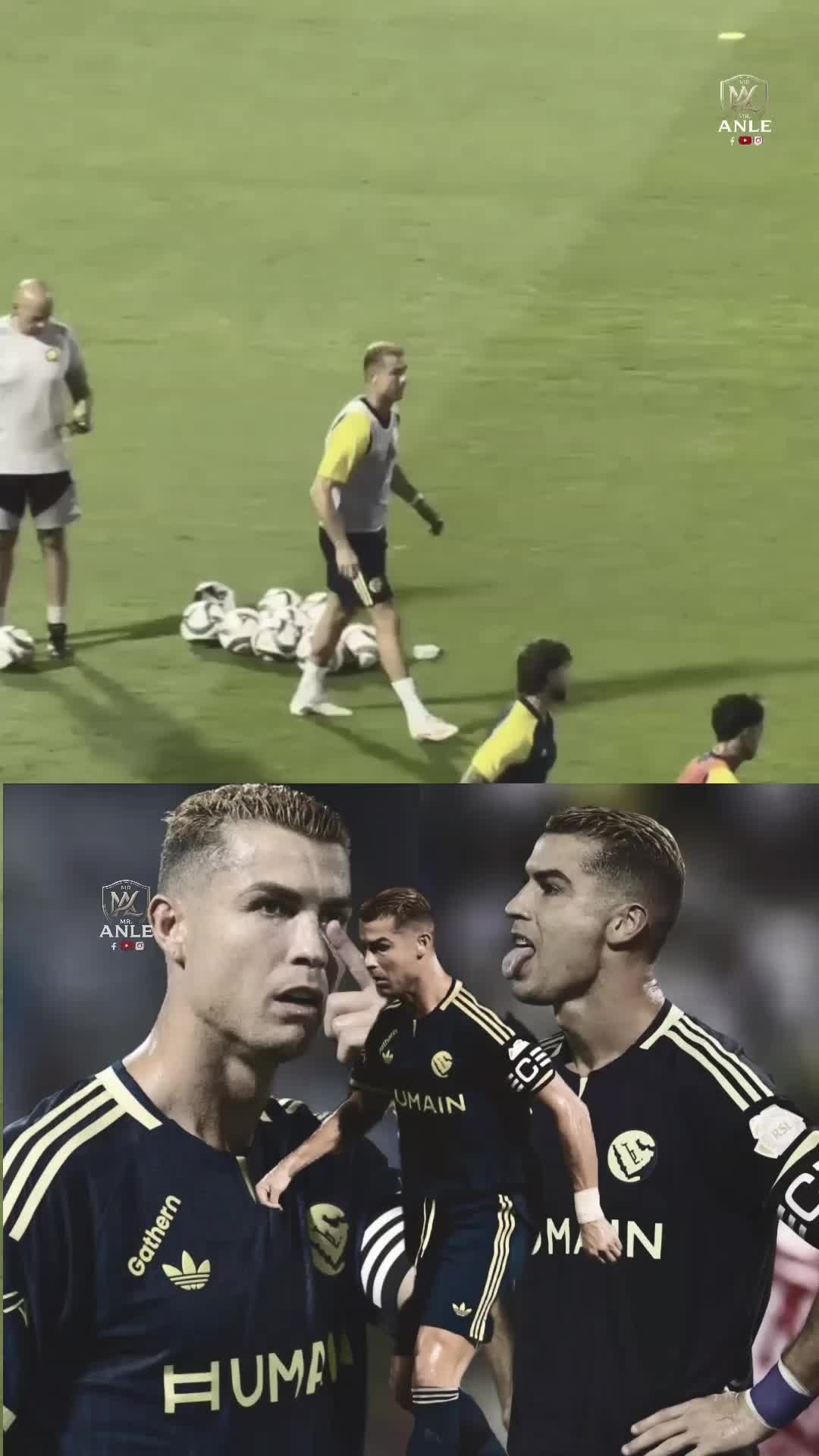
Cristiano Ronaldo and Al Nassr vs Al Khaleej
 Links
Links
 Contact
 App
App


