



What will Pirlo's Italy team look like?



Skeptics of Andrea Pirlo's ability to thrive as the new manager of Italy's national team might find this compelling: Pirlo achieved an almost perfect score of 107/110 on his graduation thesis for the UEFA Pro License course in 2020.
That outstanding achievement demonstrates that Pirlo is not only fully committed to embarking on a coaching career, but also invested significant effort in developing his own philosophy of football.
The philosophy of "free football"
In his brilliant thesis titled "My Free Football," Pirlo describes a style based on control, attack, and the involvement of all 11 players in both phases of the game. The team must keep possession as much as possible when attacking, but immediately after losing the ball, they must aggressively seek to regain control. Italy under Pirlo's philosophy must be a proactive team with the ball, both when in possession and when not, and always look to move forward.
Pirlo does not base his philosophy on a fixed formation. He is influenced by Cruyff and Guardiola's Barcelona, Van Gaal's Ajax, Ancelotti's Milan, and Conte's Juventus—different models but all emphasizing control. For Pirlo, positions on the pitch are becoming increasingly flexible. A center-back is not only responsible for defending but also must initiate attacks; full-backs can push high to provide width or cut inside, while wingers can stay wide to create one-on-one situations or move inside to create unpredictability.
This mindset will bring innovation. For years, Italy has been trapped in the rigidity of the 4-3-3 or 3-5-2 formations, while the quality of players and characteristics of each generation constantly change. In Pirlo's thinking, attacking football does not mean charging forward without control; rather, it emphasizes solidity and discipline in the defensive half, quick transitions, and varied attacking approaches when moving the ball forward. Pirlo also values "counter-pressing," applying pressure immediately after losing the ball anywhere on the pitch.
These days, Pirlo is still coaching Dubai-based club United FC during their training camp in Austria, and on the training ground, English commands like "press high" and "be aggressive" are frequently heard. This mindset may not necessarily guarantee Italy greater success, but it will surely create a team full of energy and inspiration.
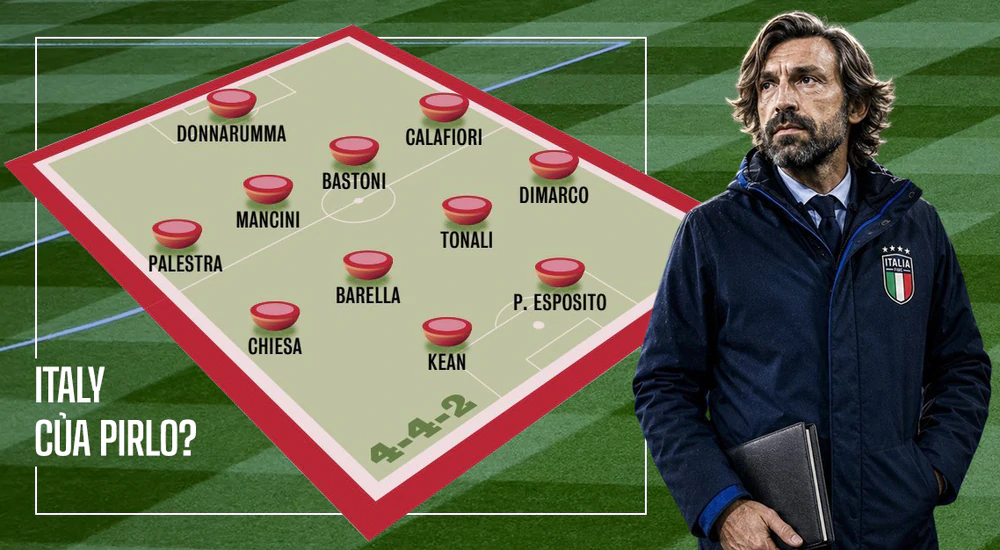
Will Italy use a 4-4-2 formation under new coach Andrea Pirlo?
What will Pirlo's Italy look like?
Given the current squad options and the aversion to the 3-5-2 system that has brought too much pain, Pirlo's Italy is likely to start with a back four. The basic formation could be 4-2-3-1, which can transform into 3-2-5 during build-up phases, or 4-4-2 when maximizing the use of strikers. The key is not the numbers on the tactical board, but the team's ability to smoothly transition between different structures throughout the match.
One of the most notable adjustments is moving Riccardo Calafiori back to left-back instead of left-sided center-back in the 3-5-2. With his ball-handling ability and involvement in attacking build-up, Calafiori fits the mold of a full-back who can push forward. Similarly, Marco Palestra playing right-back allows for a true winger, and there, the return of Federico Chiesa is anticipated. The relationship between Chiesa and Pirlo, previously formed at the club level, could become a key factor in revitalizing the player and strengthening Italy.
The center of the team will almost certainly revolve around Sandro Tonali and Nicolo Barella. This midfield pair can provide a balance between battling ability, work rate, technique, and the capacity to move the ball forward. In attack, Pirlo may have more options than Italy has had for a long time. Moise Kean and Mateo Retegui could form a powerful striking duo, while Pio Esposito is emerging as a particularly noteworthy option. Gianluca Scamacca, if he returns to his best physical condition, remains a center-forward with qualities suited to the style of football Pirlo pursues.
A group of young players including Giovanni Leoni, Davide Bartesaghi, Tommaso Baldanzi, Pio Esposito, Cher N'Dour, and Francesco Camarda will be monitored as Italy looks toward EURO 2028 and the 2030 World Cup. Pirlo cannot build the team solely based on players currently in their best form. If the project truly spans 8-10 years, as Paolo Maldini once mentioned, the national team must also prepare for the future.


Wonderfulshortvideo
raphinha assist today lamine yamal goal today brace today vs levante


Follow for more pokemon content! So what do I do with them now?…
arda guler assist today guler vs rayo vallecano mbappe goal today jude bellingham goal today
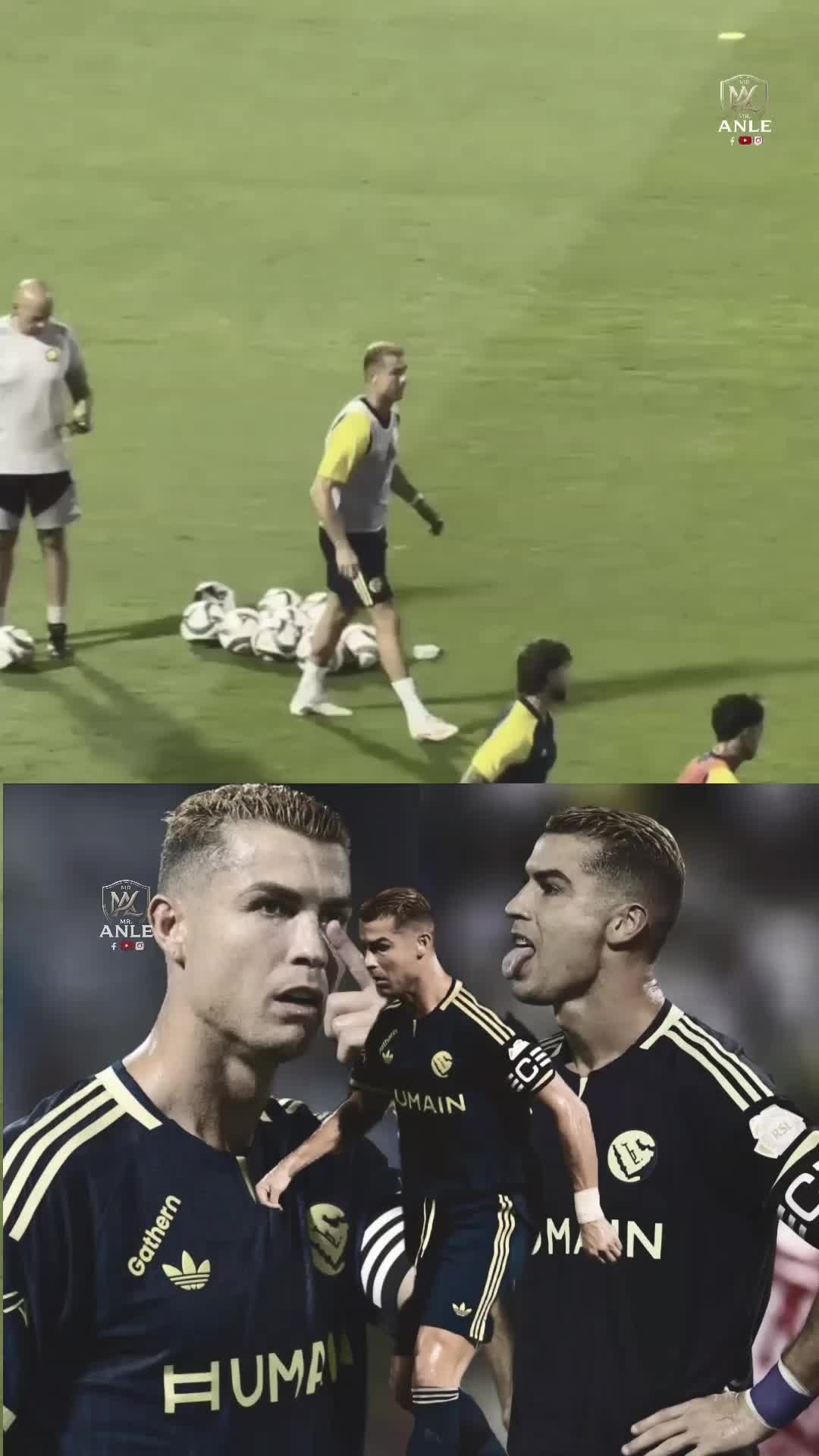
Cristiano Ronaldo and Al Nassr vs Al Khaleej
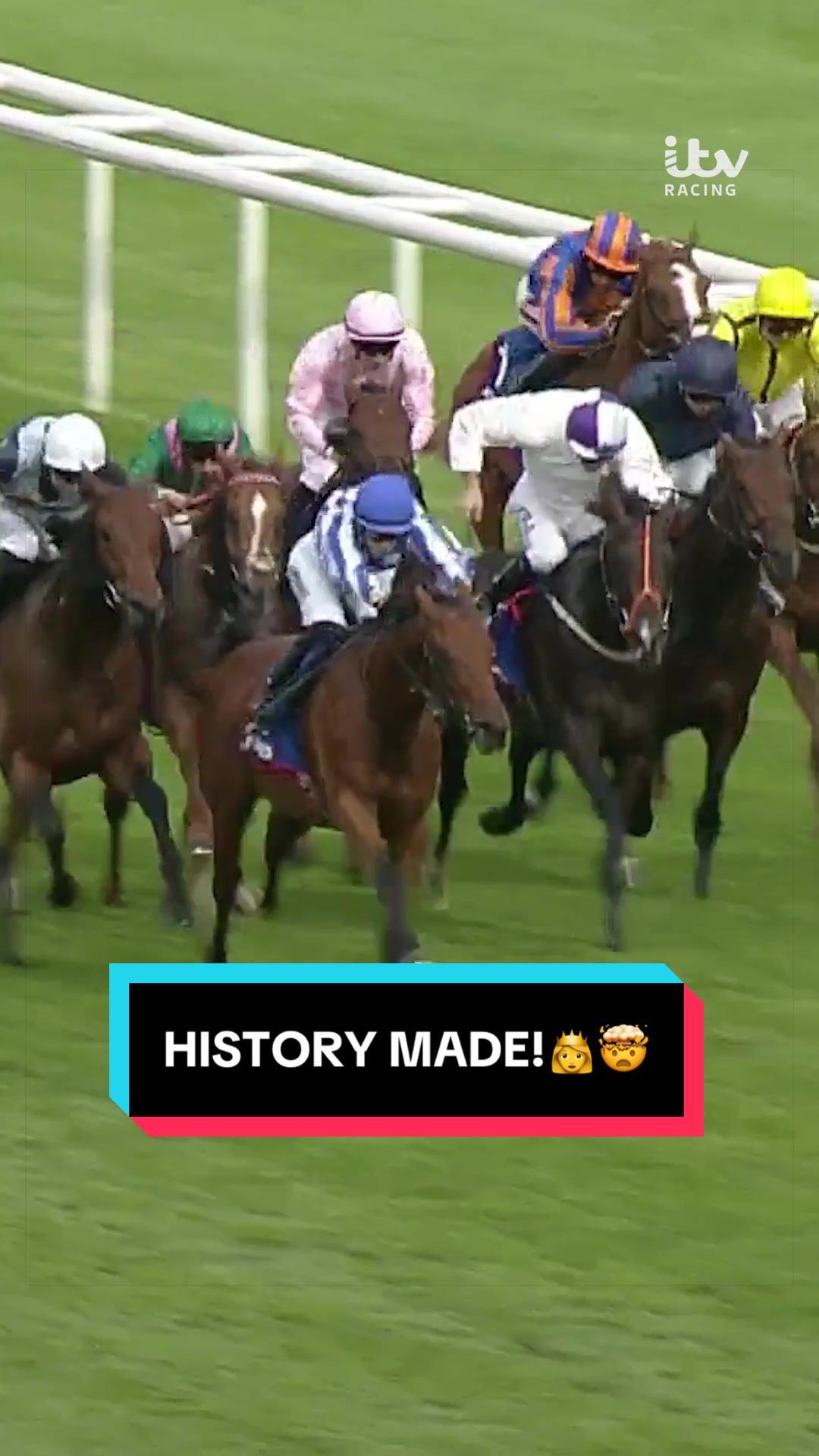
HIGHWAYMAN WINS THE BETFRED ST LEGER! 🏆
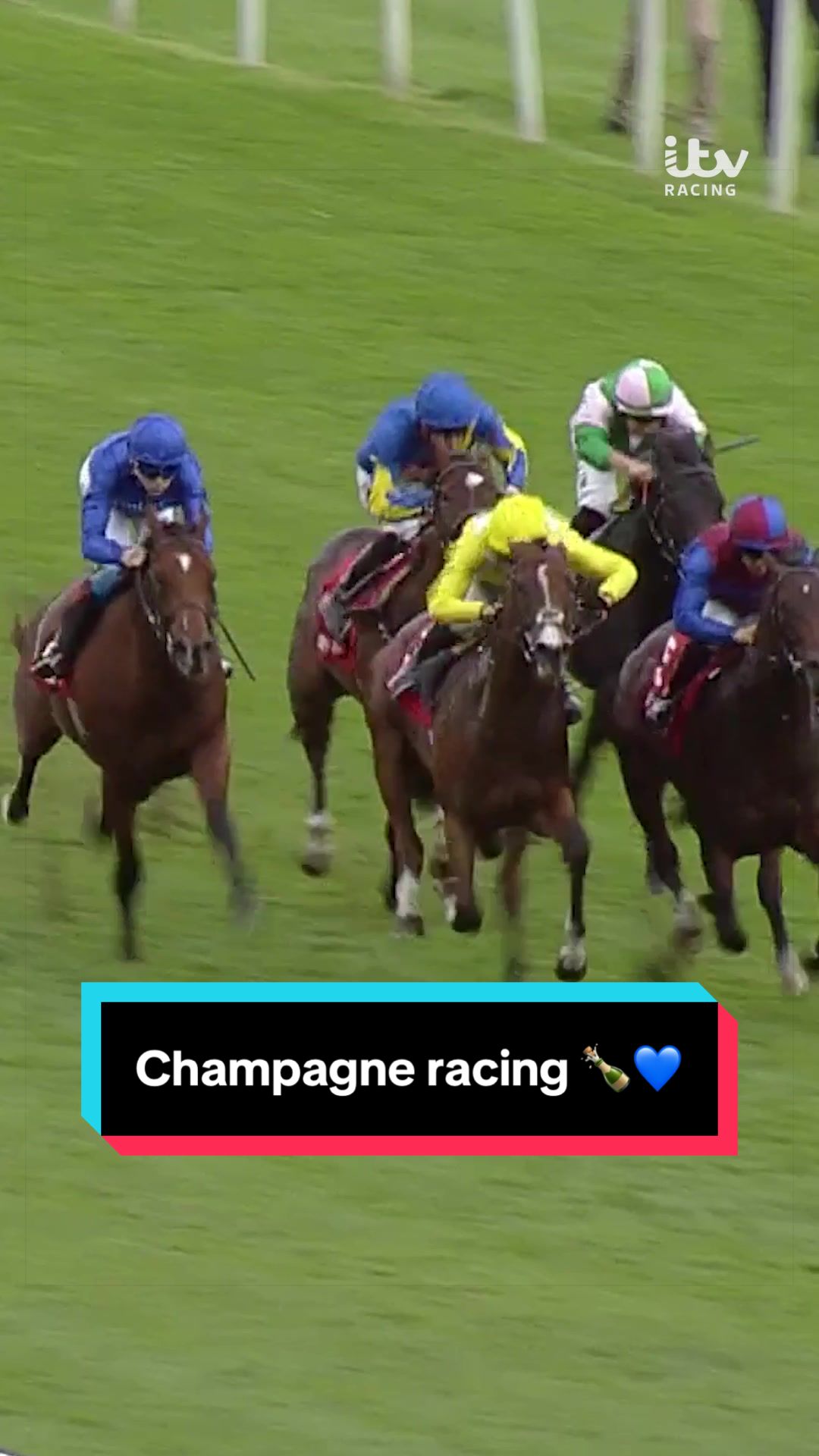
DESERT CASTLE DOMINATES! 🏆🍾

mbappe ballon d'or interview lequipe mbappe edit mbappe interview
 Links
Links
 Contact
 App
App


