



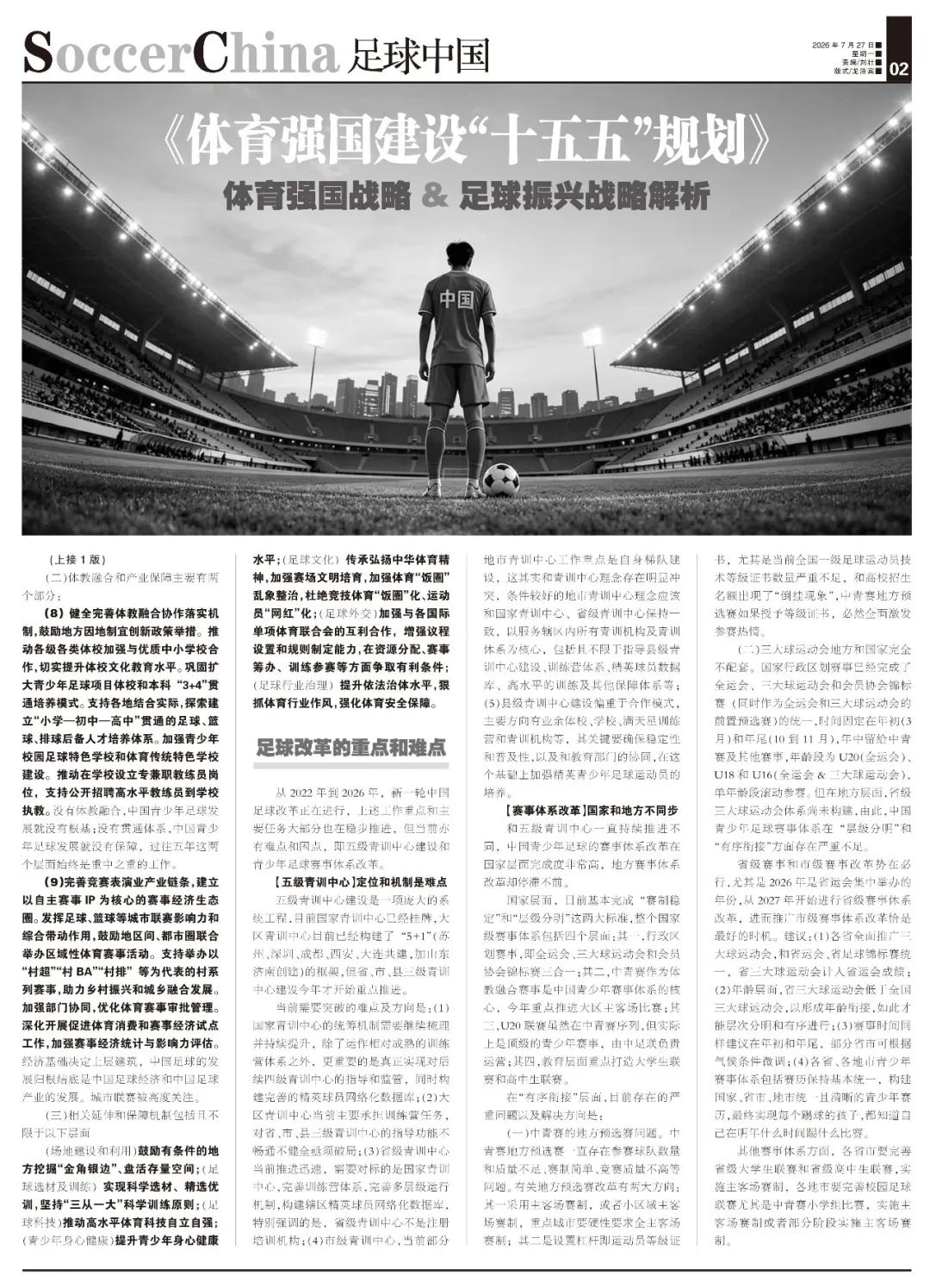
Full Analysis of the Football Revitalization Strategy in the "15th Five-Year Plan" for Building a Sports Powerhouse



Chief correspondent Chen Yong reports On July 22, the General Administration of Sport of China released the "15th Five-Year Plan" for Building a Sports Powerhouse, the first national-level special plan themed on "sports powerhouse." It marks the first time a sports sector plan has been incorporated into a national-level special plan, clarifying the goals, plans, and key tasks for China's sports development during the 15th Five-Year Plan period.
Football-related work is clearly reflected in all 11 sections of the document, broadly encompassing three major aspects: a dedicated football special plan, integration of sports and education along with industrial planning, and other extension and support systems. The football special plan, part (1) of Section III, titled "Continuously Deepening Football Governance Reform," includes seven major areas: youth football development, reform of the youth football competition system, key cities and western pilot projects, national team construction, overseas development plans, professional football, and women's football development. The integration of sports and education and industrial planning serve as core support for the football revitalization strategy. Other extension and support systems include but are not limited to venue construction and utilization, youth talent selection and training, football technology, adolescent physical and mental health, football culture, football diplomacy, and football industry governance, all aimed at ensuring the healthy and stable development of Chinese football and ultimately achieving its revitalization.
From the "One Document and One Conference" in 2025, to the 2026 State Council Government Work Report, and now to the "15th Five-Year Plan" for Building a Sports Powerhouse, football's core position in Chinese sports remains unshakable. The revitalization and development strategy for Chinese football demonstrates multiple characteristics: high-level promotion, clear positioning, and comprehensive planning.
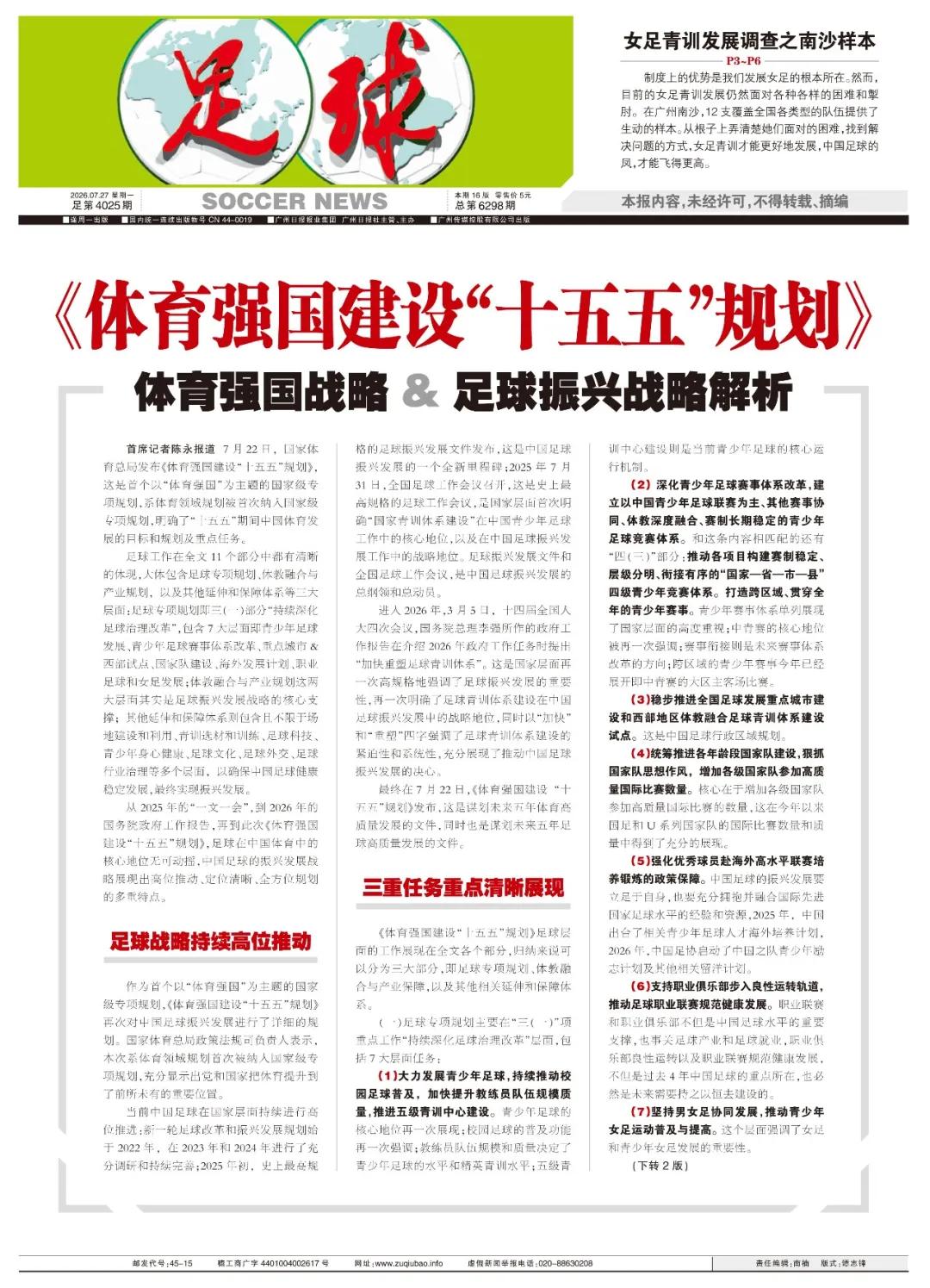

As the first national-level special plan themed on "sports powerhouse," the "15th Five-Year Plan" for Building a Sports Powerhouse once again provides detailed planning for the revitalization of Chinese football. A spokesperson from the Policy and Regulation Department of the General Administration of Sport stated that this is the first time a sports sector plan has been included in a national-level special plan, fully demonstrating that the Party and the state have elevated sports to an unprecedented level of importance.
Currently, Chinese football is being promoted at a high level nationally: a new round of football reform and revitalization planning began in 2022, with thorough research and continuous improvement in 2023 and 2024; in early 2025, the highest-level football revitalization document in history was released, marking a new milestone for Chinese football revitalization; on July 31, 2025, the National Football Work Conference was held, the highest-level football work meeting in history, which for the first time at the national level clarified the core position of the "national youth training system" in Chinese youth football and its strategic role in the revitalization of Chinese football. The football revitalization document and the National Football Work Conference serve as the overall program and mobilization for the revitalization of Chinese football.
Entering 2026, on March 5, at the Fourth Session of the 14th National People's Congress, Premier Li Qiang's government work report, when introducing the government tasks for 2026, proposed "accelerating the reshaping of the youth football training system." This once again emphasized at a high level the importance of football revitalization, reaffirmed the strategic role of the youth football training system in the revitalization of Chinese football, and highlighted the urgency and systematic nature of building the youth training system with the words "accelerate" and "reshape," fully demonstrating the determination to promote the revitalization of Chinese football.
Ultimately, on July 22, the "15th Five-Year Plan" for Building a Sports Powerhouse was released, a document that plans for high-quality development in sports over the next five years, and also plans for high-quality development in football over the same period.
The General Administration of Sport formally issued the "15th Five-Year Plan" for Building a Sports Powerhouse: Focus on rectifying the ideology and work style of national teams, and support the open recruitment of high-level coaches into schools.

The football-related work in the "15th Five-Year Plan" for Building a Sports Powerhouse is presented throughout all sections of the document. In summary, it can be divided into three major parts: the football special plan, the integration of sports and education along with industrial support, and other related extension and support systems.
(1) The football special plan is mainly in the key work item "III(1) - Continuously Deepening Football Governance Reform," which includes seven major tasks:
(1)Vigorously develop youth football, continuously promote the popularization of campus football, accelerate the improvement of the scale and quality of the coaching workforce, and advance the construction of five-level youth training centers.The core position of youth football is once again demonstrated; the popularization function of campus football is reiterated; the scale and quality of the coaching workforce determine the level of youth football and elite youth training; the construction of five-level youth training centers is the core operational mechanism for current youth football.
(2)Deepen the reform of the youth football competition system, establishing a youth football competition system with the China Youth Football League as the mainstay, coordinated with other events, deeply integrated sports and education, and stable long-term competition schedules.Matching this item is also part "IV(3)":Promote the construction of a "national-provincial-municipal-county" four-level youth competition system for each sport, with stable competition schedules, clear hierarchies, and orderly connections.Create cross-regional, year-round youth events. The separate listing of the youth competition system shows the high level of national attention; the core position of the China Youth Football League is reiterated; event connectivity is the direction for future reform of the competition system; cross-regional youth events have already been launched this year, including the inter-regional home-and-away matches in the China Youth Football League.
(3)Steadily advance the construction of key cities for national football development and pilot projects for the integration of sports and education in the youth football training system in the western region. This is the administrative regional planning for Chinese football.
(4)Coordinate the construction of national teams across all age groups, focus on rectifying the ideology and work style of national teams, and increase the number of high-quality international matches for national teams at all levels.The core is to increase the number of high-quality international matches for national teams at all levels, which has been fully demonstrated this year in the quantity and quality of international matches for the men's national team and U-series national teams.
(5)Strengthen policy guarantees for excellent players to train and develop in high-level overseas leagues.The revitalization of Chinese football must be based on self-reliance, while also fully embracing and integrating the experience and resources of internationally advanced football countries. In 2025, China introduced relevant overseas training plans for youth football talents. In 2026, the Chinese Football Association launched the China Team Youth Inspirational Plan and other related study-abroad programs.
(6)Support professional clubs in operating on a healthy track, and promote the standardized and healthy development of professional football leagues.Professional leagues and clubs are not only important pillars of China's football level but also affect the football industry and employment. The healthy operation of professional clubs and the standardized and healthy development of professional leagues have been key focuses of Chinese football over the past four years and will inevitably require sustained efforts in the future.
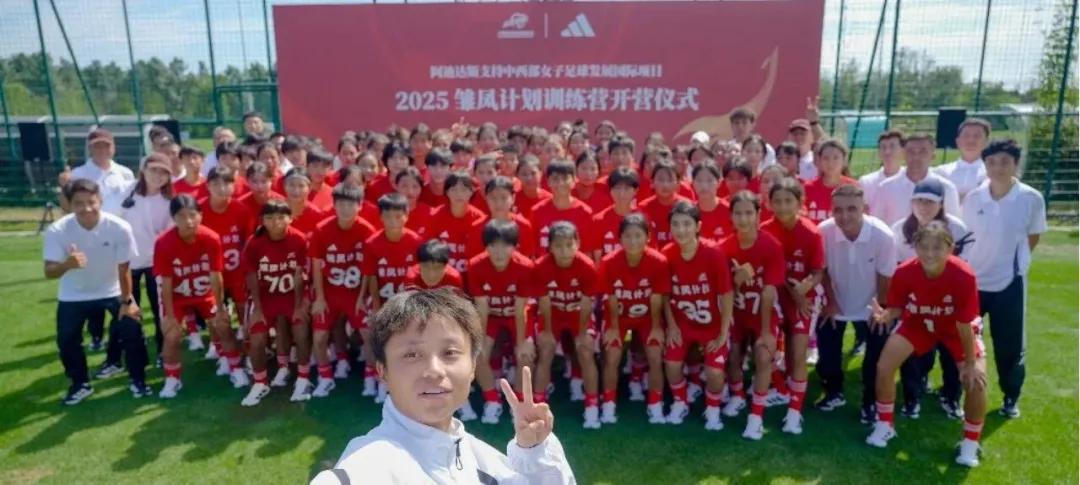
(7)Adhere to the coordinated development of men's and women's football, and promote the popularization and improvement of youth women's football.This aspect emphasizes the importance of women's football and youth women's football development.
(2) The integration of sports and education and industrial support mainly include two parts:
(8)Improve and refine the collaborative mechanism for integrating sports and education, and encourage local governments to innovate policies and measures according to local conditions. Promote cooperation between sports schools at all levels and high-quality primary and secondary schools to effectively enhance the cultural education level of sports schools. Consolidate and expand the "3+4" integrated training model for youth football sports schools and undergraduate programs. Support local governments, based on actual conditions, to explore the establishment of a "primary school-junior high school-senior high school" integrated reserve talent training system for football, basketball, and volleyball. Strengthen the construction of campus football specialty schools and traditional sports specialty schools. Promote the establishment of full-time and part-time coaching positions in schools, and support the open recruitment of high-level coaches to teach in schools.Without the integration of sports and education, the development of Chinese youth football would have no foundation; without a cohesive system, the development of Chinese youth football would have no guarantee. Over the past five years, these two aspects have always been top priorities.
(9)Improve the industrial chain of the competition performance industry, and establish an event economic ecosystem centered on self-owned event IPs. Leverage the influence and comprehensive driving role of city leagues such as football and basketball, and encourage inter-regional and metropolitan area joint hosting of regional sports events. Support the hosting of village-level series events such as "Village Super League," "Village BA," and "Village Volleyball" to assist rural revitalization and urban-rural integrated development. Strengthen inter-departmental coordination to optimize the approval and management of sports events. Deepen pilot work on promoting sports consumption and the event economy, and strengthen the statistics and impact assessment of the event economy.The economic base determines the superstructure. The development of Chinese football ultimately comes down to the development of China's football economy and football industry. City leagues receive high attention.
(3) Related extension and support mechanisms include but are not limited to the following aspects:
(Venue construction and utilization)Encourage areas with conditions to tap into "golden corners and silver edges," revitalize existing space;(Football talent selection and training)Achieve scientific talent selection, select elite and train optimally, adhere to the "Three From One Big" scientific training principle;(Football technology)Promote high-level self-reliance and self-strengthening in sports science and technology;(Adolescent physical and mental health)Improve the physical and mental health of adolescents;(Football culture)Inherit and promote the Chinese sports spirit, strengthen the cultivation of civilized stadium atmosphere, rectify the "fan circle" chaos in sports, and eliminate the "fan circle" trend in competitive sports and the "internet celebrity" phenomenon among athletes;(Football diplomacy)Strengthen mutually beneficial cooperation with international sports federations, enhance the ability to set agendas and formulate rules, and strive for favorable conditions in resource allocation, event organization, training, and participation;(Football industry governance)Improve the level of governance according to law, strictly enforce the work style of the sports industry, and strengthen sports safety guarantees.
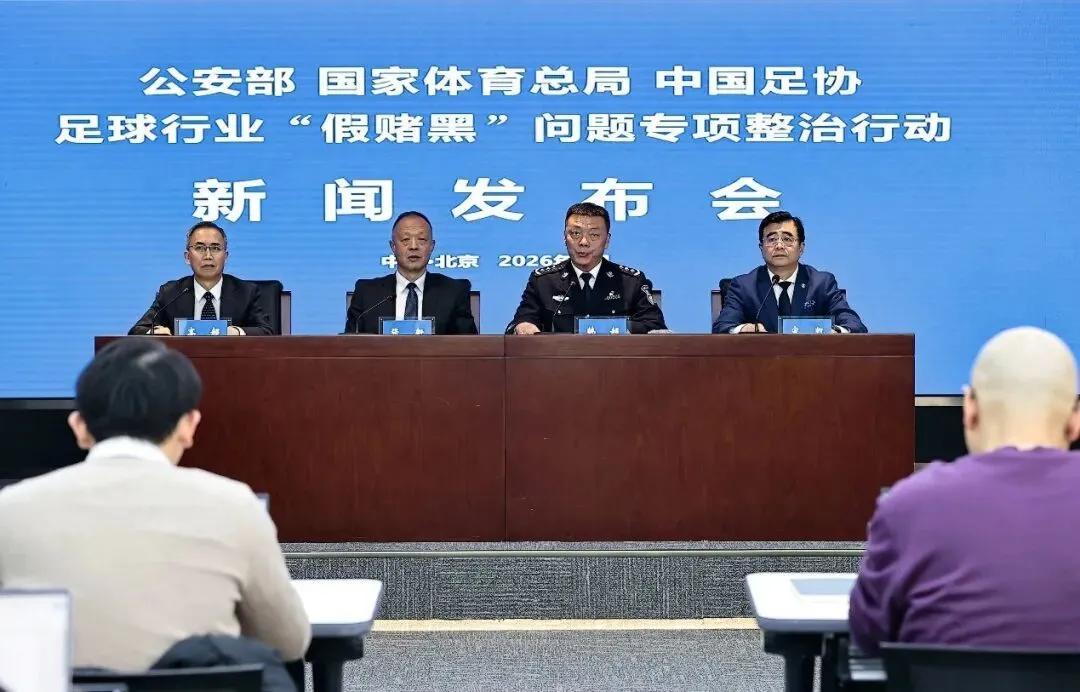

From 2022 to 2026, a new round of Chinese football reform is underway. Most of the above work priorities and main tasks are being steadily advanced, but there are still difficulties and pain points, namely the construction of five-level youth training centers and the reform of the youth football competition system.
[Five-level youth training centers] Positioning and mechanisms are the difficulties
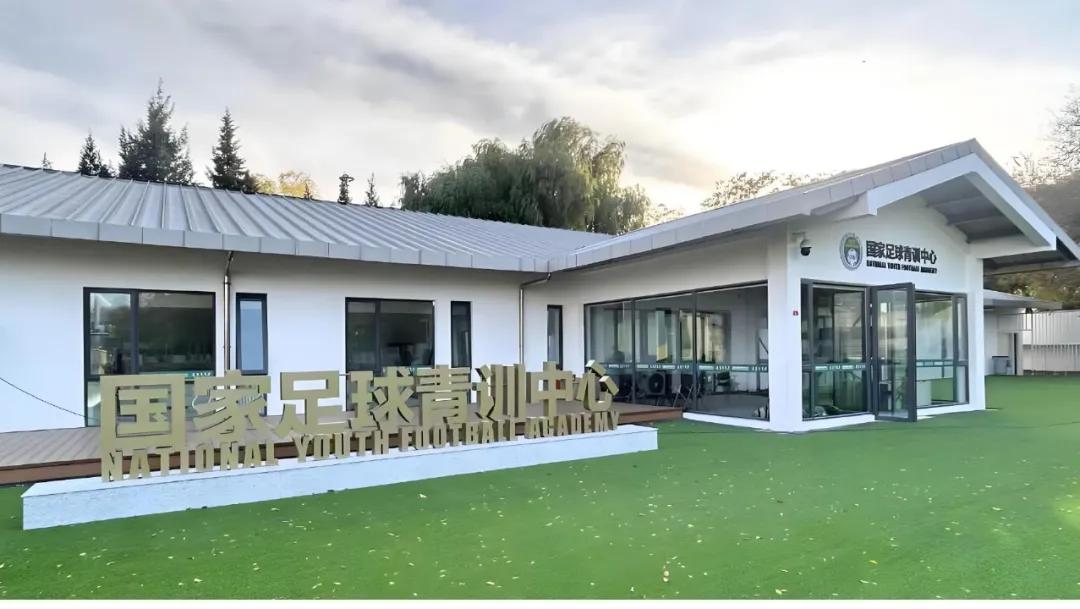
The construction of five-level youth training centers is a massive systematic project. Currently, the national youth training center has been inaugurated, and the regional youth training centers have established a "5+1" framework (Suzhou, Shenzhen, Chengdu, Xi'an, Dalian co-building, plus Jinan, Shandong under construction). However, the construction of provincial, municipal, and county-level youth training centers only began to be promoted this year.
The current difficulties and directions that need to be addressed are: (1) The coordination mechanism of the national youth training center needs to be continuously sorted out and improved. In addition to the relatively mature training camp system, it is more important to truly achieve guidance and supervision of the subsequent four levels of youth training centers, while building a comprehensive network database of elite players; (2) Regional youth training centers currently mainly undertake training camp tasks, and their guidance function for provincial, municipal, and county-level youth training centers is not smooth and insufficient, urgently needing a breakthrough; (3) Provincial youth training centers are advancing rapidly. They need to benchmark against the national youth training center, improve the training camp system, refine multi-level operational mechanisms, and build a network database of elite players within their jurisdiction. It is particularly emphasized that provincial youth training centers are not registration and training institutions; (4) For municipal youth training centers, some cities currently focus on building their own youth teams, which conflicts with the concept of youth training centers. City-level youth training centers with better conditions should align their philosophy with that of national and provincial centers, focusing on serving all youth training institutions and systems within their jurisdiction, including but not limited to guiding county-level youth training center construction, training camp systems, elite player databases, high-level training, and other support systems; (5) County-level youth training centers are more focused on cooperation models, with main directions including amateur sports schools, schools, Starry Sky training camps, and youth training institutions. The key is to ensure stability and popularization, as well as coordination with education departments, on this basis strengthening the training of elite youth football players.
[Competition system reform] National and local levels are out of sync
Unlike the continuous progress of the five-level youth training centers, the reform of the youth football competition system has been completed to a high degree at the national level but has stalled at the local level.
At the national level, the two standards of "stable competition schedules" and "clear hierarchies" have been basically achieved. The entire national competition system includes four levels: First, administrative division events, which combine the National Games, the Three Major Ball Games, and the Member Association Championships; second, the China Youth Football League, as a sports-education integrated event, is the core of the youth competition system, with this year focusing on promoting inter-regional home-and-away matches; third, the U20 League, although within the China Youth Football League sequence, is actually a top-level youth event operated by the China Football League; fourth, the education sector focuses on creating the university league and high school league.
In terms of "orderly connections," the current serious problems and solutions are:
(1) The local qualifiers for the China Youth Football League. The local qualifiers have long faced issues such as insufficient numbers and quality of participating teams, simple competition formats, and low match quality. Two major directions for reforming local qualifiers are: first, adopt a home-and-away format, or a small-area home-and-away format, with key cities required to fully implement home-and-away formats; second, set a leverage point, namely athlete level certificates. In particular, the current number of national first-level football athlete technical level certificates is seriously insufficient, creating a "reverse phenomenon" with university enrollment quotas. If local qualifiers for the China Youth Football League are granted level certificates, it will inevitably stimulate enthusiasm for participation.
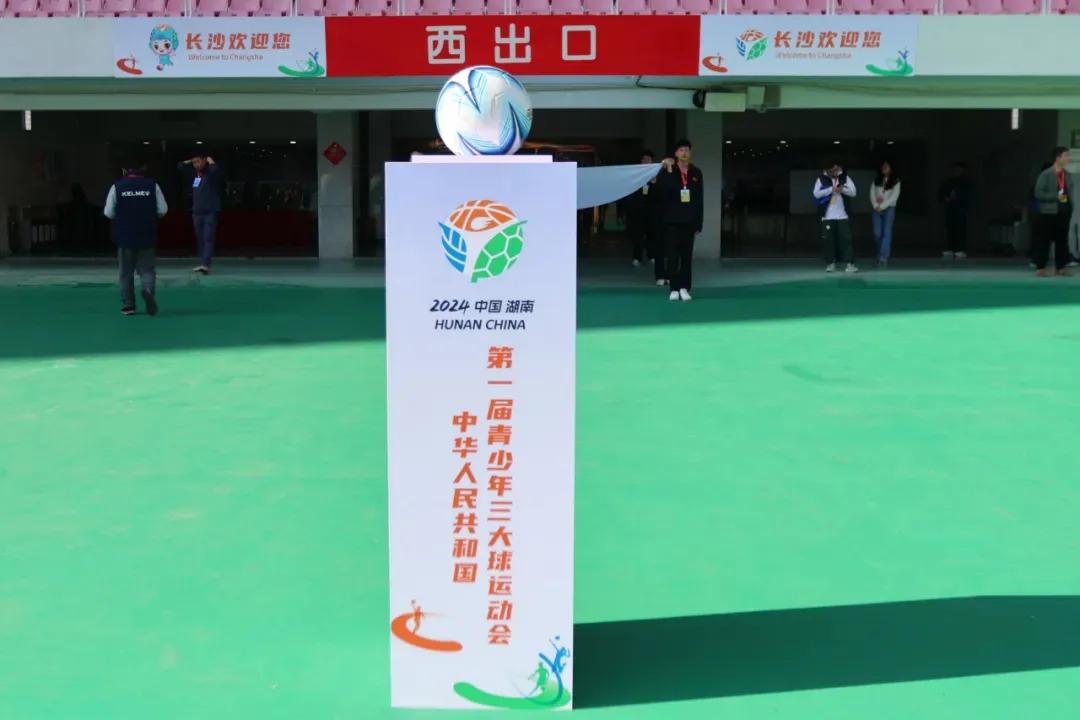
(2) The Three Major Ball Games at the local and national levels are completely mismatched. The national administrative division events have already unified the National Games, the Three Major Ball Games, and the Member Association Championships (also serving as preliminary qualifiers for the National Games and Three Major Ball Games), with fixed times at the beginning of the year (March) and the end of the year (October to November), leaving the middle of the year for the China Youth Football League and other events. The age groups are U20 (National Games), U18, and U16 (National Games & Three Major Ball Games), with single-age rolling participation. However, at the local level, the provincial Three Major Ball Games system has not yet been established, resulting in serious deficiencies in the "clear hierarchy" and "orderly connection" of the youth football competition system.
Reform of provincial and municipal competition systems is imperative. Especially since 2026 is the year of the provincial games, starting reforms from 2027 for the provincial competition system, and then promoting reforms in the municipal competition system, is the best time. Suggestions: (1) All provinces should fully promote the Three Major Ball Games, unified with the Provincial Games and Provincial Football Championships. The Provincial Three Major Ball Games should count toward the Provincial Games results; (2) In terms of age, the Provincial Three Major Ball Games should be lower than the national ones to form age connections, ensuring clear hierarchy and orderly progression; (3) The competition time is also recommended to be at the beginning and end of the year, with some provinces and cities making minor adjustments based on climate conditions; (4) The youth competition systems and calendars of provinces and cities should be basically unified, constructing a unified and clear youth calendar at the national, provincial, and municipal levels, ultimately achieving that every child who plays football knows what game they will play and when.
For other competition systems, provinces and cities should improve the provincial university league and provincial high school league, implementing home-and-away formats. Municipalities should improve campus football leagues, especially the primary school group of the China Youth Football League, implementing home-and-away formats or implementing home-and-away formats in certain stages.


Wonderfulshortvideo

raphinha assist today lamine yamal goal today brace today vs levante


Follow for more pokemon content! So what do I do with them now?…

arda guler assist today guler vs rayo vallecano mbappe goal today jude bellingham goal today
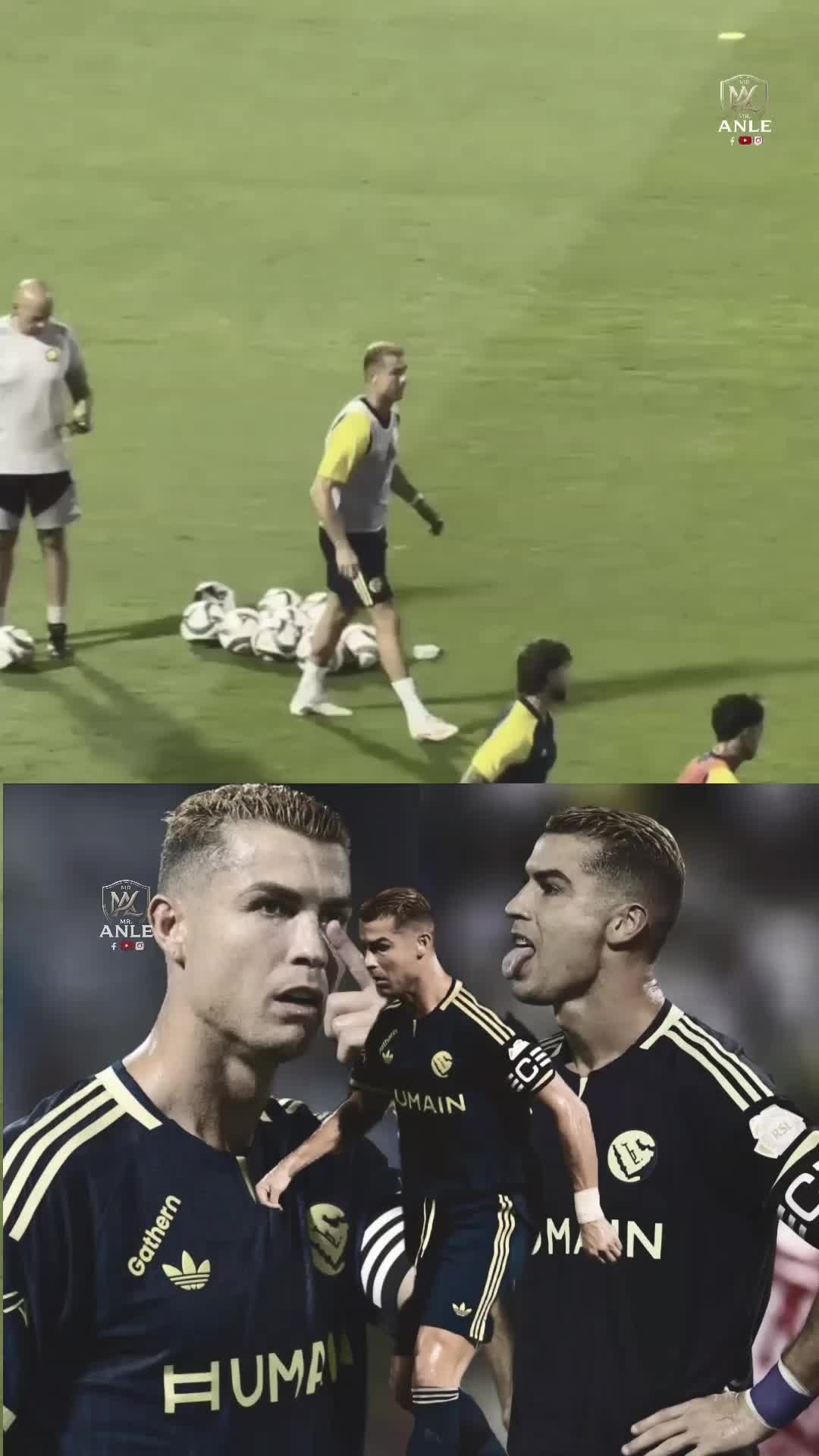
Cristiano Ronaldo and Al Nassr vs Al Khaleej
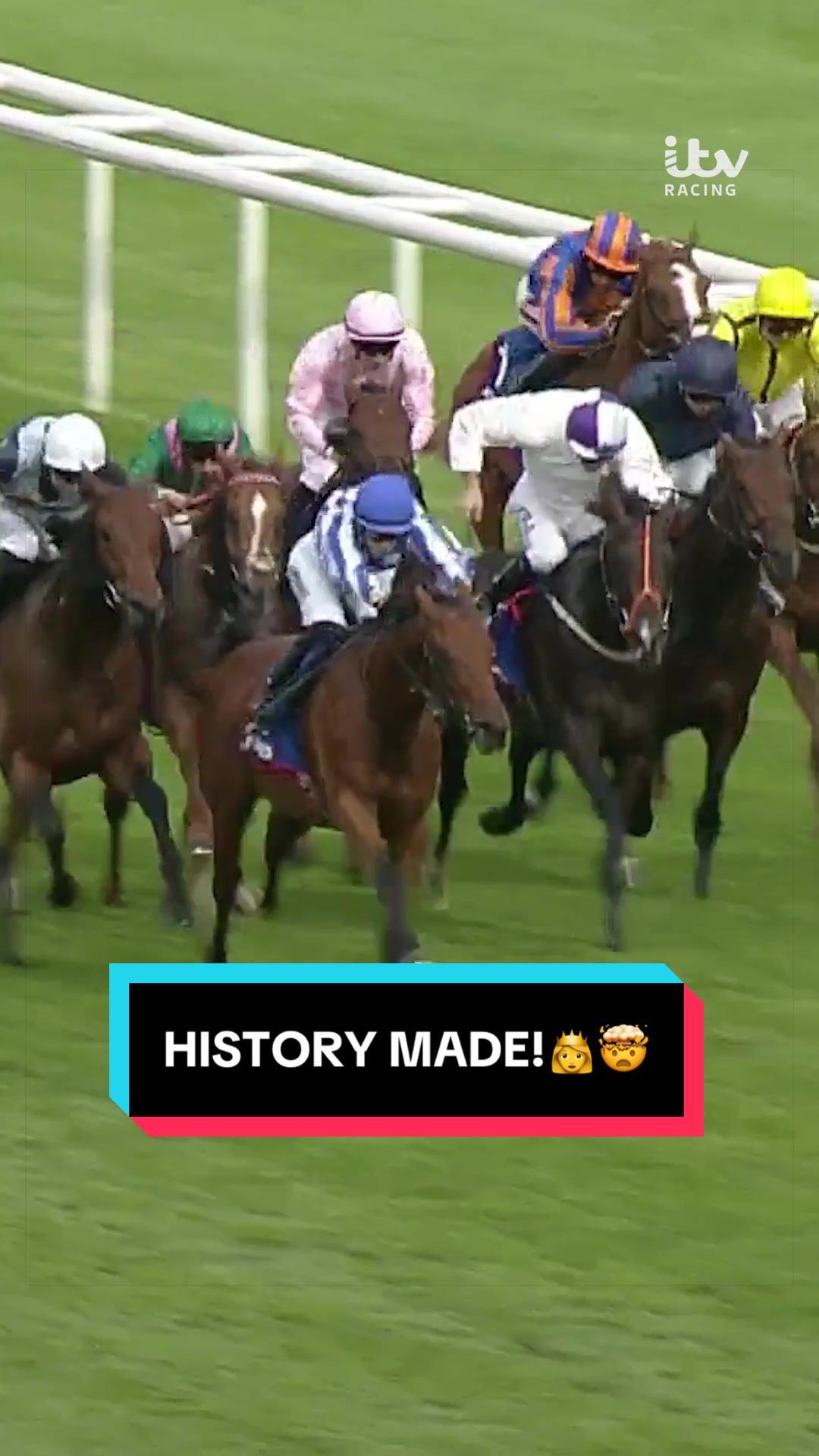
HIGHWAYMAN WINS THE BETFRED ST LEGER! 🏆
DESERT CASTLE DOMINATES! 🏆🍾

mbappe ballon d'or interview lequipe mbappe edit mbappe interview
 Links
Links
 Contact
 App
App


