



From the school level to the county level, linking the five-tier youth training system! After five years of dedicated effort, the Central and Western Invitational Tournament has undergone a major upgrade.



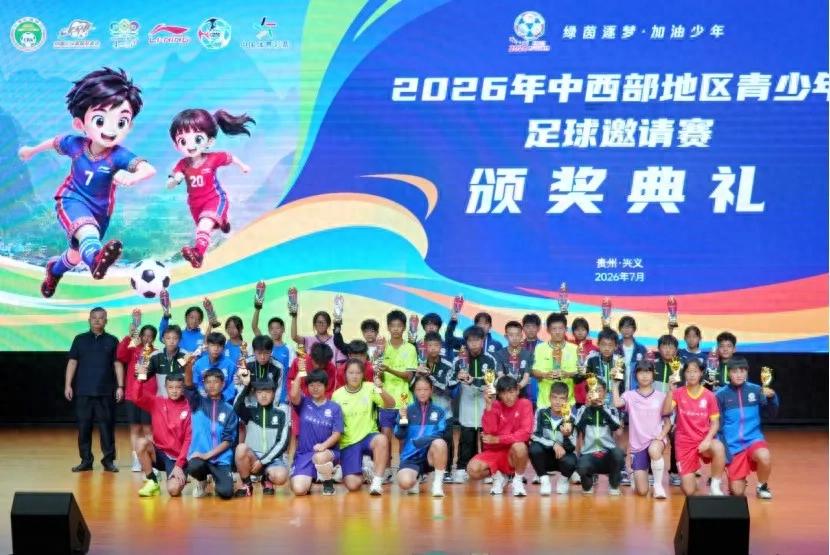
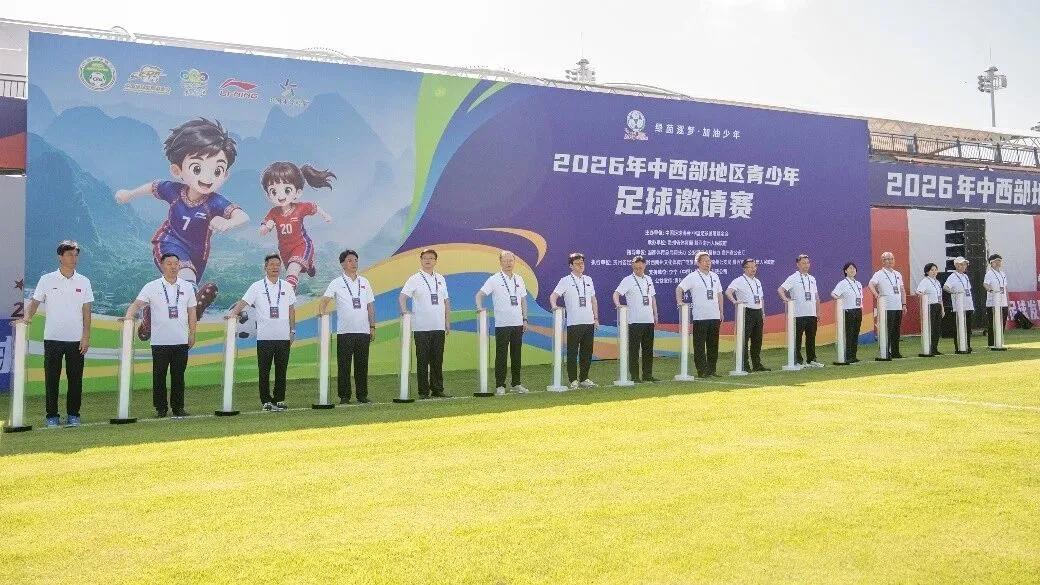
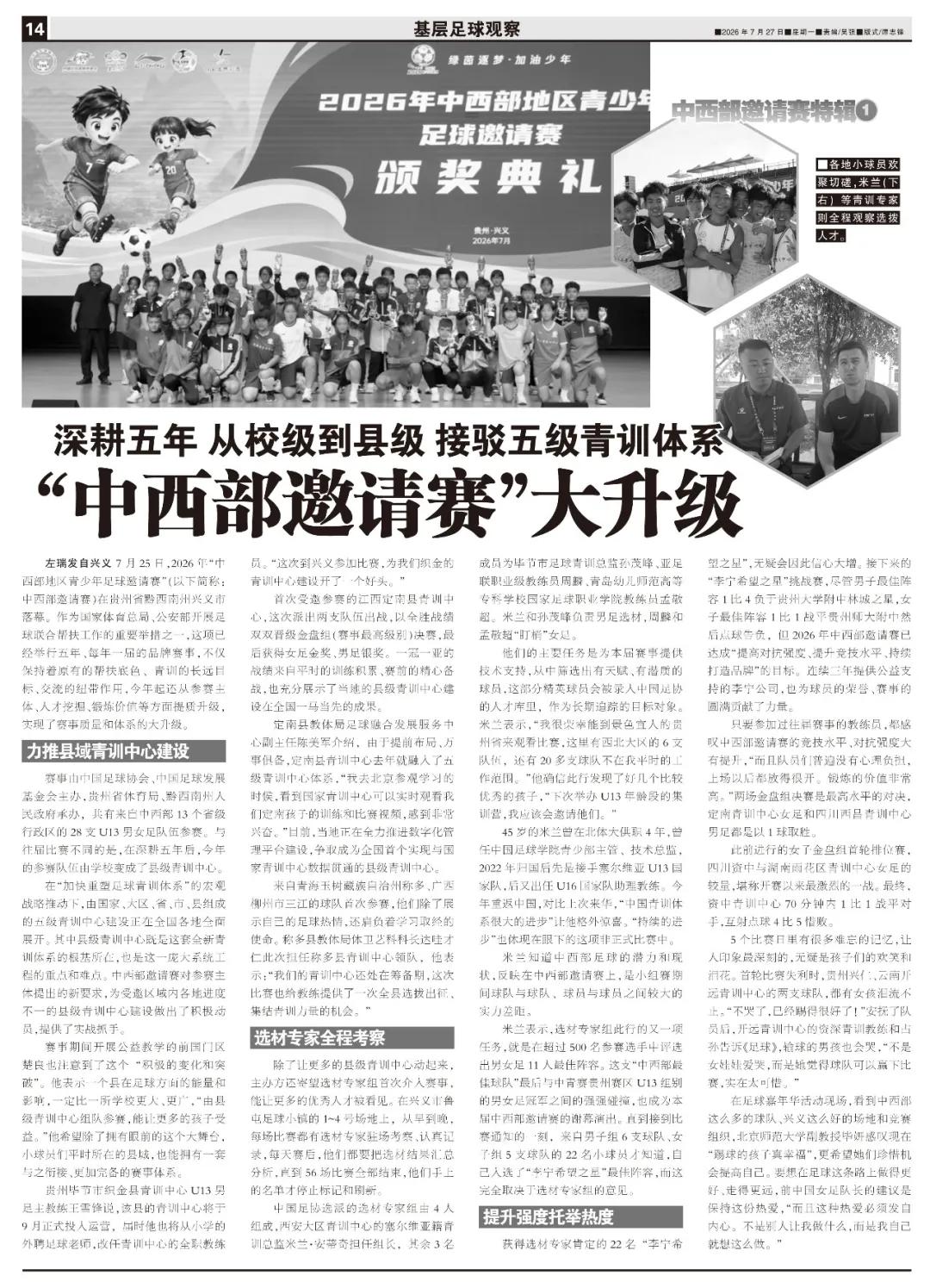
From Xingyi, Zuo Rui reports On July 25, the 2026 "Central and Western China Youth Football Invitational Tournament" (hereinafter referred to as the Central and Western Invitational Tournament) concluded in Xingyi, Qianxinan Prefecture, Guizhou Province. As one of the key measures of the joint football assistance efforts by the General Administration of Sport and the Ministry of Public Security, this annual brand event, now in its fifth year, not only maintains its original assistance character, long-term youth training goals, and role as a communication bridge, but has also been upgraded in terms of participating entities, talent discovery, and training value since this year, achieving a significant improvement in both event quality and system structure.

The tournament was organized by the Chinese Football Association and the China Football Development Foundation, and hosted by the Guizhou Provincial Sports Bureau and the People's Government of Qianxinan Prefecture. A total of 28 U13 boys' and girls' teams from 13 provincial-level administrative regions in central and western China participated. Unlike previous editions, after five years of development, this year's participating teams shifted from schools to county-level youth training centers.
Driven by the macro strategy of "accelerating the rebuilding of the football youth training system," the construction of five-tier youth training centers—comprising national, regional, provincial, municipal, and county levels—is being carried out across the country. Among them, the county-level youth training center is both the foundation of this new youth training system and the focus and difficulty of this massive project. The new requirements for participating entities in the Central and Western Invitational Tournament have provided positive mobilization and practical leverage for the construction of county-level youth training centers at varying stages of progress in the invited regions.
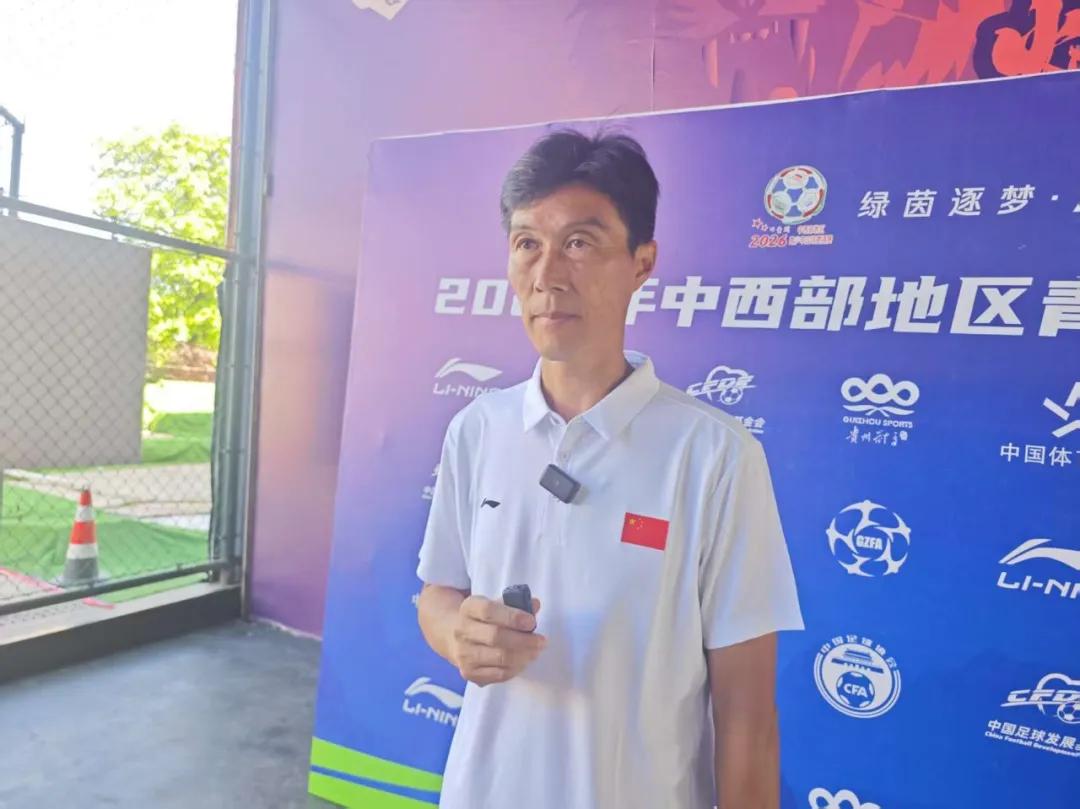
Former national goalkeeper Ou Chuliang, who conducted public welfare coaching during the event, also noticed this "positive change and breakthrough." He stated that a county's football energy and impact are definitely greater and wider than a school's. "Having teams formed by county-level youth training centers allows more children to benefit." He hopes that besides the grand stage they currently have, the counties where the young players usually live can also have a more complete competition system that connects with it.
Wang Xuefeng, head coach of the U13 boys' team of the Zhijin County Youth Training Center in Bijie, Guizhou, said that the county's youth training center will officially start operations in September. At that time, he will transition from being a part-time football teacher at a primary school to a full-time coach at the youth training center. "Coming to Xingyi to participate in this competition has set a good start for the construction of our Zhijin youth training center."
The Dingnan County Youth Training Center in Jiangxi, invited for the first time, sent two teams to compete. Both teams advanced to the finals of the Gold Plate Group (the highest level of the tournament) with undefeated records, ultimately winning the women's gold medal and the men's silver medal. The results of one championship and one runner-up came from their usual training accumulation and careful preparation before the competition, and also fully demonstrated the leading achievements of the local county-level youth training center construction nationwide.
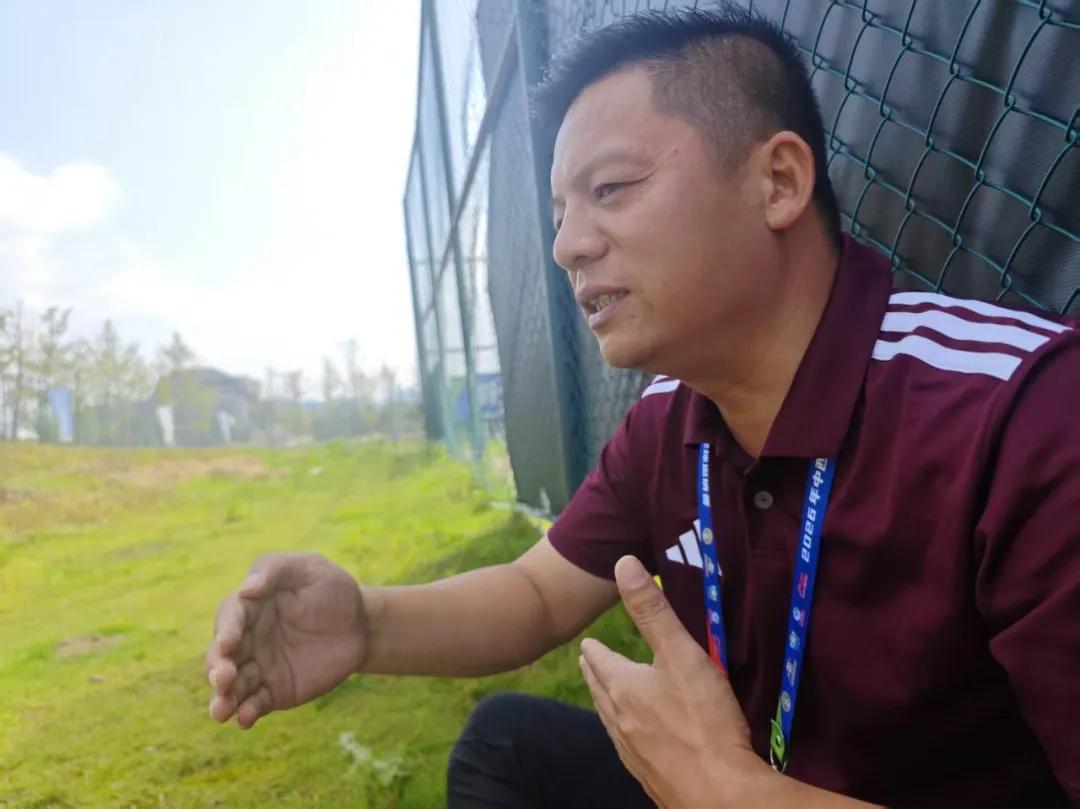
Chen Meijun, deputy director of the Football Integration Development Service Center of the Dingnan County Education and Sports Bureau, introduced that due to early planning and thorough preparation, the Dingnan County Youth Training Center was integrated into the five-tier youth training center system last year. "When I went to Beijing for a visit and study, I saw that the national youth training center could watch real-time videos of our Dingnan children's training and matches. I was very excited." Currently, the local area is fully promoting the construction of a digital management platform, striving to become the first county-level youth training center in the country to achieve data connectivity with the national youth training center.
Teams from Chenduo in Yushu Tibetan Autonomous Prefecture, Qinghai, and Sanjiang in Liuzhou, Guangxi, participated for the first time. Besides showcasing their passion for football, they also carried the mission of learning and gaining experience. Dawacairen, head of the Sports, Health, and Arts Section of the Chenduo County Education and Sports Bureau, served as the team leader of the Chenduo County Youth Training Center. He said, "Our youth training center is still in the preparation phase. This competition also provided an opportunity for the coaches to select players from the entire county and gather youth training forces."
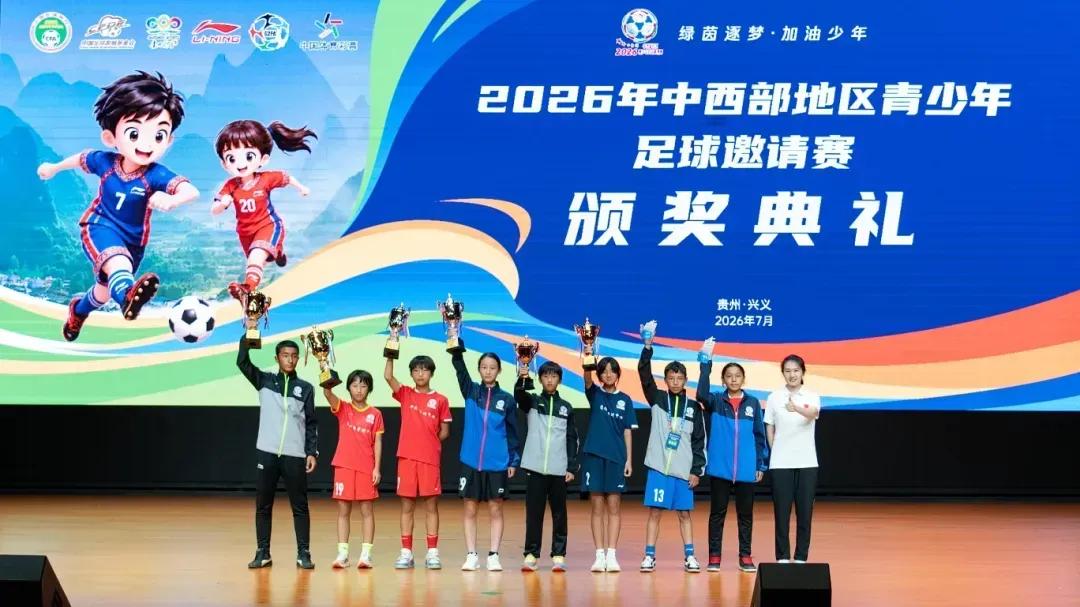

In addition to getting more county-level youth training centers into action, the organizers also hoped that the first involvement of a talent selection expert group would allow more outstanding talents to be seen. On fields 1 to 4 of the Lutun Football Town in Xingyi, from morning to night, talent selection experts were stationed at every match to observe and record carefully. After each day's matches, they summarized and analyzed the selection results. Only after all 56 matches were completed did the list in their hands stop being marked and refreshed.
The talent selection expert group appointed by the Chinese Football Association consisted of four members. Milan Antić, the Serbian youth training director of the Xi'an Regional Youth Training Center, served as the group leader. The other three members were Sun Maofeng, youth training director of Bijie City; Zhou Lin, an AFC professional-level coach; and Meng Jingchao, a coach from the National Football Vocational College of Qingdao Preschool Teachers College. Milan and Sun Maofeng were responsible for boys' talent selection, while Zhou Lin and Meng Jingchao focused on girls' selection.
Their main task was to provide technical support for the tournament and to screen out talented and potential players. These elite players would be entered into the Chinese Football Association's talent pool as long-term targets for tracking. Milan said, "I am honored to come to the beautiful Guizhou Province to watch the matches. There are six teams from the Northwest region here, and more than 20 other teams are not within my usual work scope." He was confident that he had discovered several relatively outstanding children during this trip. "Next time we hold a training camp for the U13 age group, I should invite them."
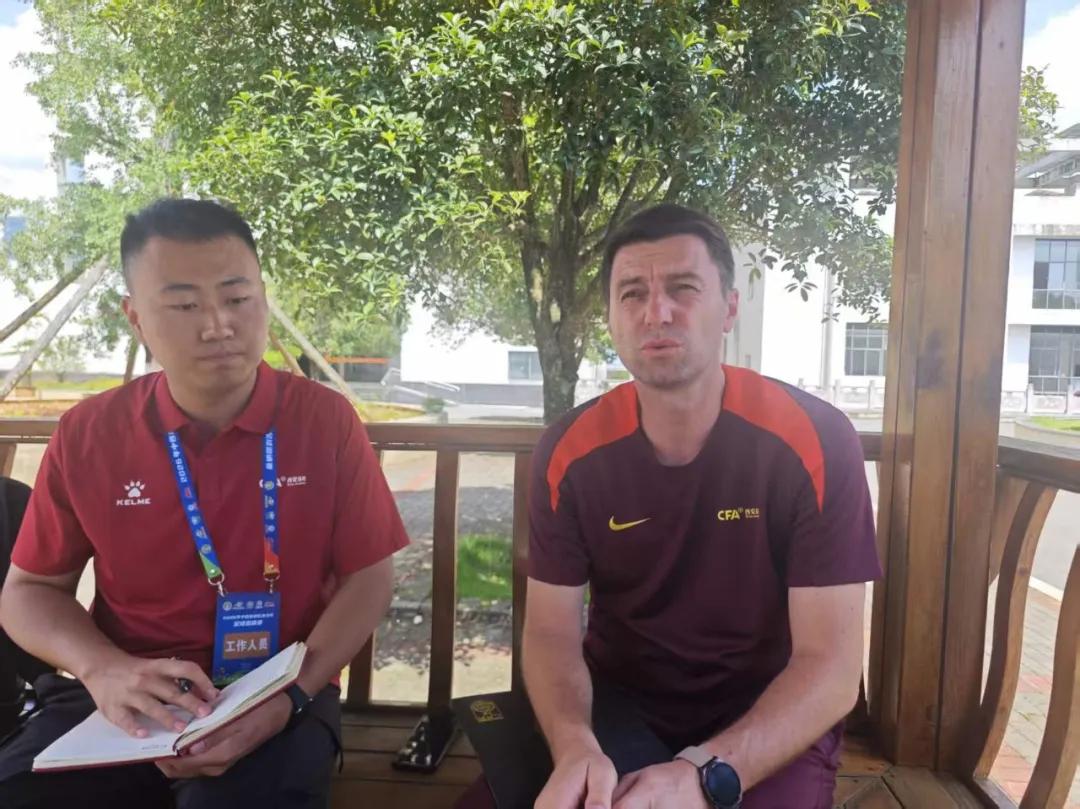
The 45-year-old Milan worked at Beijing Sport University for four years, serving as the director and technical director of the Youth Department of the China Football College. After returning to his home country in 2022, he first took charge of the Serbian U13 national team and later became an assistant coach for the U16 national team. Returning to China this year, compared to his last visit, he was particularly surprised by "the significant progress in China's youth training system." "Continuous progress" was also reflected in this informal competition.
Milan was aware of the potential and current situation of central and western Chinese football, which was reflected in the Central and Western Invitational Tournament by the large gap in strength between teams and between players during the group stage.
Milan said that another task of the talent selection expert group was to select the best 11-player lineups for both boys and girls from over 500 participating players. This "Central and Western Best Team" then faced off against the champions of the U13 category of the China Youth Football League in Guizhou, serving as the grand finale of this year's Central and Western Invitational Tournament. Only when they received the competition notice did the 22 young players from 6 boys' teams and 5 girls' teams learn that they had been selected for the "Li Ning Hope Star" best lineup, a decision entirely based on the opinion of the talent selection expert group.

The 22 "Li Ning Hope Stars" who received the affirmation of the talent selection experts undoubtedly gained a significant boost in confidence. In the subsequent "Li Ning Hope Star" challenge matches, although the boys' best lineup lost 1-4 to Lin Cheng Star of Guizhou University Affiliated High School, and the girls' best lineup drew 1-1 with Guizhou Normal University Affiliated High School before losing on penalties, the 2026 Central and Western Invitational Tournament had achieved its goals of "increasing the intensity of competition, raising the level of play, and continuously building the brand." Li Ning, which has provided public welfare support for three consecutive years, also contributed to the players' honor and the success of the event.
Any coach who had participated in previous editions marveled at the significant improvement in the competitive level and intensity of the Central and Western Invitational Tournament. "Moreover, the players generally had no psychological burden and played very freely on the field. The training value was very high." The two Gold Plate Group finals were the highest-level matchups, with the Dingnan Youth Training Center girls' team and the Sichuan Xichang Youth Training Center boys' team both winning by a single goal.
In the earlier first-round ranking match of the women's Gold Plate Group, the contest between the Sichuan Zizhong and Hunan Yuhua District Youth Training Center girls' teams was arguably the most intense match of the tournament. In the end, Zizhong Youth Training Center drew 1-1 with their opponent within 70 minutes and lost 4-5 in a penalty shootout.
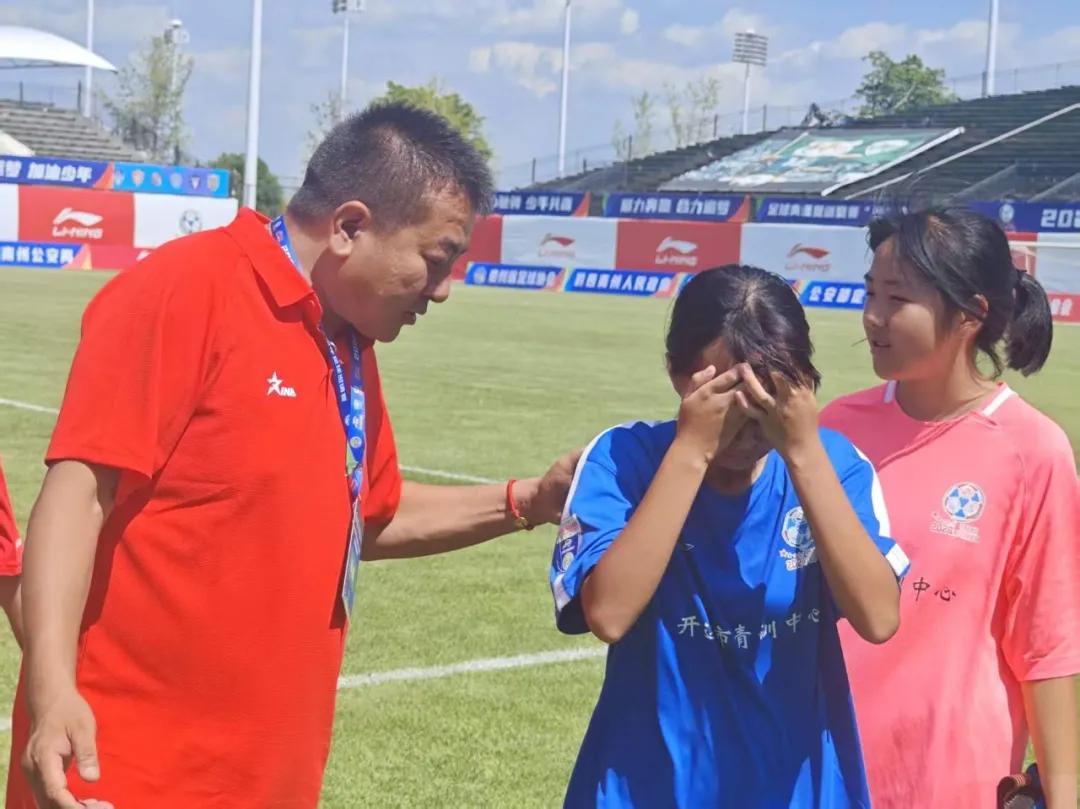
Over the five competition days, there were many unforgettable memories. What left the deepest impression was undoubtedly the laughter and tears of the children. When they lost their first match, the teams from Xingren, Guizhou, and Kaiyuan, Yunnan, both had girls crying uncontrollably. "Don't cry, you played very well!" After comforting the players, He Zhansun, a senior youth training coach from the Kaiyuan Youth Training Center, told Football that boys also cry when they lose. "It's not that the girls are prone to crying; it's that she felt the team could have won the match, and it was such a pity."
At the football carnival event, seeing so many teams from central and western China and the excellent venues and competition organization in Xingyi, Bi Yan, an associate professor at Beijing Normal University, exclaimed that "the children playing football are so happy now" and hoped they would cherish the opportunity to improve themselves. To do better and go further on the football path, the former captain of the Chinese women's national team advised maintaining that passion, "and this passion must come from the heart. It's not about others telling me what to do, but about me wanting to do it myself."


Wonderfulshortvideo

raphinha assist today lamine yamal goal today brace today vs levante


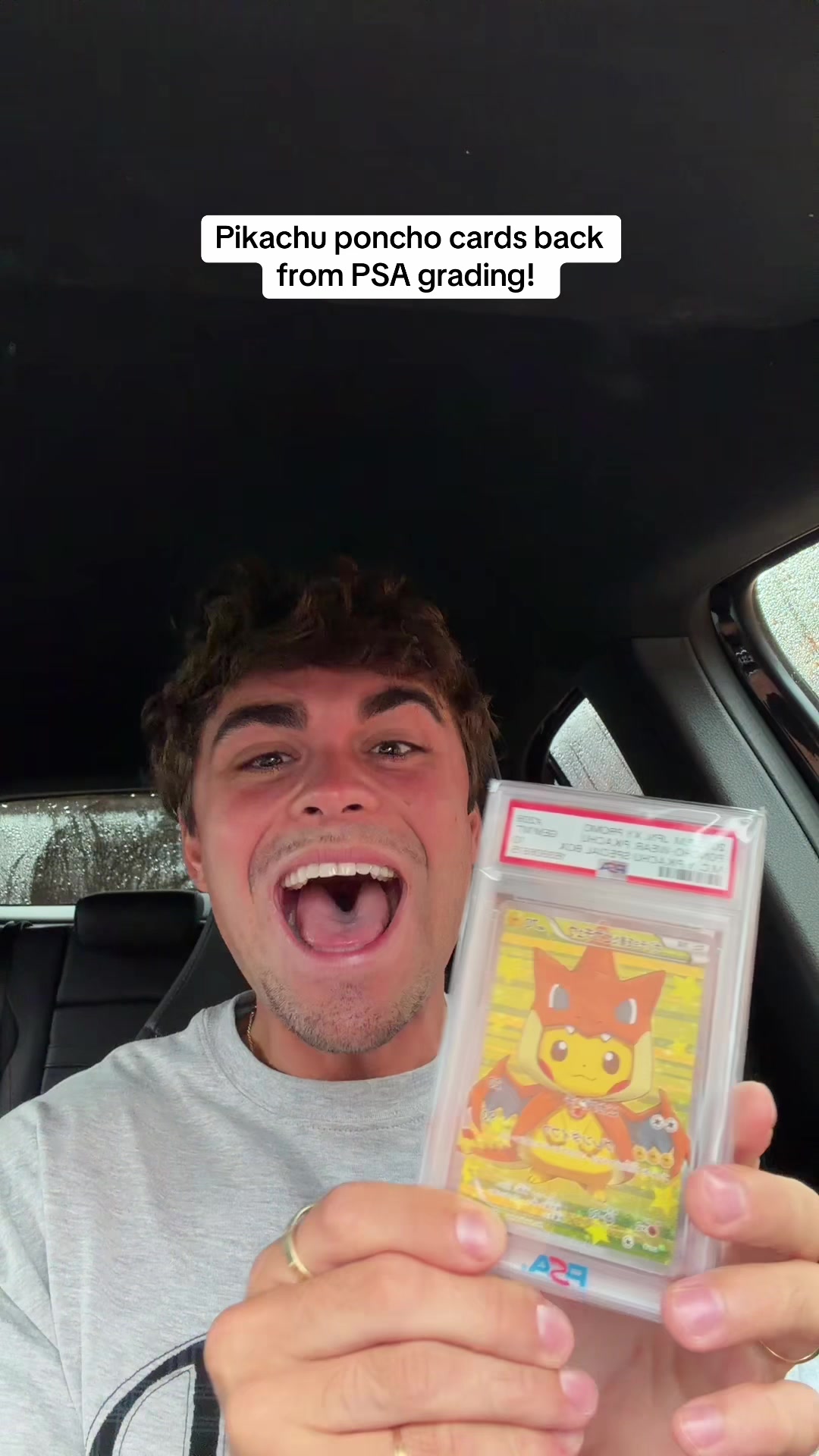
Follow for more pokemon content! So what do I do with them now?…

arda guler assist today guler vs rayo vallecano mbappe goal today jude bellingham goal today
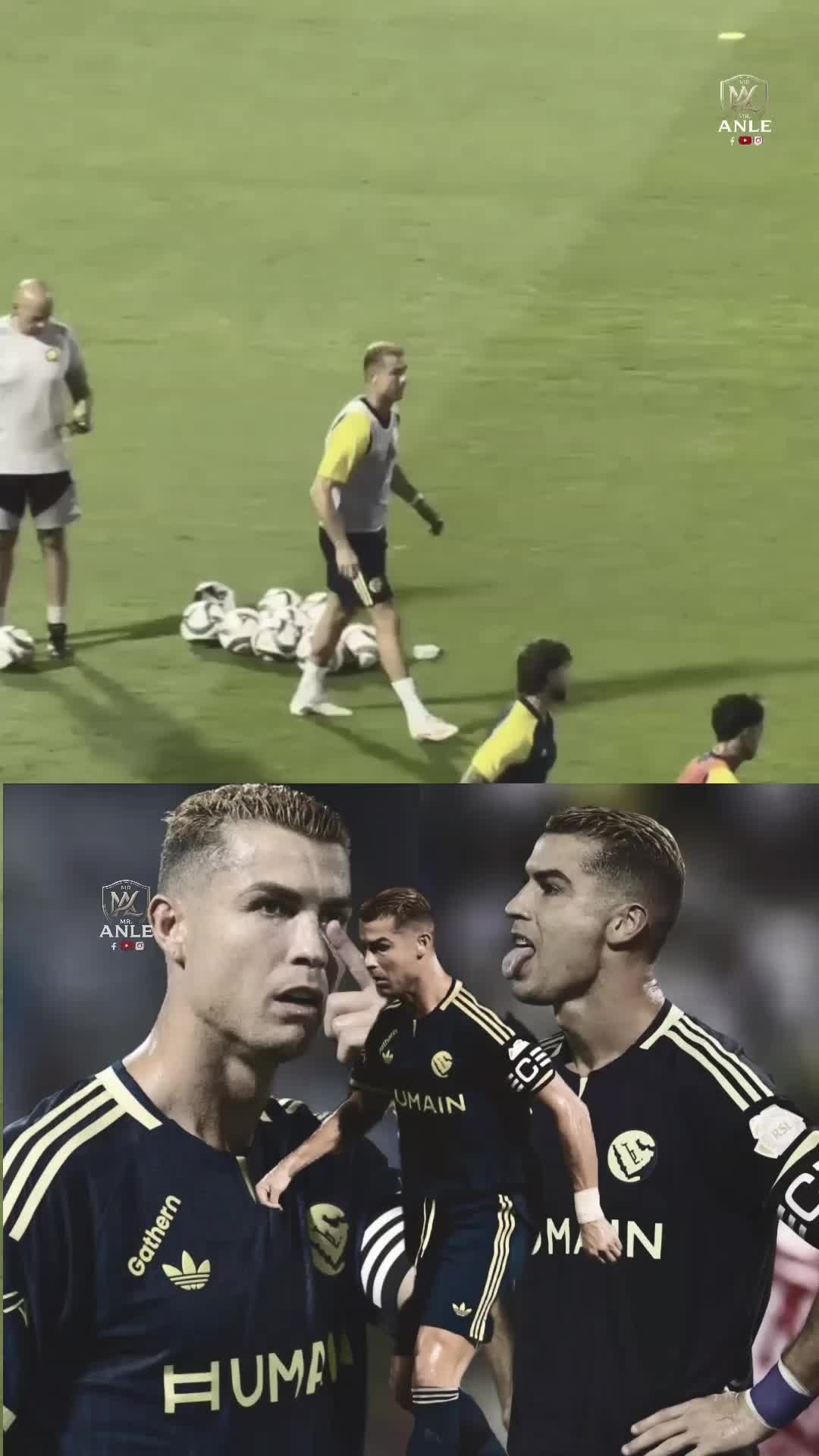
Cristiano Ronaldo and Al Nassr vs Al Khaleej

HIGHWAYMAN WINS THE BETFRED ST LEGER! 🏆
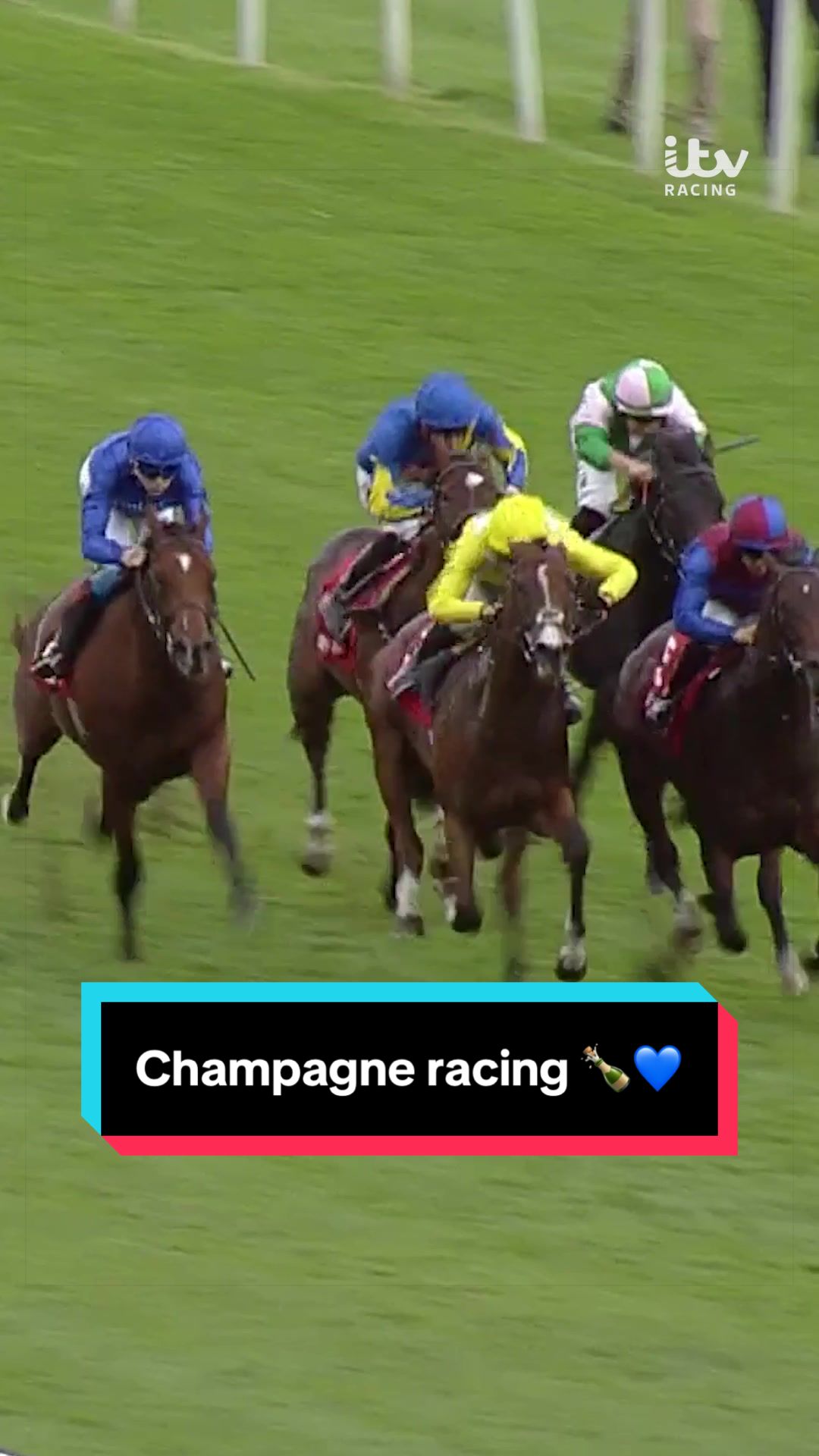
DESERT CASTLE DOMINATES! 🏆🍾

mbappe ballon d'or interview lequipe mbappe edit mbappe interview
 Links
Links
 Contact
 App
App


