



John Herdman: The new architect of Indonesian football


The decision by the Indonesian Football Association (PSSI) to name John Herdman as the national team's head coach in early 2026 created quite a stir.
The English strategist does not boast a glittering playing career, nor has he ever led a top European club. However, Herdman is one of the most experienced coaches at the international level.
From a team-building expert to PSSI's selection
Born in 1975 in Consett, England, Herdman lacked a notable professional playing career. He transitioned early into coaching before joining the New Zealand Football Association in 2003. Three years later, Herdman was appointed head coach of the New Zealand women's team, and then moved to coach the Canadian women's team in 2011.
This period brought the English tactician widespread recognition. He led the Canadian women's team to two consecutive Olympic bronze medals at London 2012 and Rio 2016, while building a resilient squad that always ranked among the top contenders in major tournaments.
In 2018, the Canadian Soccer Association entrusted Herdman with an even greater challenge by appointing him to lead the men's team. Within just four years, he guided Canada to qualify for the 2022 World Cup, ending a 36-year absence from the world's biggest football event. This is regarded as a historic milestone for Canadian football, and it also highlights Herdman's ability to forge a competitive team from players who were not highly rated.
After a period at Toronto FC, Herdman accepted PSSI's offer to begin a new chapter in his career. According to PSSI Chairman Erick Thohir, Indonesia was not simply looking for a technically skilled coach; they needed someone capable of building a long-term development foundation for the national team.
That is also Herdman's greatest strength. Throughout his career, he has consistently been praised more for his people management skills than for revolutionary tactical ideas.

John Herdman on the day of his introduction to the Indonesian national team. Photo: Xinhua News Agency
Herdman's first imprint
Although he has been in charge for only a short time, Herdman has already initiated notable changes in how the Indonesian national team operates.
According to Indonesian media, the new coaching staff has increased the time spent on video analysis, held more frequent tactical meetings, and devoted more time to direct communication with each player. Every team member is clearly explained their role, responsibilities, and technical requirements, rather than merely receiving instructions from the coaching staff.
One of the most striking aspects is how Herdman manages the locker room. As Indonesia fields an increasing number of naturalized players, especially those of Dutch descent, the English strategist consistently emphasizes fair competition. Squad selection is based on form, ability to meet tactical demands, and dedication during training, rather than a player's reputation or background.
From a technical standpoint, Herdman prioritizes building an energetic playing style characterized by quick transitions, organized pressing, and flexibility in approaching each opponent. Instead of sticking to a fixed formation, he frequently adjusts the system to suit the personnel characteristics and the requirements of each match, although three-center-back formations still appear quite often.
Those changes have already begun to show on the pitch. Indonesia has displayed a more positive outlook during the preparation for the 2026 ASEAN Cup, with tighter defensive organization, higher intensity, and clearer cohesion between lines. The team no longer relies heavily on individual moments of brilliance but aims for a collective style where every position contributes to both defense and attack. The 2026 ASEAN Cup is Herdman's first major tournament as head coach of Indonesia, but his ambitions go beyond the regional stage. The English strategist has repeatedly stated his goal of building a solid enough foundation for Indonesia to target the 2027 Asian Cup and, further ahead, the race for a spot in the 2030 World Cup.


Wonderfulshortvideo

raphinha assist today lamine yamal goal today brace today vs levante


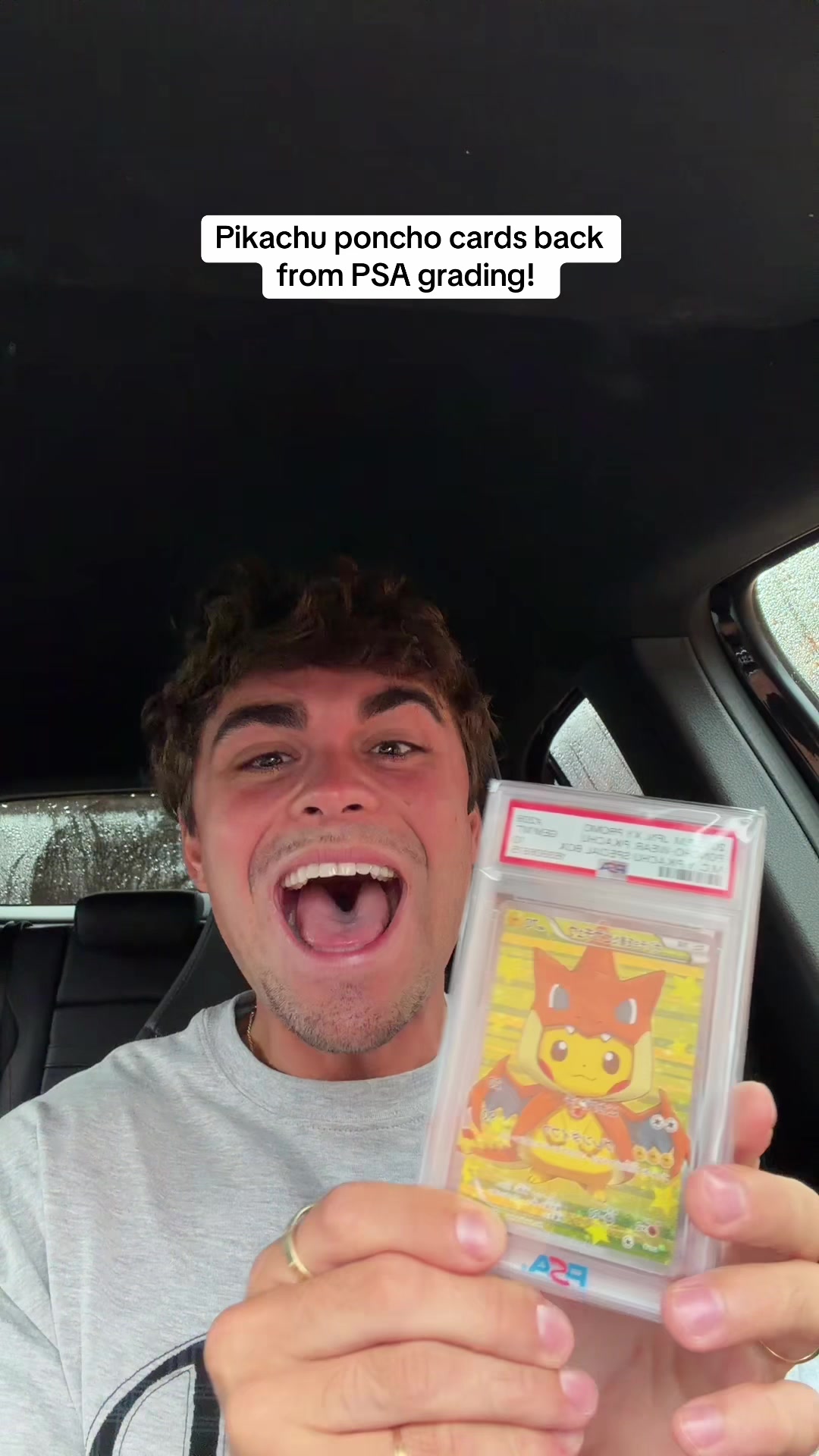
Follow for more pokemon content! So what do I do with them now?…

arda guler assist today guler vs rayo vallecano mbappe goal today jude bellingham goal today
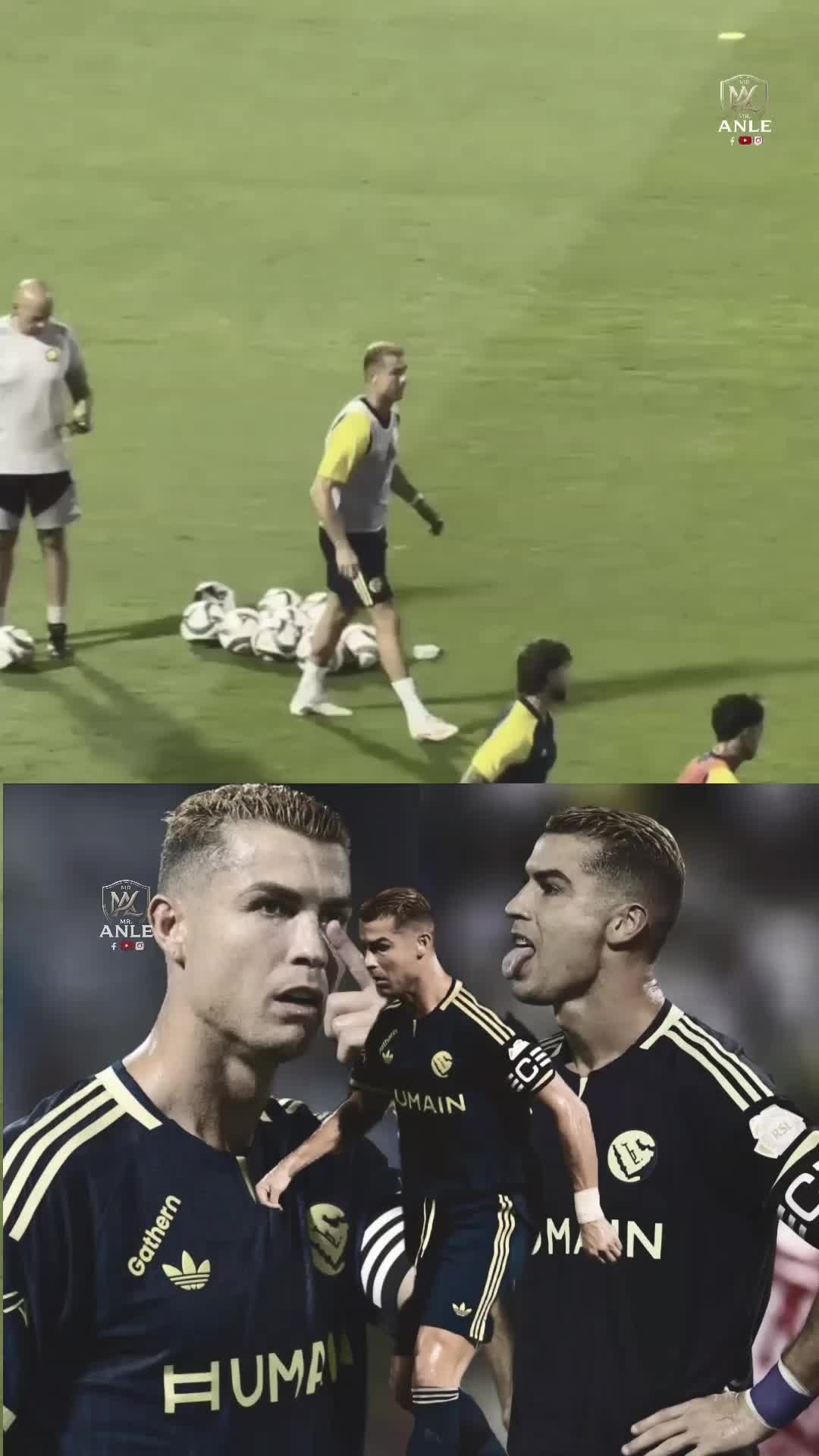
Cristiano Ronaldo and Al Nassr vs Al Khaleej
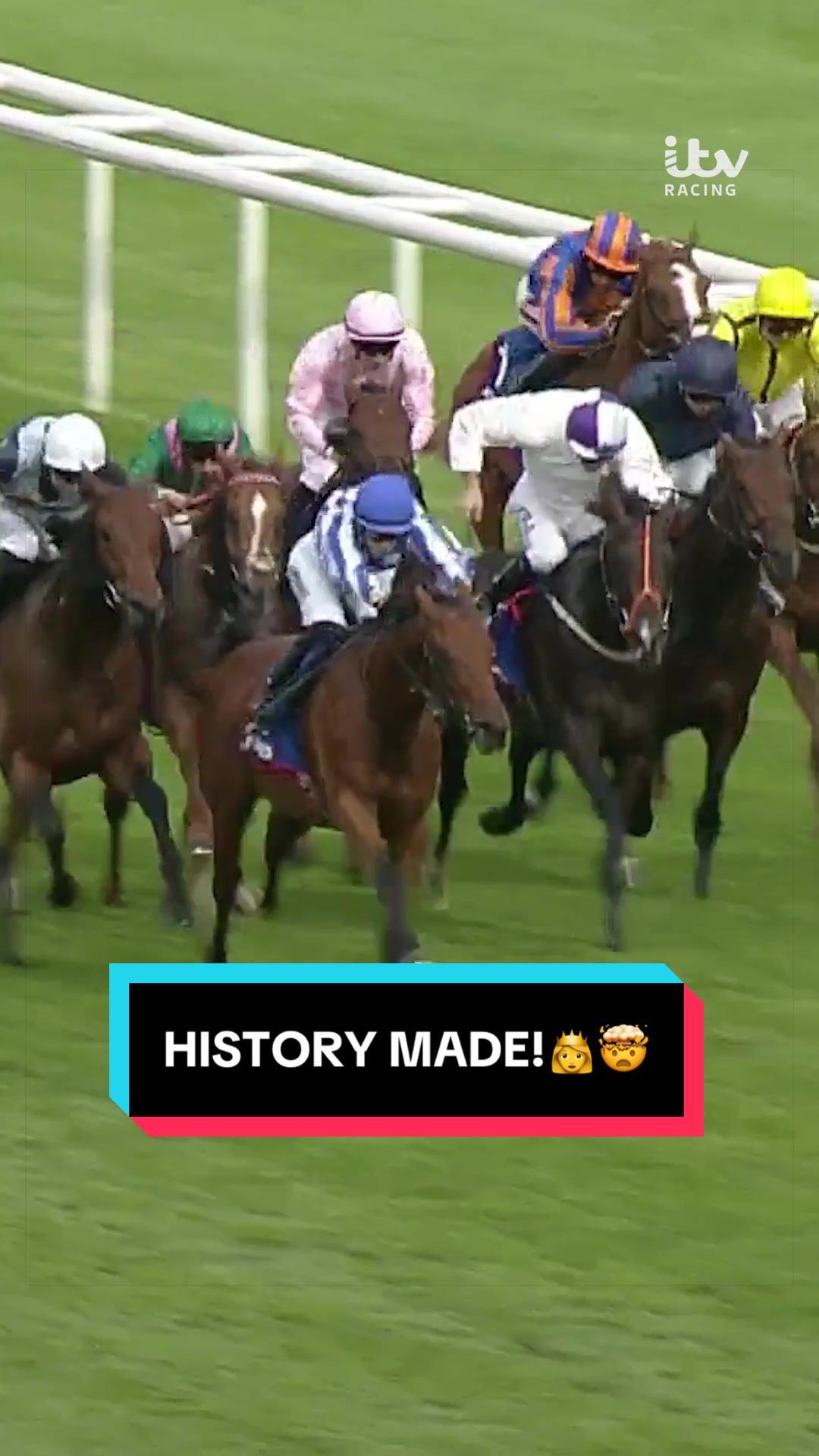
HIGHWAYMAN WINS THE BETFRED ST LEGER! 🏆
DESERT CASTLE DOMINATES! 🏆🍾

mbappe ballon d'or interview lequipe mbappe edit mbappe interview
 Links
Links
 Contact
 App
App


