



Italian football takes a step backward: Maldini out, Mancini returns


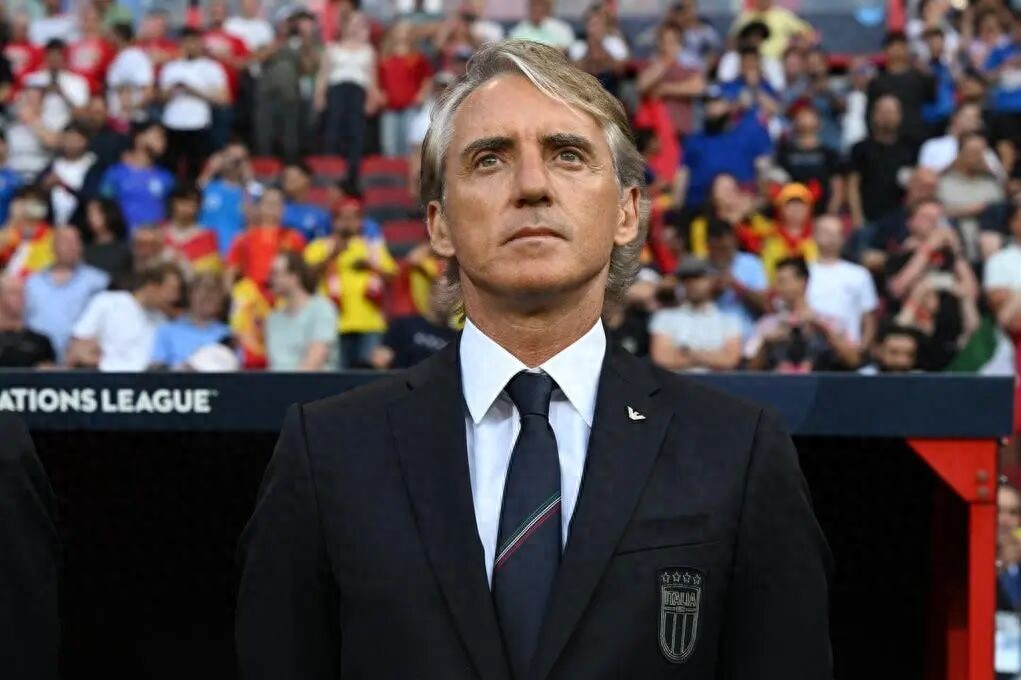
Written by Han Bing In just five days, the Italian national team has backtracked by eight years. Five days ago, Pirlo, the champion coach of the 2006 generation, was seen by Italian media as the frontrunner for the new coach position, a pioneer of Italian football reform. Transfer expert Romano couldn't wait to issue his signature "Here We Go," announcing Pirlo's appointment in advance.
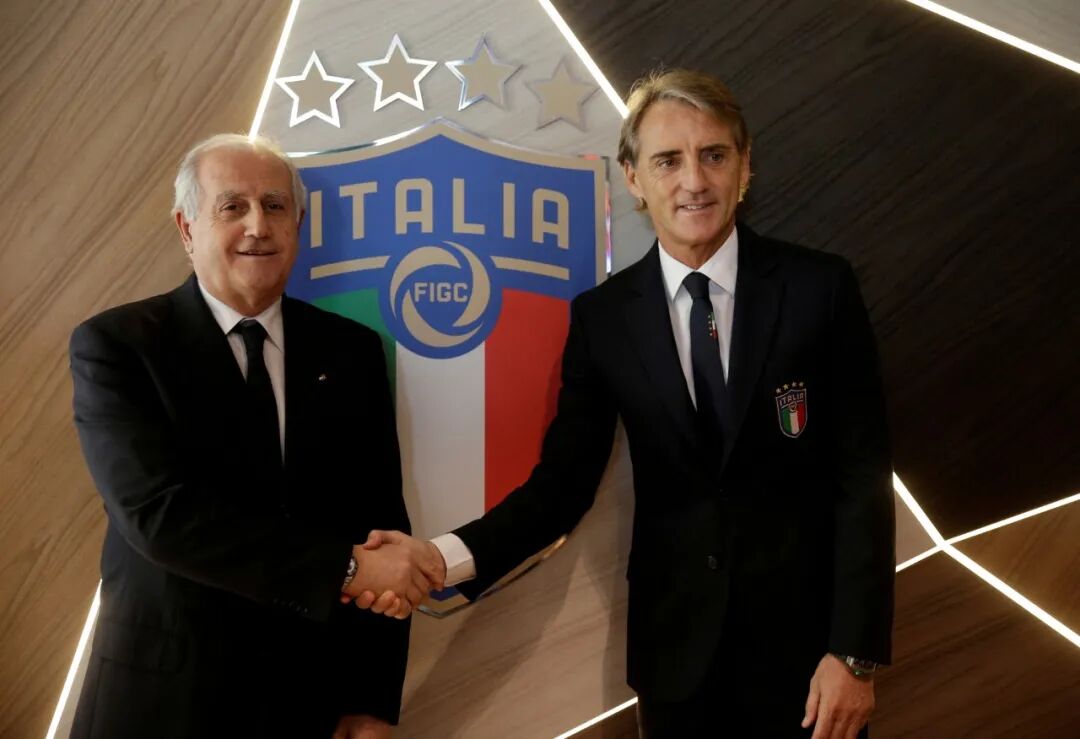
But this time, the prophet Romano lost, and the Roman Senate won. Italian Football Federation President Malago and Sports Minister Abodi chose Mancini, their teammate in the "Roman veterans' match." After eight years, Mancini returns as Italy's head coach, marking an eight-year regression for Italian football—from the long-awaited comprehensive reform back to the tradition of political interference and arbitrary decisions by federation executives.
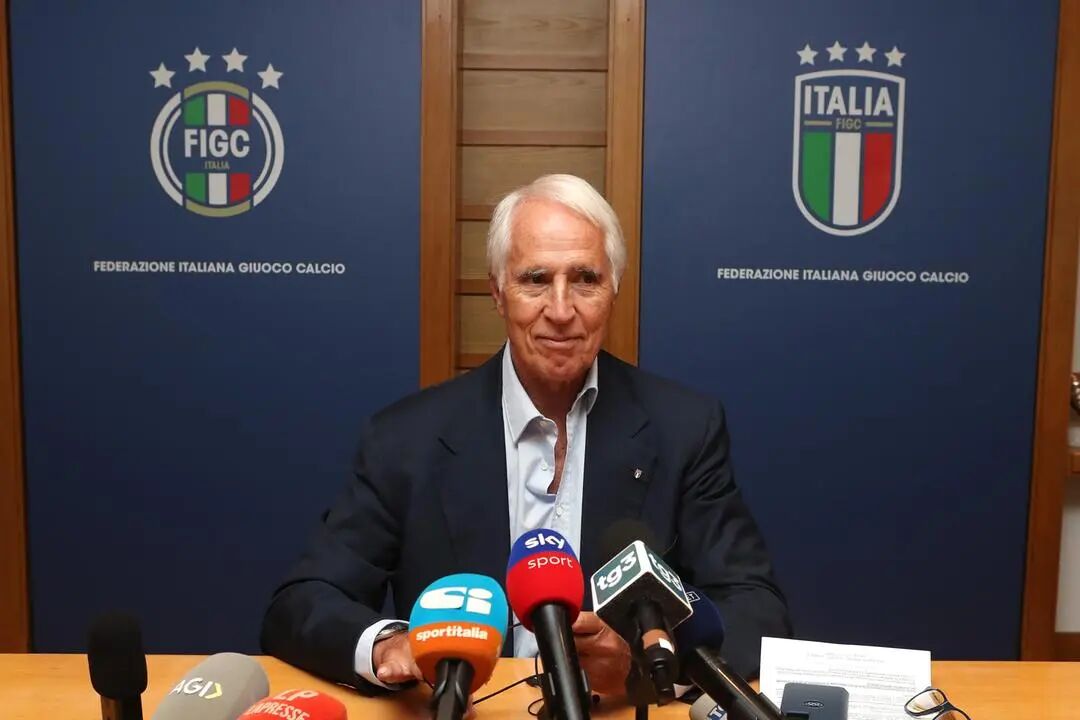
Italian Football Federation President Malago

The plot twist in Italy's coaching selection within just five days was orchestrated by a Roman veterans' football team called "Agnene Rowing." This five-a-side team of over-60s had just defeated Lazio's veterans 8-3 in a celebration match for Rome's 130th anniversary on July 23. Italian FA President Malago, Sports and Youth Minister Abodi, and Mancini are teammates on the Roman veterans' team, with Mancini scoring five goals. Add another Roman—74-year-old Ranieri, who will become the technical director of the Italian FA at an advanced age—and the future of the Italian national team remains in the hands of Rome's "elders," not the young reformers from Milan. This coaching selection signifies a regression in Italian football, with the federation still choosing conservatism over radical change.
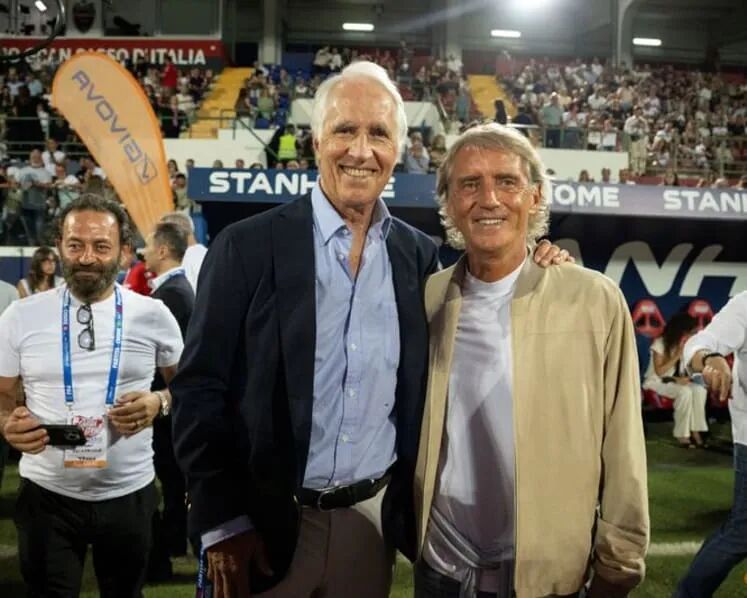
The reversal in Italy's coaching search in just a few days has once again made Italian football a laughingstock worldwide. The reform led by the new FA president proved to be nothing but a facade for conservative forces in just 16 days. The future of the Italian team is still decided by a small circle of Roman "elders": Rome is the true "power center" of Italian football, especially since the honorary president of the Roman veterans' team became the FA president, allowing his teammates to deeply influence Italian football. Malago, by pushing Mancini's return and appointing Ranieri as technical director, has firmly placed the Italian national team in the hands of the Romans.
Despite FA President Malago's strong push for Mancini, Italian fans are not optimistic. A poll by La Gazzetta dello Sport showed that 86% of fans believe choosing Mancini is not only wrong but terribly wrong. Mancini's sudden departure three years ago to seek fortune in Saudi Arabia was widely seen as a betrayal of the Italian team. His resignation on August 13, 2023, came less than a month before crucial Euro 2024 qualifiers against North Macedonia and England, catching the Italian FA and the team off guard. Mancini didn't even answer the phone calls from then-FA President Gravina, and half a month later, he officially announced his coaching role in Saudi Arabia with an annual salary of 25 million euros. La Gazzetta dello Sport believes Mancini has the right to pursue higher pay, but the timing of his choice was inappropriate.
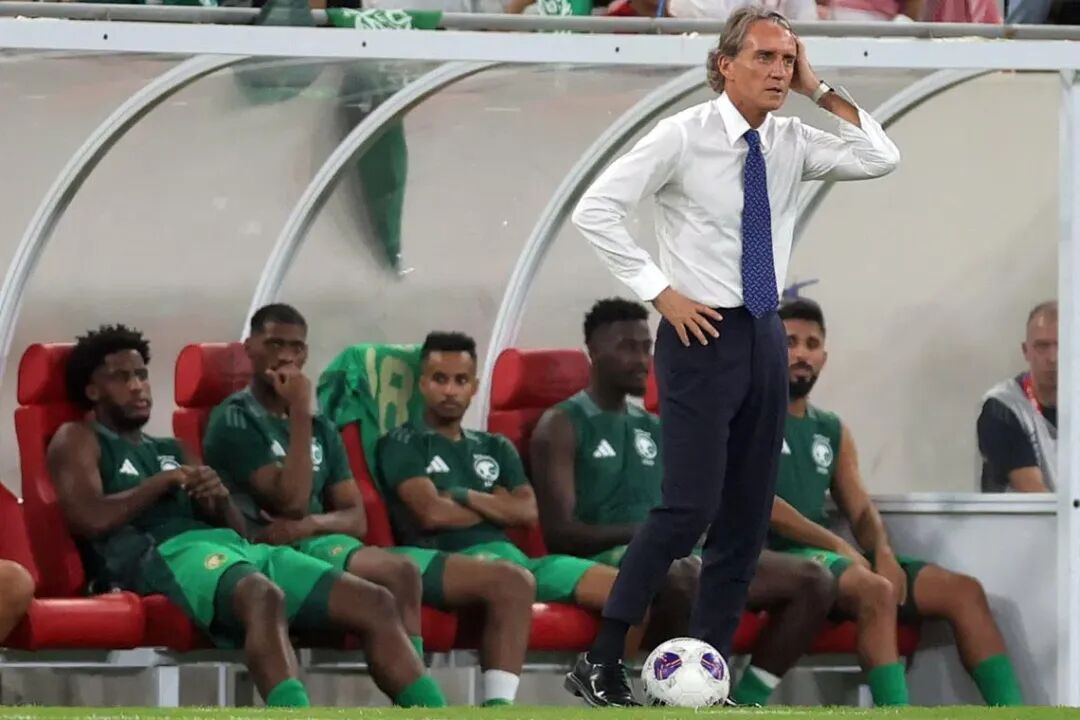
Although Mancini brought Italy the European Championship title, he also led the team to miss the 2022 World Cup. He had submitted his resignation at that time but was retained by the FA president. Being a European champion who then missed the subsequent World Cup, coupled with his abandonment of the Italian team for a high salary, makes it difficult for media and fans to accept Mancini's return in the short term.

On July 12, Maldini became the new technical director of the Italian FA, with Leonardo as an advisor, marking the official start of the football reform led by new FA President Malago. Just 16 days later, both Maldini and Leonardo resigned, and the reform quickly collapsed. The negotiations before their appointments were already very complicated and reluctant, ultimately proving that any decision made through compromise is almost always wrong; choices that go against one's heart will eventually return to the starting point.
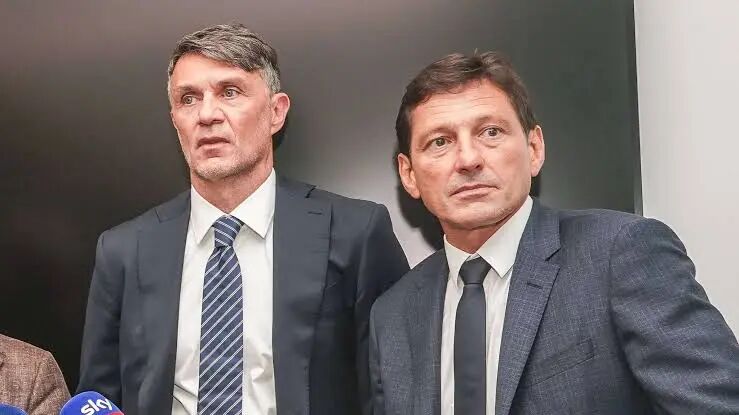
The disagreement between Malago and Maldini existed from the start of negotiations. Malago wanted to find an experienced coach who could achieve immediate results, while Maldini and Leonardo hoped to cultivate a future head coach from within the 2006 championship generation. After Maldini revealed "contact" with the completely impossible Ancelotti and Guardiola, the situation took a sharp turn for the worse. The two even threatened to resign until Monday, demanding that Malago explain why Pirlo was excluded from the list of new coach candidates.
Pirlo was the top choice for Maldini and Leonardo for the new coach, but Malago emphasized that his role as a spokesperson for a Russian betting company would make it difficult to gain political and public support. He also mentioned the reality that sponsors of the Italian FA had withdrawn substantial funds due to the team's consecutive World Cup misses, and the team must rely on a famous coach to achieve outstanding results immediately to regain sponsor favor. This was a pressing concern for the Italian FA.
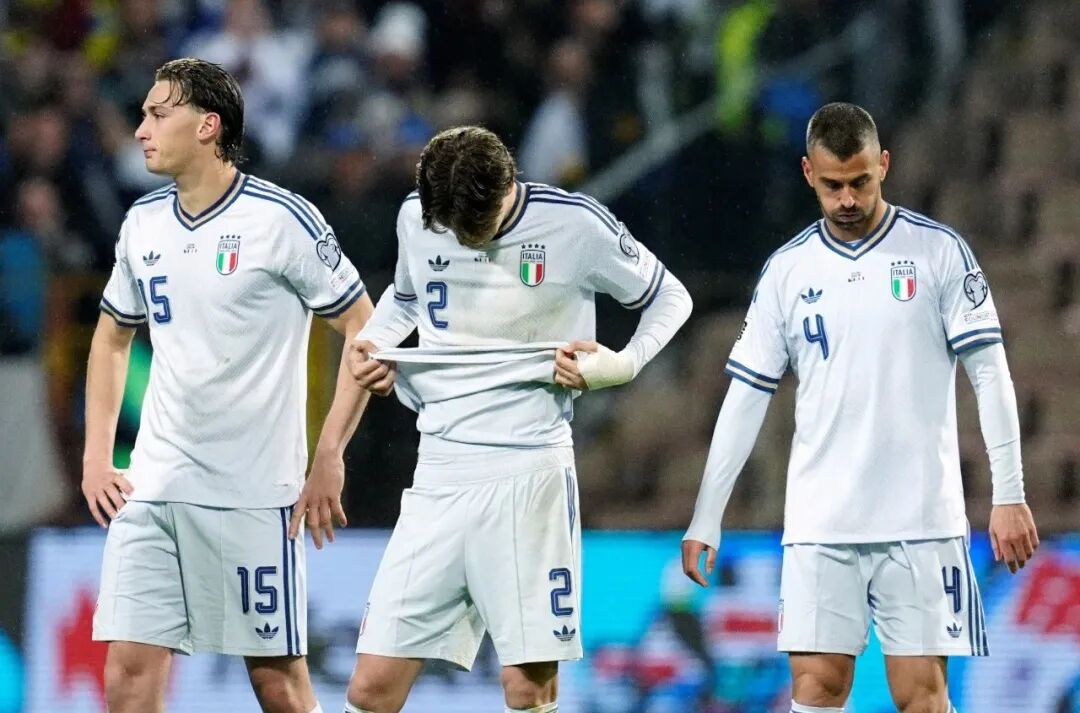
Maldini and Leonardo also proposed many other candidates, such as Motta and De Rossi, but they never entered Malago's direction for coaching selection. Malago presented a choice between Mancini or Conte, neither of whom had ever been considered by Maldini and Leonardo. The representatives of Italian football reform found themselves without decision-making autonomy and the trust of the FA president, so they chose to resign, and Italian football regressed back to square one.
Although Malago promised to comprehensively improve the youth training system and have as many new players as possible join and appear in the 2032 home European Championship, Mancini, after all, comes from a second-tier UAE league team and now must shoulder the dual burdens of quickly achieving good results for the Italian team and ushering in a new generation. He will face unprecedented pressure in terms of results and public opinion.


Wonderfulshortvideo
raphinha assist today lamine yamal goal today brace today vs levante


Follow for more pokemon content! So what do I do with them now?…
arda guler assist today guler vs rayo vallecano mbappe goal today jude bellingham goal today
Cristiano Ronaldo and Al Nassr vs Al Khaleej
HIGHWAYMAN WINS THE BETFRED ST LEGER! 🏆
DESERT CASTLE DOMINATES! 🏆🍾

mbappe ballon d'or interview lequipe mbappe edit mbappe interview
 Links
Links
 Contact
 App
App


