



Two Decades of Vietnamese Football



In Hanoi, on March 8, 2013, the Prime Minister issued Decision No. 419/QĐ-TTg, endorsing the "Strategy for Vietnamese Football Development up to 2020, Vision to 2030," which outlined many objectives. The strategy included both the realities and remedies for football, spanning the periods prior to, during, and following the approval decision.
Regarding the goals for 2020, specifically for men's football, they can be considered achieved. In particular, we won the Southeast Asian Championship (once, in 2018), secured the SEA Games gold medal (once, in 2019), and even exceeded expectations with at least two additional achievements: reaching the final of the 2018 AFC U23 Championship and the semifinals of the 18th Asian Games (ASIAD).
Based on these foundations, Vietnamese football continued to reap successes under Coach Park Hang-seo: the national team reached the third round of the 2022 FIFA World Cup qualifiers, directly competing for a spot in the finals in Qatar against Japan, Australia, and Saudi Arabia; the U22+3 team won the gold medal at the 31st SEA Games in 2022 on home soil (the second time in three years)...
After a brief period of failure under Coach Philippe Troussier (Park's successor), under Coach Kim Sang-sik (from 2024 onward), Vietnamese football added another Southeast Asian championship (in 2024) at the senior level, while the U23 team won three consecutive Southeast Asian titles, reached the semifinals of the 2026 AFC U23 Championship, and is currently on a strong path to defend the Southeast Asian throne in the 2026 ASEAN Cup.
On the latest FIFA World Ranking, in Asia, we are ranked 17th (99th in the world), obviously behind the top eight continental representatives who have just returned from the 2026 FIFA World Cup finals. The task for Vietnamese football in the remaining four years of the "20-30 vision" is to break into the top two of the second group, which includes: UAE (our first opponent in Group E of the 2027 AFC Asian Cup finals), Jordan, Oman, Syria, China, Bahrain, Thailand, and Palestine.
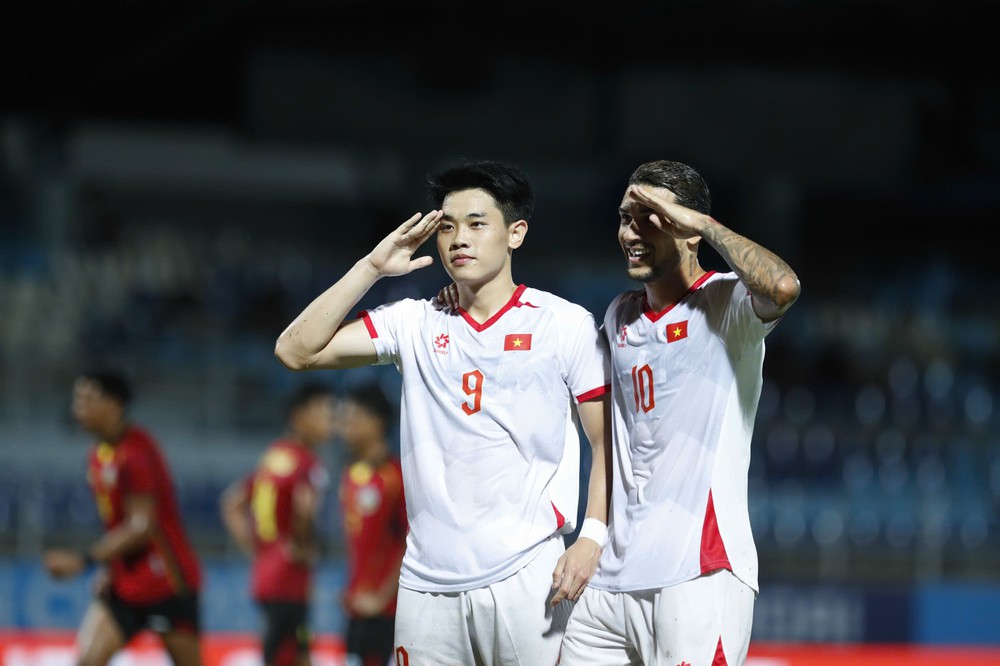
The Vietnamese national team currently possesses a very promising generation of players. Photo: Tuấn Phạm
This is entirely possible if Vietnam advances past the group stage and goes deep into the 2027 AFC Asian Cup finals in Saudi Arabia. Considering the quality of the squad (human resources) and the favorable circumstances ("timeliness"), we have reason to hope in Quang Hải, Xuân Son, and their teammates. A good performance in Saudi Arabia will serve as a perfect launchpad for another development strategy up to 2045.
However, it must be noted that achieving success in one or several specific tournaments does not equate to being "consistently in the Top 10" of the strongest football nations in Asia, which is necessary to attack the World Cup goal, for which Asia has eight slots. A football nation aiming for self-sufficiency needs many more factors and practical solutions. We must understand our own body, i.e., internal strength, before planning long-term. "Tactical" preparation is crucial for both short-term and long-term objectives.
Specifically, the youth training and national competition system, Vietnamese professional football leagues, and the infrastructure for training and organizing matches need improvement and upgrading. Several large-capacity stadiums have been or are being built and nearing completion, opening up greater opportunities for hosting macro-level sporting events, thereby stimulating development. The remaining concerns lie in two key factors: human resources and professional football methods.
Returning to the 20-year story. Football cannot take shortcuts; it must undergo a process of solid accumulation. We always make a commitment, but how it is implemented and whether we stay together fully is another matter. Only time will tell!
Opportunities are opening up for Vietnamese football, at least at the senior national team level, with the best generation of players in the past 30 years, now reaching their prime. Seize it!


Wonderfulshortvideo

raphinha assist today lamine yamal goal today brace today vs levante


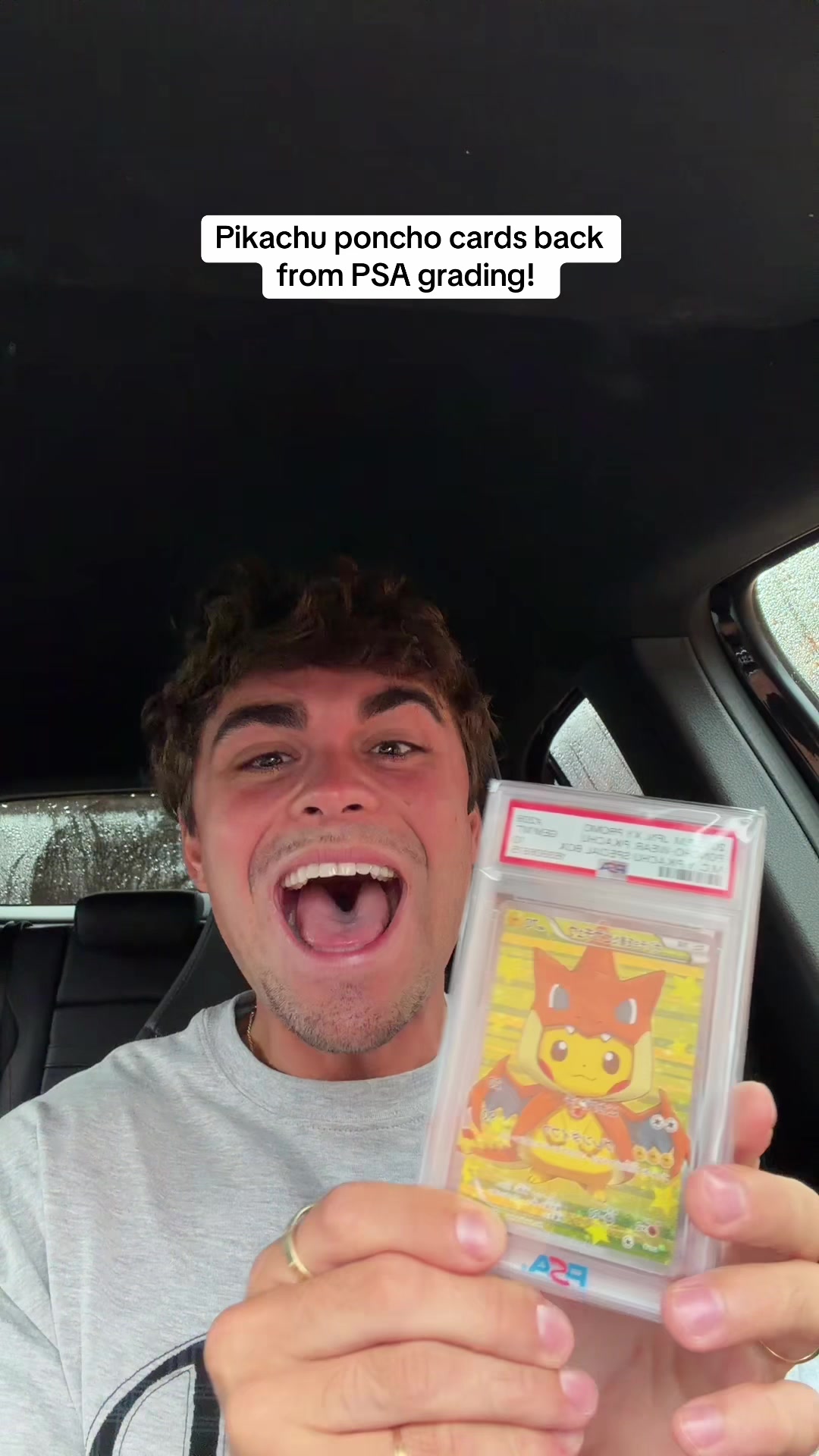
Follow for more pokemon content! So what do I do with them now?…

arda guler assist today guler vs rayo vallecano mbappe goal today jude bellingham goal today
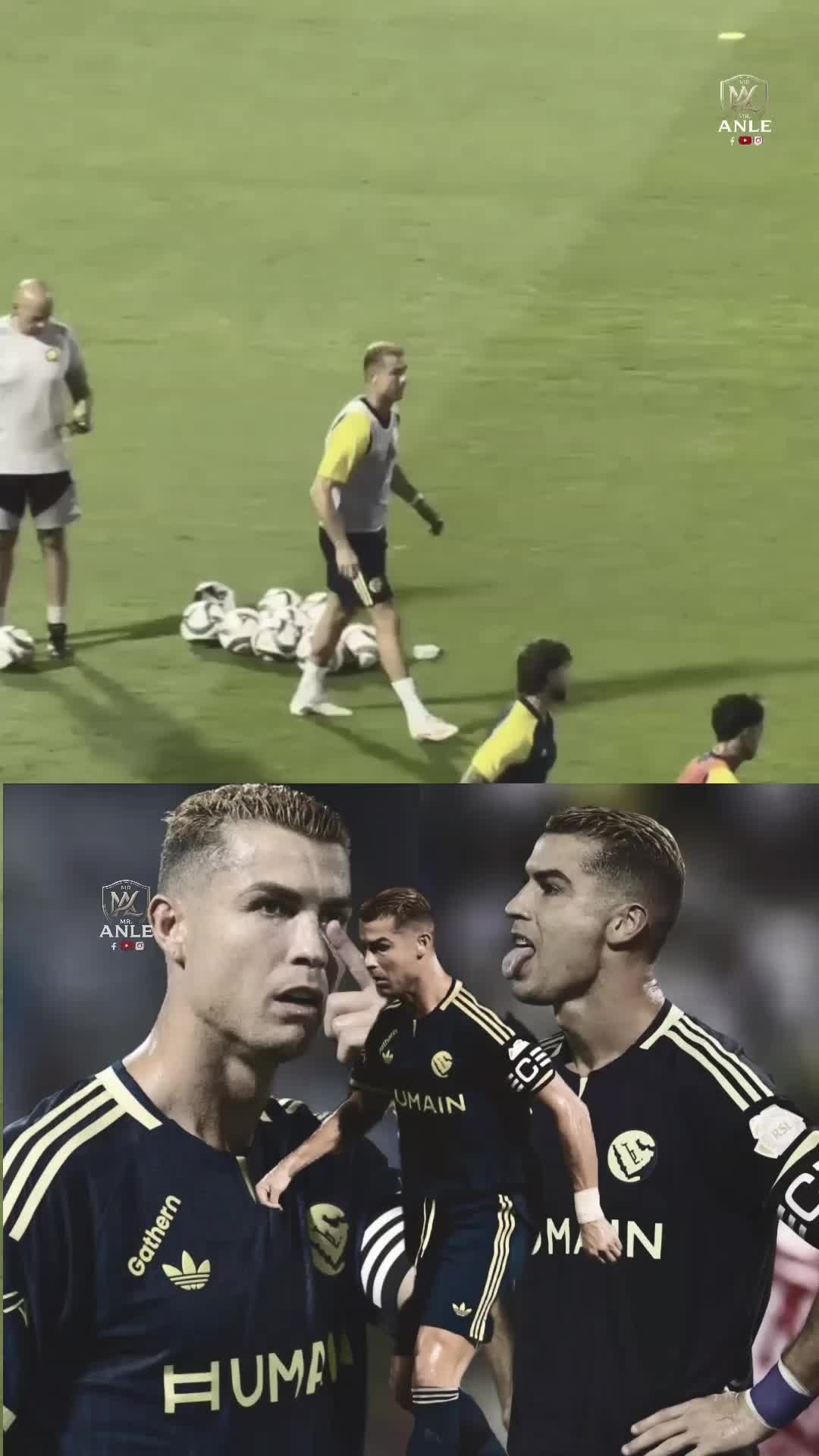
Cristiano Ronaldo and Al Nassr vs Al Khaleej
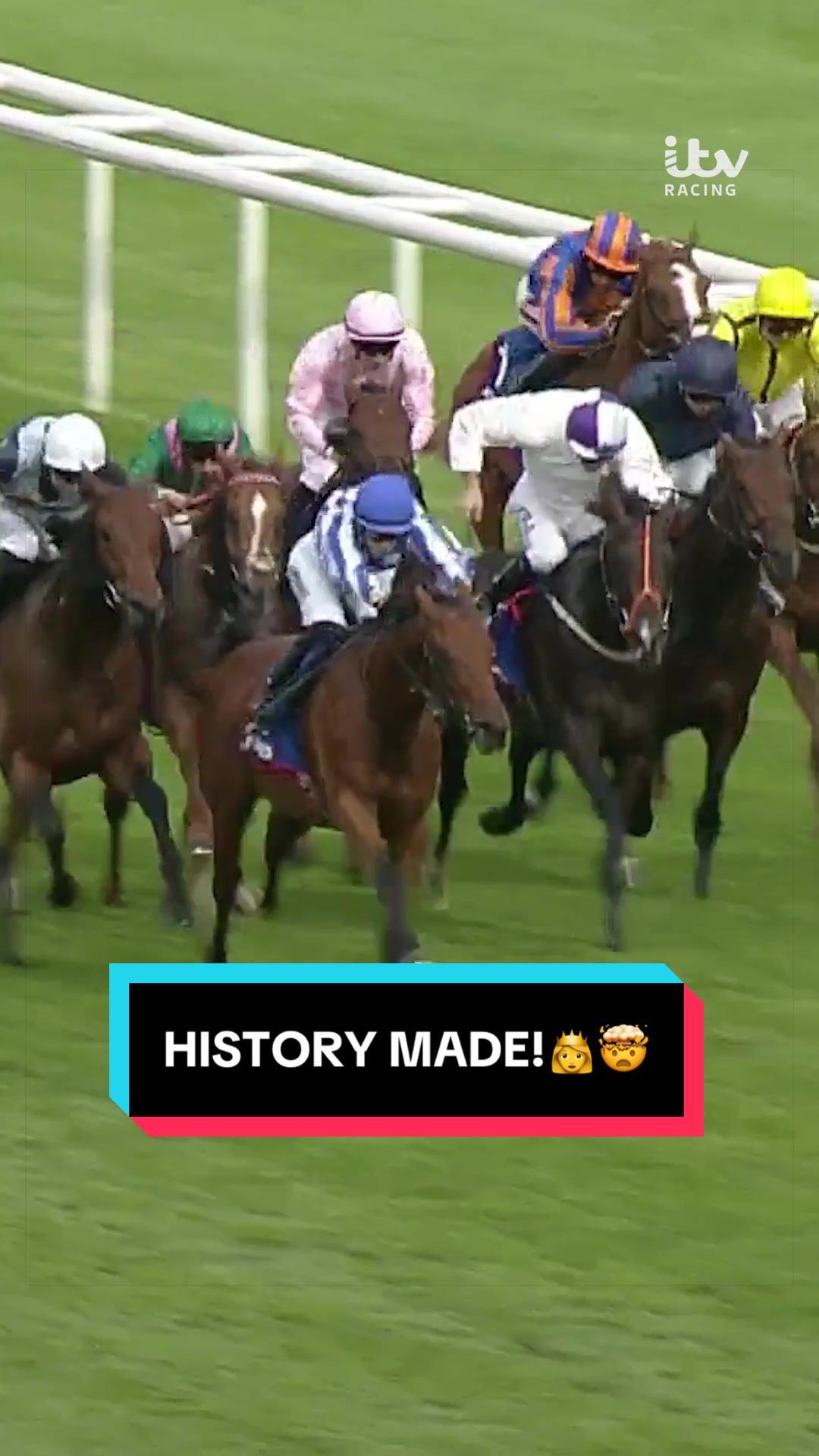
HIGHWAYMAN WINS THE BETFRED ST LEGER! 🏆
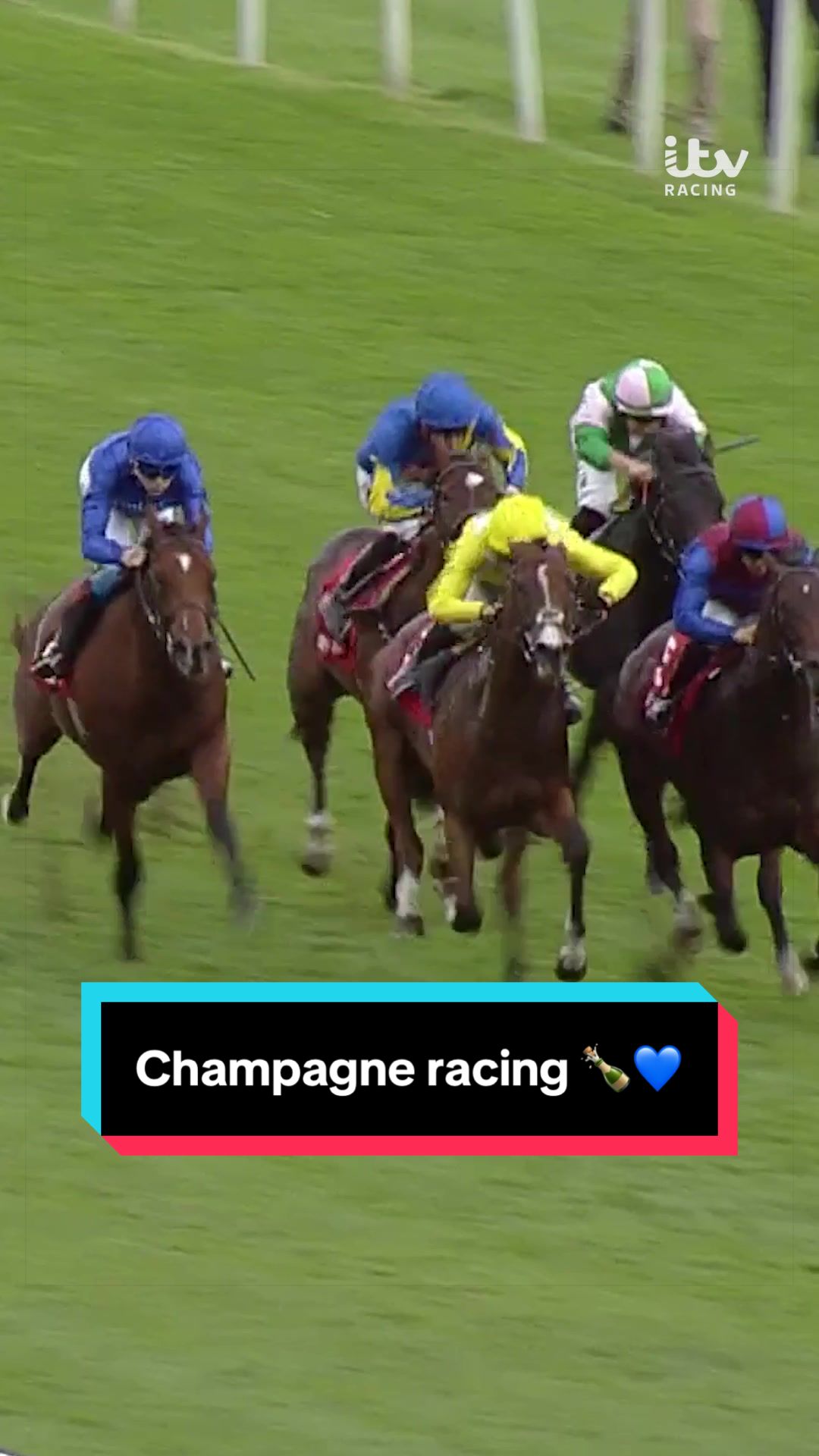
DESERT CASTLE DOMINATES! 🏆🍾

mbappe ballon d'or interview lequipe mbappe edit mbappe interview
 Links
Links
 Contact
 App
App


